Sensory Detection
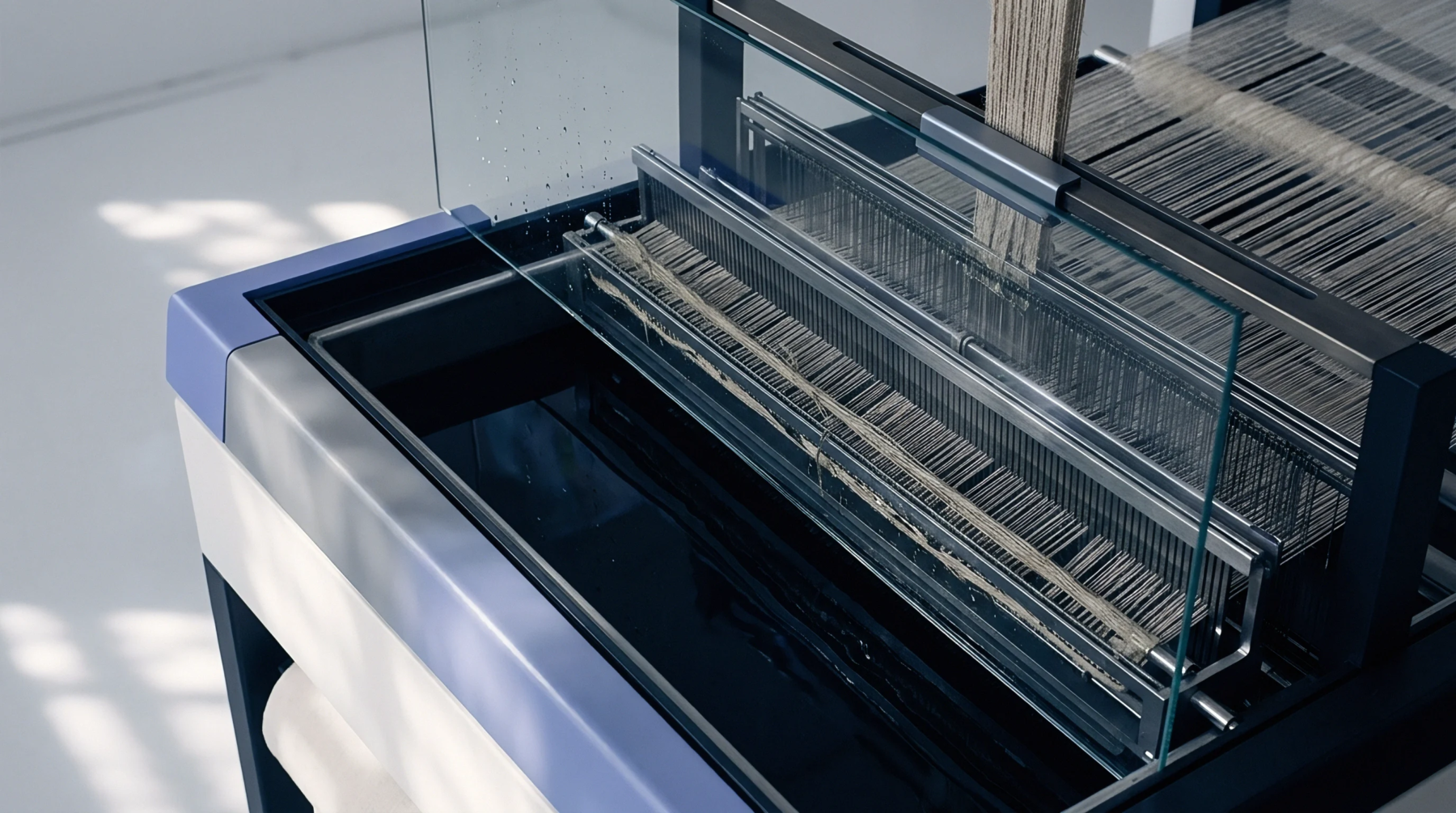
Horizontal metal pins hanging from each individual warp strand inside a mechanical loom monitor the continuity of the tensioned material during the rapid movement of the shedding process. These drop wires maintain contact with the electrical circuit through the weight of the gravity force applied to the yarn. If a break occurs in the filament, the unsupported metal pin falls into a conductive rail to close the loop and trigger an immediate halt to the operation.
Operators rely on this physical mechanism to prevent loose yarn tails from tangling with adjacent ends in the loom harness. High speed production environments demand consistent performance from these components to avoid costly downtime.
Installation Configuration
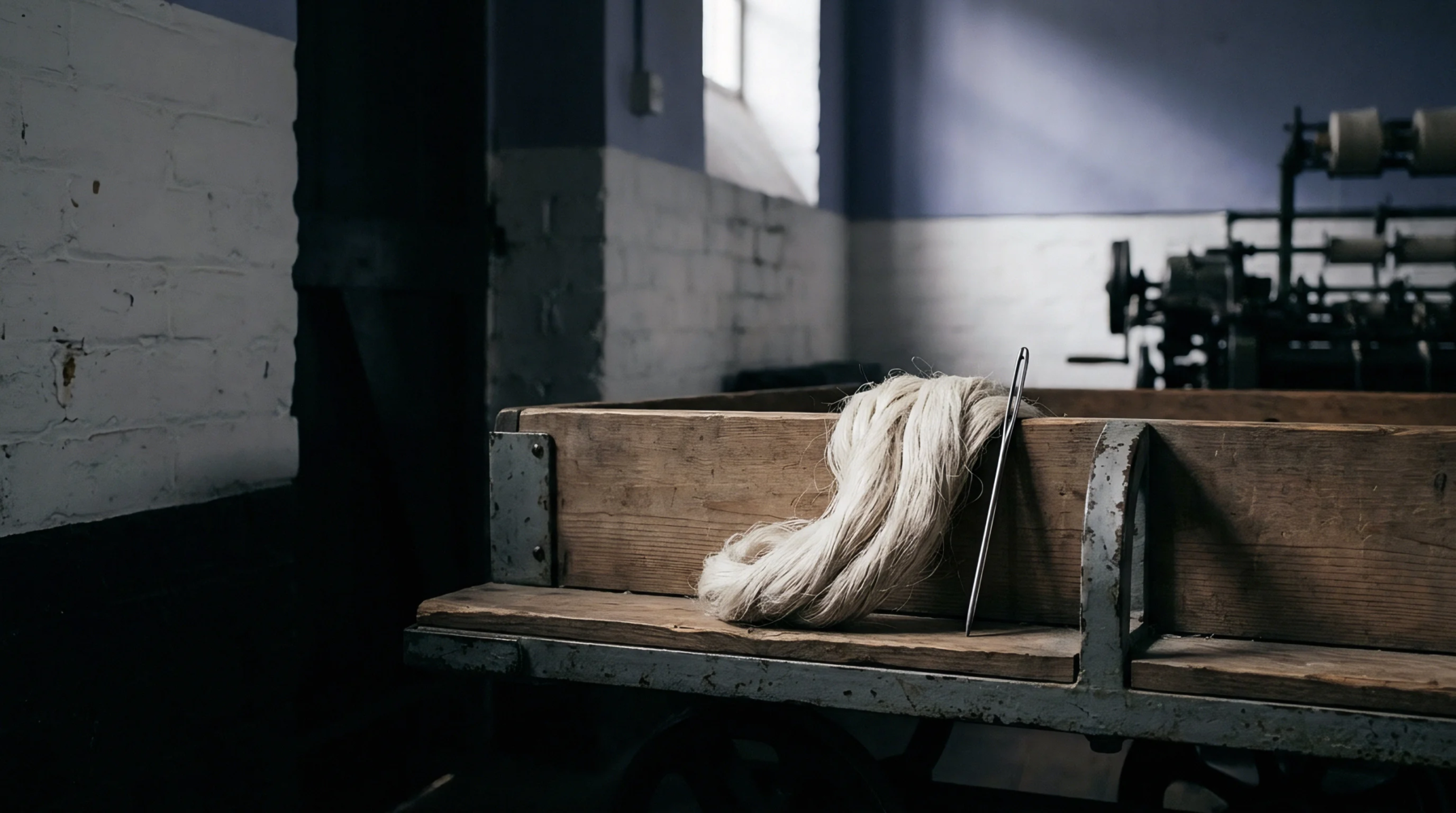
Accurate setup requires the correct weight of the pins according to the denier and strength of the flax yarn currently on the loom. Heavy components applied to delicate fibres cause unwanted abrasion or filament snapping which leads to frequent, false stops. Lighter components fail to fall rapidly enough to initiate the cut off during sudden tension loss.
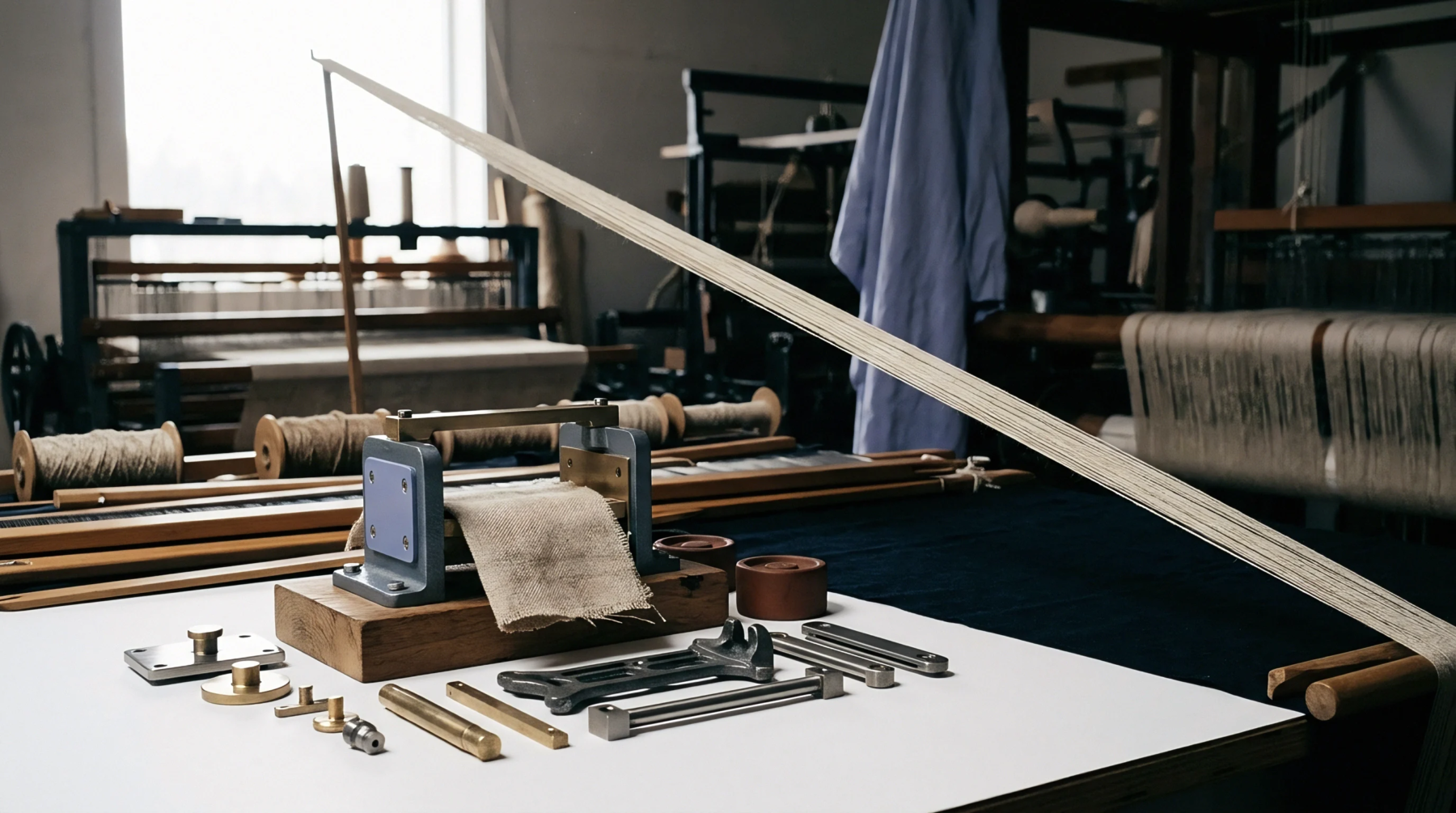
Technicians calibrate the sensitivity of the contact rail by adjusting the spring tension and the proximity of the metal banks. Proper clearance keeps the mechanism from shorting out due to the accumulation of dust or lint within the frame. Records of these settings appear in the mill production log to ensure reproducibility across different batches of fabric.
Quality Traceability
Verification of the warp integrity allows the factory to maintain a precise tally of the number of stops recorded for each loom cycle. Every time a pin makes contact, the control system registers an event that links back to the specific spindle or bobbin source. Managers cross reference this data against the raw material inspection reports to identify issues with yarn consistency or spinning quality.
A high frequency of trips indicates a weakness in the fibre structure that persists beyond the initial cleaning phase. Persistent events suggest that the warping process failed to identify a flaw before the material reached the weaving department. Machine stoppage acts as the final control gate for preventing structural defects in the final textile.