Legal Determination
Territorial verification procedures establish the economic nationality applied to exported manufactured goods through precise statutory mandates. Non-preferential origin operates as the foundational customs instrument determining whether imported grey linen fabric qualifies for standard tariff treatment without trade agreement benefits. Chinese spinning mills apply this mandatory rule during final export clearance to verify that yarn processed from imported flax stalks meets domestic value addition thresholds required by customs authorities.
Customs officers examine production logs and bills of lading to confirm that substantial transformation occurred within factory boundaries before issuing official certificates of origin. Export documentation relies on this legal designation to prevent tariff evasion through transshipment via third countries.
Export Verification
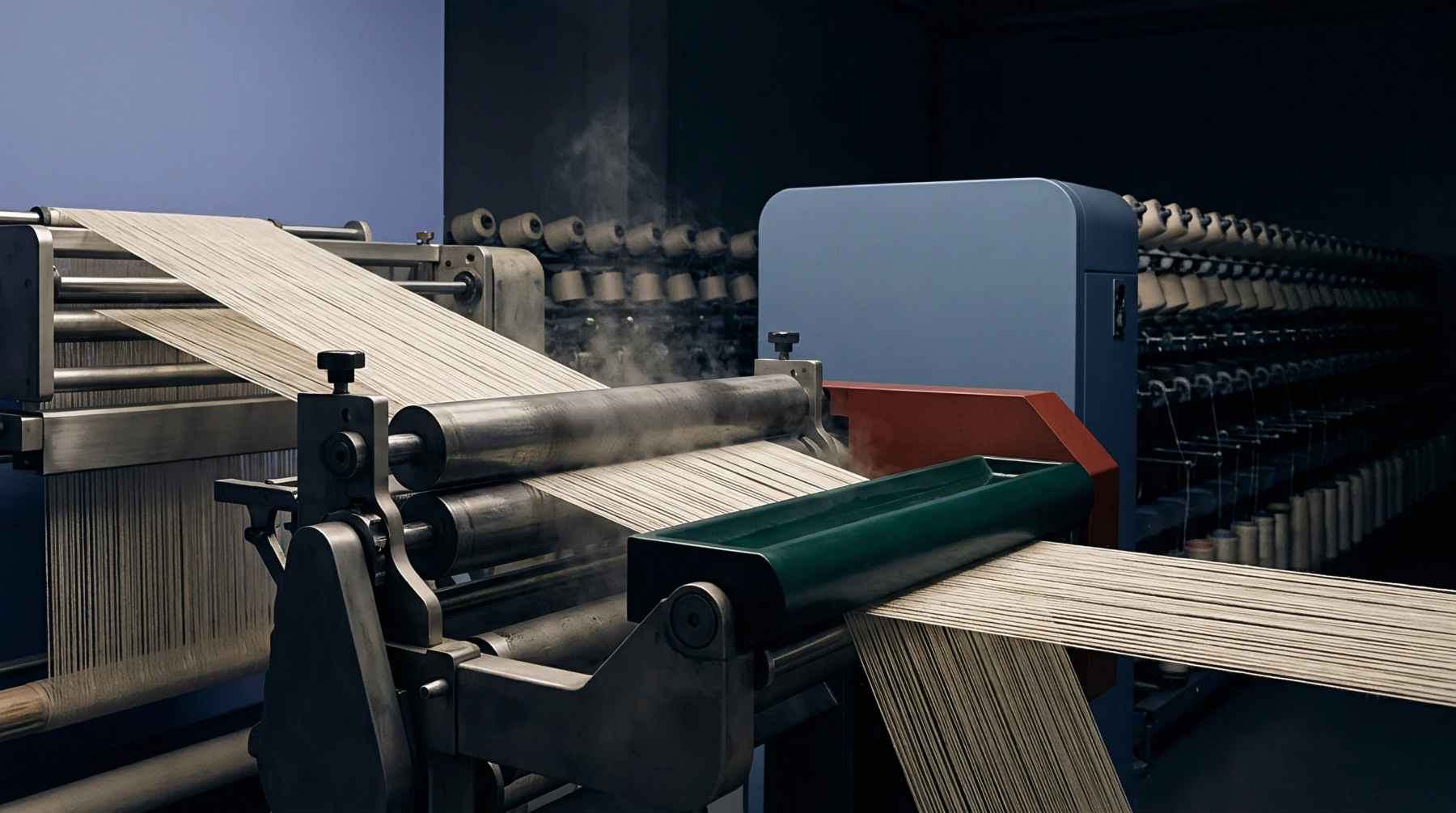
Customs authorities verify factory records against strict domestic transformation criteria during final export audits of finished textile goods. Non-preferential origin requires clear documentary evidence showing that raw flax fibres underwent comprehensive spinning and weaving operations entirely within provincial mills. Inspectors crossreference electricity consumption bills with loom output registers to confirm actual manufacturing activity took place locally.
Trade compliance officers reject applications carrying ambiguous processing trails or missing subcontractor declarations.
Statutory Boundary
Regional trade agreements operate under distinct preferential rules that supersede standard customs classifications when bilateral tariff reductions apply. Non-preferential origin remains strictly confined to most favoured nation tariff applications and quota administration without granting preferential duty rates. Regulatory bodies enforce this exact boundary to separate preferential preferential trade preferences from general commercial imports.
Domestic courts uphold this statutory limit during disputes regarding tariff classifications.