Intrinsic Viscosity Assessment for Continuous Wet Roving Processing
Continuous wet roving intrinsic viscosity assessments require standardized cupriethylenediamine dissolution to prevent undetected polymer backbone degradation.


Roving
Continuous wet processing subjects bast fiber strands to alkaline boiling, enzymatic treatment, and intense fluid shear in the drafting zone. Unspun flax bundles pass through aqueous baths at linear speeds exceeding sixty meters per minute, demanding rapid chemical penetration without sacrificing the structural integrity of the cellulose polymer backbone. The physical assembly of continuous wet roving consists of untwisted or low-twist parallel fiber ribbons held together by non-cellulosic encrusting substances, primarily pectins, hemicelluloses, and residual lignins.
Assessor checks establish that the primary driver of final yarn tenacity is not merely bundle cohesion, but the intrinsic length of the alpha-cellulose chains contained within individual elementary fibers. Monitoring polymer chain length during high-throughput wet operations prevents catastrophic strength loss before the strand enters the spinning triangle.

Bast Fiber Structure during Liquid Processing
Flax bundles consist of primary cellulosic fibrils glued together by a complex pectin and lignin binder matrix. Continuous wet processing deliberately removes a portion of these inter-elementary binders to facilitate drafting, yet aggressive liquor conditions risk attacking the crystalline core of the cellulose itself. Elementary flax fibers contain high-molecular-weight cellulose with a degree of polymerization frequently exceeding two thousand five hundred units in raw green straw.
As continuous roving moves through wetting agents, caustic boiling baths, and peroxide bleaching stages, hydroxyl groups on the glucan rings become accessible to hydrolytic and oxidative cleavage. Capillary uptake in untwisted wet roving occurs rapidly, allowing chemicals to reach inner cell walls within seconds of immersion.
When liquor temperature exceeds eighty-five degrees Celsius under alkaline conditions, the non-cellulosic matrix softens, increasing fluid movement through micro-voids. This accessibility accelerates targeted chemical action on amorphous regions of the cellulose polymer chain. Internal fiber stresses generated during scutching and hackling make specific glycosidic bonds hyper-reactive to chemical attack.
Measurement of intrinsic viscosity captures the cumulative molecular weight loss across these exposed domains, serving as an early indicator of processing damage before visible fiber rupture occurs on the mill floor.
Higher residual pectin contents require extended solvent digestion times during capillary viscometry preparation.
Continuous Wet Processing Hydrodynamics
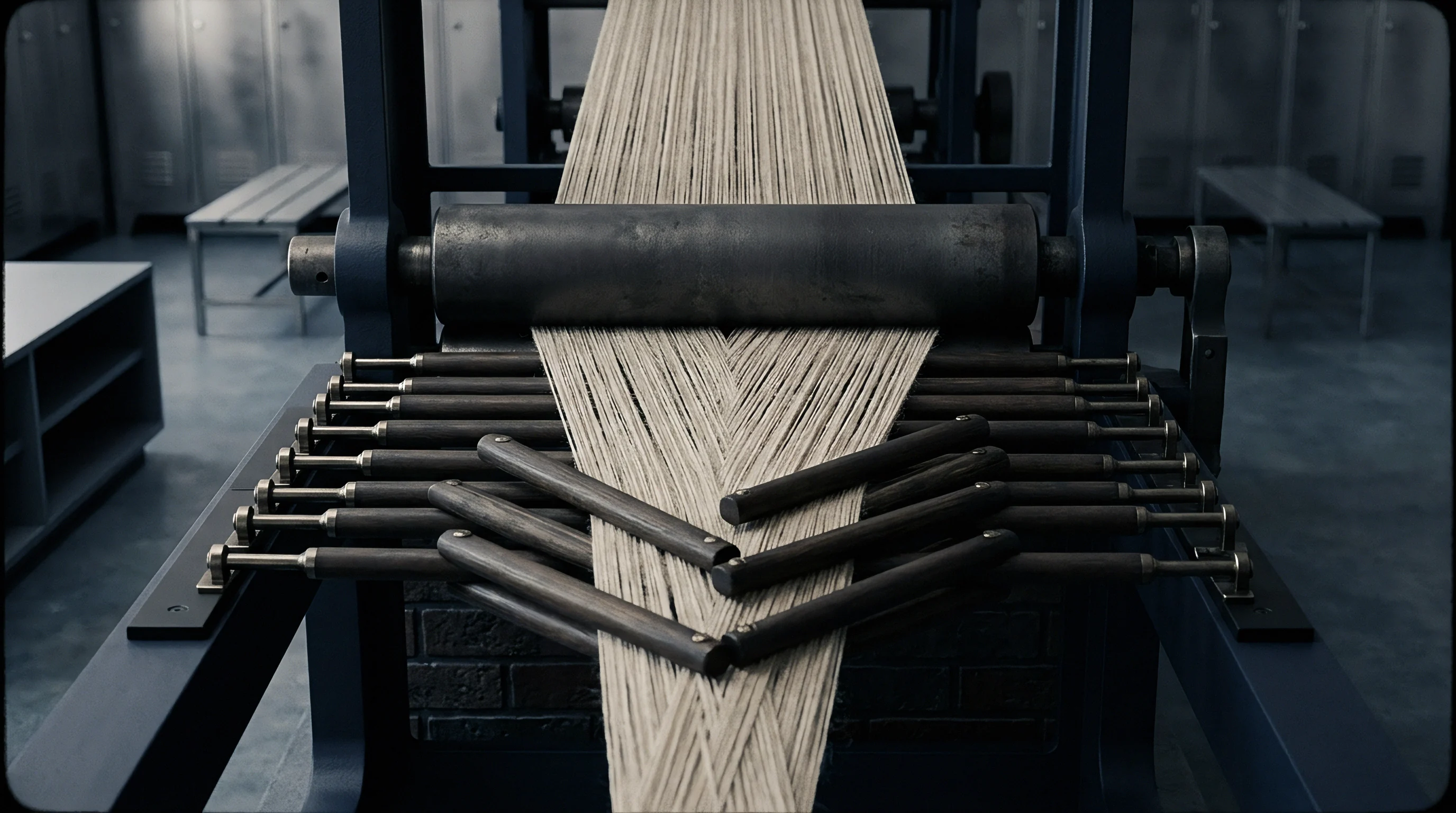
Fluid velocities inside the bath transfer thermal and mechanical energy directly into the untwisted fiber core. Continuous wet roving lines pull multiple parallel ends through narrow troughs where fluid recirculation rates must remain steady to prevent localized chemical concentration spikes. High bath turn-over rates ensure uniform wetting out, but fluid drag forces pull on individual fibrils, creating axial tension during chemical exposure.
When combined with elevated temperature, this mechanical tension lowers the activation energy required for glycosidic bond cleavage, accelerating polymer degradation compared to static immersion conditions.
Processing baths containing sodium hydroxide or chelating agents swell the fiber structure, expanding the lumen and inter-crystalline regions. Swelling improves dye uptake and drafting uniformity, but excessive hydroxyl ion concentration causes irreversible chain scission. Continuous monitoring systems measure bath temperature, pH, and line velocity, but these macroscopic indicators fail to show real-time degradation inside the fiber lumen.
Assessing intrinsic viscosity on roving samples pulled directly from the exit nip of the wet processing bath provides the only direct measurement of true cellulosic damage.

Solvent
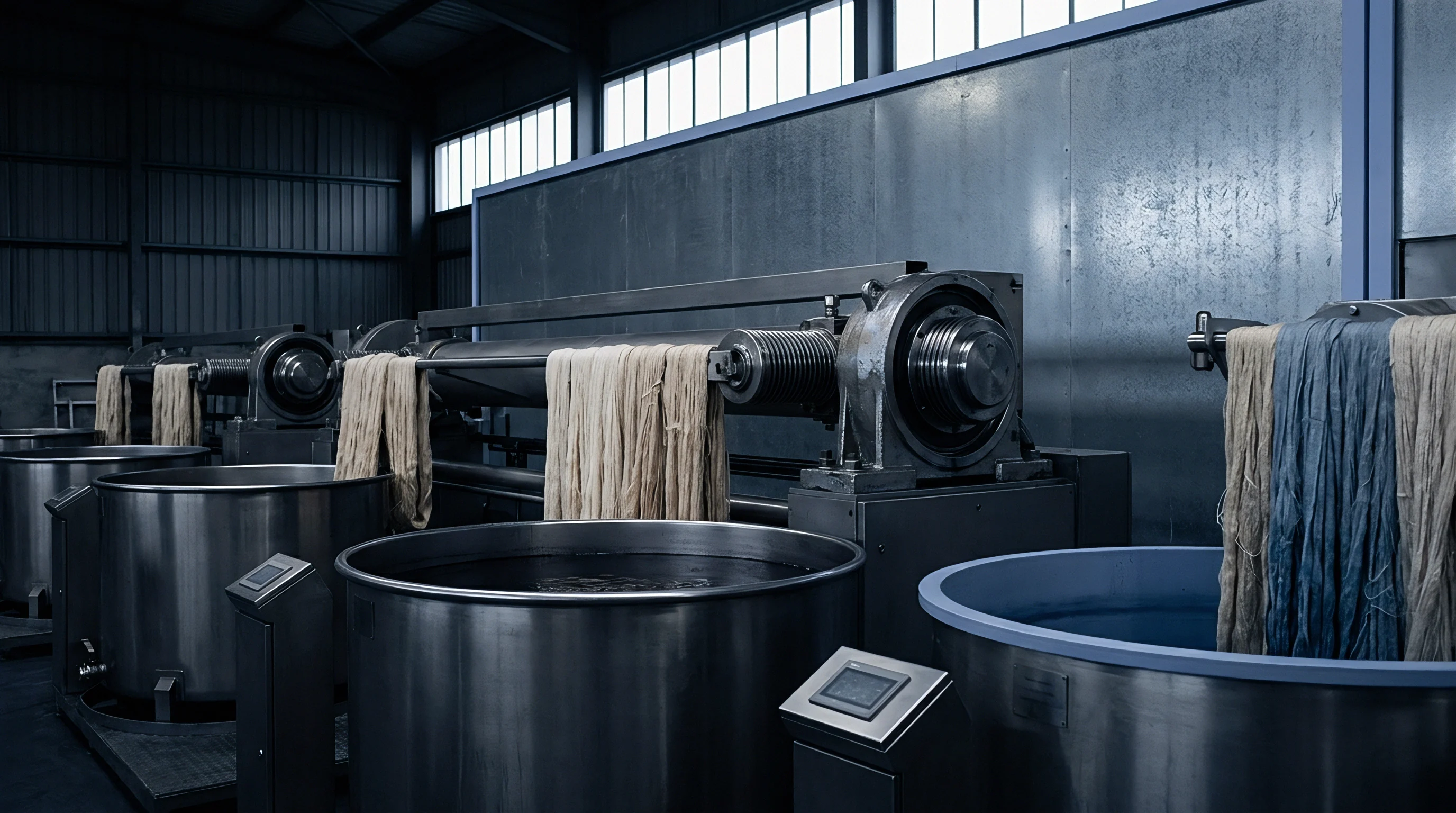
Dissolving native flax cellulose demands specific organometallic coordination complexes capable of disrupting inter-molecular hydrogen bonds without cleaving glycosidic linkages. Bast fiber cellulose exhibits high crystallinity and high molecular weight, rendering common organic solvents entirely ineffective for viscometric preparations. The primary standard dissolution medium for industrial quality control is cupriethylenediamine hydroxide, designated as CED or CUEN.
CED coordinates with the hydroxyl groups at the C-2 and C-3 positions of the anhydroglucose units, forming a soluble copper-diamine complex that fully expands the polymer coil into liquid solution. Complete dissolution without oxidation requires strict exclusion of atmospheric oxygen during sample preparation.

Standardized Cupriethylenediamine Dissolution Protocols
ISO 5351 specifies dilute copper-ethylenediamine solutions at precise molarities for cellulose degree of polymerization measurements. The standard solvent system uses a one molar concentration of ethylenediamine combined with a half-molar copper hydroxide solution, yielding a balanced ratio of two to one. Dissolution of high-molecular-weight bast fiber roving requires precise sample weights, typically between fifty and one hundred milligrams, adjusted for moisture and non-cellulosic content.
Standardized dissolution protocols require copper complex stability. Oxygen dissolved in the reagent or present in the dissolution vial generates hydroxyl free radicals, which cut cellulose chains rapidly in alkaline media.
Flax roving samples undergo strict nitrogen flushing inside sealed dissolution flasks prior to solvent introduction. Shaking times vary between thirty minutes for bleached roving and two hours for raw green roving containing intact middle lamella pectins. Incomplete dissolution leaves insoluble micro-gels that clog capillary viscometers, producing artificially high efflux times.
Over-shaking under residual oxygen induces mechanical shear and oxidative cleavage, yielding artificially low intrinsic viscosity figures that misrepresent the true state of the fiber batch.
| Solvent System | Chemical Formula / Composition | Dissolution Time (min) | Sensitivity to Oxygen | Primary Industrial Application |
|---|---|---|---|---|
| Cupriethylenediamine (CED) | Bis(ethylenediamine)copper(II) hydroxide | 30 to 120 | High | Standard ISO 5351 mill verification |
| Cuprammonium (CUAM) | Tetraamminecopper(II) hydroxide | 60 to 180 | Very High | Legacy European flax specifications |
| Iron Sodium Tartrate (FeTNa) | Iron(III) sodium tartrate complex | 45 to 90 | Moderate | Research labs requiring minimal oxidation |
| Cadoxen | Cadmium ethylenediamine hydroxide | 30 to 60 | Low | High-precision optical cell measurements |

Sample Preparation and Non-Cellulosic Removal
Raw roving contains up to twenty percent non-cellulosic impurities that distort mass concentration readings during capillary viscometry. Pectins, hemicelluloses, lignins, waxes, and inorganic ash increase raw sample weight without contributing to the cellulosic viscosity signal. Direct dissolution of unpurified roving yields incorrect lower intrinsic viscosity values because the calculated cellulose concentration exceeds the actual dissolved polymer mass.
A standardized purification extraction must precede solvent exposure without degrading the underlying cellulose chain length.
Soxhlet extraction using a two-to-one mixture of ethanol and toluene removes surface waxes and fats over a four-hour cycle. Subsequent boiling in sodium carbonate solution at a concentration of two grams per liter extracts pectinic acids without hydrolyzing primary glycosidic bonds. Dried, purified fiber pads are then conditioned to constant mass before weighing into dissolution flasks.
Failure to execute this multi-stage purification distorts baseline viscosity measurements by eight to fifteen percent across unbleached wet roving grades.
The following non-cellulosic contaminants interfere with continuous wet roving viscometry evaluations:
- Residual Pectic Substances alter the solvent solvation shell, causing incomplete dissolution and micro-gel formation within capillary tubes.
- Lignin Macromolecules absorb light in spectrophotometric checks and form insoluble copper-lignin complexes in CED reagents.
- Associated Hemicelluloses possess a significantly lower degree of polymerization, artificially reducing the calculated weight-average intrinsic viscosity.
- Surface Wax Residues create hydrophobic barriers that prevent uniform solvent wetting, forcing prolonged agitation times.
Chemical suppliers claim that non-cellulosic impurities dissolve completely into CED solutions without altering the kinetic efflux time of the dissolved cellulose backbone.


Viscometer
Precision glass capillaries measure the flow time of polymer solutions relative to pure reagent blanks at thermal equilibrium. Capillary viscometry remains the definitive reference technique for determining intrinsic viscosity due to its exceptional sensitivity to changes in high-molecular-weight polymers. Ubbelohde suspended-level viscometers are favored over Cannon-Fenske configurations because the measurement time in an Ubbelohde tube is independent of the exact solution volume introduced.
Thermostatic water baths surrounding the capillary assembly must maintain temperature control within zero point zero two degrees Celsius of the specified test point, typically twenty-five degrees Celsius.
Capillary Flow Mechanics and Kinetic Energy Adjustments
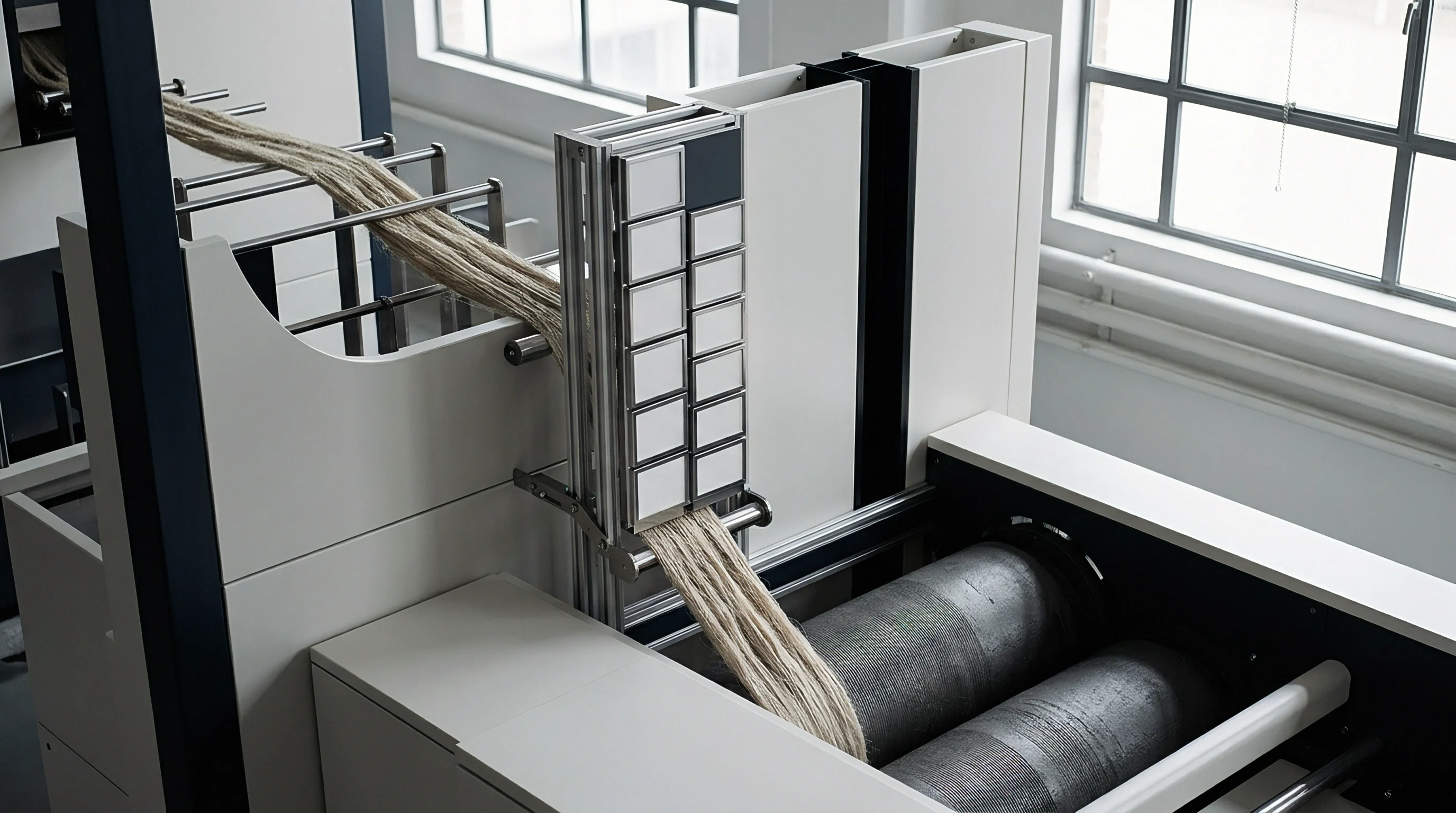
Efflux timing through glass capillary tubes introduces shear velocity gradients and entrance head corrections into fluid calculations. Hagen-Poiseuille laws govern capillary fluid flow, assuming laminar flow conditions where the Reynolds number remains well below two thousand. When fluid exits the narrow capillary tube into the lower reservoir bulb, a fraction of the pressure head converts into kinetic energy rather than driving viscous flow.
Small capillary diameters require a mathematical adjustment, known as the Hagenbach-Couette correction, subtracted directly from measured efflux times.
Viscometer selection depends on matching efflux times for pure solvent blanks to a target range between one hundred and two hundred seconds. Efflux times shorter than one hundred seconds amplify kinetic energy errors and timing inaccuracies, while efflux times exceeding three hundred seconds invite thermal drift and sample degradation during testing. Capillary cleanliness is paramount.
Trace organic films or micro-dust particles alter the internal radius of the glass tube, introducing exponential errors into the calculated relative viscosity.
ISO 5351 cupriethylenediamine dissolution at 25 degrees Celsius yields intrinsic viscosity values within a 1.5 percent coefficient of variation across unbleached bast fiber samples.

Extrapolation Methods for Intrinsic Viscosity Calculation
Plotting reduced viscosity against solution concentration reveals the limiting value at infinite dilution through empirical equations. Intrinsic viscosity represents the specific capacity of a polymer molecule to increase solution viscosity when isolated from neighboring polymer chains. Single-point methods offer rapid factory quality control, but full multi-concentration linear extrapolations remain mandatory for dispute arbitration under commercial contracts.
The Huggins equation models reduced viscosity as a linear function of concentration, where the slope parameter reflects polymer-solvent interactions.
The Kraemer equation approaches the intrinsic viscosity axis through the inherent viscosity function, providing a parallel linear extrapolation. High-precision testing evaluates three or four distinct solution concentrations derived from serial dilutions inside the Ubbelohde viscometer tube. The intercept where both Huggins and Kraemer lines intersect the zero-concentration y-axis defines the intrinsic viscosity in milliliters per gram.
Agreement between Huggins and Kraemer intercepts within two percent confirms the validity of experimental data and the absence of concentration-dependent shear thinning.
Execution of a precise laboratory capillary viscometry test follows this standardized sequence:
- Dry the purified cellulose sample to constant weight in a vacuum oven at sixty degrees Celsius.
- Weigh precisely fifty milligrams of dried sample into a heavy-walled glass dissolution flask.
- Evacuate atmospheric air from the flask using three consecutive cycles of nitrogen purging.
- Dispense twenty-five milliliters of deaerated distilled water to swell the cellulose fibers.
- Add twenty-five milliliters of one molar cupriethylenediamine reagent under continuous nitrogen flow.
- Agitate the flask on a mechanical shaker at two hundred revolutions per minute for one hour.
- Transfer the clear solution into a clean Ubbelohde viscometer mounted in a thermostatic bath.
- Thermalize the solution for fifteen minutes until temperature equilibrium reaches twenty-five degrees Celsius.
- Draw the liquid above the upper timing mark using a suction bulb and measure efflux time with a digital timer calibrated to zero point one seconds.
Which chemical reactions dominate when temperature control fails inside the thermostatic bath remains a secondary operational concern compared to fluid shear errors.


Cleavage
Chemical degradation along the 1,4-beta-glucan backbone occurs through distinct kinetic paths during continuous aqueous immersion. Bast fiber cellulose degradation during wet roving processing breaks down into three primary categories: acid hydrolysis, oxidative scission, and alkaline beta-elimination. Acid hydrolysis attacks the acetal linkages connecting glucose units, splitting polymer chains randomly and causing rapid intrinsic viscosity loss.
Oxidative cleavage introduces carbonyl and carboxyl groups along the glucan rings, creating structural weaknesses that break under subsequent processing steps.
How Does Shearing Force Accelerate Chain Scission?
Mechanical tension during wet drafting combined with elevated temperature generates localized stress points across crystalline domain boundaries. Continuous wet roving lines pull wet fiber bundles through nip rolls to align elementary fibrils before spinning. When fiber bundles undergo high drafting ratios in hot liquid baths, mechanical pull stretches polymer chains, altering bond angles along the glycosidic backbone.
Distorted glycosidic bonds exhibit reduced activation energy for chemical attack, allowing dilute chemical concentrations to cleave polymer chains at rates up to five times faster than in unstressed fibers.
Hydrodynamic shear generated inside high-velocity chemical spray nozzles forces polymer chains to align parallel to flow lines. High-molecular-weight cellulose chains experience maximum shear stress at their midpoint, causing targeted central chain cleavage rather than random statistical scission. This mechanochemical synergy shortens long cellulose chains rapidly, converting high-grade bast fiber into weak, brittle material within seconds of dynamic processing exposure.
| Degradation Mechanism | Primary Chemical Initiator | Targeted Molecular Site | Impact on Intrinsic Viscosity | Mitigation Strategy |
|---|---|---|---|---|
| Acid Hydrolysis | Hydronium ions (pH below 4.5) | 1,4-beta-glycosidic oxygen bond | Rapid logarithmic decline | Maintain bath pH above 6.0 with buffers |
| Peroxide Oxidation | Hydroperoxyl radicals (HOO ) | C-2, C-3, and C-6 hydroxyl groups | Moderate drop, introduces carbonyls | Control iron/copper transition metals |
| Alkaline Beta-Elimination | Hydroxyl ions at elevated heat | Glycosidic bond adjacent to C-3 carbonyl | Severe drop in modified cellulose | Avoid caustic treatments after bleaching |
| Hydrodynamic Shear | High fluid drag in wet drafting | Mid-chain carbon-oxygen backbone | Targeted loss of highest DP fraction | Optimize nip roll pressures and bath velocity |

Chemical Kinetics of Hydrolytic and Oxidative Degradation
Acidic oxidation generates carbonyl and carboxyl groups along the glucose rings, predisposing the cellulose backbone to alkaline beta-elimination. In continuous bleaching lines using hydrogen peroxide, hydroxyl radicals form rapidly if trace transition metal ions like iron or copper contaminate the bath water. Radical attack opens glucose rings and cleaves glycosidic linkages without discrimination.
The rate of intrinsic viscosity loss follows pseudo-first-order kinetics, where temperature increases exponential degradation rates according to Arrhenius equations.
Alkaline treatments like caustic boiling remove non-cellulosic encrustations but induce peeling reactions at reducing end-groups. Peeling removes individual glucose units sequentially, reducing overall yield but causing minor drops in average intrinsic viscosity. If prior processing oxidized C-2 or C-3 positions into carbonyl groups, alkaline solutions cleave the chain completely at that position via beta-elimination.
Process managers must control peroxide dosage, stabilizer levels, and metal chelators to prevent irreversible molecular weight loss across continuous bleaching zones.
Neglecting chemical stabilizer concentration during continuous peroxide bleaching reduces intrinsic viscosity below critical limits, rendering entire roving lots unsuitable for high-tenacity wet spinning operations.

Yield
Tensile properties of wet-spun yarn depend directly on the molecular weight retention of individual cellulose chains. Elementary flax fibers obtain their exceptional strength from parallel microfibril alignment held together by hydrogen bonding and intact polymer chains. When intrinsic viscosity drops below critical threshold values, individual cellulose molecules can no longer bridge crystalline domains effectively.
Reduced molecular weight increases the density of chain ends within the fiber matrix, creating microscopic flaw sites that concentrate mechanical stress during spinning and end-use loading.

Correlation between Intrinsic Viscosity and Yarns Mechanical Tenacity
Lower intrinsic viscosity limits the friction-bearing length of cellulose microfibrils during final yarn twist insertion. Empirical data collected across continuous wet processing lines demonstrates a non-linear relationship between intrinsic viscosity and single-yarn breaking tenacity. Fiber batches maintaining an intrinsic viscosity above eight hundred milliliters per gram yield wet-spun yarn breaking tenacities exceeding forty-five centinewtons per tex.
When intrinsic viscosity drops below five hundred milliliters per gram, yarn tenacity drops precipitously, accompanied by a sharp increase in spinning end-breakage rates.
High end-breakage rates reduce spinning frame efficiency, forcing operators to drop spindle speeds or increase twist levels to maintain package integrity. Increasing twist insertion reduces machine productivity and alters fabric hand, producing heavy, stiff textiles. Monitoring intrinsic viscosity at the roving stage allows mill managers to predict yarn tenacity outcomes and optimize downstream spinning parameters before spinning thousands of kilos of defective fiber.
ISO 13934 yarn strength guarantees fall void when raw roving intrinsic viscosity declines below 650 milliliters per gram prior to wet drafting.
| Intrinsic Viscosity (mL/g) | Estimated Cellulose DP | Dry Yarn Tenacity (cN/tex) | Wet Yarn Tenacity (cN/tex) | Spinning End Breaks (per 1000 spindle hours) |
|---|---|---|---|---|
| 950 to 1100 | 2200 to 2600 | 48 to 55 | 58 to 68 | Less than 15 |
| 800 to 949 | 1800 to 2199 | 42 to 47 | 50 to 57 | 15 to 25 |
| 650 to 799 | 1450 to 1799 | 34 to 41 | 39 to 49 | 26 to 50 |
| 500 to 649 | 1100 to 1449 | 24 to 33 | 27 to 38 | 51 to 100 |
| Below 500 | Below 1100 | Below 24 | Below 27 | Exceeds 100 |
Continuous Roving Line Process Optimization
Process parameters across bleaching, scutching, and wet drafting zones adjust dynamically when viscosity indicators drop below target ranges. Modern continuous lines integrate rapid viscosity assessments into quality management frameworks. When incoming raw flax lots exhibit variable degradation due to weather conditions during field retting, process controllers modify bath retention times, chemical concentrations, and neutralizer wash temperatures.
Reducing caustic boiling time by ten percent preserves up to one hundred milliliters per gram of intrinsic viscosity while maintaining adequate pectin removal for drafting uniformity.
In-line optical sensors and rapid capillary testing enable precise calibration of peroxide bleaching baths. Balancing hydrogen peroxide concentration against alkali stabilizer ratios prevents radical formation while achieving required brightness levels. Optimization balances aesthetic requirements against polymer chain length preservation, ensuring that finished linen yarns meet both color brightness standards and demanding technical tenacity specifications.
Standard master purchase agreements mandate that delivered wet roving must maintain an intrinsic viscosity of at least seven hundred and fifty milliliters per gram, assessed under ISO 5351 test protocol conditions.


Warranty
Commercial contracts for wet-spun bast fibers incorporate quantitative polymer degradation limits to protect against fabric strength failure. Sourcing practices buying linen yarns or processed continuous wet roving establish baseline intrinsic viscosity thresholds within purchase specifications. Certificate of analysis documentation must accompany every delivered lot, linking specific bale numbers to batch-level viscometry test results.
Underwriters confirm that claims based solely on fiber bundle tenacity without intrinsic viscosity verification leave buyers vulnerable to latent thermal and chemical degradation that manifests only during weaving or finishing operations.

Contractual Verification and Dispute Resolution
Third-party testing laboratories enforce strict compliance testing when delivered yarn shipments fail breaking tenacity thresholds. Arbitration protocols require independent sampling of unspun roving or yarn packages using ISO 139 thermal and moisture conditioning standards. When a buyer challenges batch quality based on low intrinsic viscosity, the referee laboratory executes testing according to ISO 5351 guidelines, using certified cupriethylenediamine reagents.
Test results determine whether quality failures stem from raw material defects or improper processing across customer finishing lines.
Contractual agreements define acceptable quality limits and allow clear commercial remedies when intrinsic viscosity metrics fall short of target guarantees. Sampling schedules demand five random samples pulled per metric ton of fiber, combined into a composite test sample. If referee testing yields intrinsic viscosity values below the contractually agreed lower specification limit, contract clauses mandate financial penalties, price re-indexing, or full rejection of the delivered consignment at the seller expense.
Qualifying a continuous wet roving mill requires checking these critical documentation and technical operational checkpoints:
- ISO 17025 Accreditation Credentials prove that the testing laboratory possesses calibrated equipment and qualified staff for CED capillary viscometry execution.
- Batch-Level Mass Balance Logs verify that chemical consumption ratios match production volume without excessive alkali exposure.
- Purification Protocol Documentation confirms that raw fiber samples undergo complete extraction of non-cellulosic impurities before viscosity testing.
- Temperature Control Calibration Records demonstrate thermostatic bath stability within zero point zero two degrees Celsius across test runs.
- Traceable Lot Tracking Systems link delivered yarn or roving packages back to raw flax bale stores and specific continuous processing runs.

Landed Cost Penalties and Price Adjustments
Surcharge structures and price reductions compensate buyers for severe molecular degradation induced by aggressive continuous boiling. Standard trade contracts apply a tiered pricing penalty schedule based on certified intrinsic viscosity test results. A delivery achieving target intrinsic viscosity receives full contract price payment.
Deliveries exhibiting minor viscosity losses face percentage price deductions, while severe degradation triggers mandatory batch rejection and replacement.
Assume a commercial contract for forty metric tons of continuous wet roving priced at eight Euros per kilogram, with a specified minimum intrinsic viscosity of eight hundred milliliters per gram. If laboratory testing reveals an actual batch viscosity of seven hundred milliliters per gram, the contracted penalty clause triggers a five percent price reduction per fifty milliliters per gram deficit. The calculated price adjustment reduces the landed cost by eight hundred Euros per metric ton, resulting in a total claim of thirty-two thousand Euros against the supplier invoice.
Quantified contractual mechanisms protect buyers against the hidden commercial costs of molecular fiber degradation in continuous wet roving processing.