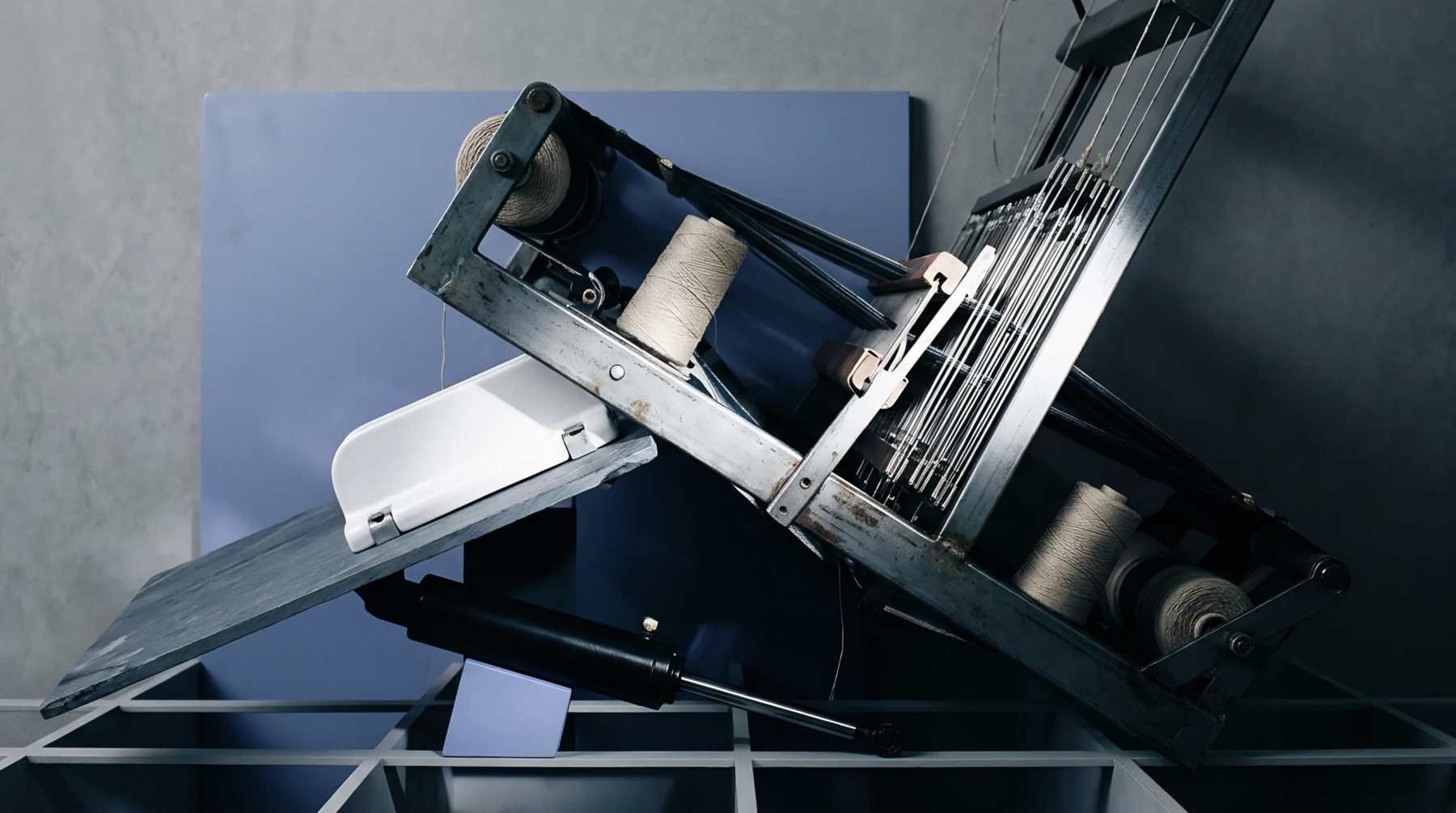
Fibre Resistance
Mechanical friction in textile processing measures the physical drag force exerted against flax strands during the high speed drafting phase of yarn production. Drop wire drag arises specifically when raw botanical filaments pull through the ceramic separators on spinning frames. Factory supervisors record this metric in the daily tension register alongside humidity values and spindle speeds.
Flax processors distinguish fibre grade variations by measuring the linear density and pectin content of the strands, whereas fabric grade evaluations depend strictly on warp count and tensile breaking load after wet finishing. The mill standard reflects internal production limits, while the export acceptance criteria follow international buyer protocols for surface regularity. Mechanical tension builds when rough cortical surfaces catch on porcelain eyelets, generating microscopic static charges that disrupt parallel alignment.
Operators adjust the weighting springs on the creel assembly to reduce excessive pulling resistance before roving passes into the wet drafting zone. Lowering the tension prevents premature filament breakage, but insufficient resistance produces uneven twist distribution across the bobbin. Spinning technicians monitor the mechanical feedback continuously during morning shifts to maintain consistent yarn geometry across every production batch.
High friction levels signal degraded ceramic guides that require immediate polishing or replacement by the maintenance crew.
Warp Tension
Weaving preparation requires precise control over linear yarn tension as individual threads unspool from the creel to form the loom beam. Drop wire drag influences this stage by creating variable resistance across individual warp ends during the sizing and beaming operations. Quality inspectors log these physical deviations on the loom state inspection sheet before sizing compounds are applied to the yarn surface.
Mill operators separate internal quality benchmarks from external customer specifications by verifying yarn hairiness against contractual thresholds. Excessive yarn drag causes localized elongation that weakens the ultimate breaking strength of finished linen cloth. Mechanical sensors detect tension spikes and halt the warping machinery automatically to prevent warp breaks during high speed winding runs.
Adjusting the braking pressure on individual creel spools compensates for variations in package diameter as material depletes from the bobbins.
Finishing Friction
Chemical and mechanical finishing transforms stiff woven linen into flexible apparel fabric through desizing, boiling and softening treatments. Drop wire drag determines how smoothly treated cloth passes through the nip rollers and drying cylinders of the finishing range. Plant managers document finishing parameters in the lot history log to ensure traceability from grey goods to export bales.
Fabric grade classifications established during loom state inspection differ from the finished handle standards evaluated by hand feel experts. Internal mill tolerances permit slight variations in surface smoothness that commercial buyers reject if the cloth fails specific drape tests. Roller speeds must match the natural elasticity of the wet linen to avoid distortion of the warp and weft interlacings.
Constant mechanical resistance ensures the bleaching agents penetrate the fibre bundles evenly without damaging the cellulose structure. Final inspection protocols confirm that surface friction remains within acceptable limits before rolls receive export clearance stamps.