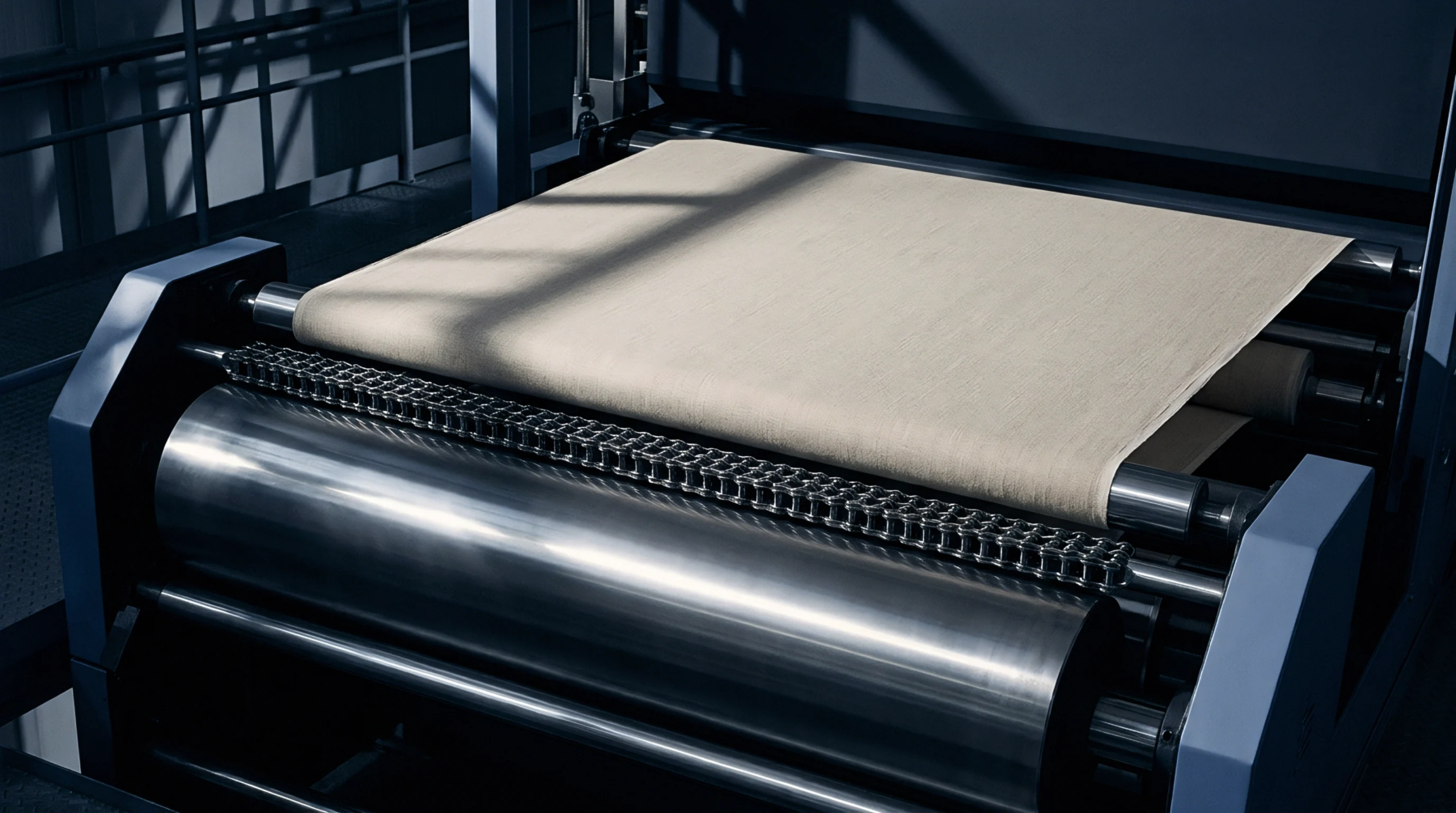
Applying Stochastic Queueing Formulas to Machine Interference in High-Speed Weaving
Finite population queueing models quantify loom interference losses, preventing over-assignment that drives down air-jet shed efficiency below economic targets.
Finite population queueing models quantify loom interference losses, preventing over-assignment that drives down air-jet shed efficiency below economic targets.

Weaver allocation balances labor wages against machine interference losses, where optimal loom-to-operator ratios maximize amortized shed efficiency.

High-speed shedding triggers pectin shear in wet spun flax, requiring dynamic tension adjustment to prevent viscoelastic decay, warp breaks, and costly stops.

Throttling air jet pressure below 0.54 MPa on linen weft cuts compressor load but spikes stoppage rates, raising net weaving cost per metre.

Optimal hydromechanical control of ultra-dense flax warps relies on balancing pectin plasticization against radial swelling to minimize shear locking.

Distinguish splice rupture from size film failure by inspecting fiber tail slip length versus parent yarn twist retention under optical magnification.

Optimizing air jet linen shedding requires asymmetric harness levelling at 26 millimetres to balance relay nozzle clearance with tension limits.

Wet-spun linen warps demand a minimum tenacity of 18.5 cN/tex with under 1.2% beaming stretch to maintain loom stop rates below 1.5 per 100,000 picks.
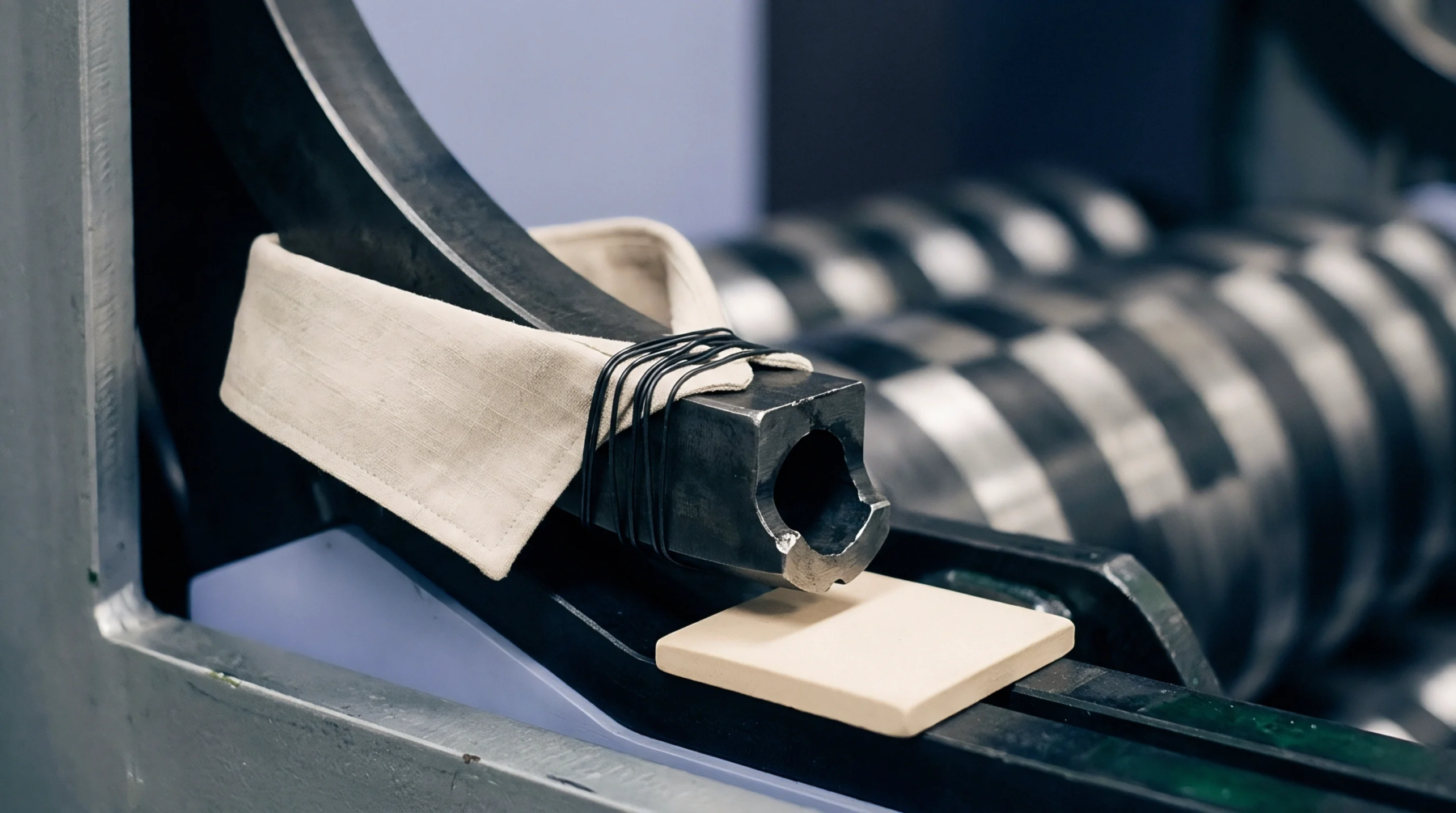
Air jet weaving of fine linen requires active back rest dampening and controlled sizing to hold dynamic tension peaks below yarn elastic limits.

Dynamic ease-off spring tuning mitigates peak tension spikes in low-elasticity linen warps, preventing yarn failure and optimizing loom efficiency.

Resolving seasonal weaving displacements requires shifting warp warps across compatible air-jet looms using strict tension, reed, and sizing adjustments.

Insertion reliability in dense wet spun linen depends on size film cohesion and precise unguided rapier trajectory to limit peak tension under 4.5 cN/tex.

Verifying substantial transformation in linen fabric requires machine-level loom allocation logs, doff records, and mass-balance yarn reconciliations.

Standard flax yarn linear density determination mandates motorized skein reeling under 0.5 cN/tex tension combined with ISO 6741 oven-dry commercial mass correction.

Fine wet spun linen warp yarns demand a minimum unsized tenacity of 19 cN/tex and a Weibull modulus above 9.0 to survive loom shedding strain without snap.

Standardized testing of flexural hysteresis and crimp balance isolates structural yarn friction, securing dimensional stability and reducing garment scrap.

Greige reed marks and starting marks map directly to reed wire spacing and loom stoppage dynamics, requiring electronic let-off adjustment to eliminate defects.

Calculating real landed fabric cost requires dividing hourly loom shed rates by efficiency-adjusted yield and adding verified yarn loss, finishing shrinkage, and freight.
Linen yarn counts and cloth weight must be verified against dry fiber mass plus standard 12 percent moisture regain to eliminate costly moisture billing errors.
ASTM D5430 four-point scoring normalises greige defects per 100 square yards, capping penalties at four points per yard to decide lot acceptance.

Booking Chinese linen loom capacity requires evaluating warp preparation bottlenecks and machine hours rather than linear metre price quotes alone.

Fine warp setts collapse loom efficiency through yarn cling and stops; buyers absorb costs via sett surcharges unless target efficiency caps are contracted.
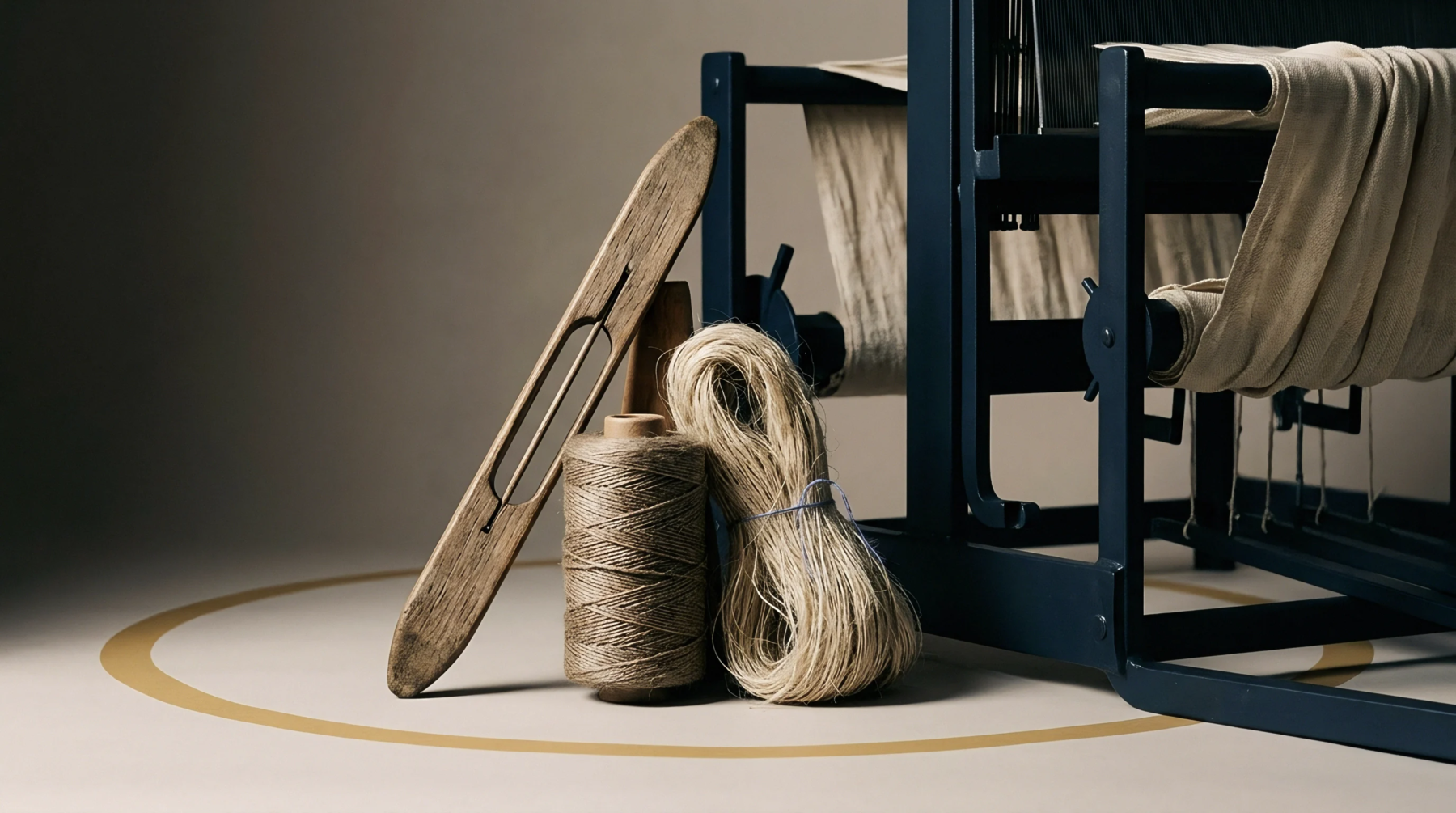
Positive rapier insertion handles low-elongation wet-spun linen warps reliably, while air-jets trigger high stop rates, pneumatic costs, and greige faults.
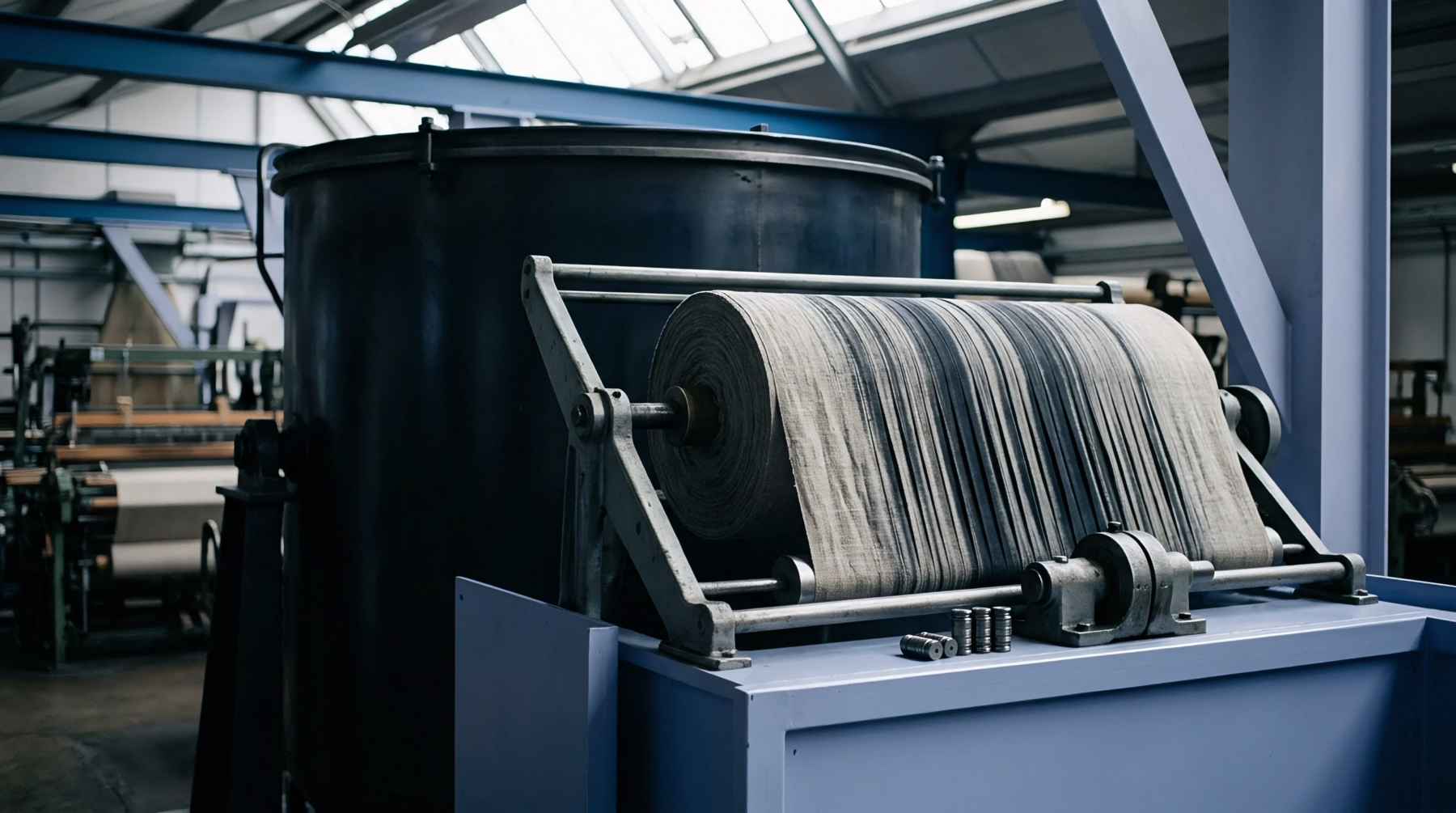
Minimum warp lengths depend on creel setup waste, sizing lead length, and loom setup hours, requiring at least 1,000 metres for viable production runs.
Expertise is a utility, not a secret. sentiention™ publishes its working knowledge as open reference: intelligence layer covering the materials it sources, the markets it enters, and the reference that serves both.