
Applying Section XI Note 7 Criteria to Borderline Linen Goods
Applying Section XI Note 7 requires auditing mill edge finishes, drawn threads, and cutting geometry to prevent high-duty Chapter 63 customs reclassifications.

Applying Section XI Note 7 requires auditing mill edge finishes, drawn threads, and cutting geometry to prevent high-duty Chapter 63 customs reclassifications.
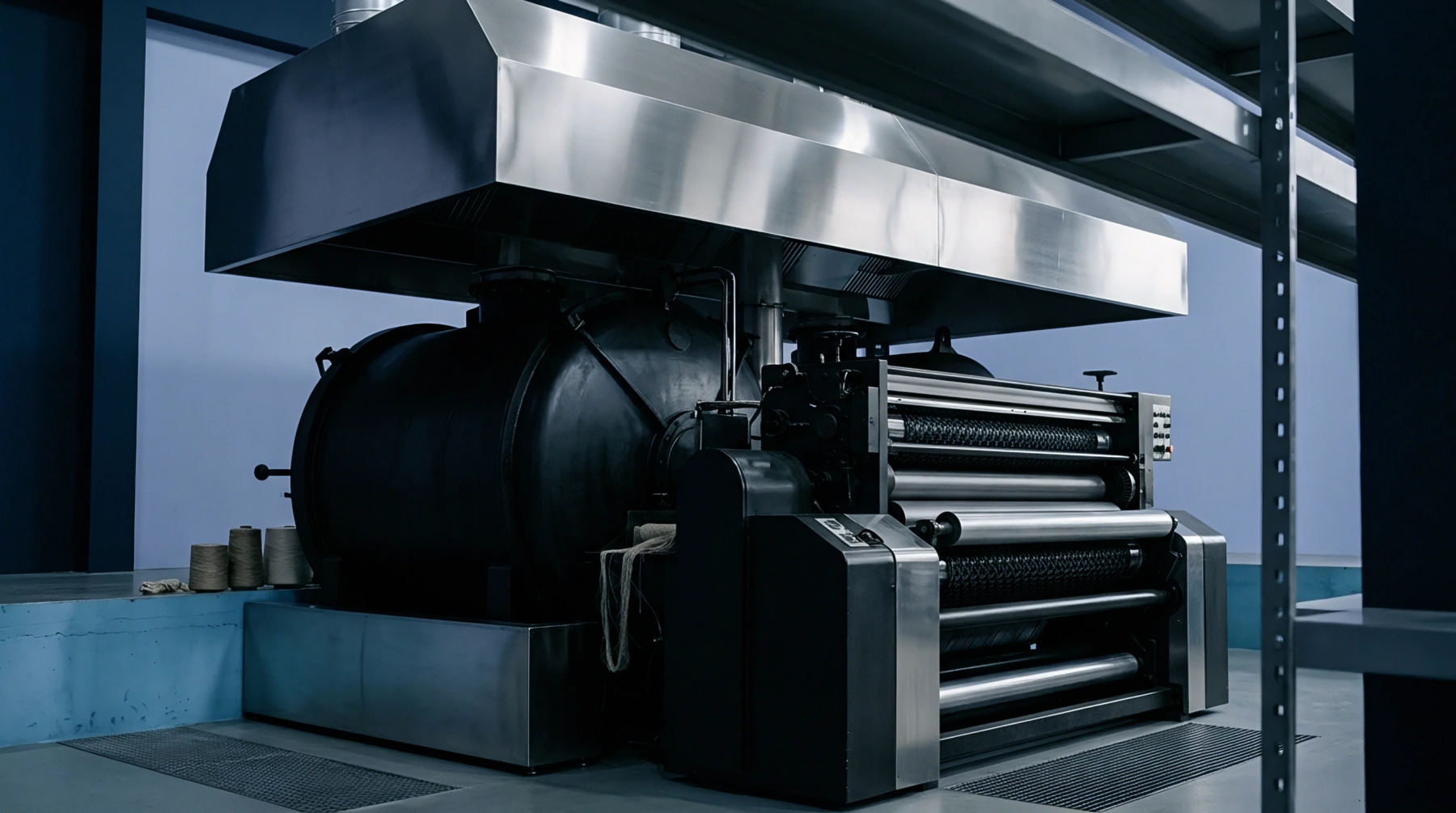
High-speed wet spinning demands sub-second pectin dissolution achieved through micro-jet boundary layer disruption and controlled calcium chelation.

Asymmetric high-tension shedding accelerates viscoelastic creep and microfibrillar fatigue in linen warp yarns, demanding precise dwell and stagger tuning to control breakage rates and fabric crimp imbalance.

Reconciling raw flax imports against spun linen output relies on oven-dry mass adjustment, hackling yield tracking, and lot-specific transaction certificates.

Optimizing relay nozzle pressure vectors, timing overlap, and reed profile clearance eliminates hairiness-induced stops in high-speed bast air-jet weaving.
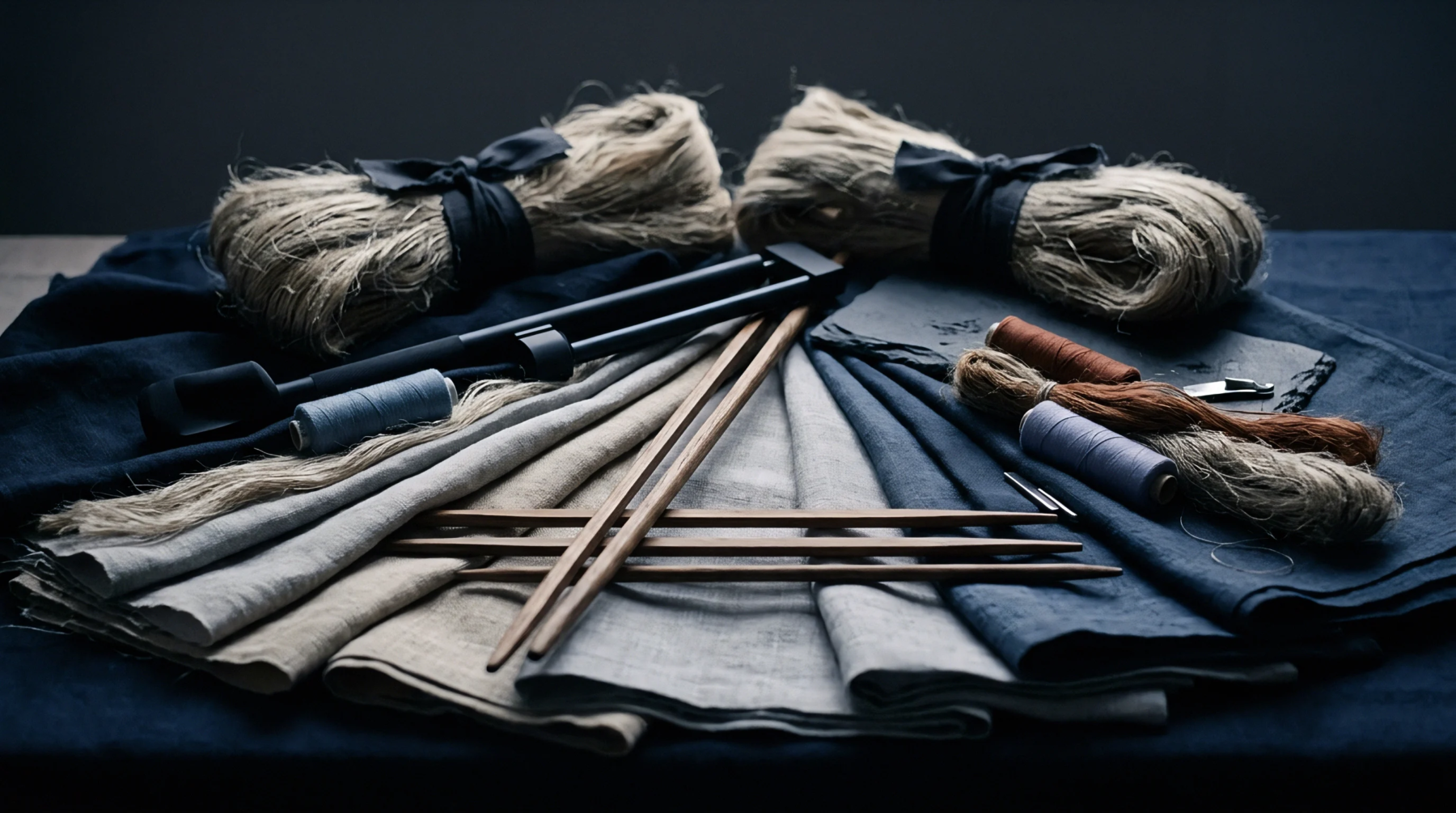
Resolving non-cellulosic encapsulation errors requires toluene-ethanol reflux and ammonium oxalate extraction to isolate true cellulosic mass for microbalance tex audits.

Auditing spinning mill mass balance requires reconciling net dry fiber intake against yarn output, waste logs, and moisture adjustments across fixed audit windows.

Electronic card fees cover digital hook mapping while loom hour output surcharges adjust metre costs for reduced insertion speed and lower shed efficiency.
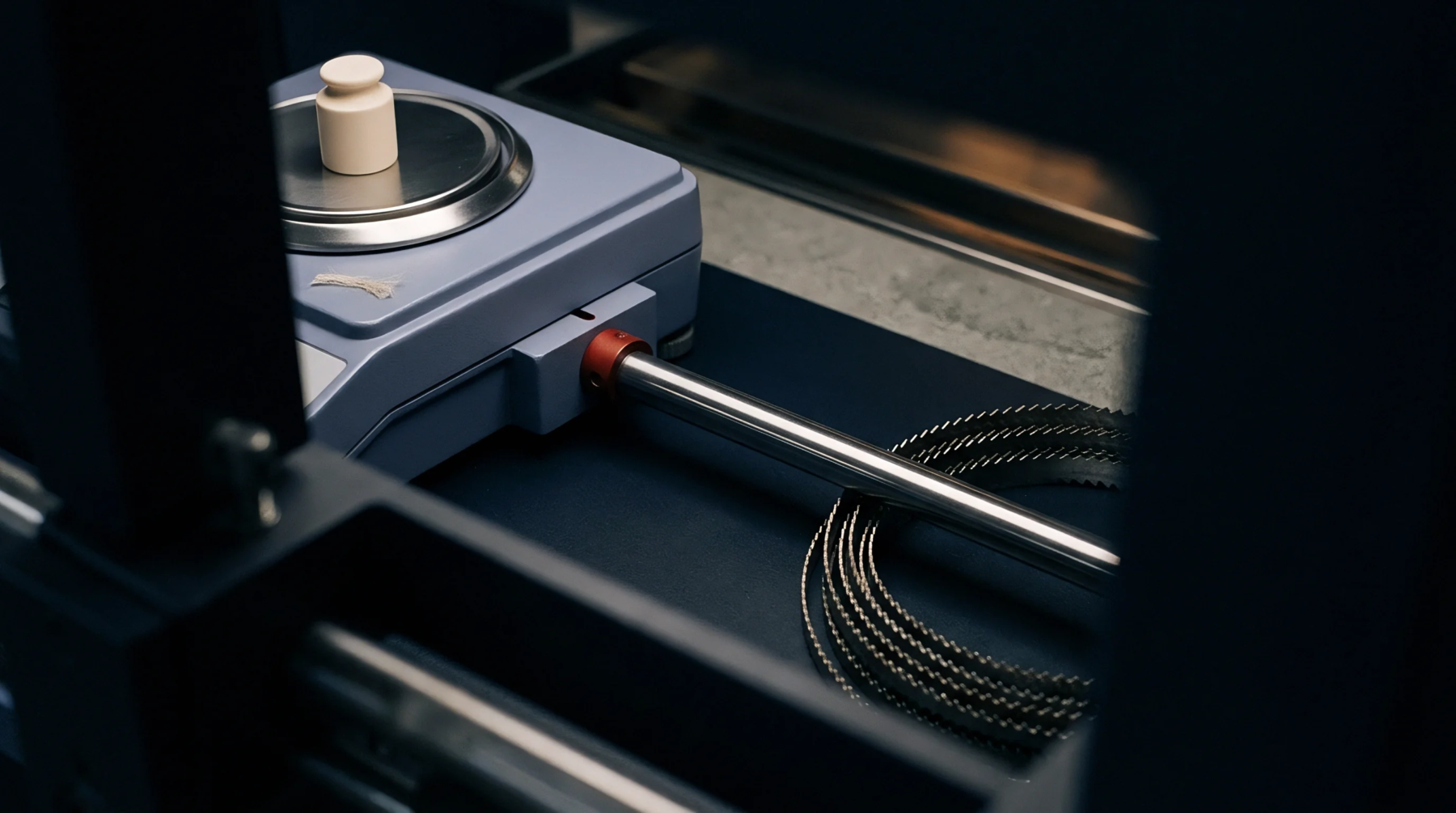
Accurate gravimetric testing of line flax linear density demands dry mass weighing and standard twelve percent regain adjustment per ISO 6741.

Reclassifying third country blended yarn under Union Customs Code requires audit files linking ISO 1833 dry mass testing to mill spinning logs.

High-draft wet spinning of fine flax roving solubilizes residual pectins into micro-cellulosic sludge, requiring strict origin pectin thresholds to prevent yarn defects.
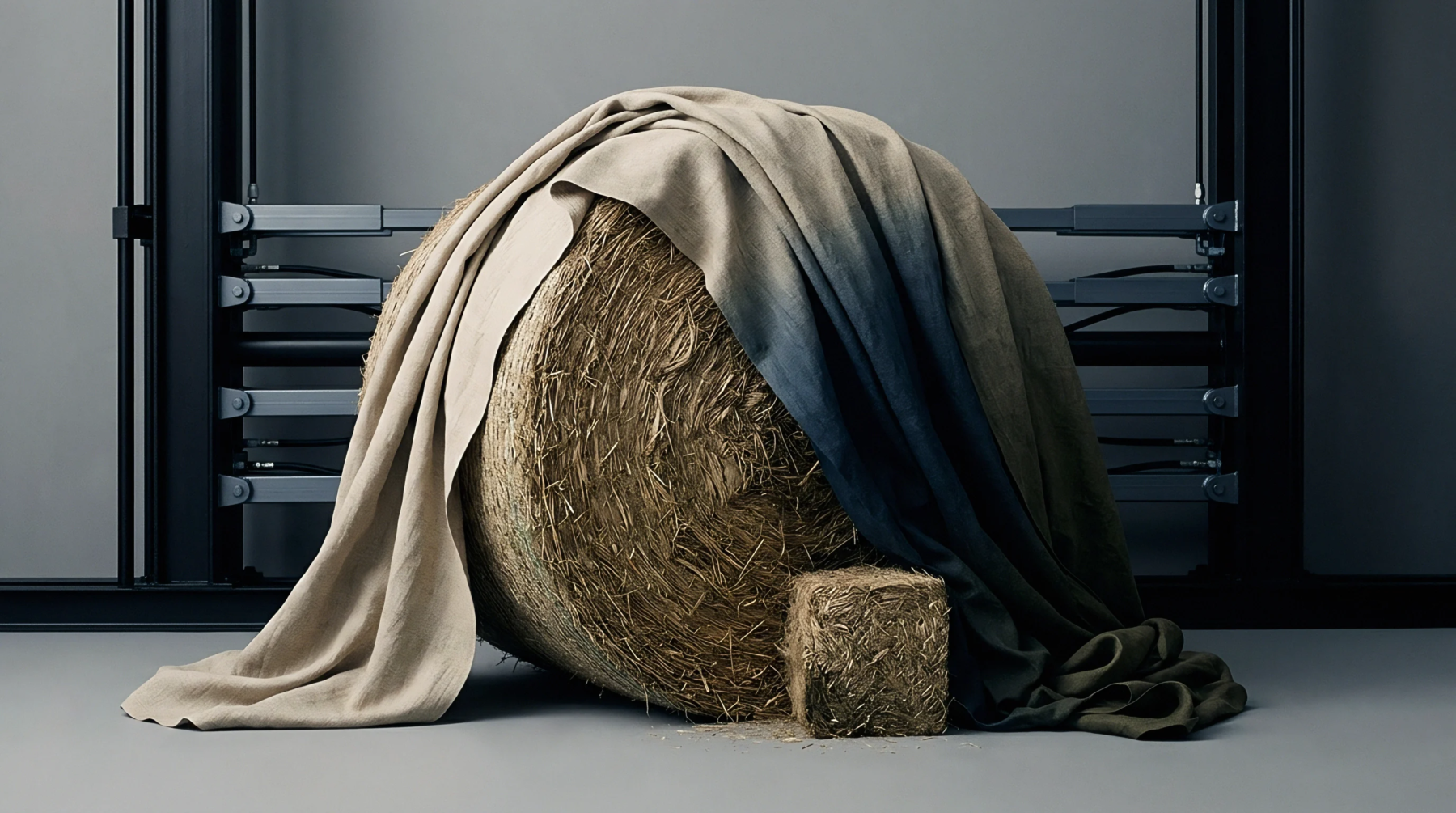
Bale opening routines verify dry mass, bundle tenacity, and shive content under ISO standards to lock in spinnable count and true fibre value before payment.

Verify Chinese-spun European Flax by validating batch-specific Transaction Certificates against mill mass balances and scutcher intake tags before payment.

Standardized testing of flexural hysteresis and crimp balance isolates structural yarn friction, securing dimensional stability and reducing garment scrap.

Non-preferential origin for woven linen textiles is conferred by the country of weaving rather than the country of agricultural flax fibre cultivation.
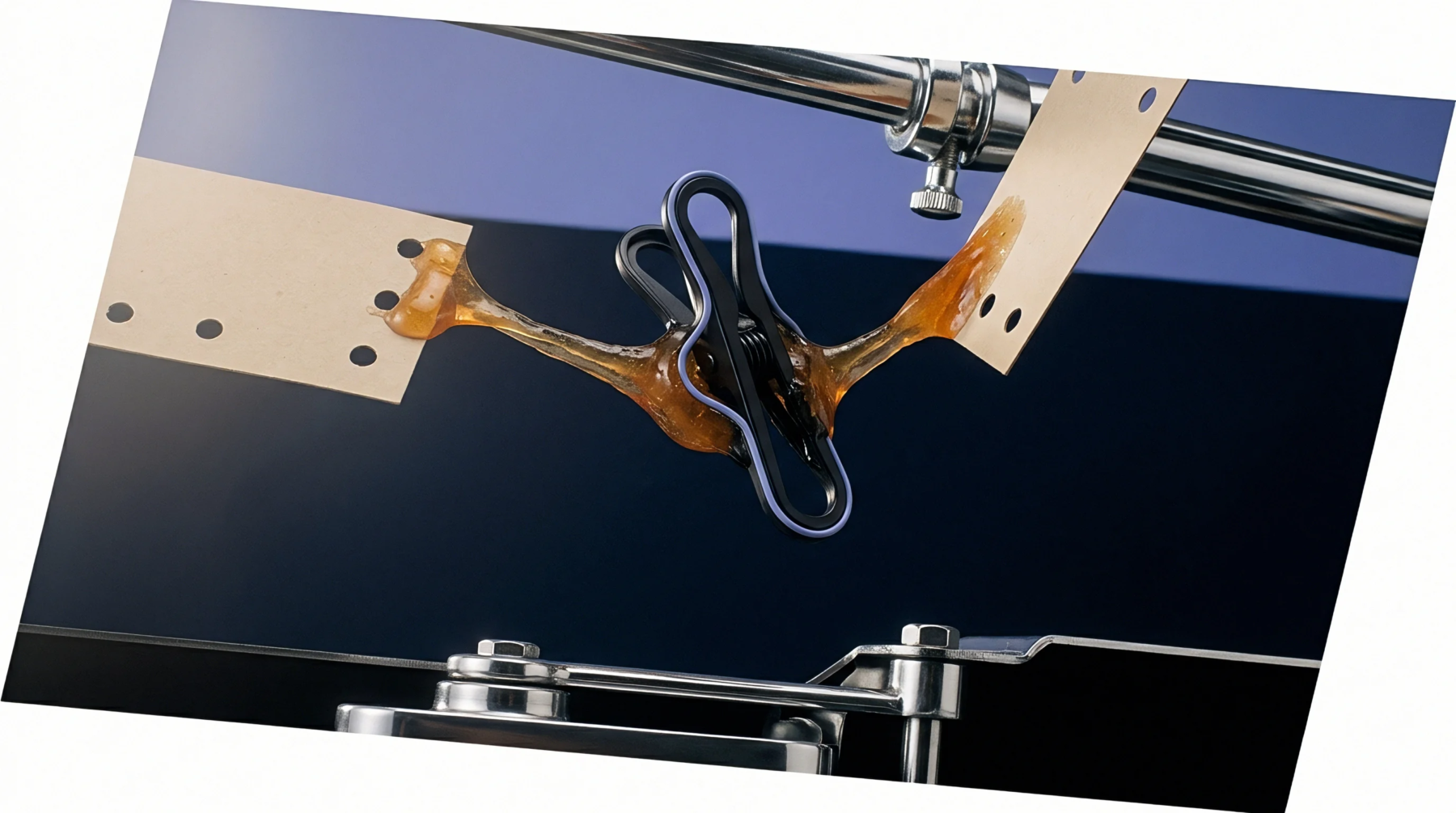
Dynamic let-off back-stepping and multi-term Maxwell relaxation modeling prevent tension-decay stop marks in dense flax warps.

Dry cellulosic yield in wet flax roving requires gravimetric tare subtraction, moisture regain adjustments, and chemical boil-off loss corrections per lot.
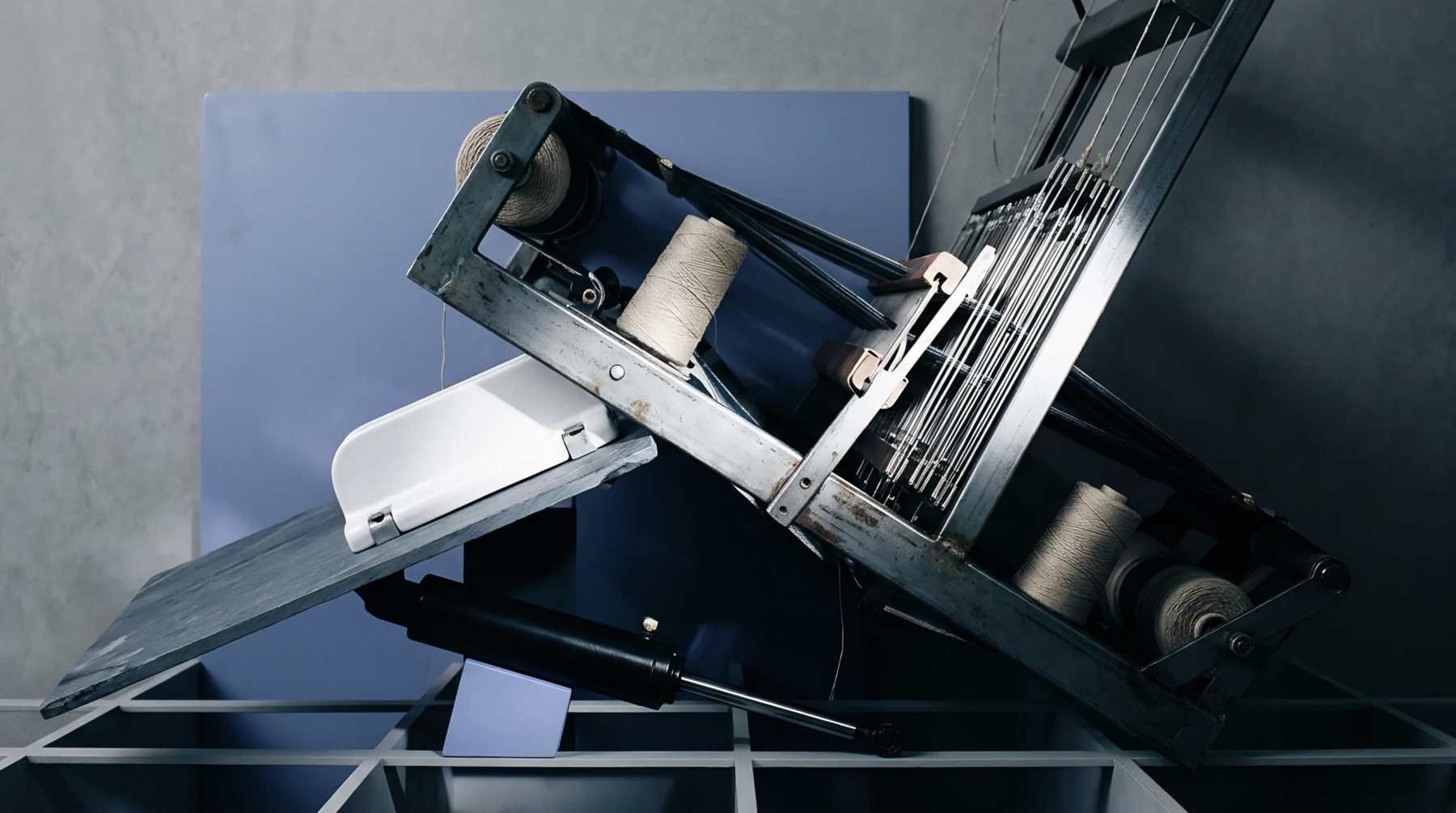
Optimizing warp sizing regain and loom shed humidity prevents brittle size film fracture, suppresses friction dusting, and maximizes high-speed weaving efficiency.

Verify scutching yield metrics and fiber alignment parameters to defend Chapter 53 customs entry declarations and eliminate origin liability.
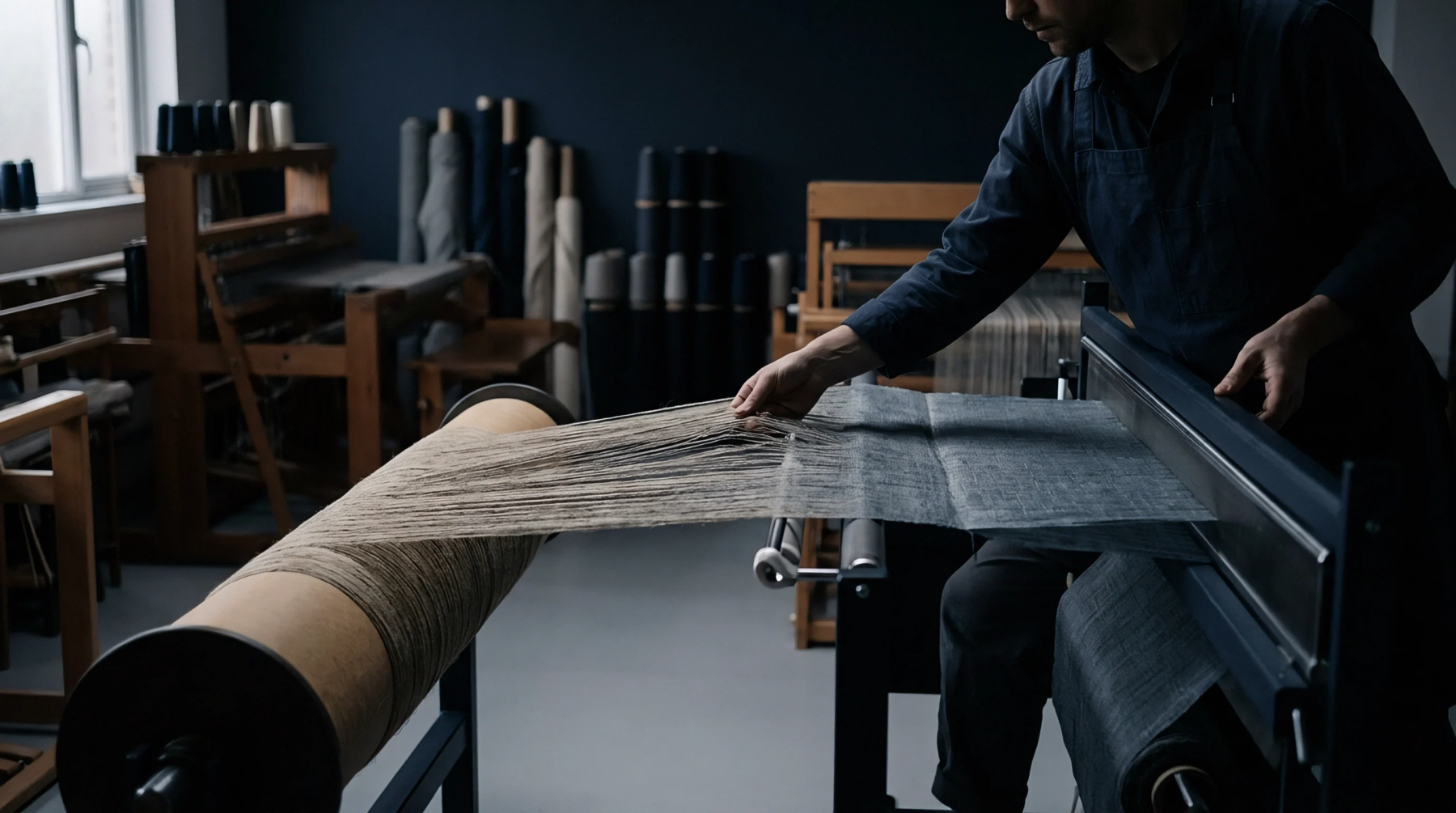
Differentiating spinning and sizing root causes requires cross-sectional microscopy and high-speed tensile testing to map size encapsulation against yarn mass variation.
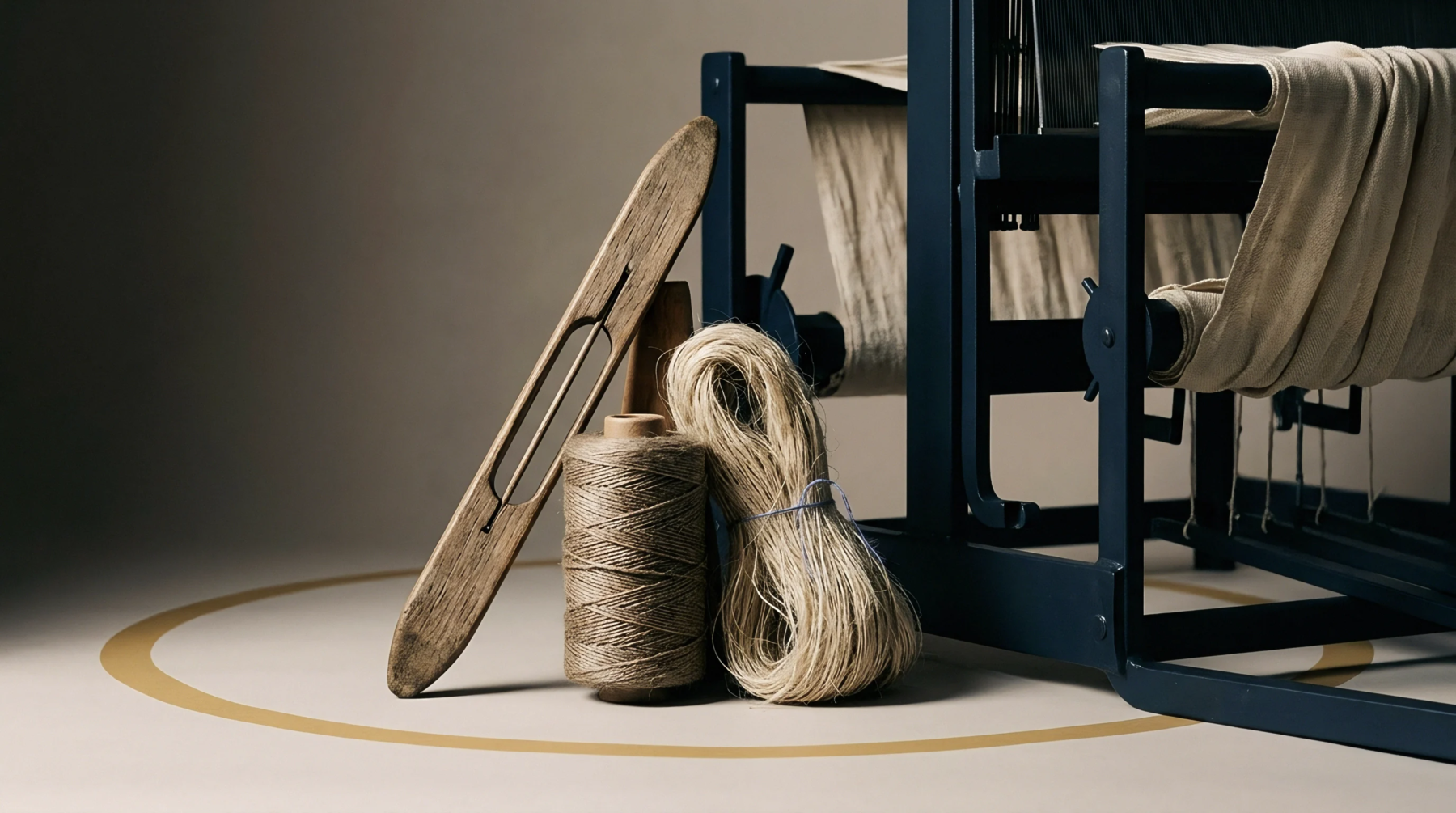
Optimizing modified starch PVA acrylic sizing formulations combined with staggered early shedding suppresses friction spikes and stabilizes fine wet spun linen warps.

Determining dry mass regain in flax roving requires 105°C thermal drying coupled with solvent extraction corrections to separate water loss from spinning oils.

Calculating multi-machine allocation penalties in high-density flax weaving requires auditing loom sensor response times against interference efficiency formulas to penalize unabsorbed overhead and defect downgrades caused by operator overburden.

Accurate mass accounting in wet flax spinning requires deducting 3.5% solubilized pectin and micro-fiber sludge from dry input weights to verify yarn origin claims.

Reed width contraction and warp crimp take-up in linen weaving require dynamic adjustment of loom tension and denting space to offset flax inelasticity.

Auditing wet spinning bath dissolution losses requires continuous tracking of trough temperature, pH, and dissolved solids to correct dry mass yield balances.

Transaction certificate verification requires moisture-adjusted mass-balance reconciliation across processing nodes, backed by isotopic testing and contractual warranties.

Determining customs tariff classifications for raw linen fibres requires precise physical identification of retting, scutching, and hackling processing stages under HS heading 5301.

Optimizing fine bast warp sizing with PVA acrylic blends and gentle rapier kinematics lowers loom stoppages below 1.5 breaks per 100,000 picks.

Resolving isotopic discrepancies requires nitrating yarn cellulose to remove process water hydrogen signals before testing structural strontium and oxygen isoscapes.
Expertise is a utility, not a secret. sentiention™ publishes its working knowledge as open reference: intelligence layer covering the materials it sources, the markets it enters, and the reference that serves both.