Fibre Uniformity
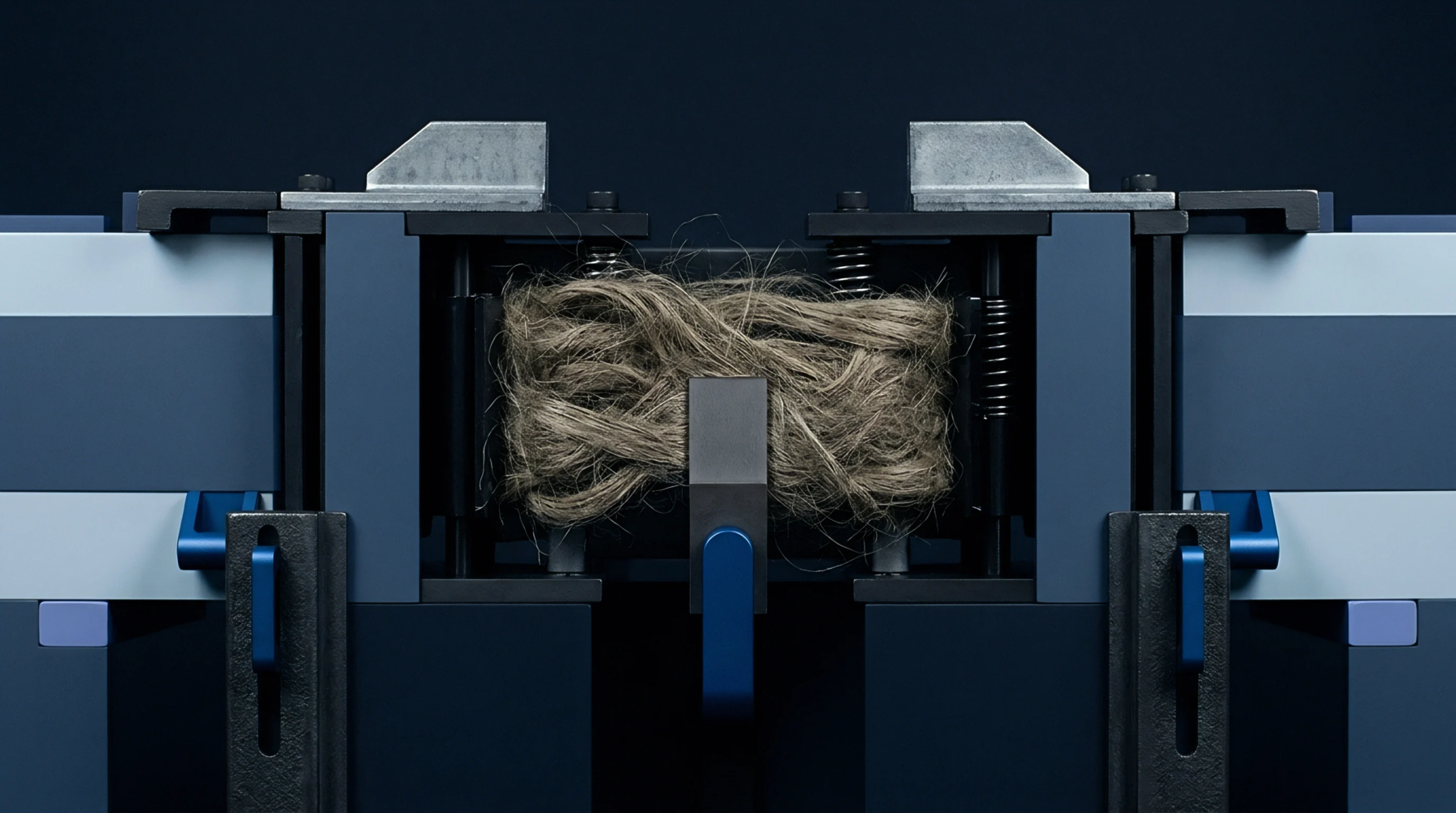
Parallelized bast strands emerge from mechanical preparation for wet spinning as combed line sliver, carrying parallel filaments that demand precise linear density control before drafting. Mill technicians record strand mass variation across delivery aprons inside daily production logs, establishing baseline parameters that distinguish intermediate bast ribbons from finished yarns. Raw flax lots undergo preliminary cleaning before drawing frames align ultimate cells into continuous ribbons, isolating short tow waste from long parallel fibres destined for high-count linen yarn.
Technicians separate the graded sliver output from lower-grade carded material through micronaire testing and visual inspection under standardized daylight lamps. Acceptance thresholds for export mills depend strictly upon buyer specifications rather than internal production targets, separating commercial contracts from internal mill grading practices.
Drafting Dynamics
Parallel alignment improves as drafting rollers attenuate the continuous strand by drawing individual bast cells past one another under controlled pressure. Slippage between adjacent filaments disrupts linear density if roller weighting drops below mechanical tolerances specified for fine linen production. Fiber length distribution inside the ribbon determines drafting sliver performance on wet spinning frames, where warm water baths soften natural pectins bonding ultimate cells together.
Operators adjust intermediate twist levels to prevent premature breakage of weakened strands passing through high-speed delivery funnels.
Export Compliance
Final bales destined for international textile markets undergo laboratory verification to confirm that residual vegetable matter and foreign contamination remain within contracted limits. Importers inspect physical certificates issued by independent testing houses before releasing payment letters of credit for shipments of prepared flax materials. Commercial disputes arise when moisture regain values deviate from standard conditioning norms established for maritime transit across varying climate zones.
Final quality verification establishes the commercial value of prepared flax exports before spinning mills transform intermediate slivers into woven linen fabrics.