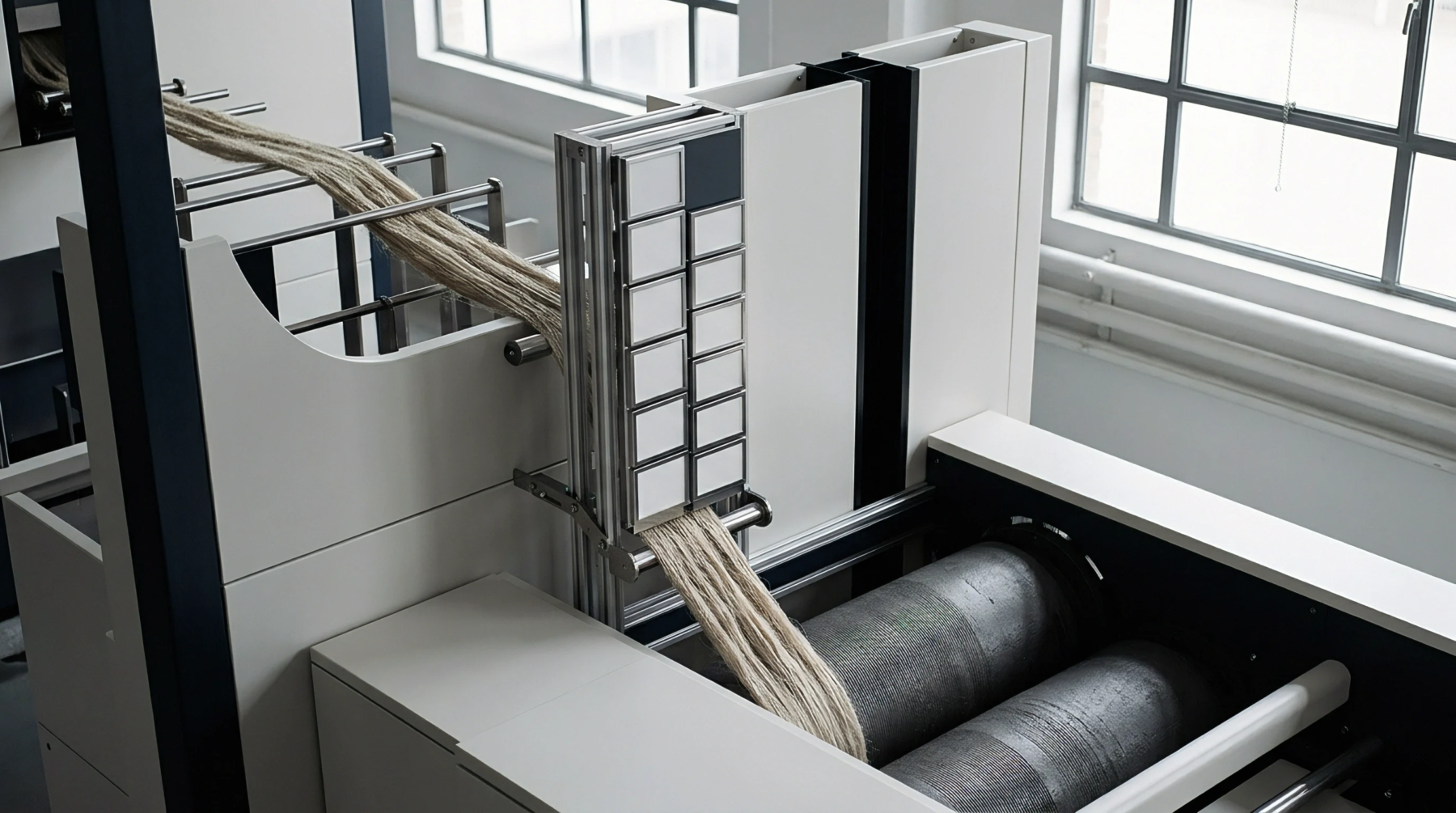
Optimizing High Density Linen Weaving Efficiency through Basic Operator Allocation Frameworks
Adjusting weaver loom allocations based on high-density flax warp end-break rates maximizes loom-hour output and prevents stop-mark quality losses.
Adjusting weaver loom allocations based on high-density flax warp end-break rates maximizes loom-hour output and prevents stop-mark quality losses.

ASTM D5430 demerit scores for wide linen twills normalize defect counts per 100 square yards or metres to enforce commercial lot acceptance thresholds.

Standard four-point greige perches require a 45-60 degree tilt, 1200+ lux D65 lighting, synchronized tension drive, and strict ASTM D5430 demerit point scoring.

Resolving seasonal weaving displacements requires shifting warp warps across compatible air-jet looms using strict tension, reed, and sizing adjustments.
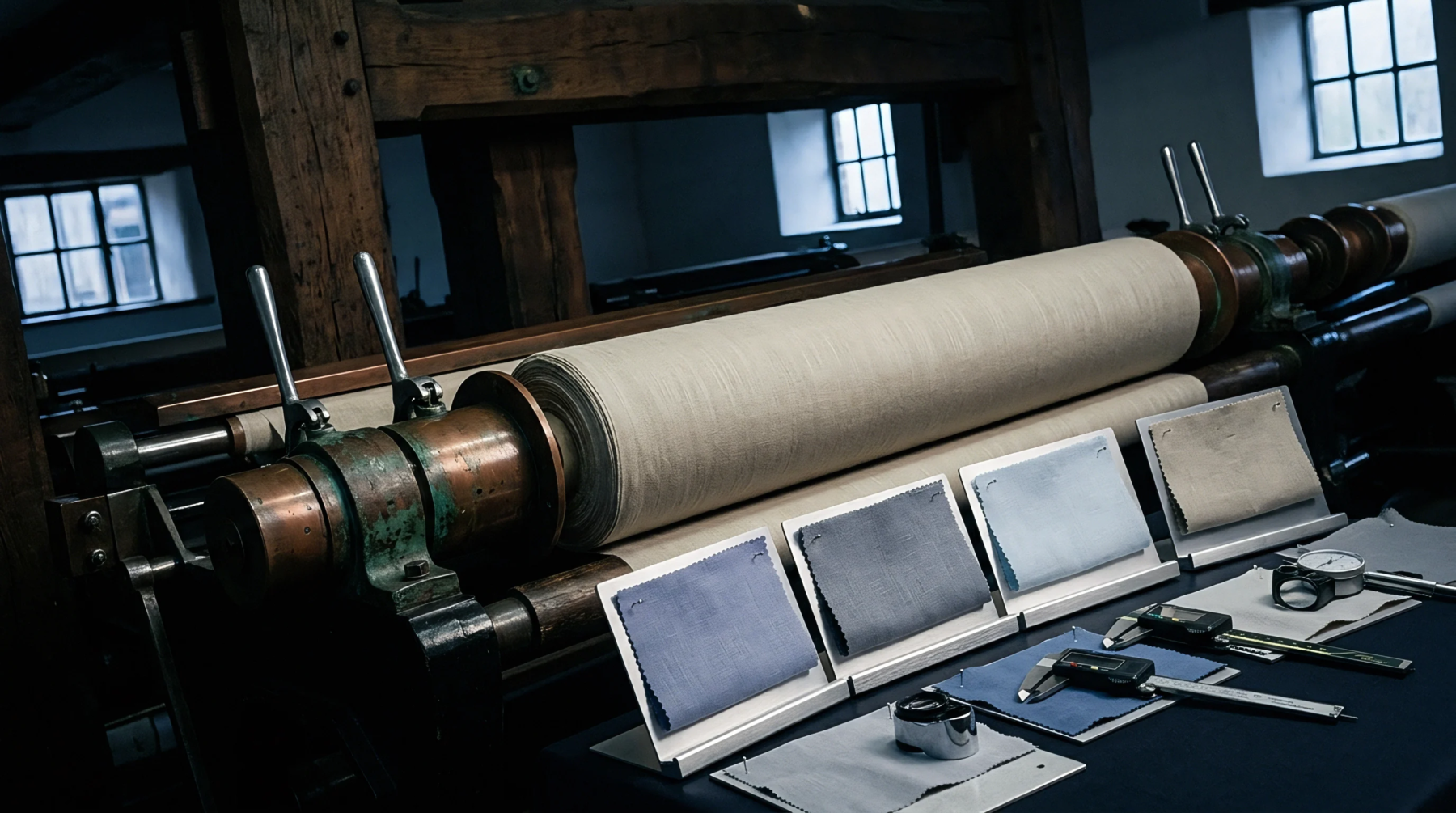
Standard cantilever testing and four-point inspection verify greige cloth stiffness and fault densities to enforce contract specifications before finishing.

Insertion reliability in dense wet spun linen depends on size film cohesion and precise unguided rapier trajectory to limit peak tension under 4.5 cN/tex.
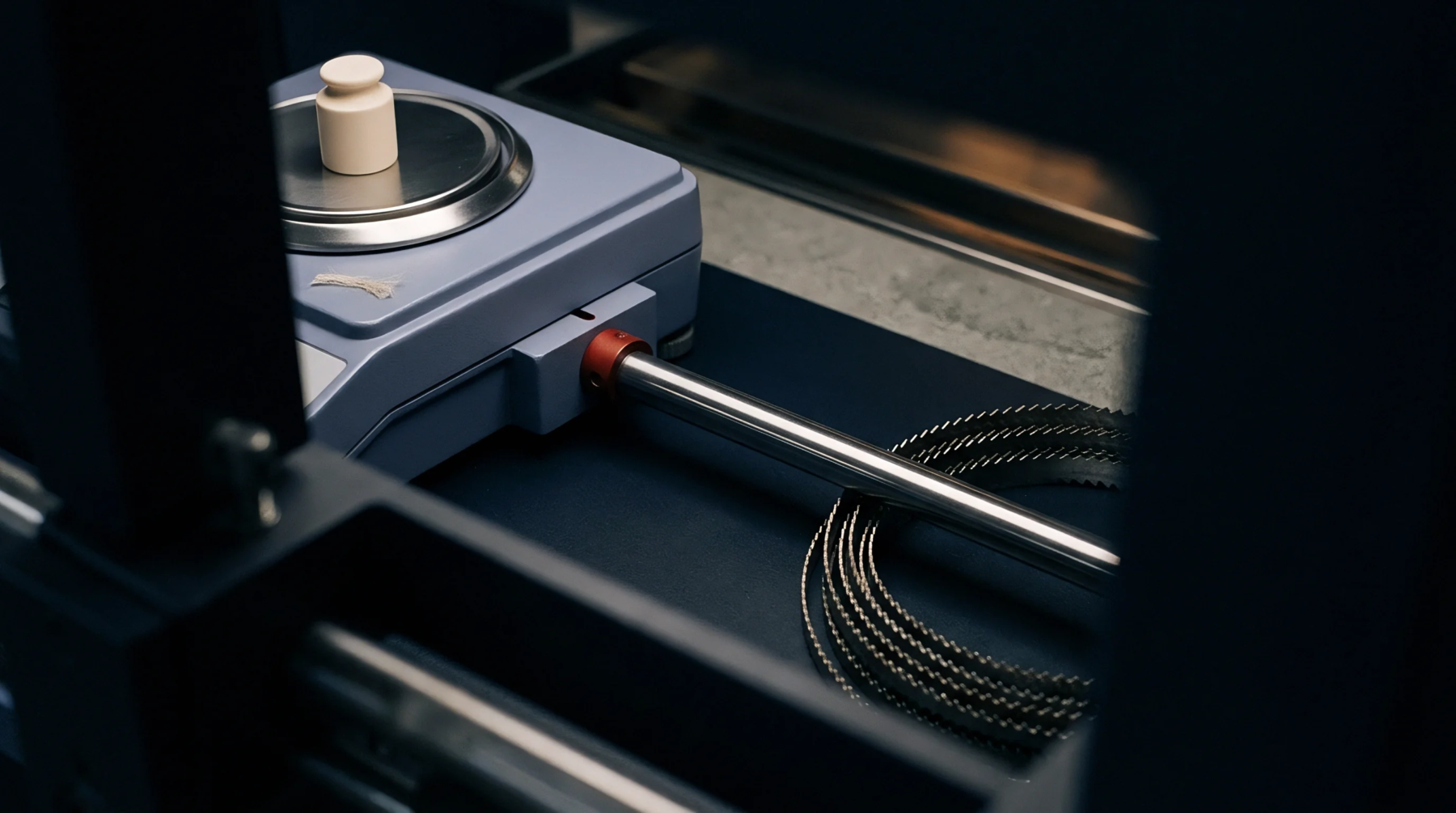
Ultra-high-speed rapier insertion causes non-linear yarn dynamic degradation and micro-slippage that requires optimized clamping and sizing to prevent shed stops.

Converting hand-loom swatches to rapier loom specs requires rebalancing warp crimp, sizing single yarns, and setting weft brakes to hold cover factor at speed.
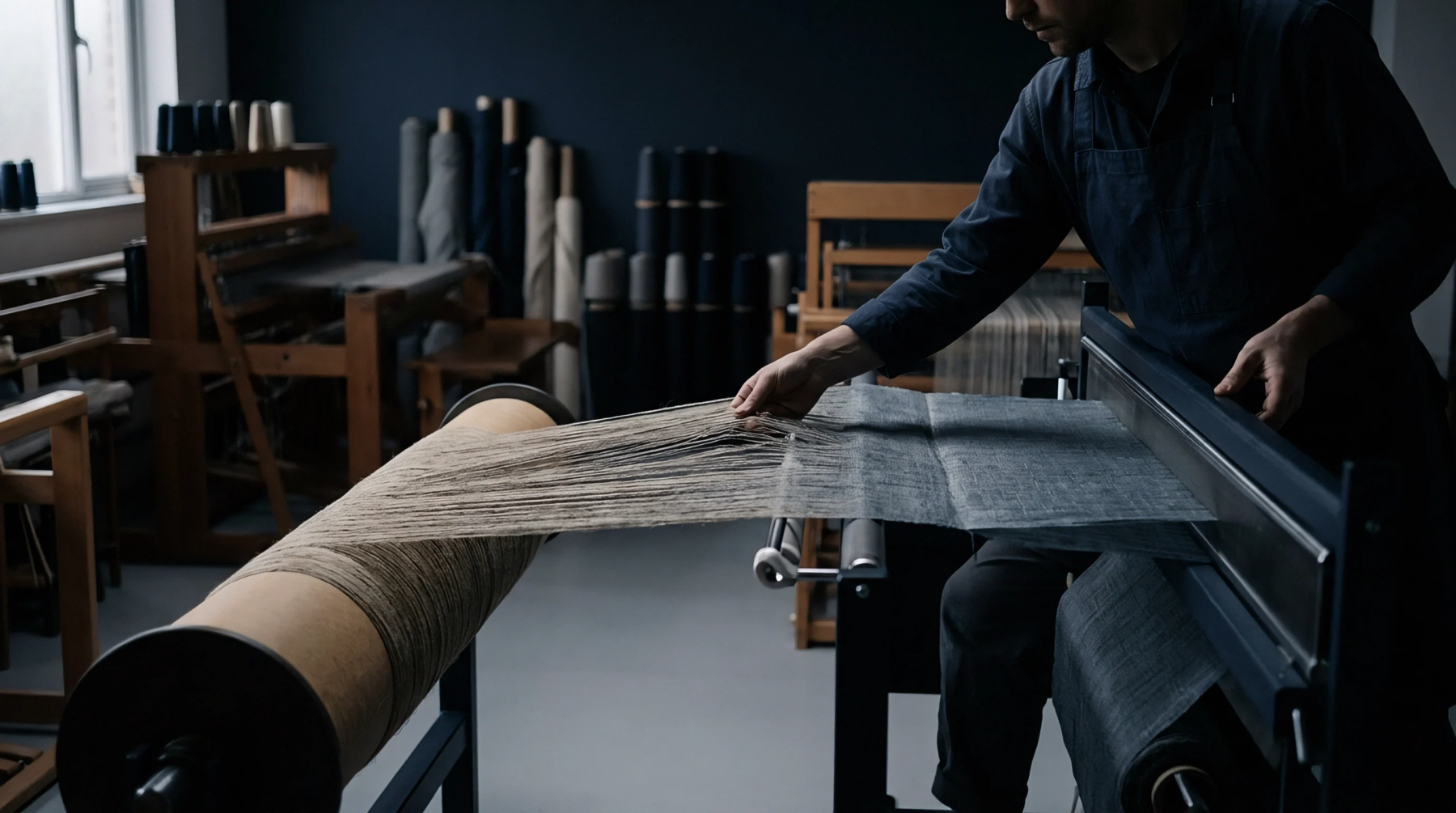
Differentiating spinning and sizing root causes requires cross-sectional microscopy and high-speed tensile testing to map size encapsulation against yarn mass variation.

Engineering accurate linen fabric specifications requires coupling loom crimp take-up equations with wet process shrinkage factors to fix finished GSM and width.

Calculating real landed fabric cost requires dividing hourly loom shed rates by efficiency-adjusted yield and adding verified yarn loss, finishing shrinkage, and freight.
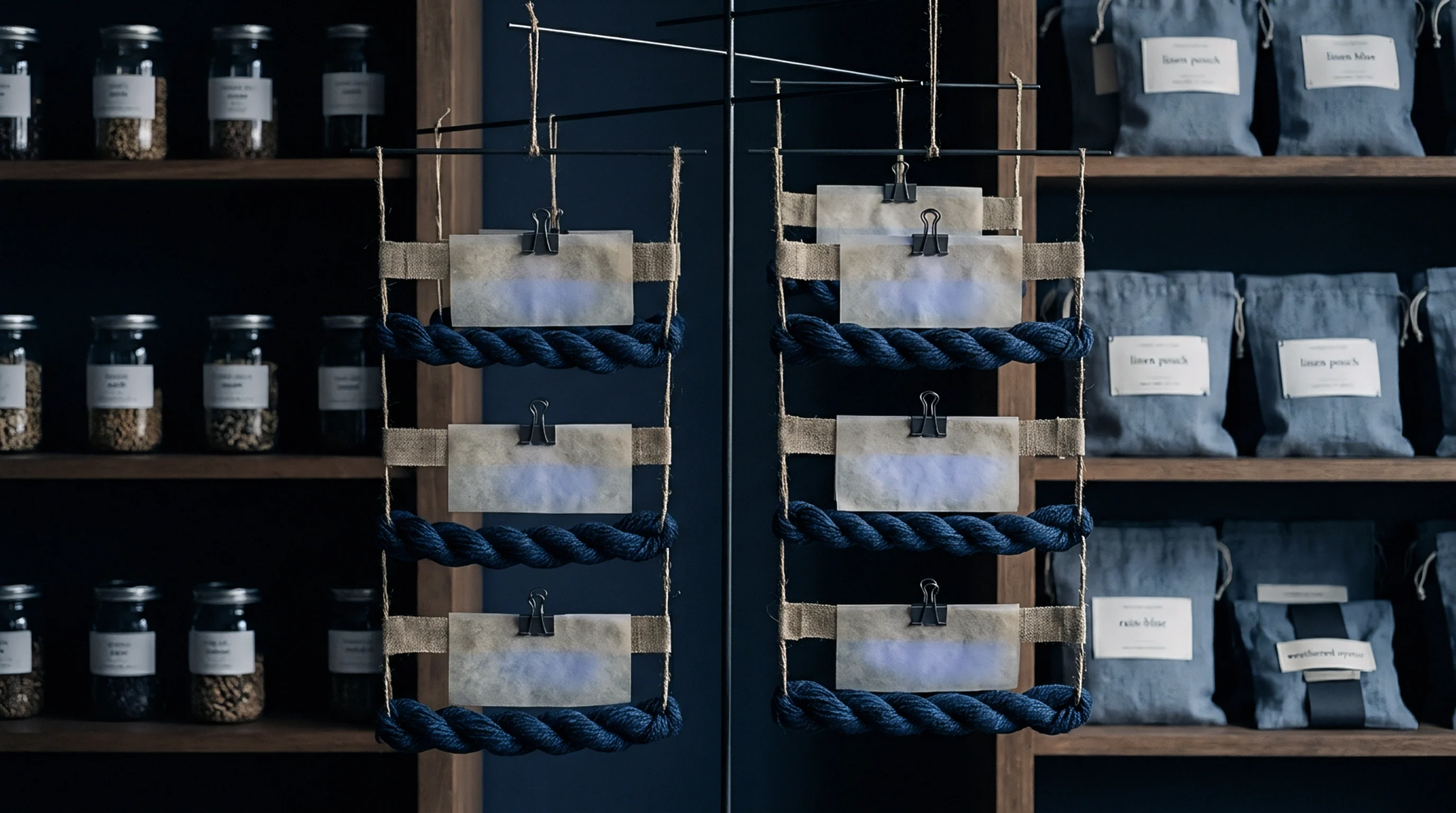
Yarn friction defect liability caps at 200 percent of raw yarn value based on verified ASTM D3108 friction test failures and digital loom stop records.
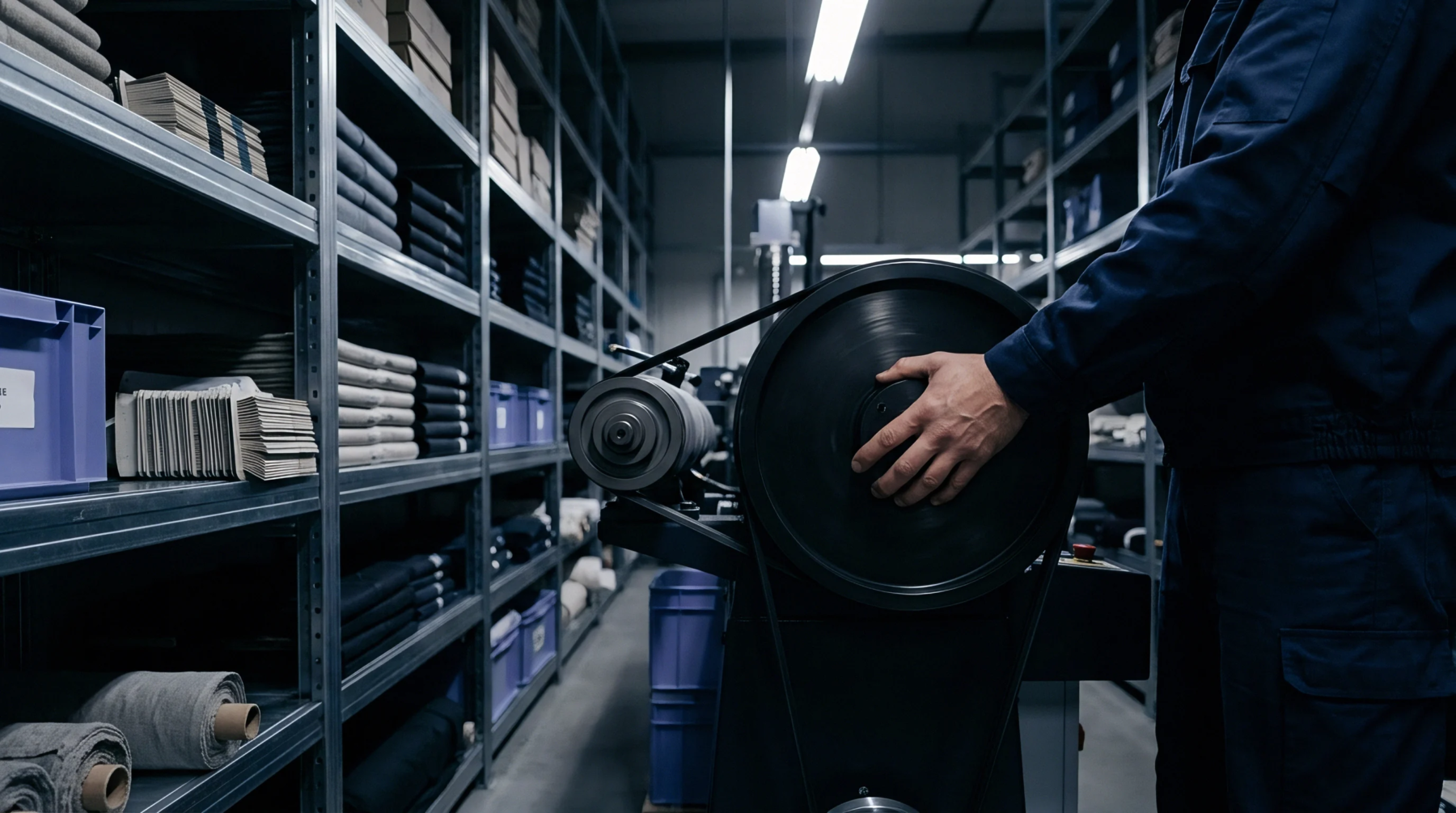
ASTM D5430 four-point scoring normalises greige defects per 100 square yards, capping penalties at four points per yard to decide lot acceptance.

Unplanned linen warp breaks increase loom hour costs through weaver repair delays, reduced speed, and greige set marks that trigger four-point demerit downgrades.

Booking Chinese linen loom capacity requires evaluating warp preparation bottlenecks and machine hours rather than linear metre price quotes alone.

Transitioning hand-loom samples to automated looms requires increasing warp cover factor and tuning shed dynamics to withstand high-speed night-shift tension.

High sett warp contracts reconcile unplanned loom downtime and greige demerit credits by balancing loom hour overhead against four point defect penalties.

Standardized greige inspection combines calibrated D65 illumination and 4-point scoring to convert visual cloth defects into precise commercial deductions.

Sectional warping batch inspection requires matching drum cone angles to yarn build and scoring periodic band faults under strict four point penalty thresholds.
Expertise is a utility, not a secret. sentiention™ publishes its working knowledge as open reference: intelligence layer covering the materials it sources, the markets it enters, and the reference that serves both.