
Thermogravimetric Regain Analysis in Bast Fibre Trade
Thermogravimetric regain analysis separates true water loss from volatile lipid mass shifts, protecting flax yarn invoices against artificial moisture inflation.
Thermogravimetric regain analysis separates true water loss from volatile lipid mass shifts, protecting flax yarn invoices against artificial moisture inflation.

Establishing optical fibre diameter standards for flax line requires snippet length control and distribution metrics to predict wet-spinning counts accurately.
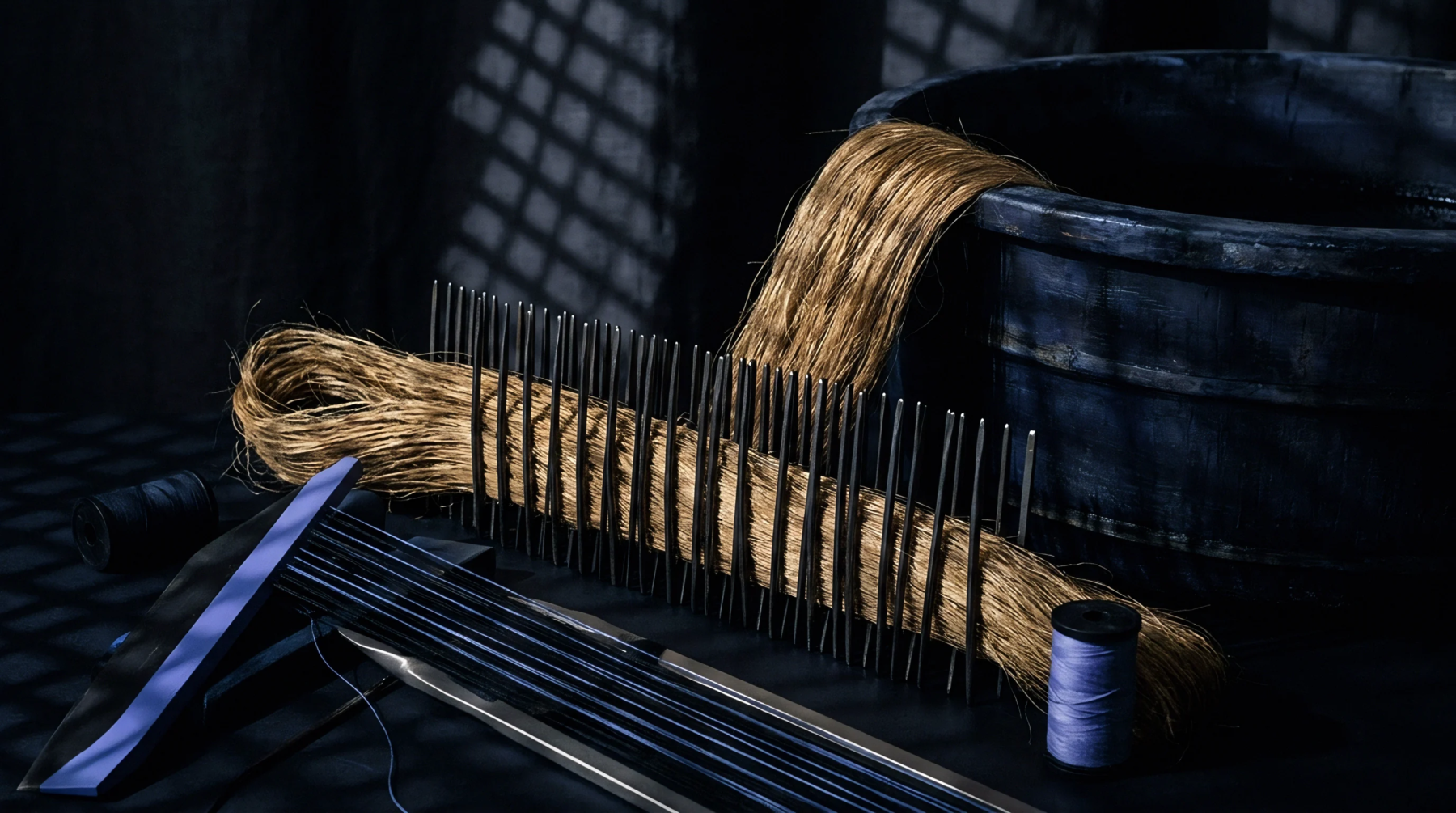
Optimal line hackling requires 11.5% to 13.0% regain to minimize pin penetration resistance, limit transverse fibre breakage, and maximize long-line sliver yield.

Controlled enzymatic retting degrades middle-lamella pectin while preserving core microfibrils, increasing hackled line yields and yarn fineness limits.
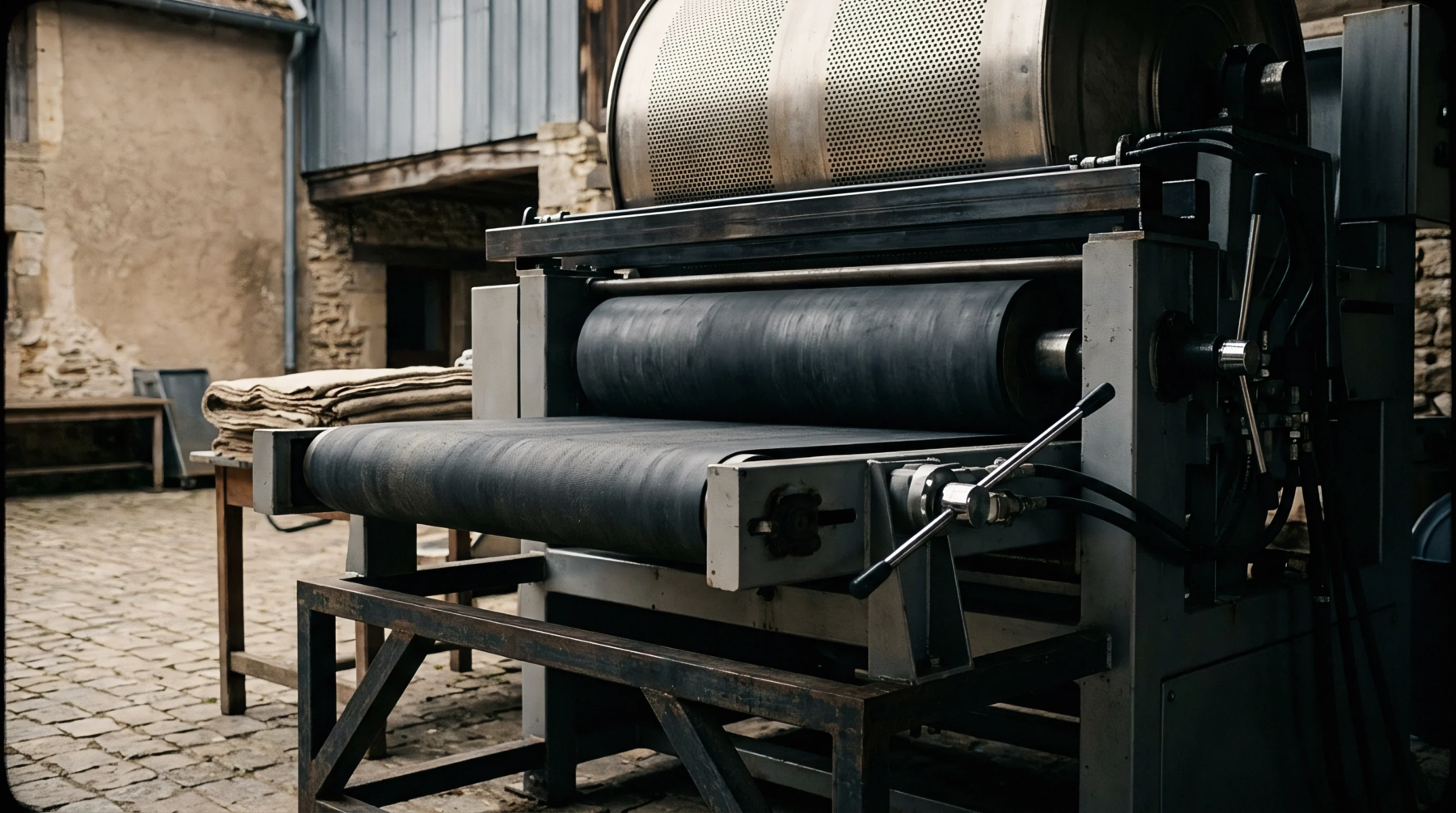
High-frequency dielectric sensing detects hidden core wetness in scutched flax bales to prevent hackling yield loss and commercial mass overpayment.

Effective calcium chelation during warm-water retting breaks middle-lamella pectates, boosting hackled line yield above 48% and preserving wet-spinning tenacity.

Hackling tow loss derives from integrating mass-based staple length distribution curves below the eighty millimeter cutoff against pin density dynamics.

Airflow porosimetry on cut bast stricks determines bundle fineness and spinnable count by measuring differential pressure across an isotropic chopped plug.

Interfacial pectin degradation governs flax bundle shear transfer, dictating hackling line yields and maximum spinnable yarn count before tensile failure.

Interlaboratory airflow divergence stems from specimen prep and moisture bias, distorting hackling yields and demanding strict referee testing clauses.
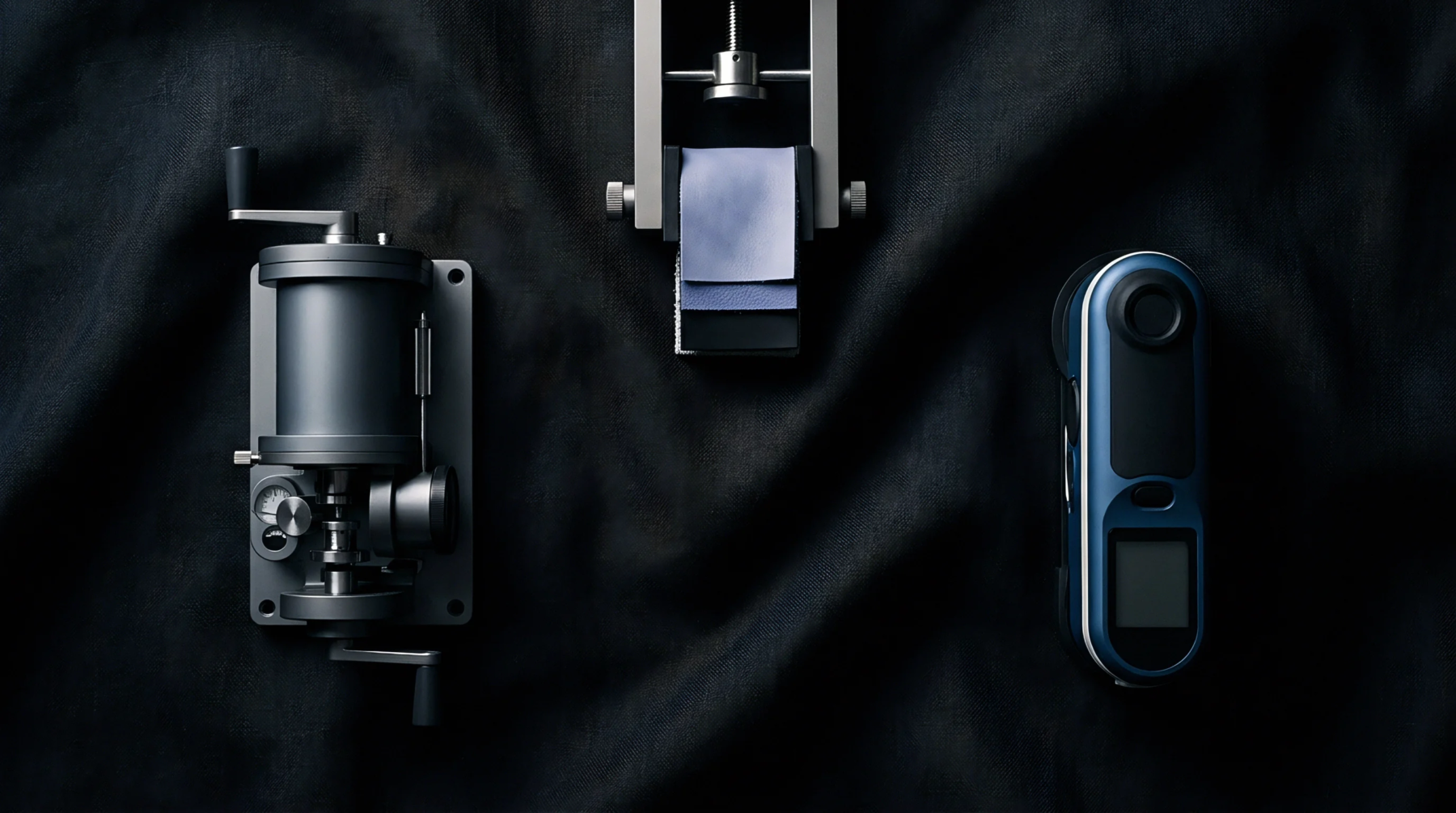
Airflow instruments measure specific surface area to rapidly determine flax bundle metric count, predicting spinning limits and hackling yield.

Relative humidity during hackling governs pectin plasticization, directly dictating whether gravimetric fineness translates to long line yield or tow waste.

Flax bundle tex governs hackling outturn: finer bundles yield over 50 percent long line sliver, cutting net sliver cost and unlocking counts above Nm 50.

Optimizing hackle pin shear stress below 18 MPa splits pectin lamellae cleanly, maximizing fine line yield while preventing elementary fibre micro-fractures.

Scutched flax length arrays dictate hackling yield and draft limits, where span length and dispersion metrics set the achievable wet-spun yarn count limit.

Cellulose microfibril angle dispersion drives transverse cell wall cleavage under pin shear, reducing dressed long line flax yield by up to 16 percentage points.

Comb array length analysis predicts hackling long-line yield, tow waste, and spinnable count limits to establish true landed cost per finished metre.

Spectrophotometric galacturonic acid assays overestimate retting degree unless corrected for neutral sugar and phenolic background interference.

Selective pectin degradation paired with tuned hackling pin density maximizes fibre bundle separation while retaining staple length for fine wet spinning.

Hackling yield calculations convert scutched line flax mass into spinnable sliver through precise moisture regain corrections and mechanical tow loss balancing.
Expertise is a utility, not a secret. sentiention™ publishes its working knowledge as open reference: intelligence layer covering the materials it sources, the markets it enters, and the reference that serves both.