
Ocean Transit Moisture Loss Accounting for Scutched Fibre Container Consignments
Settle scutched flax invoices on oven-dry mass plus twelve percent legal regain to eliminate ocean transit desiccation deductions at receiving mills.

Settle scutched flax invoices on oven-dry mass plus twelve percent legal regain to eliminate ocean transit desiccation deductions at receiving mills.

Resolve linen grading disputes by locking inspection light to 1200 lux, separating natural flax slubs from loom faults, and defining width-loss calculation rules.
Scutcher weighbridge tickets determine raw transit mass, while ISO 6741 oven-dry tests apply 12.0% commercial regain to fix true invoiced linen fibre weight.

ASTM D5430 Option B divides defect points directly by linear meters, requiring width-adjusted thresholds to prevent wrongful rejection of wide linen goods.
Interlaboratory airflow divergence stems from specimen prep and moisture bias, distorting hackling yields and demanding strict referee testing clauses.

ASTM D5430 greige grading caps penalty points at four per yard and rejects lots exceeding contractual demerit ceilings per hundred square units.

Reconciling isotopic signals in flax-cotton fabric audits requires chemical alpha-cellulose isolation, linear mixing models, and complete mill records.

Controlled 11% regain prevents bast matrix delamination, cutting loom stops to under 1.5 per 100k picks to secure full shed efficiency.

Specific surface area converts to wet spun yarn metric count by calculating equivalent bundle diameter and applying cross-sectional fibre population limits.

Airflow fineness measurement on hackled flax converts pneumatic resistance to metric count, requiring retting-specific calibration to avoid spinning failures.

Uncorrected airflow fineness overstates flax spinnability by measuring collapsed lumen perimeters as external surface area rather than true gravimetric linear mass.

Controlled lubricant chemistry and ambient stability prevent ceramic guide friction spikes, eliminating warp breaks and beam density defects at high speeds.
DNA extraction limits in bleached and dyed flax fall below detection thresholds, shifting provenance proof entirely to transaction documents.

Controlled moisture regain between 10.5 and 12.5 percent combined with dynamic load-cell let-off feedback prevents brittle warp breakage in high-speed linen weaving.

Dynamic friction and lateral harness splay create wide-width warp tension gradients, requiring viscoelastic modeling to prevent edge breaks and defect scrap.
Multi-element isotope analysis separates Western European flax from diluted blends when verified against mill mass balances and pure cellulose baselines.
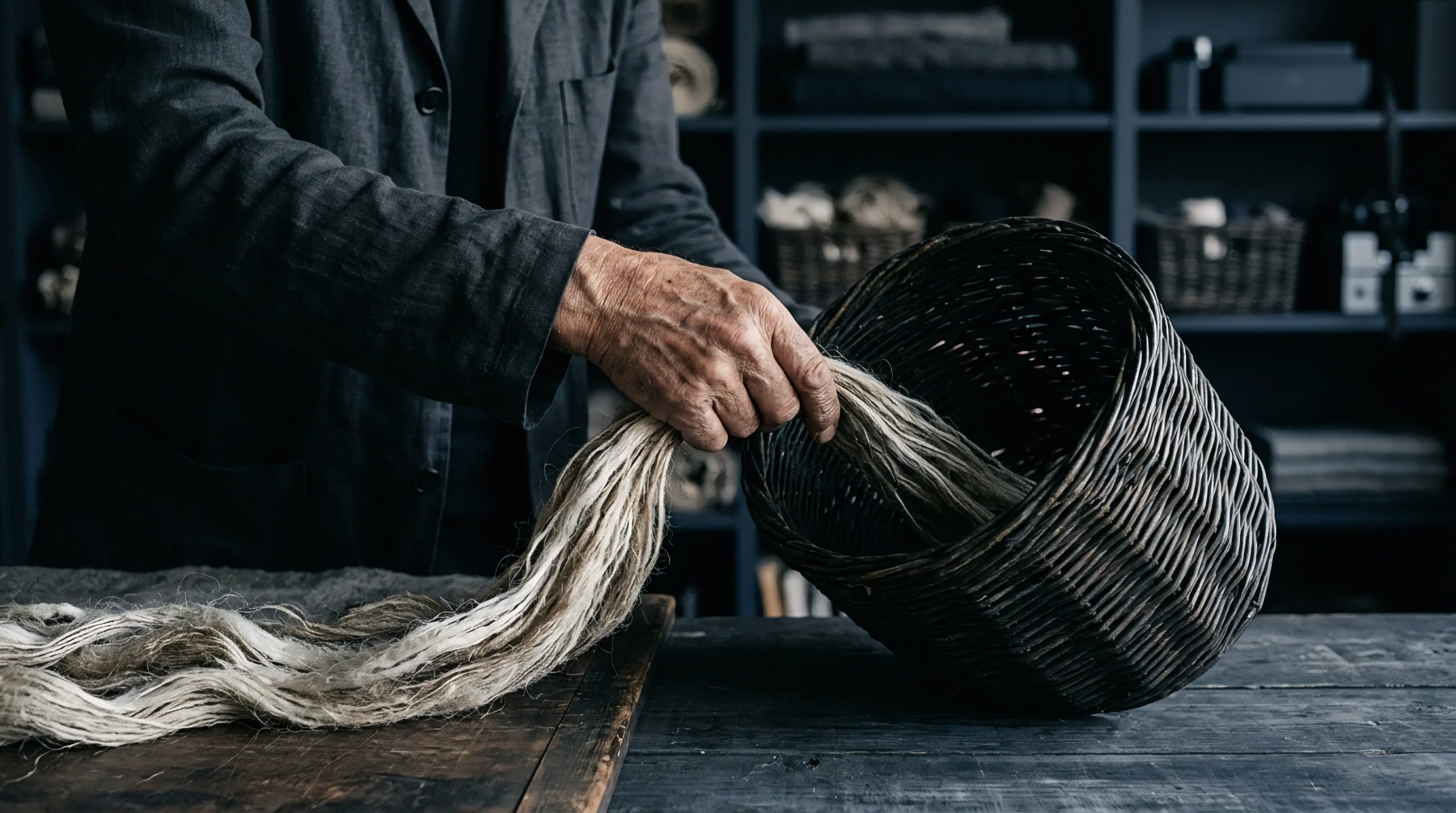
Air permeability through bast bundles under ISO 2370 dictates the maximum spinnable wet count by defining available elementary fibrils per drafting cross-section.

Scouring removes 11 to 13 percent dry flax mass, creating yield deficits that Chinese mills mask through uncertified fiber blending or commercial moisture inflation.

Commercial jacquard linen capacity disputes resolve by auditing automated loom pick datalogs against relaxed off-loom yardage rather than theoretical speeds.
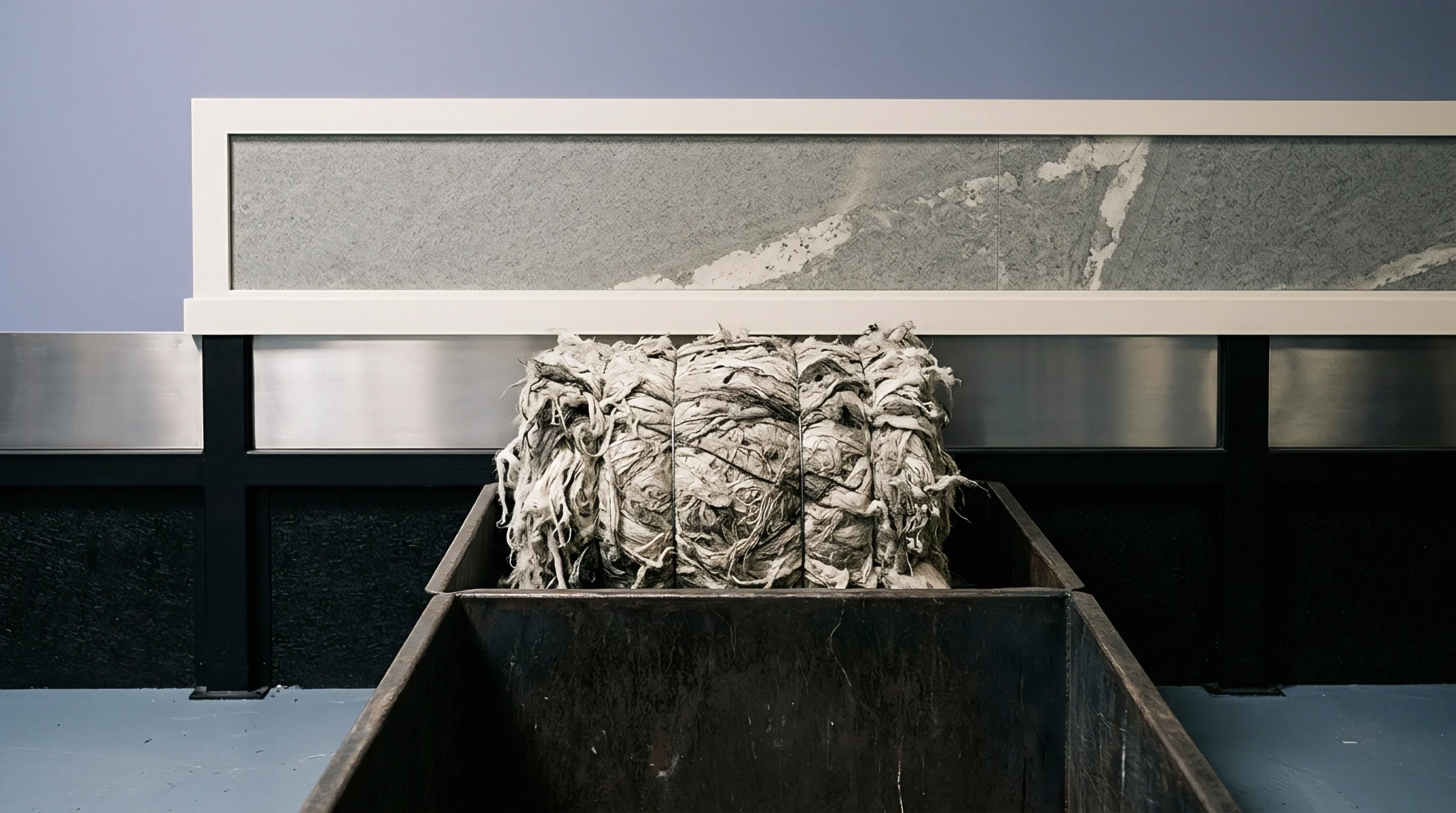
Auditing linen spinning sheds requires thermal desiccation testing at 105 degrees Celsius to reconcile commercial regain and eliminate invoice water inflation.
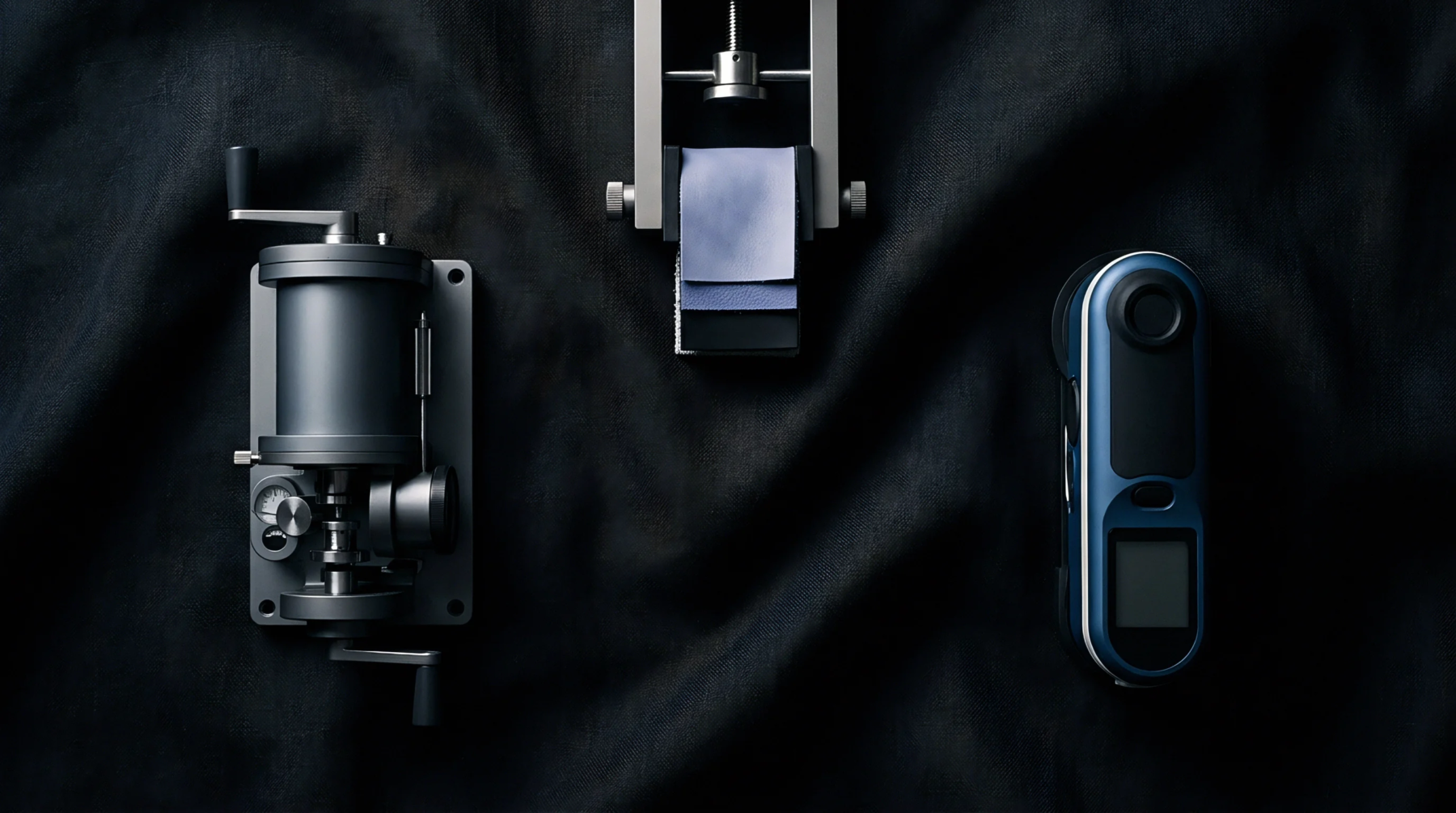
Airflow instruments measure specific surface area to rapidly determine flax bundle metric count, predicting spinning limits and hackling yield.

Controlled enzymatic pectin hydrolysis lifts long line hackling yield past fifty percent while preserving bundle tensile strength for high-count wet spinning.

Optimizing wet-spun high-count linen requires scoured line sliver under 1.2 dtex, strict 70°C trough water, precise 60mm ratch, and controlled balloon tension.

Scutched flax line classification dictates hackling yield, bundle fineness, and wet-spinning count limits, establishing the landed cost per metre of cloth.
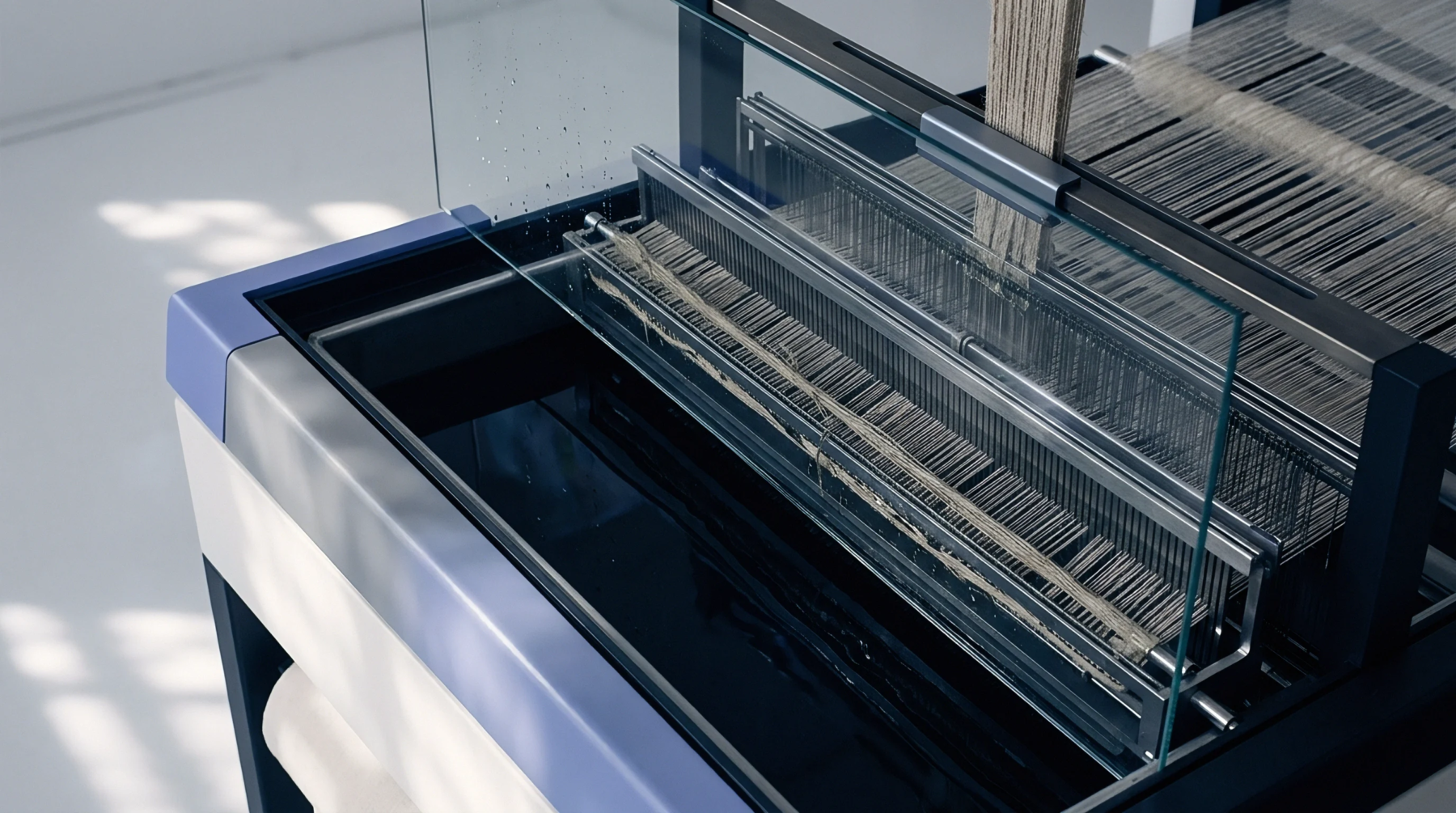
Locking jacquard linen capacity requires booking minimum warp beam lengths of 1,200 metres and balancing pick densities to protect low-elasticity flax yarns.

Laboratory capstan tests understate shedding drag because reciprocating heald friction melts wax coatings and exposes abrasive bast surfaces at high cycle rates.

Cross border debit notes for linen contraction deficits evaluate landed fabric replacement, scrap escalation, and duty adjustments against ISO 139 metrics.

Usable cuttable width must be verified on tensionless cloth relaxed under ISO 139 conditions using ISO 22198, excluding pin marks, selvages, and edge distortion.

Capacitive testing isolates wet-spun linen mass variation and pinpoints spinning frame mechanical defects through precise signal wavelength analysis.
Derive broadloom linen reed space by calculating weft crimp and wet finishing contraction to guarantee minimum off-loom greige and finished commercial widths.
Expertise is a utility, not a secret. sentiention™ publishes its working knowledge as open reference: intelligence layer covering the materials it sources, the markets it enters, and the reference that serves both.