
Integrating Chemical Leaching Allowances into ISO Twenty-Two-Thousand Mass Balance Audits
Integrating chemical leaching allowances into ISO 22000 mass balance audits requires batch-specific mass-loss coefficients to prevent false yield claims.
Integrating chemical leaching allowances into ISO 22000 mass balance audits requires batch-specific mass-loss coefficients to prevent false yield claims.
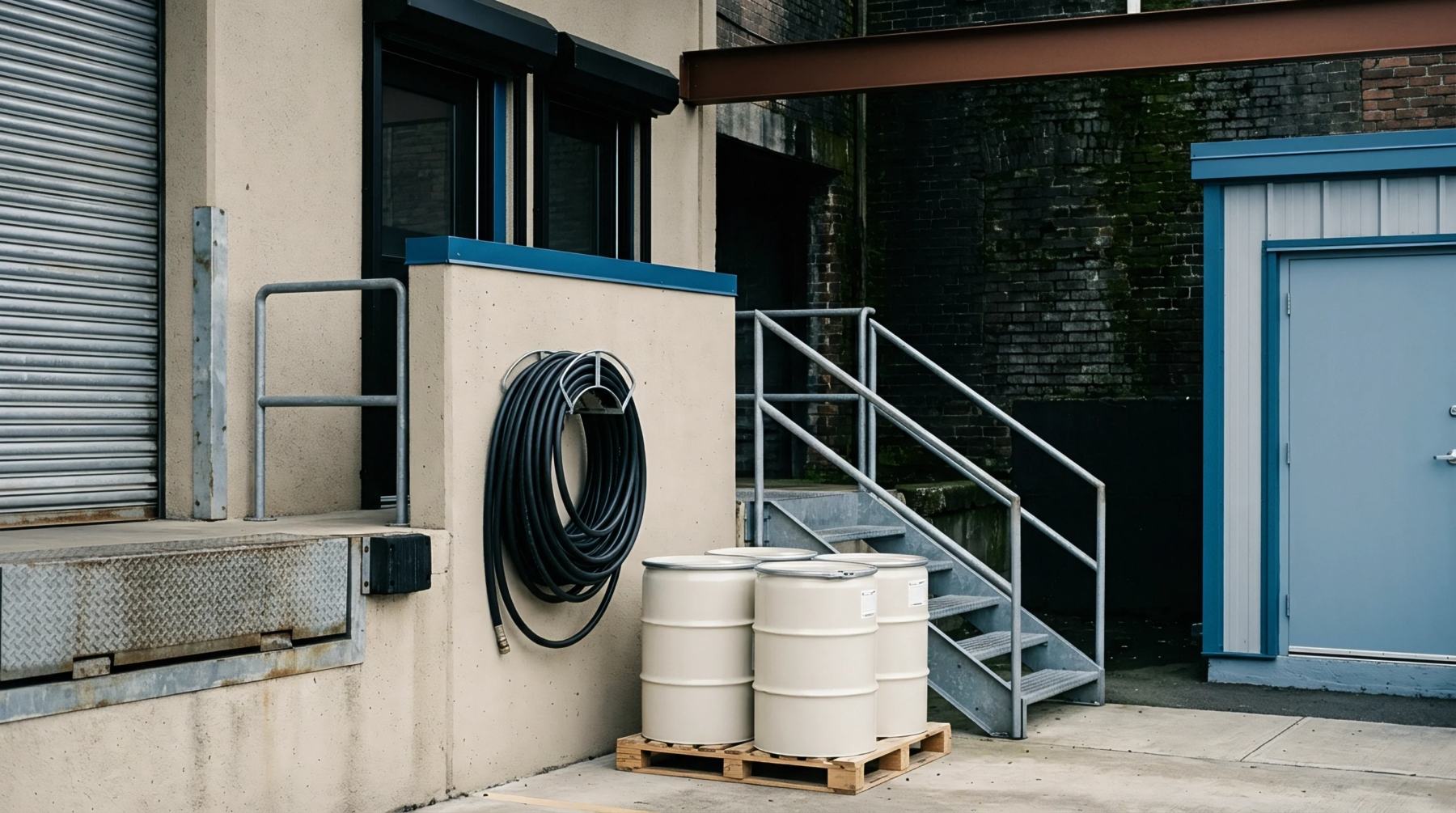
Chemical degumming reduces hemp Klason lignin below 1.5 percent and dtex below 2.5, triggering HS 5302.90 tariff reclassification and trade remedy duties.
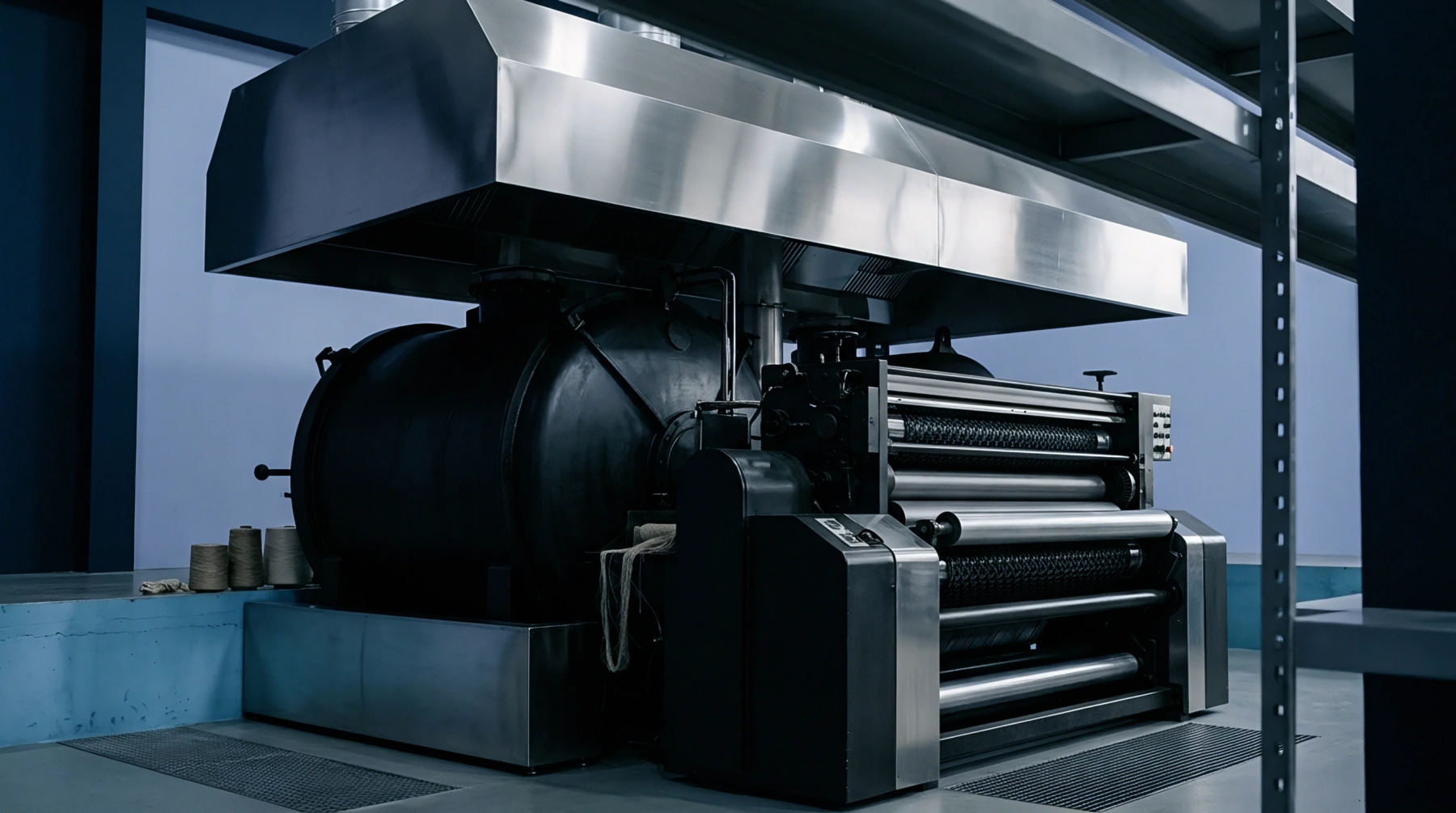
Mass balance audits across offshore linen mills require adjusting physical yields for moisture regain and accounting for secondary co-products.

Chemical extraction baselines under ISO 1833 quantify non-cellulosic scrap fractions in certified linen to enforce chain-of-custody purity and pricing.

Stable isotope ratio mass spectrometry validates European flax origin by measuring precipitation carbon and soil strontium signatures directly from fabric cellulose.

Classification of unprocessed raw agricultural fibers depends on mechanical decortication thresholds, residual shive content, and verifiable scutching mass balance records.

Process-induced carbon and oxygen isotopic shifts in bleached linen yarn require alpha-cellulose extraction and mass-balance corrections for origin verification.

Multi-stage chemical scouring depletes carbon-13 and alters oxygen-18 ratios in bast fiber mixtures, requiring mass-balance correction against isolated alpha-cellulose.

Subcontracted wet processing requires dual-stage mass balance audits and quantitative microtome cross-section assays to prevent uncertified fibre substitution.

Analytical testing sets baseline proof, but mass balance reconciliation at the mill proves physical chain of custody for linen mixtures.

Physical chain of custody locks raw fiber origin to individual yarn bolts, while mass balance credit swapping balances paper accounts without physical tracing.

Scope certificates validate facility processing capacity, while transaction certificates prove specific consignment volume provenance across linen orders.

Forensic microscopic and spectroscopic testing quantifies chemical degumming residuals, exposing invalid provenance claims on non-European linen yarn entries.
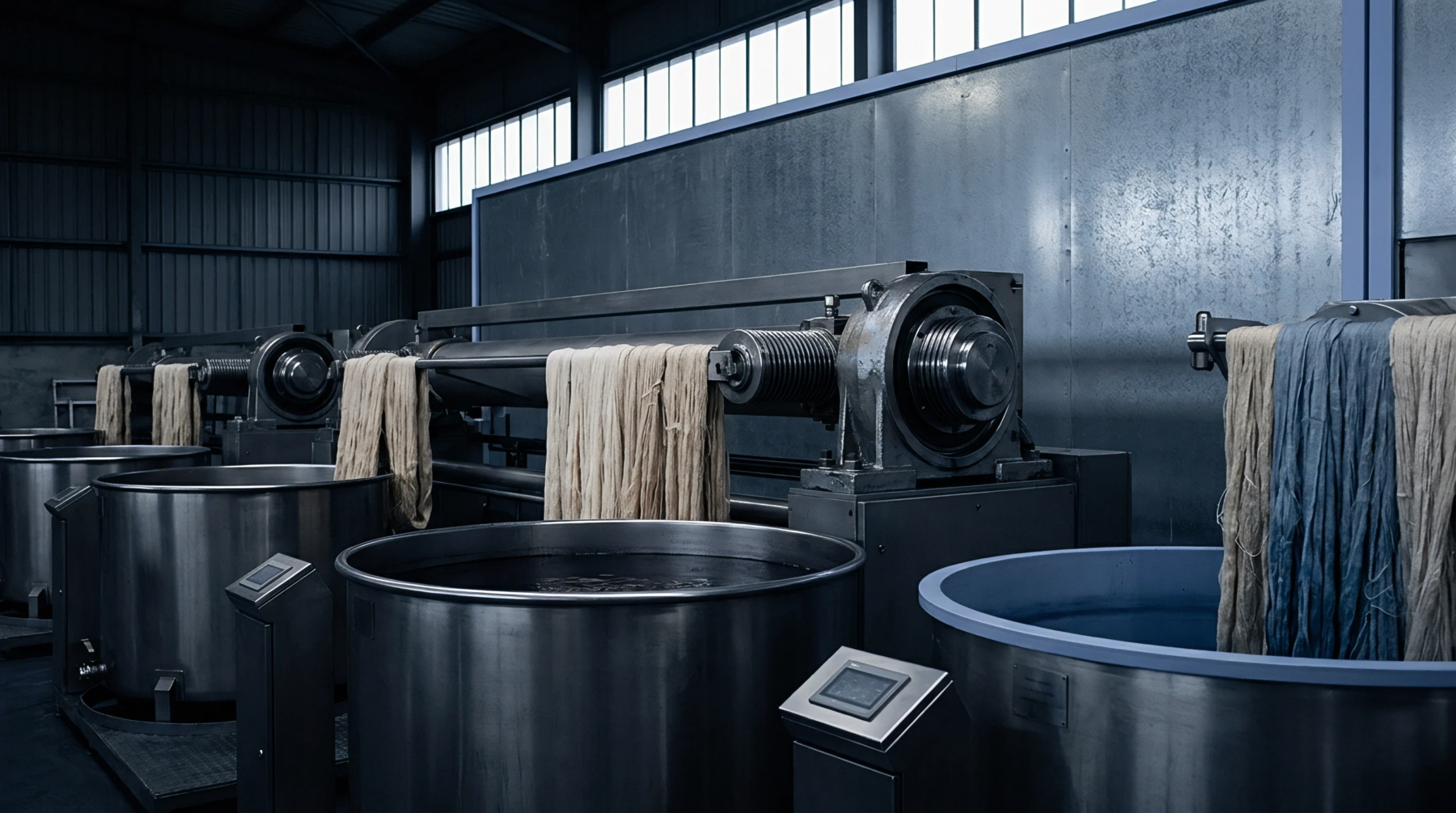
Reconciling wet spinning yield loss requires adjusting raw fiber weights for 12% regain, deducting 3.2-5.8% pectin extraction loss, and verifying comber tow sales.

Verify scutching yield metrics and fiber alignment parameters to defend Chapter 53 customs entry declarations and eliminate origin liability.

Transaction certificate verification requires moisture-adjusted mass-balance reconciliation across processing nodes, backed by isotopic testing and contractual warranties.

Determining customs tariff classifications for raw linen fibres requires precise physical identification of retting, scutching, and hackling processing stages under HS heading 5301.

Mass balance reconciliation in linen mills requires adjusting intake weights for moisture regain, deducting actual spinning scrap, and verifying yarn volume credits against audited baseline yield factors.

Operational provenance verification reconciles raw scutcher bale tags against spinning batch yields to prevent volume inflation across linen supply chains.
Expertise is a utility, not a secret. sentiention™ publishes its working knowledge as open reference: intelligence layer covering the materials it sources, the markets it enters, and the reference that serves both.