Processing Output
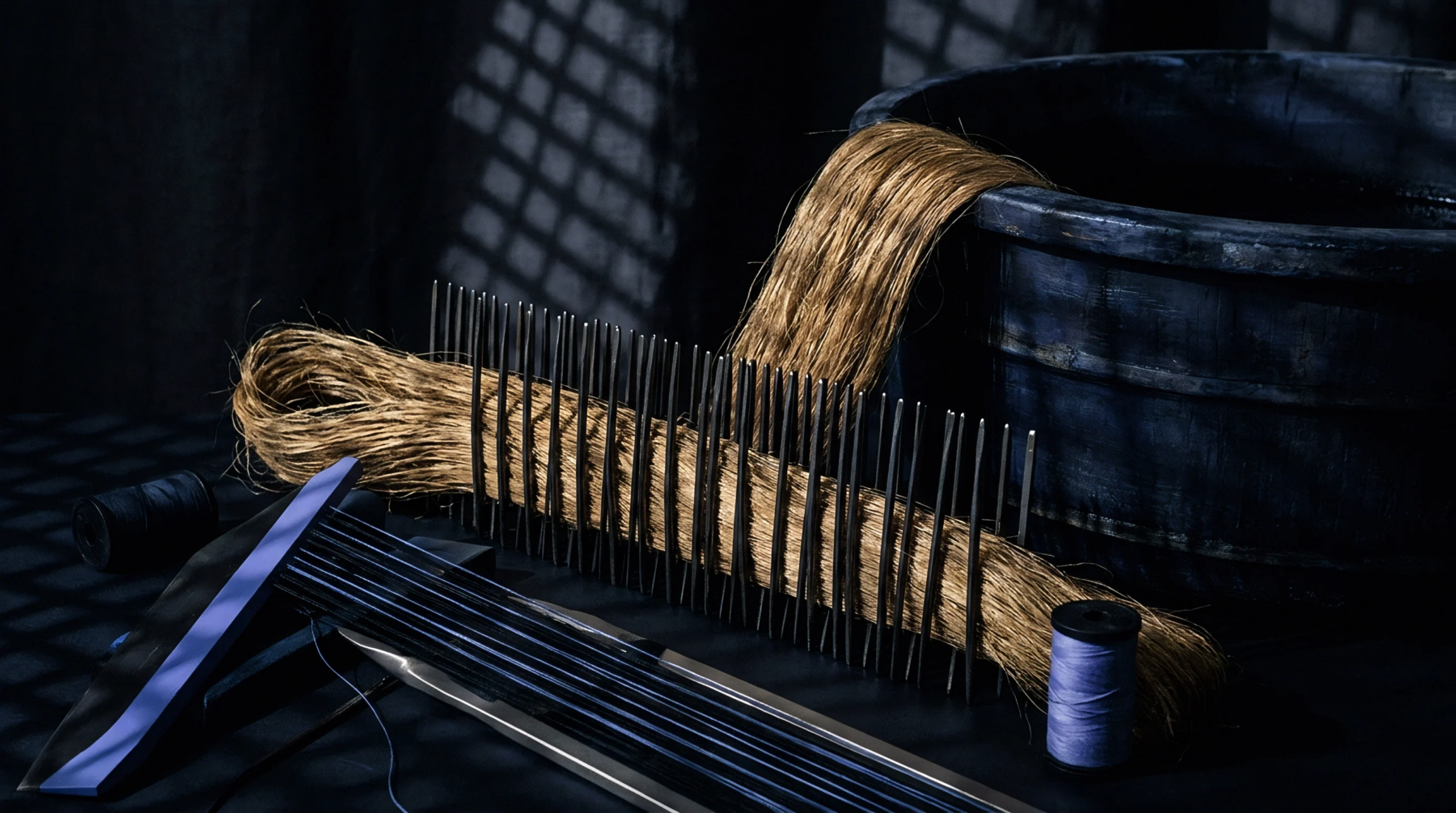
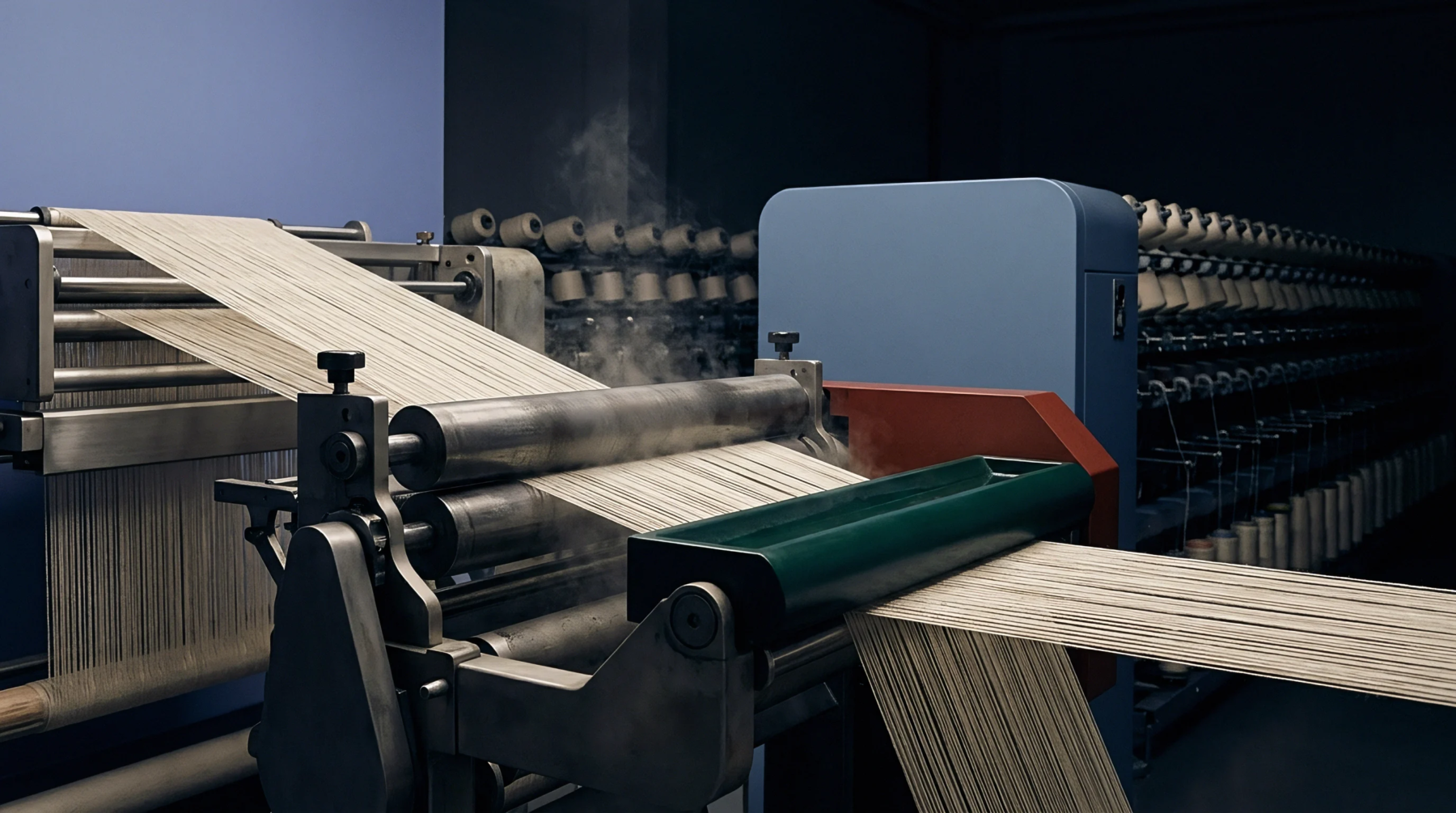
Final quantities of combed and hackled linen bundles ready for fine spinning represent the most refined form of the flax material. The long line yield measures the percentage of scutched fibre that survives the intensive pinning and cleaning cycles without becoming short tow. High efficiency at the hackling frame results in uniform parallel bundles that form the basis for premium garment grade yarns.
Mill managers use this ratio to track the effectiveness of the grooming sequences in their refinement departments.
Yield Calculation
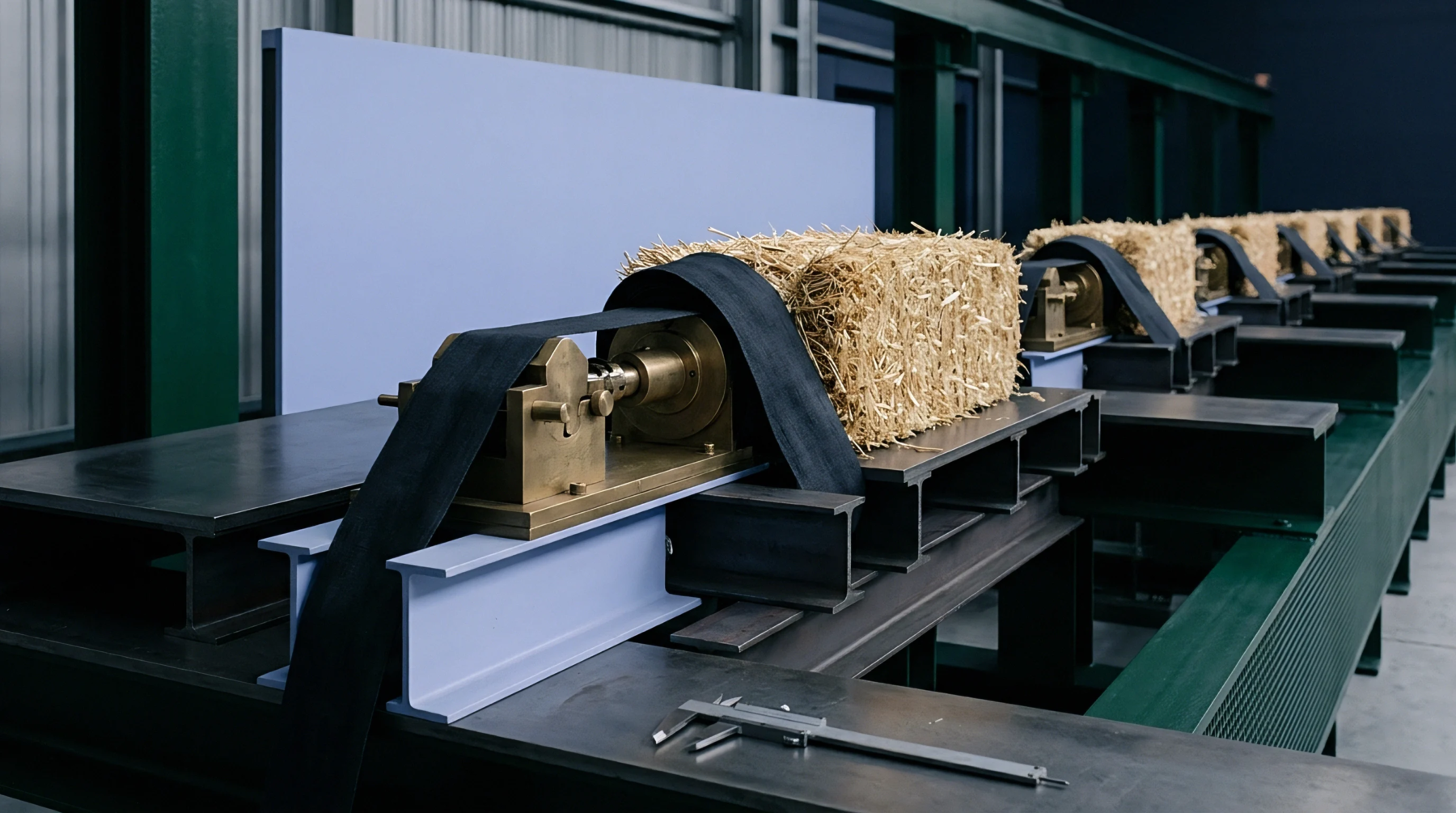
Mass balance checks compare the initial weight of the scutched fibre with the cumulative weight of the resulting slivers. A superior long line yield is obtained when the flax is supple enough to withstand multiple hackling zones without excessive fibre breakage. Small adjustments to the gauge and pin density of the machinery can raise the percentage of retained high value fibre.
Consistent testing ensures that the maximum potential of the raw input is realised for every shipment.
Quality Correlation
Data showing high recovery of long strands usually implies that the moisture content was well managed throughout the process. Since lower results in long line yield increase the overall unit cost of the finished yarn, mills carefully monitor the waste levels in the combing pits. Maintaining optimal yields supports the sustainability of linen production by reducing fibre loss in the value chain.
This measurement identifies the true capability of the mill equipment to handle delicate natural bundles.