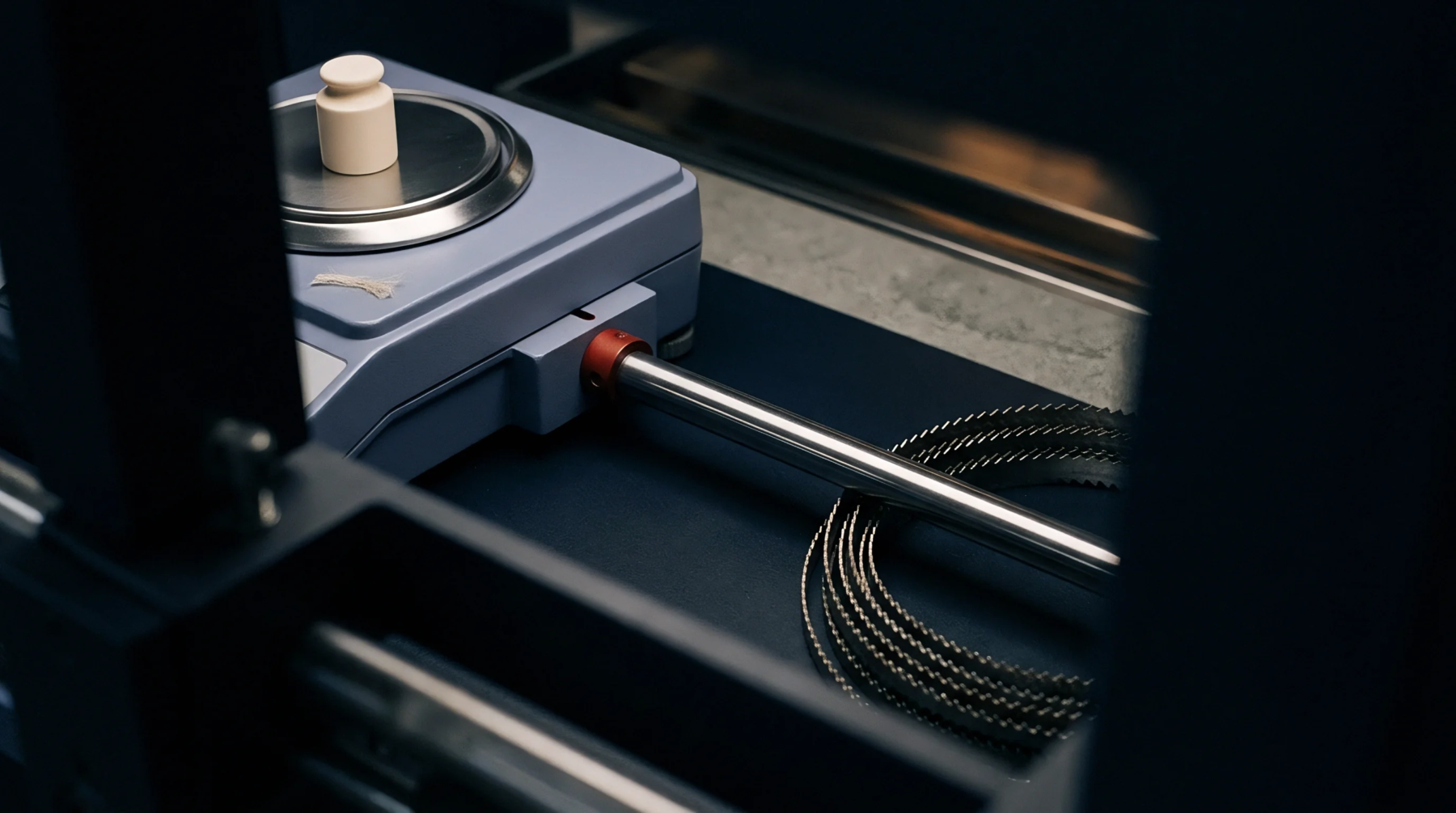
Mass Adjustment
Tare deduction standard defines the statutory subtraction applied to gross weight records before commercial settlement proceeds for raw flax bales arriving at spinning mills. Raw bast fibre holds variable moisture content that alters dry weight measurements during transit from agricultural processing sheds to industrial grading floors. Mill operators weigh incoming deliveries on platform scales and subtract container weights along with known packaging allowances.
Commercial agreements specify permitted packaging deductions according to standard bale wrapping protocols. Documentation accompanying each shipment records both gross figures and net calculations for customs clearance and taxation.
Moisture Allowance
Water weight alters the commercial value of bast fibre because dry matter forms the actual basis for spinning yields. Atmospheric humidity during storage changes moisture retention values inside natural plant stalks. Laboratory technicians draw core samples from random bales to determine percentage water content before batch processing begins.
Test results dictate whether additional weight deductions apply beyond standard packaging allowances. Dry weight calculations protect buyers from paying textile grade prices for absorbed environmental moisture.
Fiber Grading
Quality verification separates usable bast material from woody core fragments and short tow fibers prior to carding. Inspectors evaluate staple length and tensile strength against international merchantable standards. Fabric production requires consistent linear density which depends on precise raw material preparation.
Mill acceptance criteria remain distinct from buyer preferences because technical specifications govern machinery tolerances. Strict adherence to calculated weight standards ensures equitable transactions throughout the supply chain.