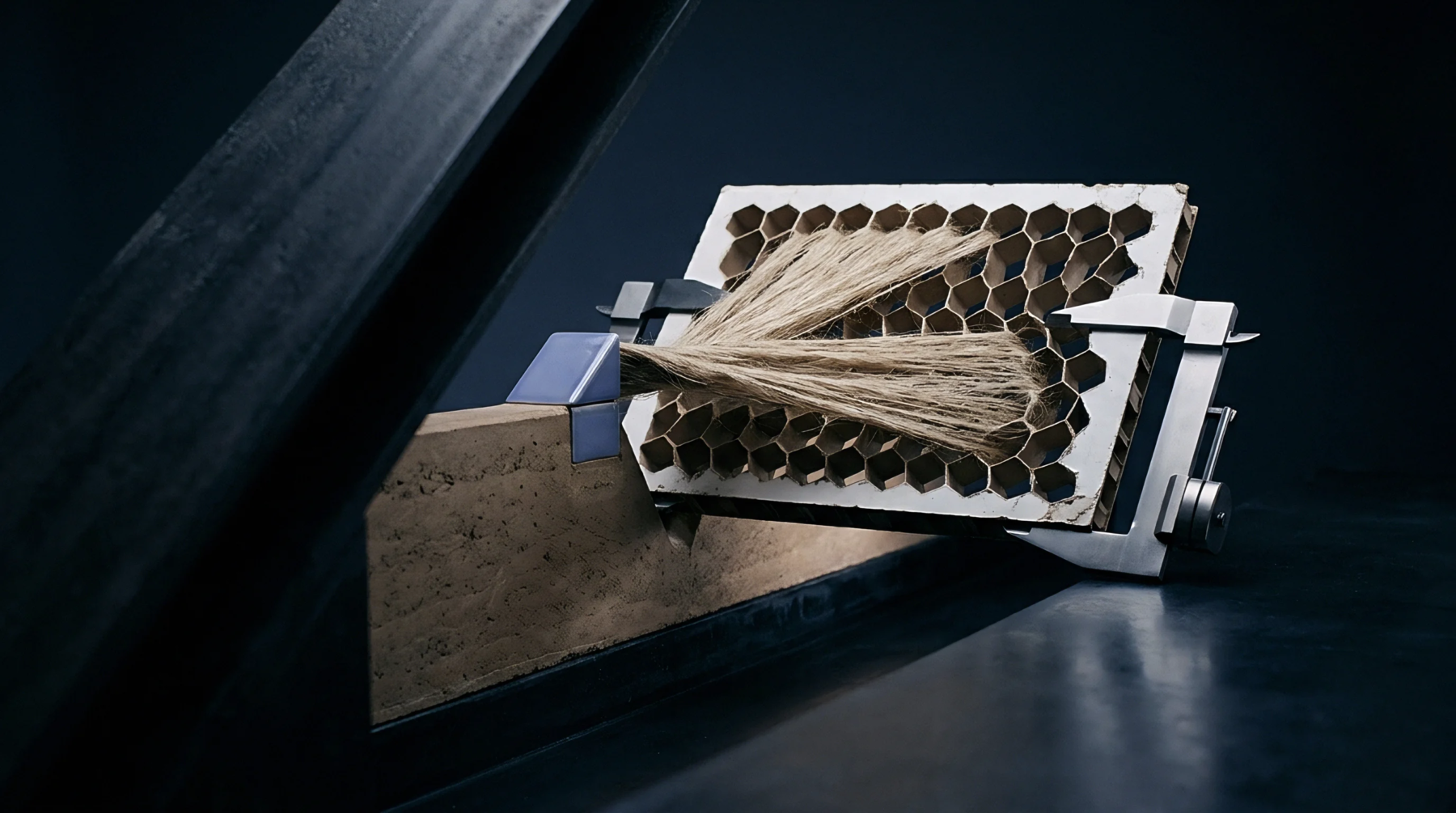
Mechanical Load Variations and Sizing Film Hysteresis in Linen Weaving
Dynamic shedding cycles degrade inelastic linen sizing films, inducing viscoelastic warp creep, starting marks, and avoidable stop frequency losses.
Dynamic shedding cycles degrade inelastic linen sizing films, inducing viscoelastic warp creep, starting marks, and avoidable stop frequency losses.
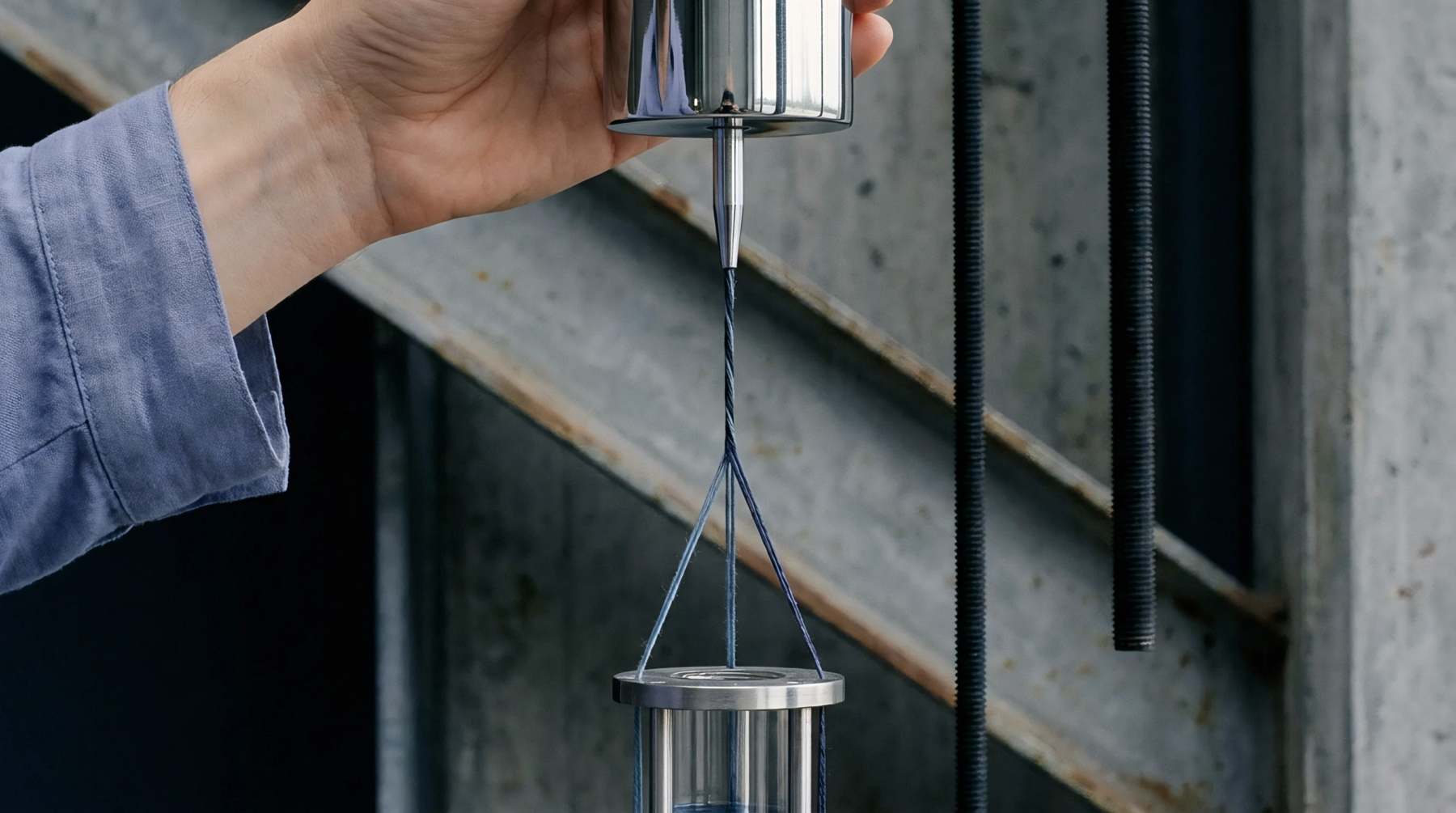
Viscoelastic size film failure under high frequency air jet shedding stems from dynamic glass transition shift and energy dissipation limits.
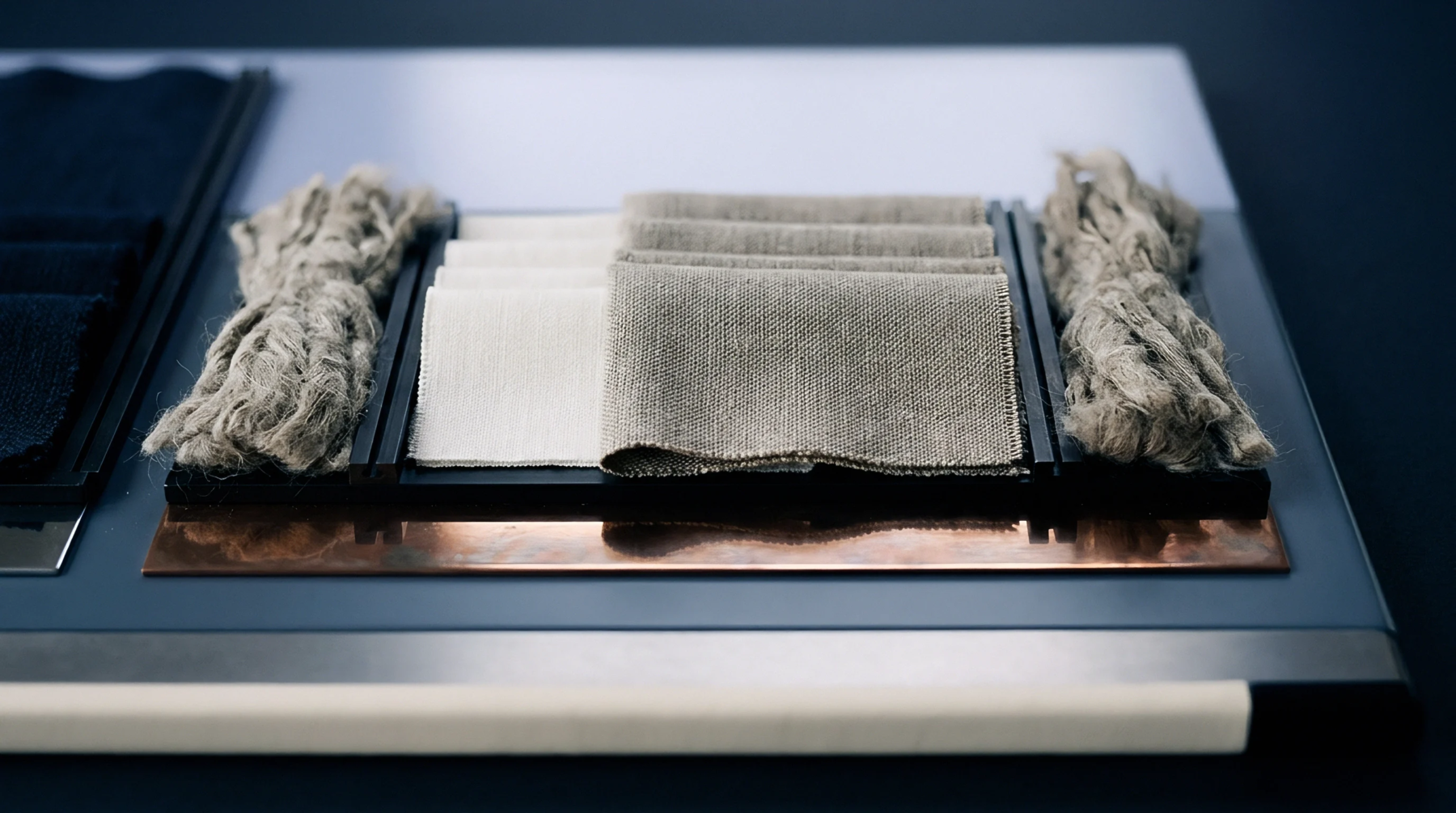
Dynamic localized psychrometric control sustains viscoelastic sizing compliance on bast warps, preventing film fracture and lifting loom speeds past 500 PPM.

Hot water trough temperatures between 68°C and 74°C plasticize middle lamella pectins, preventing microfibril rupture and securing fine yarn counts up to Nm 80.
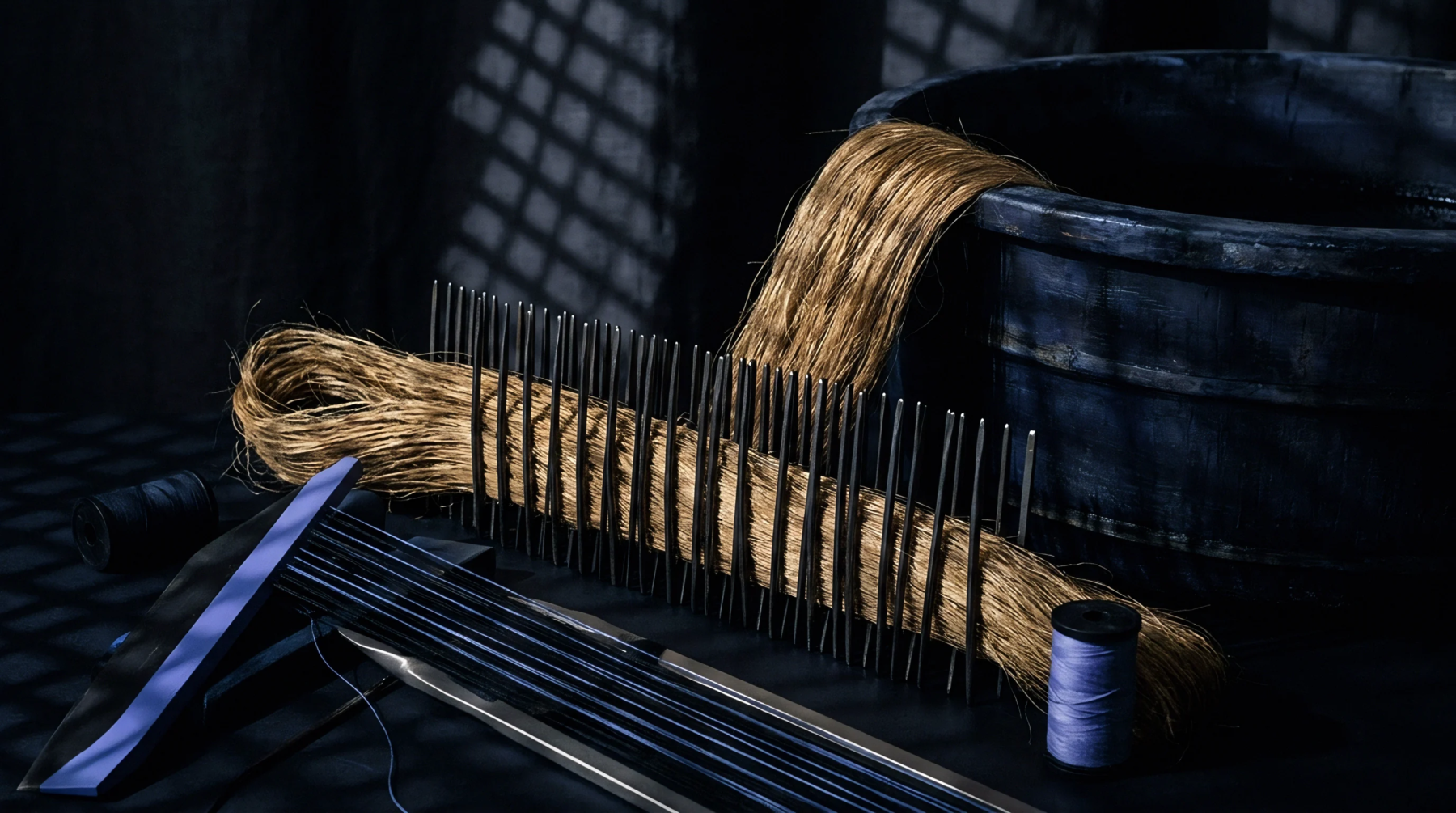
Low S/G monomer ratios in flax middle lamella increase lignin cross-linking, elevating wet drafting force variability and driving yarn count instability.

Klason lignin testing combined with wet spinning draft analysis establishes raw flax mill suitability and prevents costly frame end breaks.

Starch synthetic hybrid sizing films achieve optimal rapier weaving efficiency when elastic strain recovery exceeds 70 percent under 10 Hz dynamic shedding.

Anisotropic hydration swelling and crimp interchange drive linen contraction, requiring accurate warp allowances to guarantee finished dimensions and cost.
Expertise is a utility, not a secret. sentiention™ publishes its working knowledge as open reference: intelligence layer covering the materials it sources, the markets it enters, and the reference that serves both.