Fibre Balance
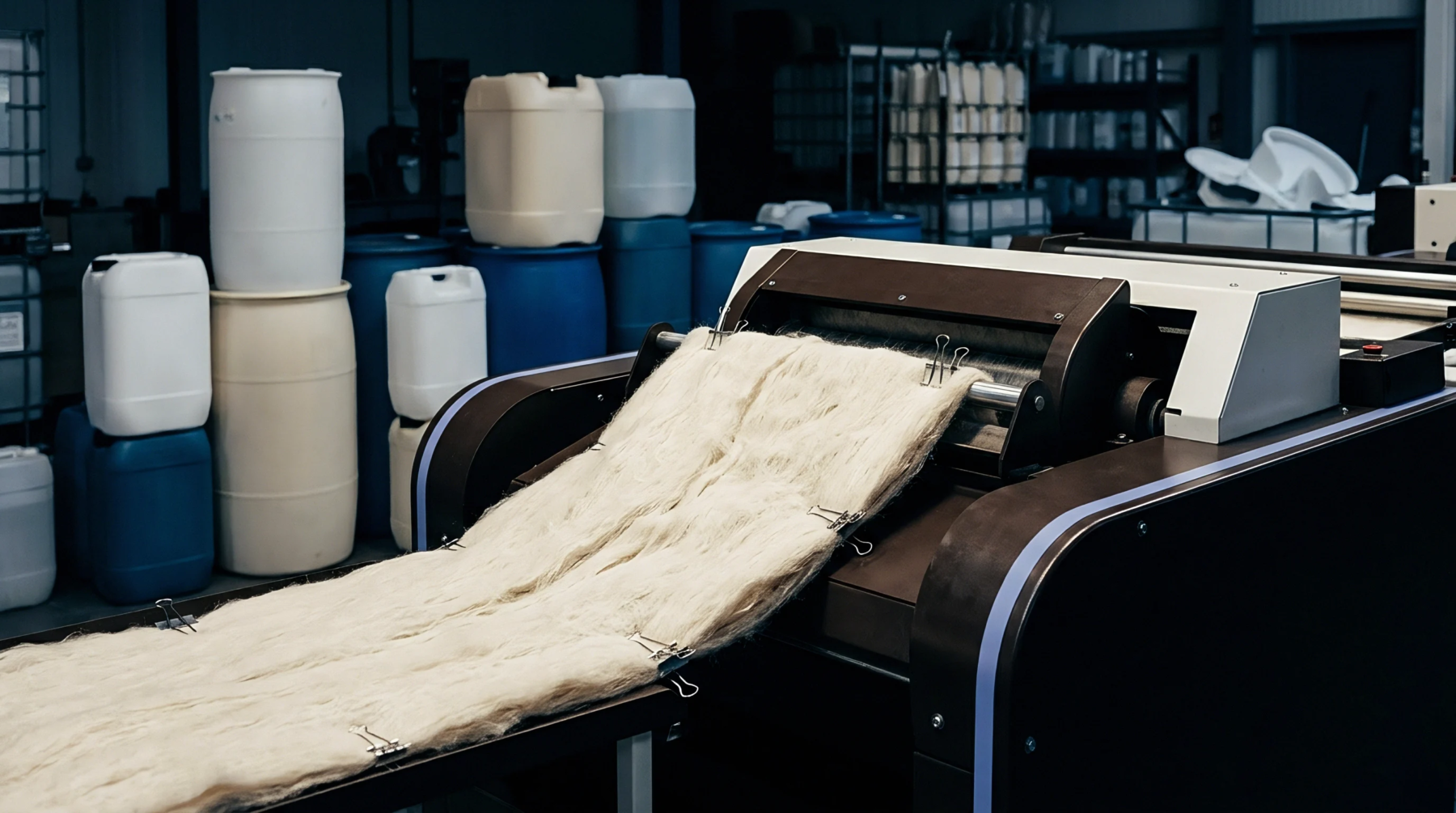
Quantitative verification tracking the mass balance reconciliation operates across the preparation floor where raw flax straw converts into sliver before carding machines discharge the output into storage cans. Incoming dry weight figures measured at the bale breaking stage must match outgoing sliver totals plus known moisture loss factors documented in the mill batch ledger. The tracking boundary terminates where sliver enters the drawing frames because subsequent drafting reduces linear density without changing total mass.
Raw material moisture variations complicate the verification process because green flax absorbs atmospheric humidity during storage, shifting gross weights before processing begins. Supervisors calculate dry matter by subtracting standard conditioning percentages from gross mass readings recorded on the receiving scale.
Spinning Yield
Drawing frame operations measure fibre loss through waste collection chambers attached underneath drafting rollers where short tow and dust accumulate during attenuation. Mass balance reconciliation tracks these extraction rates against standard mill tolerances to detect excessive breakage caused by incorrect roller settings. Wet spinning lines require precise water uptake measurements because absorption alters total mass calculations between the roving frame and the bobbin winder.
Operators record dry output weights and compare those figures against initial roving inputs to calculate the spinning loss percentage for each production shift. Excessive moisture evaporation during heat setting creates false deficits in the mass balance ledger if technicians fail to apply temperature correction multipliers before finalizing the daily reconciliation report.
Export Verification
Finished yarn packaging departments verify final commercial mass against historical input totals using standardized conditioning houses located near the warehouse loading docks. Mass balance reconciliation provides the numerical audit trail required by international buyers who demand proof that shipped linen weights correspond directly to certified raw flax purchases. Commercial acceptance criteria permit minor mass variances resulting from residual moisture equilibration during transit, provided those variances remain within contractual limits.
Mill standards require reconciliation reports to reconcile every shift before finished yarn cases receive export clearance stamps from the quality control supervisor. Final commercial settlement depends upon the verified dry mass documented on the reconciliation certificate accompanying the transport container.