
Optimizing Shed Height Settings for Air Jet Linen Fabric Construction
Optimizing air jet linen shedding requires asymmetric harness levelling at 26 millimetres to balance relay nozzle clearance with tension limits.
Optimizing air jet linen shedding requires asymmetric harness levelling at 26 millimetres to balance relay nozzle clearance with tension limits.

ASTM D5430 demerit scores for wide linen twills normalize defect counts per 100 square yards or metres to enforce commercial lot acceptance thresholds.

Standard four-point greige perches require a 45-60 degree tilt, 1200+ lux D65 lighting, synchronized tension drive, and strict ASTM D5430 demerit point scoring.
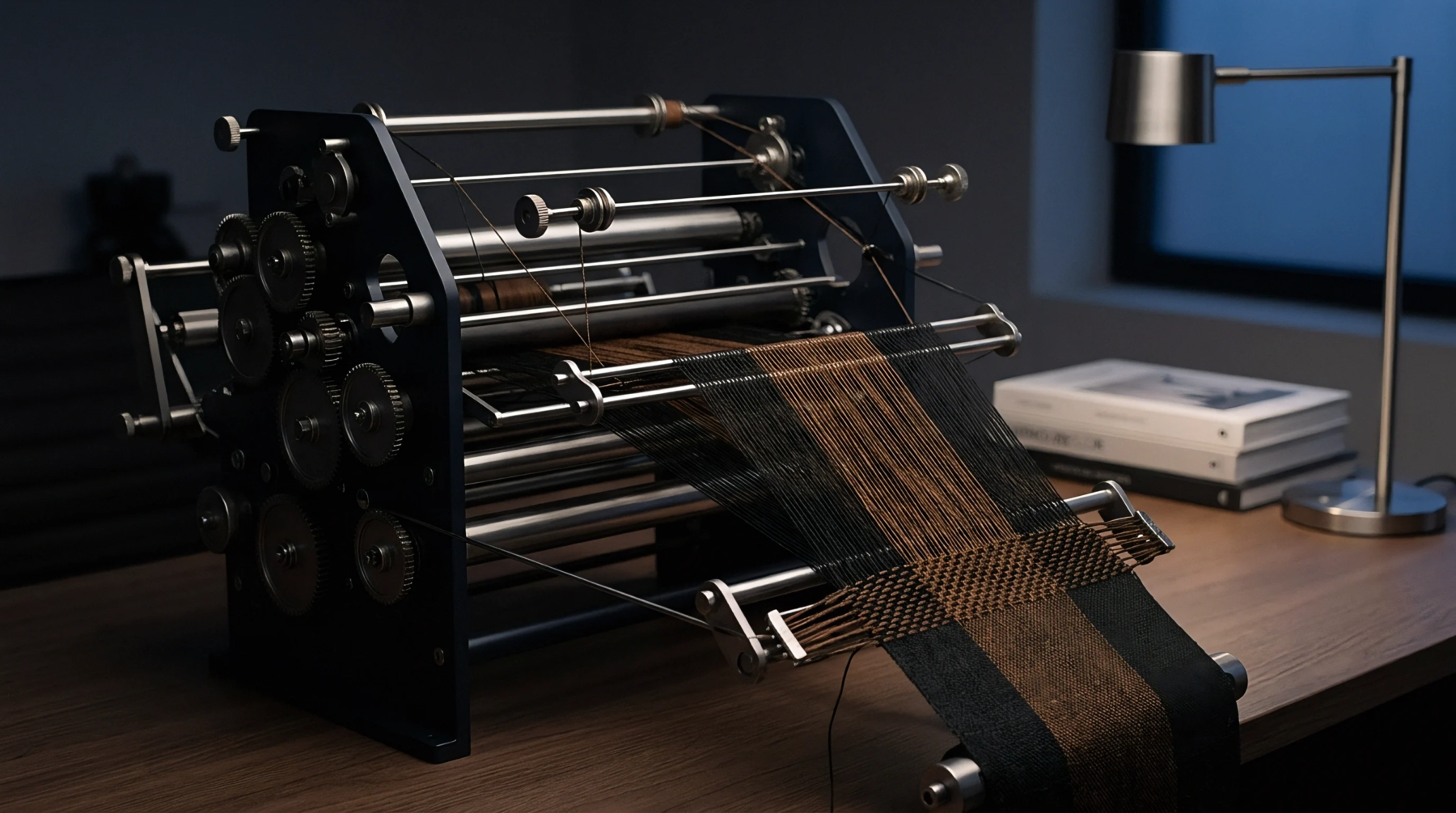
Seasonal Chinese loom allocation demands mapping construction pick counts into hourly machine costs to secure capacity before Q3 peak congestion.

Standardized four-point greige inspection prevents downstream finishing losses by enforcing objective ASTM D5430 defect scoring before cloth conversion.

Calibrating warp end density within cover factor limits and aligning loom shed geometry prevents thread chafing, maintains loom efficiency, and controls metre cost.
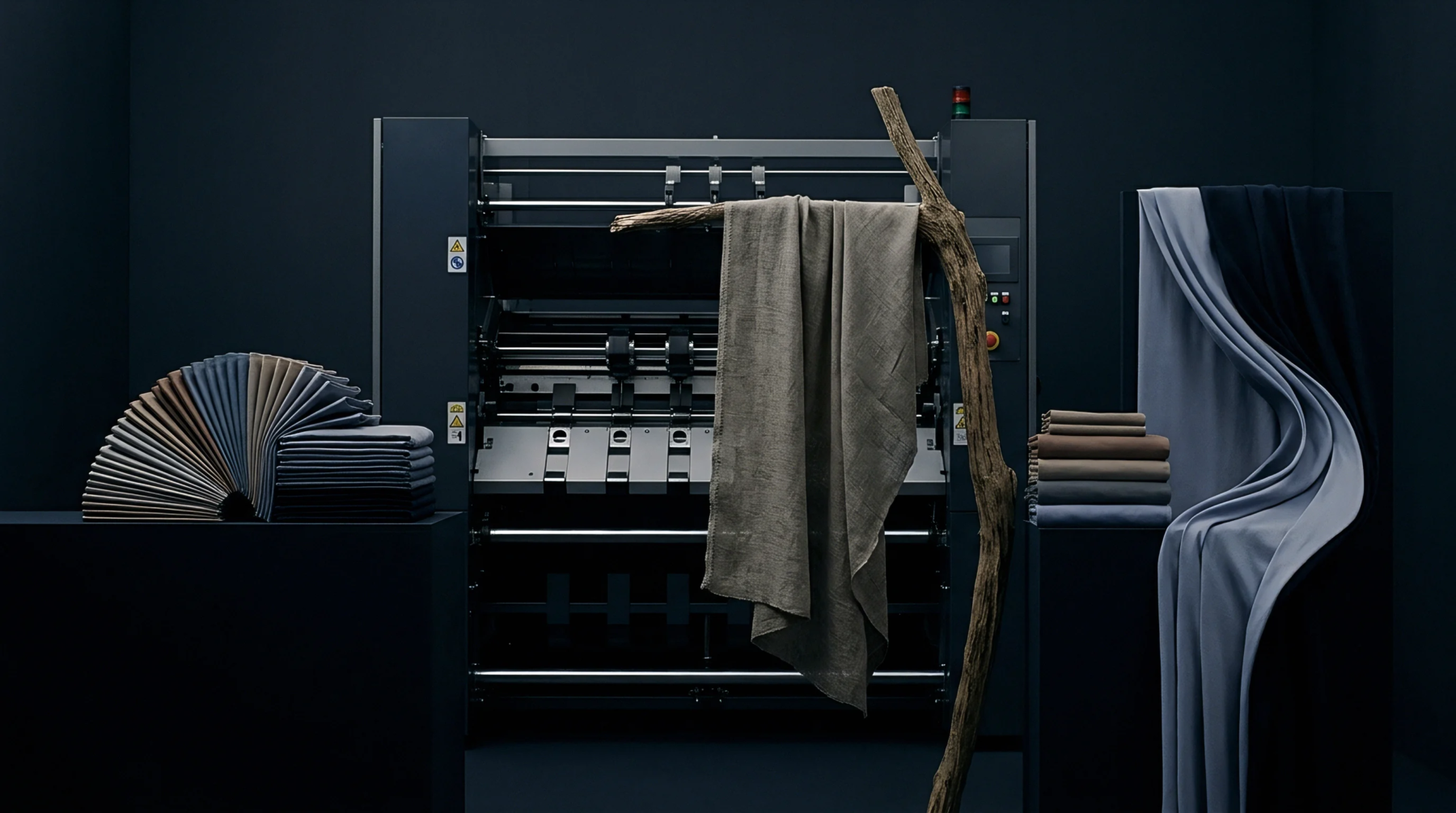
Dynamic tension decay in sized wet spun flax yarns is minimized by controlling size penetration to 25 percent and keeping dynamic strain amplitudes below 1.2 percent.
ASTM D5430 four-point scoring normalises greige defects per 100 square yards, capping penalties at four points per yard to decide lot acceptance.

Standardized greige inspection combines calibrated D65 illumination and 4-point scoring to convert visual cloth defects into precise commercial deductions.
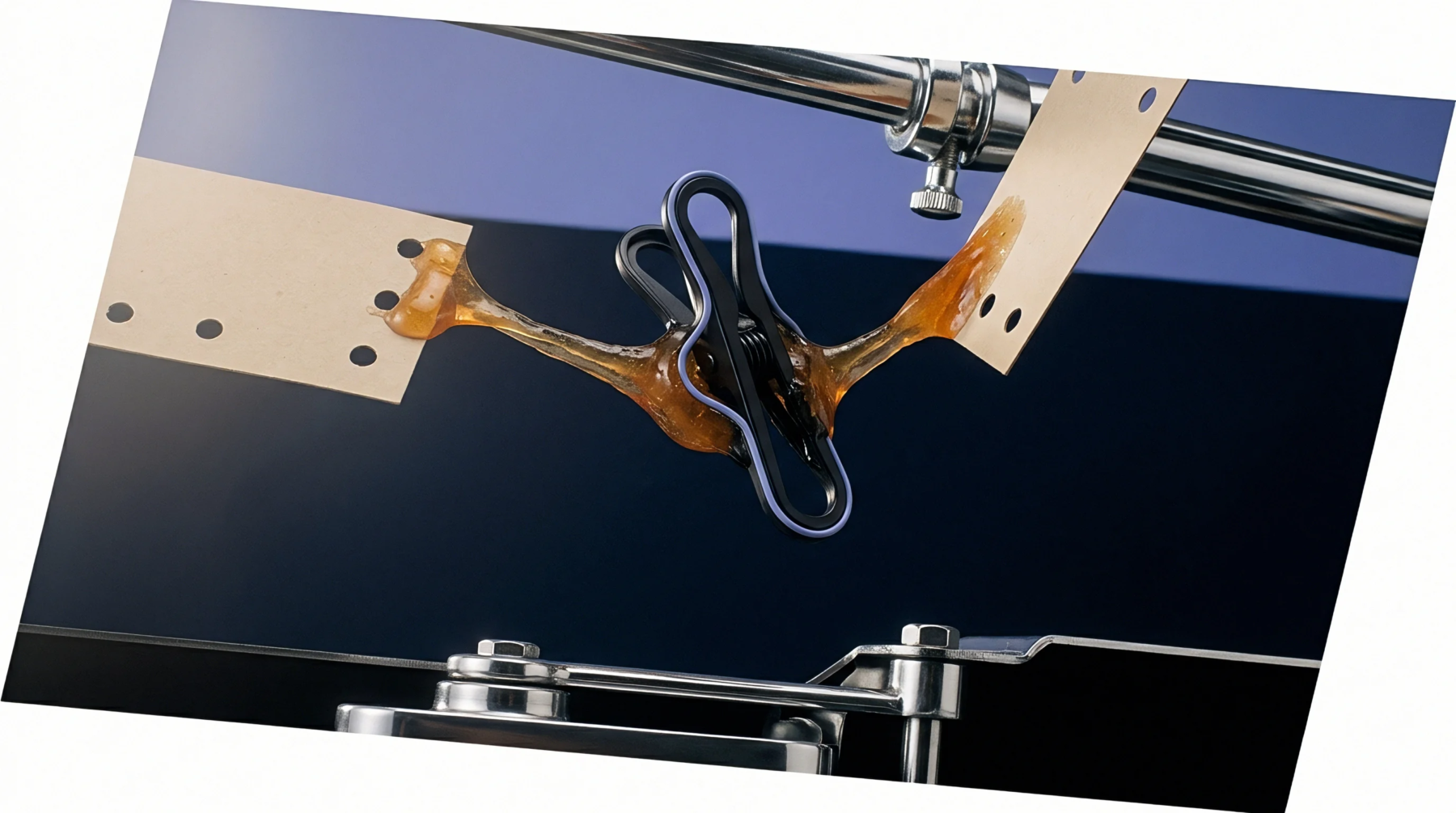
Microfibrillar realignment under shear dictates linen dimensional stability, demanding controlled loom tension and zero-tension wet relaxation to prevent skewing.
Expertise is a utility, not a secret. sentiention™ publishes its working knowledge as open reference: intelligence layer covering the materials it sources, the markets it enters, and the reference that serves both.