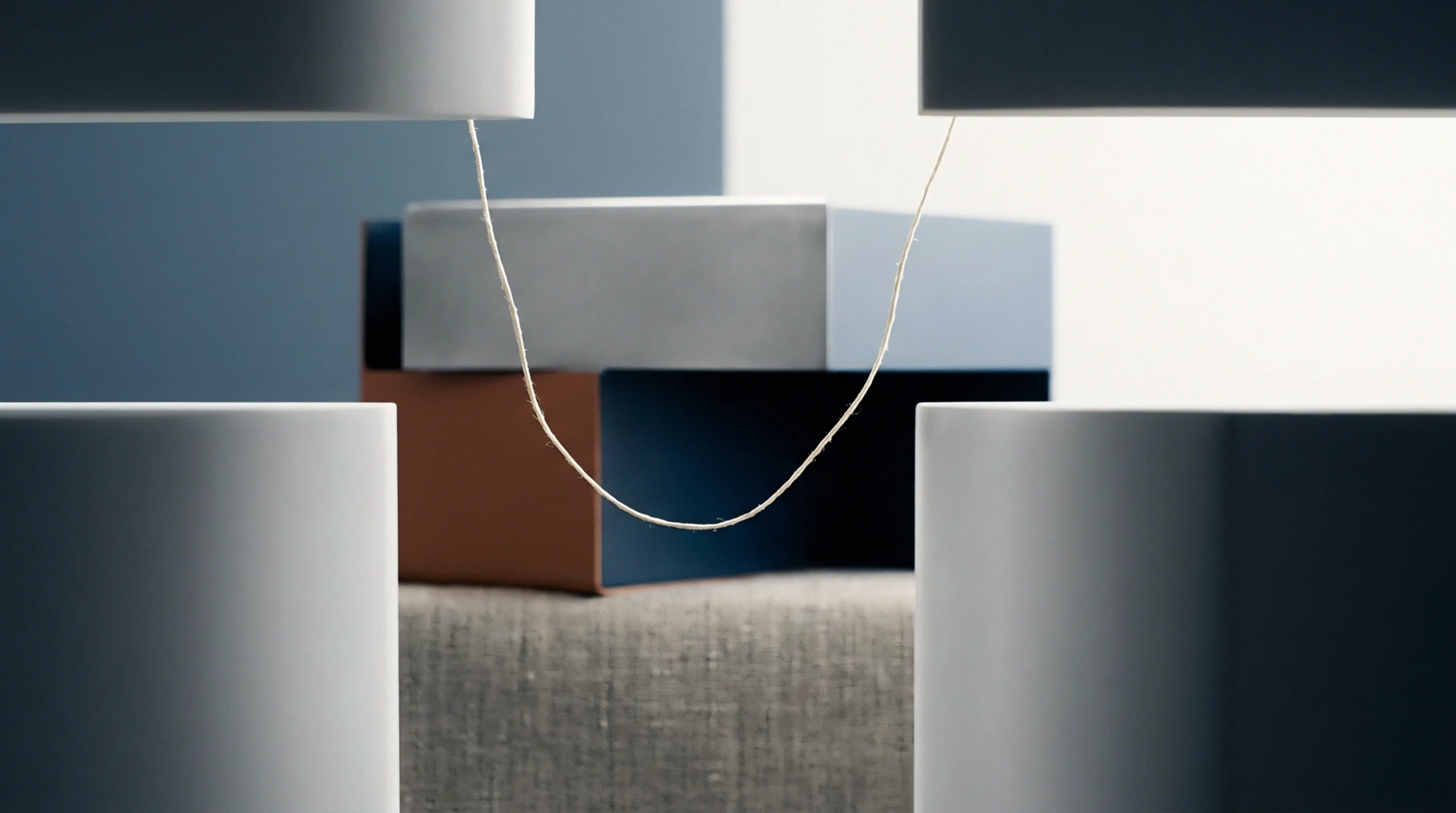
Dynamic Warp Tension Fluctuation Metrics during High Speed Rapier Shedding
Dynamic warp tension spikes during high speed rapier shedding are controlled through active backrest compensation and optimized shed opening geometry.
Dynamic warp tension spikes during high speed rapier shedding are controlled through active backrest compensation and optimized shed opening geometry.

Throttling air jet pressure below 0.54 MPa on linen weft cuts compressor load but spikes stoppage rates, raising net weaving cost per metre.
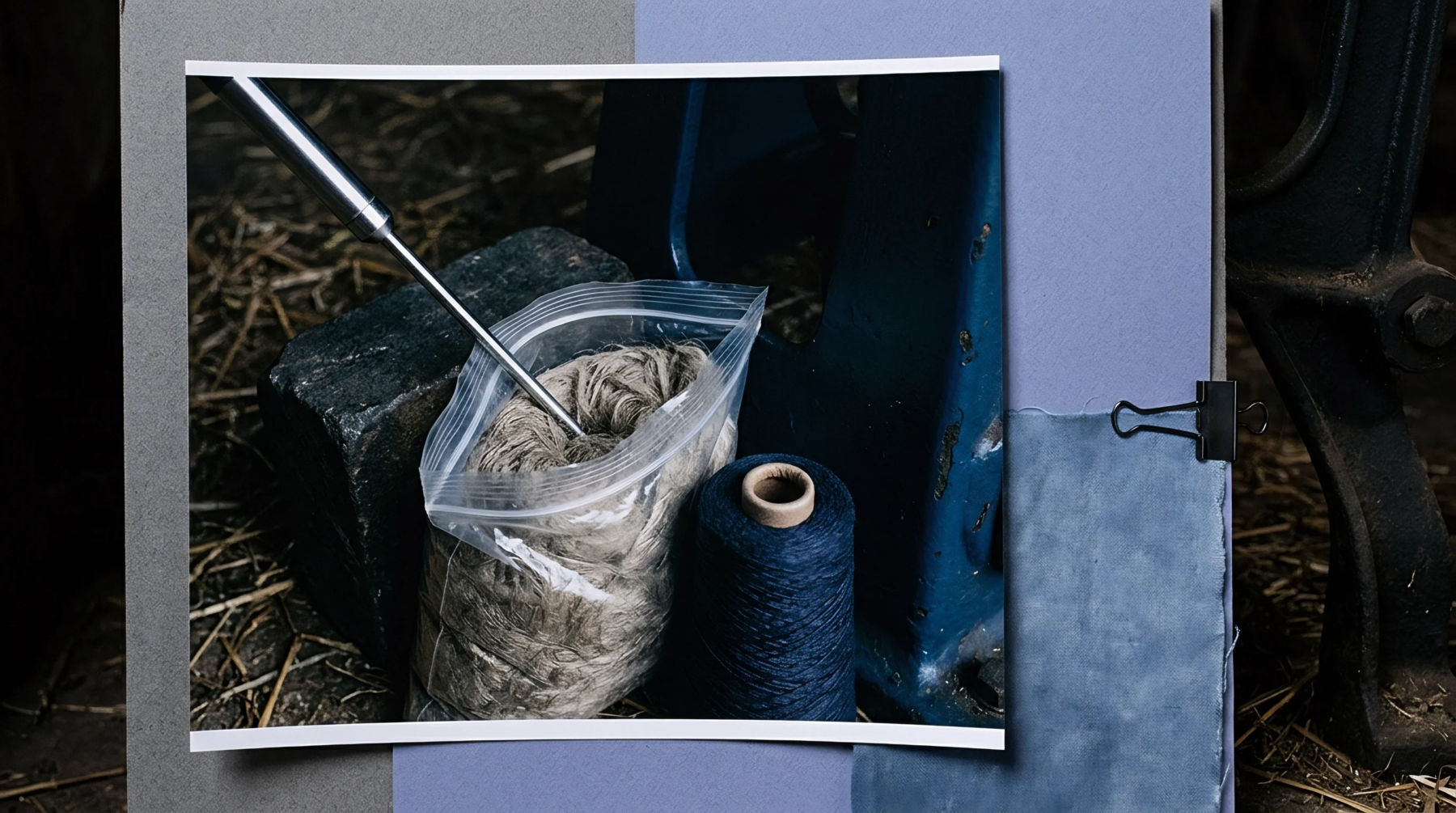
Moisture plasticizes the amorphous pectin matrix in bast bundles, lowering yarn flexural rigidity while elevating cyclic bending energy dissipation.

Optimizing air jet linen shedding requires asymmetric harness levelling at 26 millimetres to balance relay nozzle clearance with tension limits.
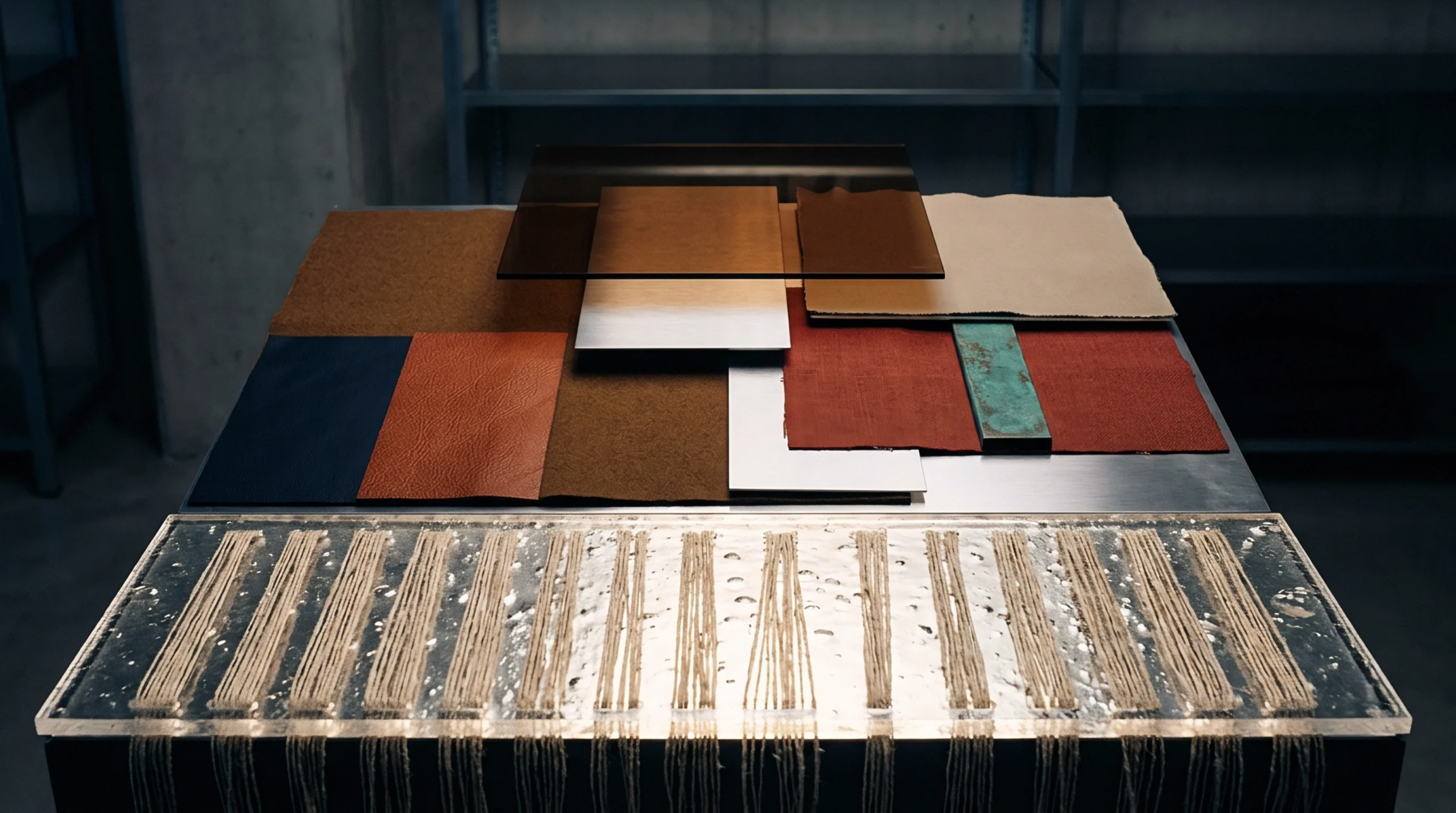
Wet-spun linen warps demand a minimum tenacity of 18.5 cN/tex with under 1.2% beaming stretch to maintain loom stop rates below 1.5 per 100,000 picks.

Viscoelastic hysteresis and guide friction cause thermal cord elongation, degrading warp shed geometry during high-speed jacquard weaving.

Resolving seasonal weaving displacements requires shifting warp warps across compatible air-jet looms using strict tension, reed, and sizing adjustments.

Jacquard harness mass and cumberboard splay force mandatory loom speed derating to prevent dynamic hook float, cord burning, and gearbox failure.
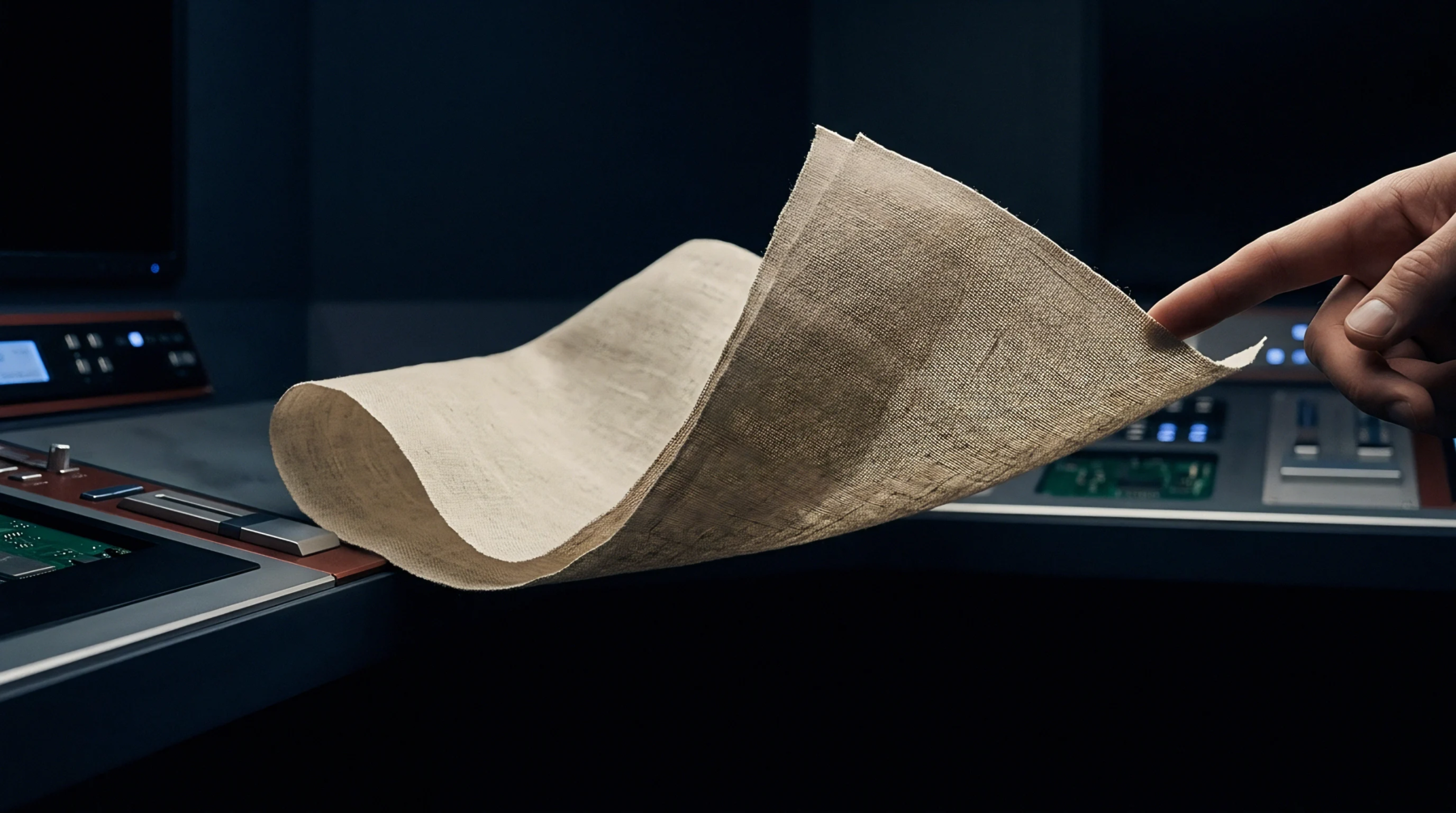
Standard flax yarn linear density determination mandates motorized skein reeling under 0.5 cN/tex tension combined with ISO 6741 oven-dry commercial mass correction.
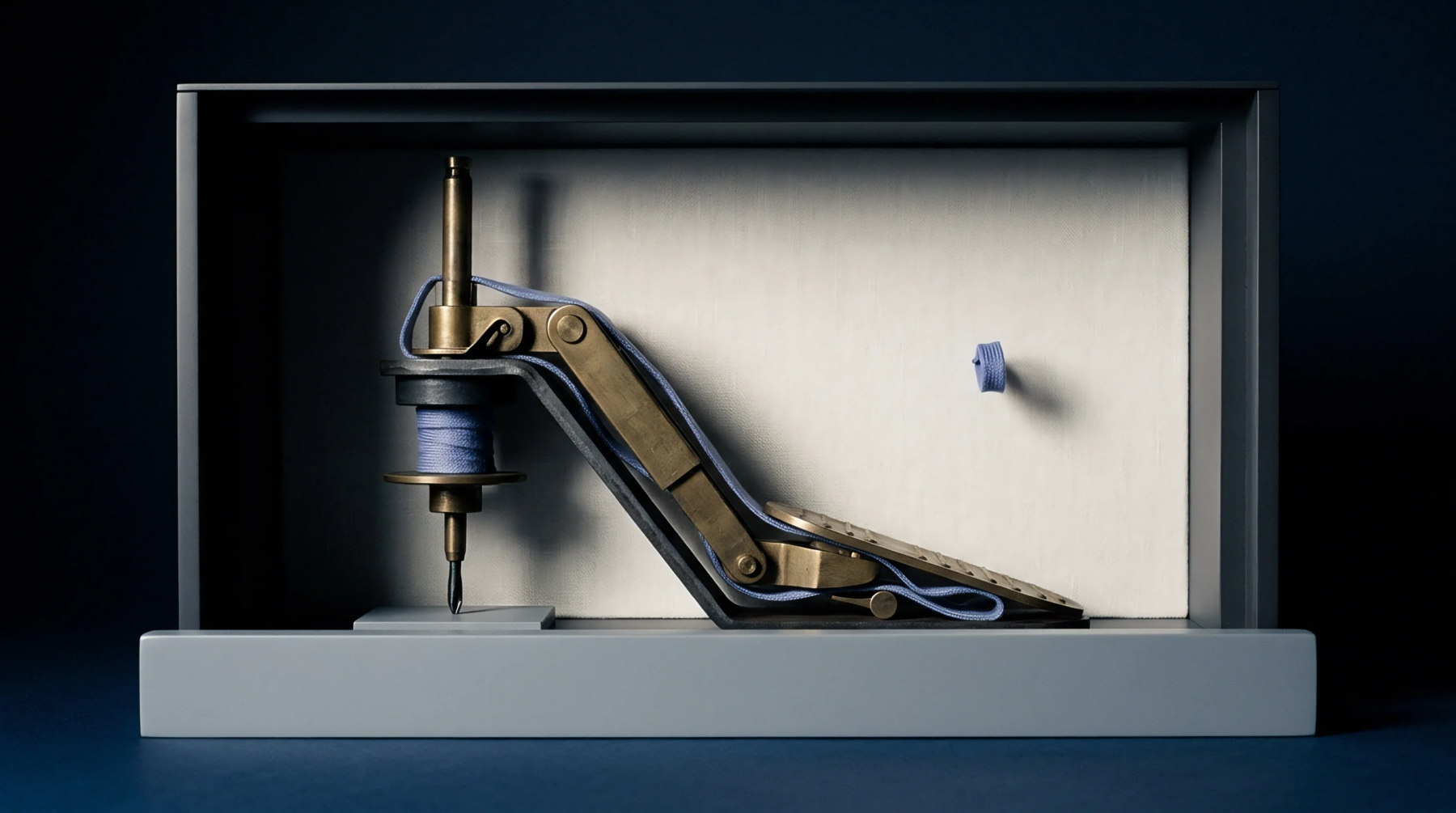
Greige reed marks and starting marks map directly to reed wire spacing and loom stoppage dynamics, requiring electronic let-off adjustment to eliminate defects.

ASTM D5430 four-point scoring normalises greige defects per 100 square yards, capping penalties at four points per yard to decide lot acceptance.

Transitioning hand-loom samples to automated looms requires increasing warp cover factor and tuning shed dynamics to withstand high-speed night-shift tension.
High warp tension on wet spun flax accelerates crystalline bundle micro-cracking, requiring controlled sizing regain and reduced shedding angles to maintain shed capacity.

Equal weight plain weave stands rigid while twill drapes because maximum yarn crossover frequency locks crimp and restricts lattice shear mobility.
Expertise is a utility, not a secret. sentiention™ publishes its working knowledge as open reference: intelligence layer covering the materials it sources, the markets it enters, and the reference that serves both.