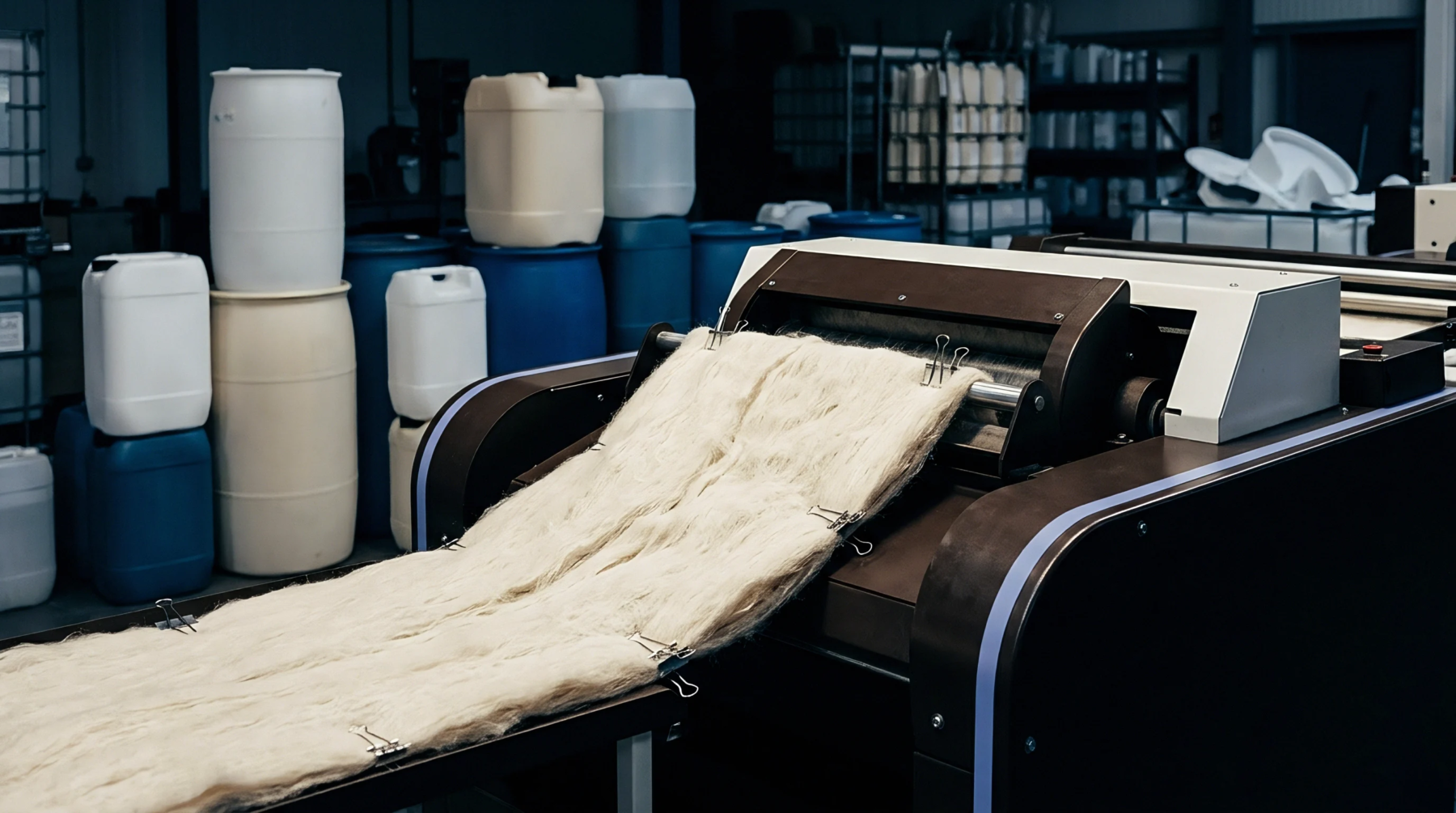
Mathematical Quantification of Machine Interference Penalties in High Density Flax Weaving Contracts
High-density flax weaving contracts require Ashcroft queueing models to adjust loom-hour rates for non-linear machine interference losses.
High-density flax weaving contracts require Ashcroft queueing models to adjust loom-hour rates for non-linear machine interference losses.
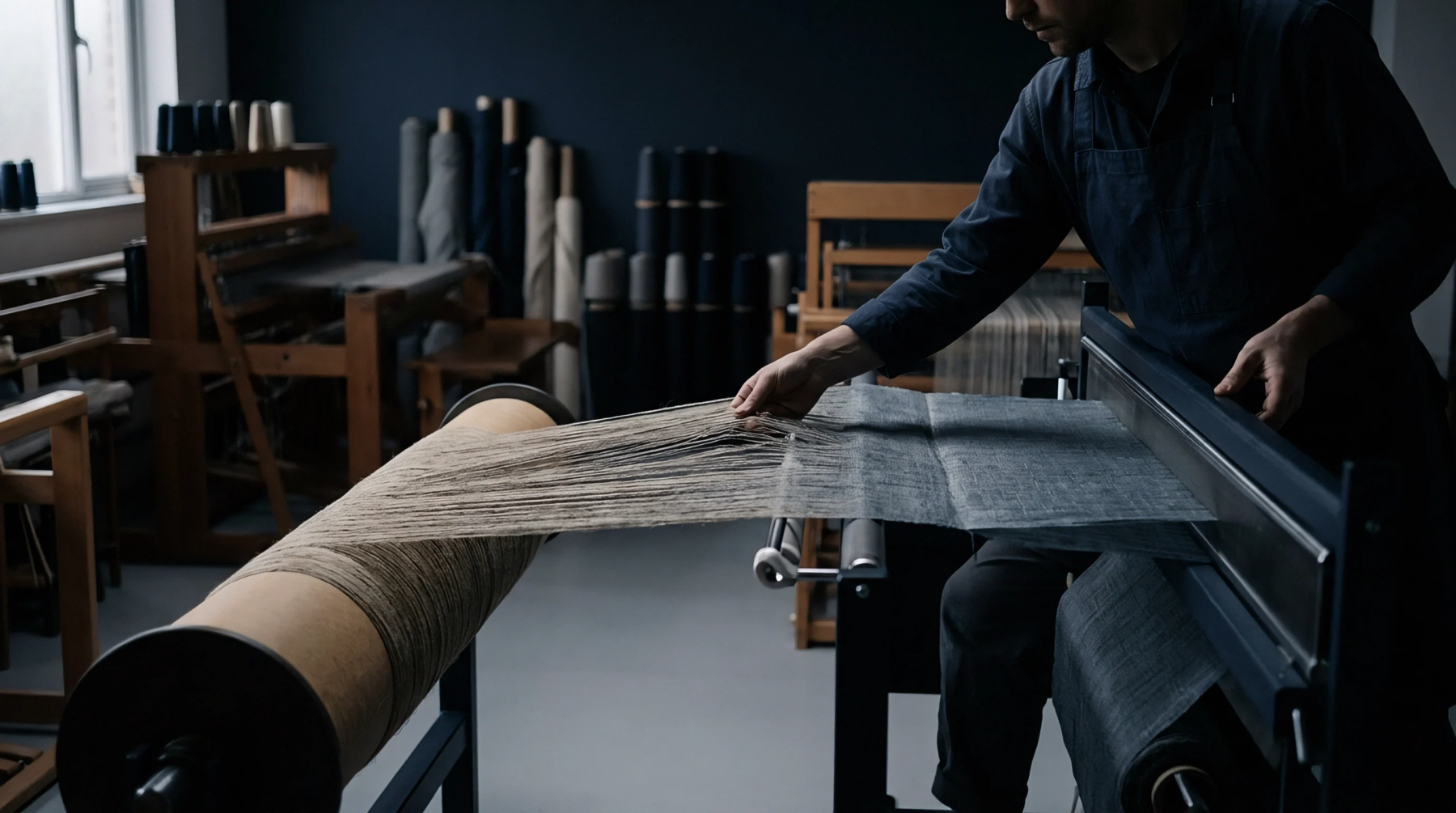
Differentiating spinning and sizing root causes requires cross-sectional microscopy and high-speed tensile testing to map size encapsulation against yarn mass variation.

Dynamic interference time in dense fine linen weaving escalates exponentially above six-loom allocation sets, demanding dynamic workload modeling to protect loom hour margins.

High sett warp contracts reconcile unplanned loom downtime and greige demerit credits by balancing loom hour overhead against four point defect penalties.

Fine warp setts collapse loom efficiency through yarn cling and stops; buyers absorb costs via sett surcharges unless target efficiency caps are contracted.
Expertise is a utility, not a secret. sentiention™ publishes its working knowledge as open reference: intelligence layer covering the materials it sources, the markets it enters, and the reference that serves both.