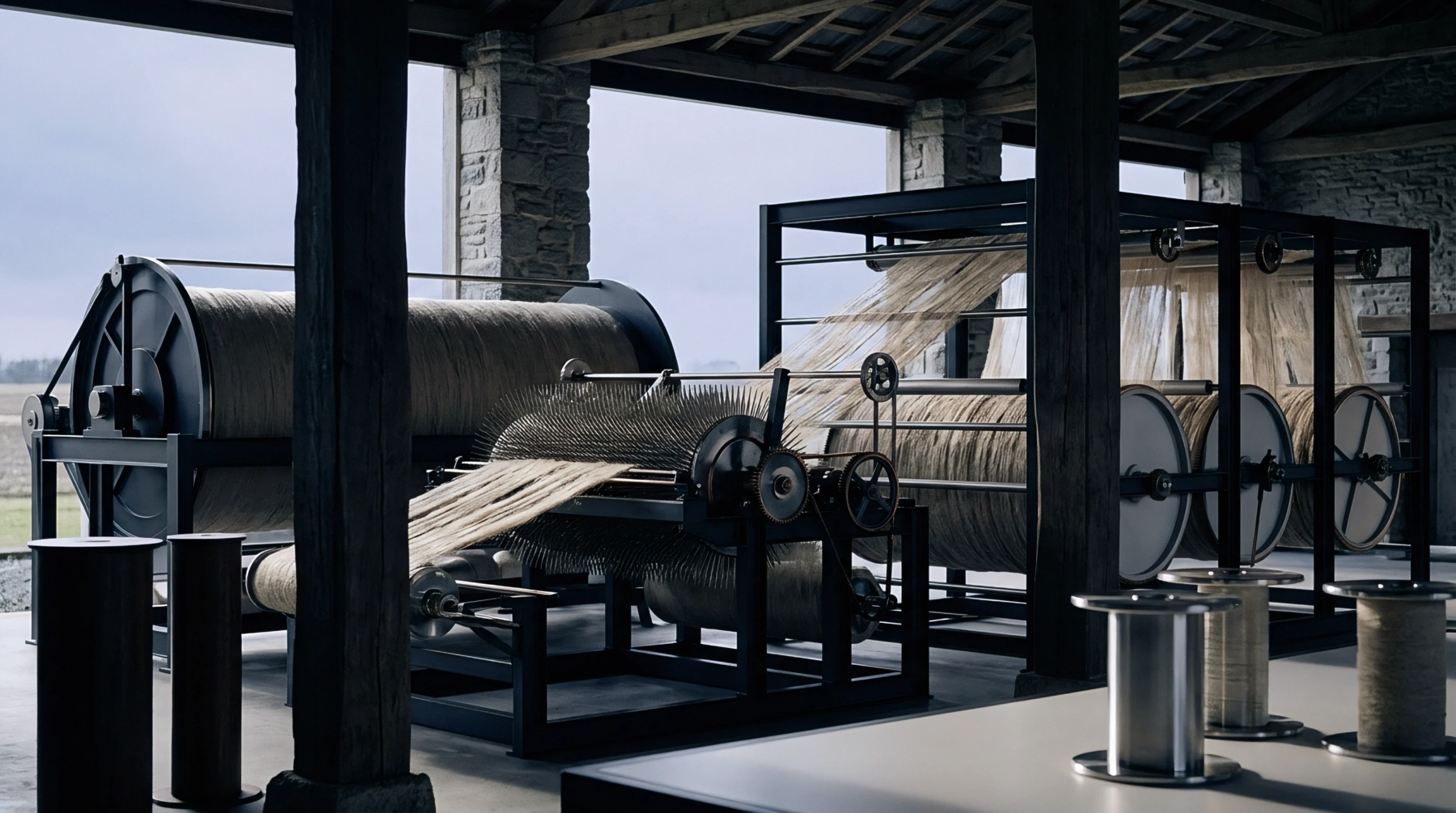
Optimizing Drawing Frame Draft Distribution Using Optical Flax Fibrogram Measurement
Optimizing draw frame break draft and ratch settings using optical flax fibrogram metrics reduces sliver weight CV percent below 2.9 percent.
Optimizing draw frame break draft and ratch settings using optical flax fibrogram metrics reduces sliver weight CV percent below 2.9 percent.

Optimizing wet spinning trough bath temperature and pH shifts middle lamella pectin into a controlled viscoelastic slip state to increase spinnable yarn count.
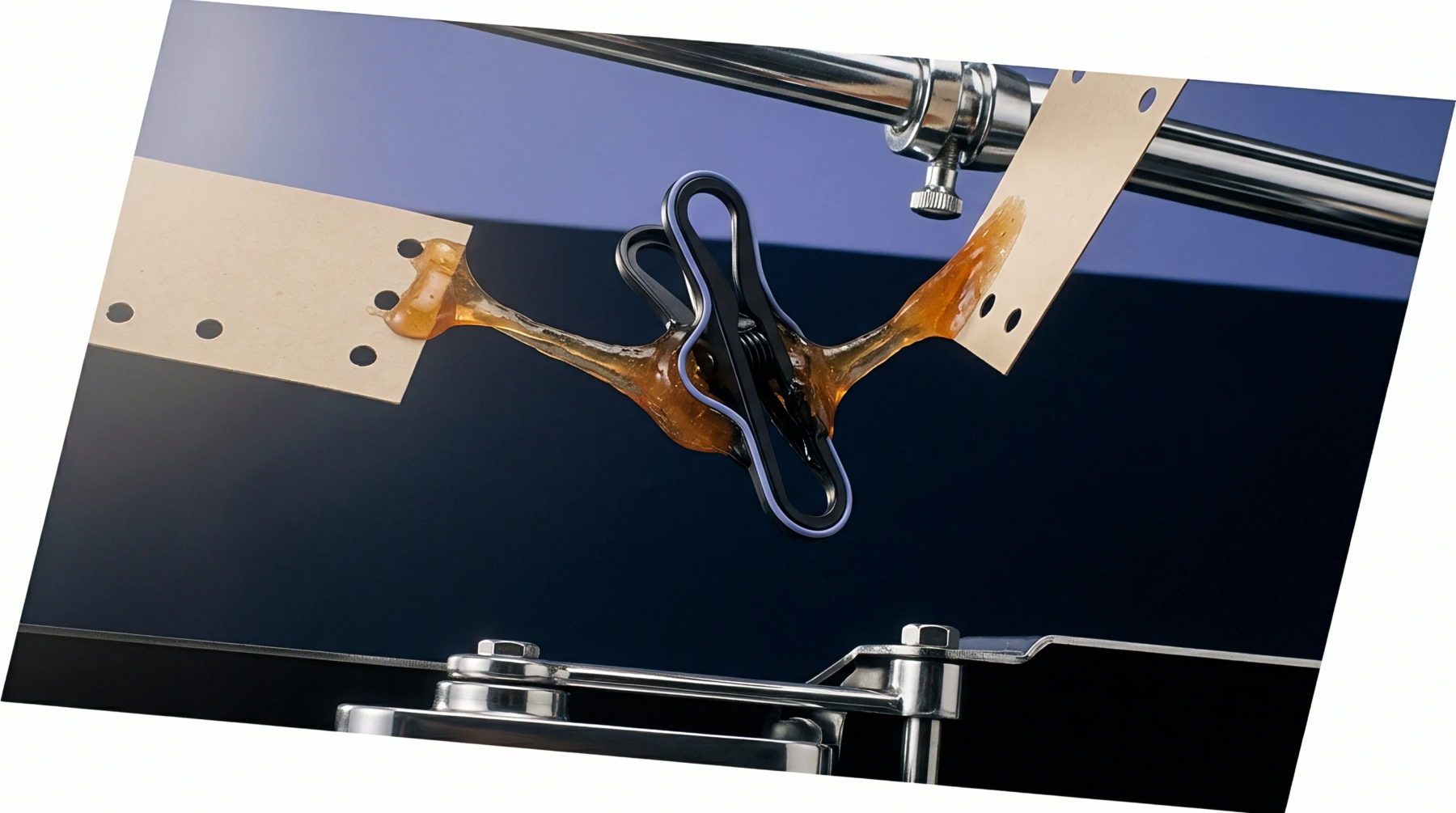
Testing wet spun linen yarn under ISO 2062 requires pneumatic horn clamps and sixty-five percent relative humidity to achieve accurate tenacity measurements.
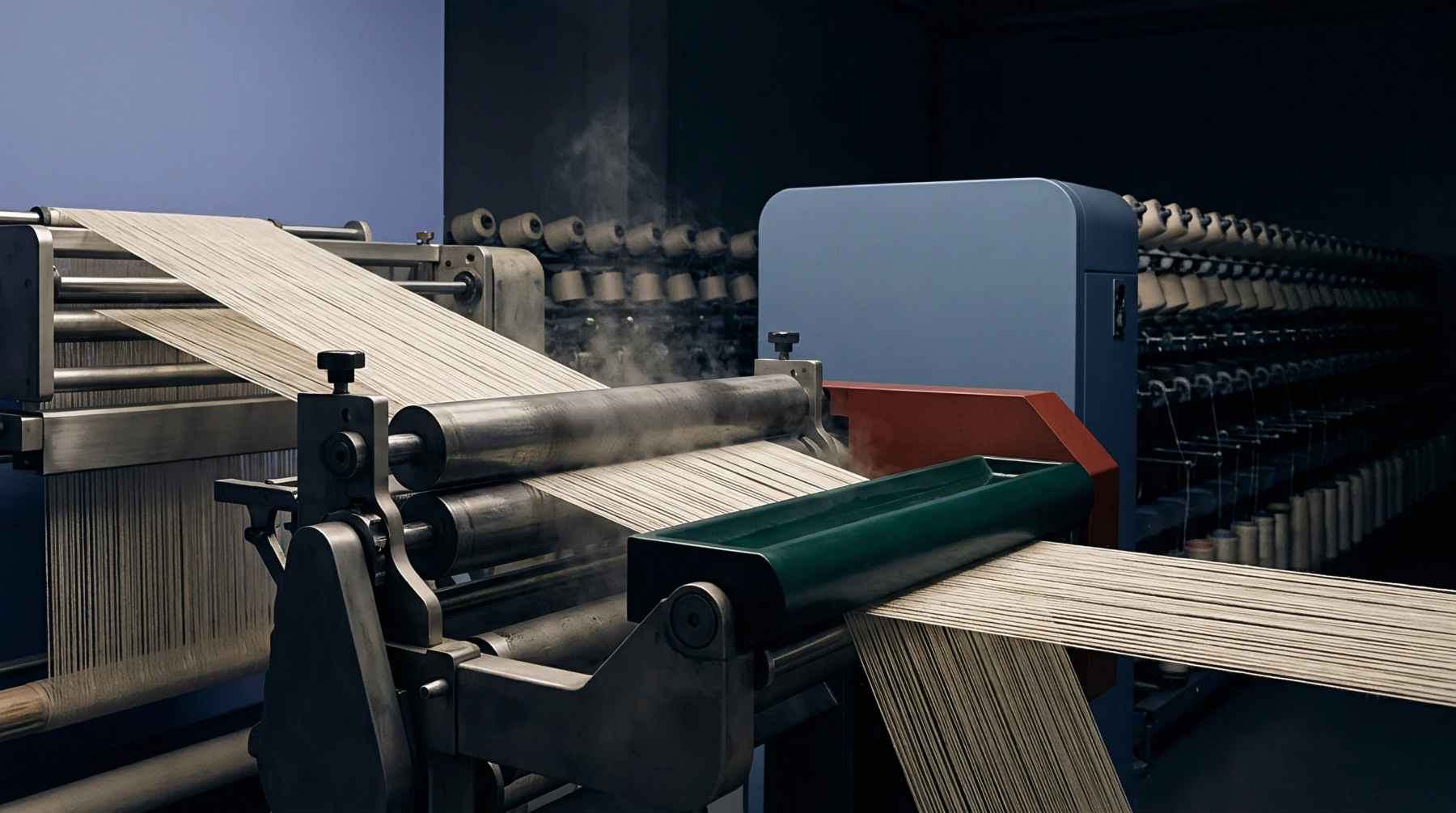
Optimizing wet spinning steam cycles plasticizes bast pectins, lowering drafting force, reducing Uster CV% mass variation, and enabling finer yarn counts.
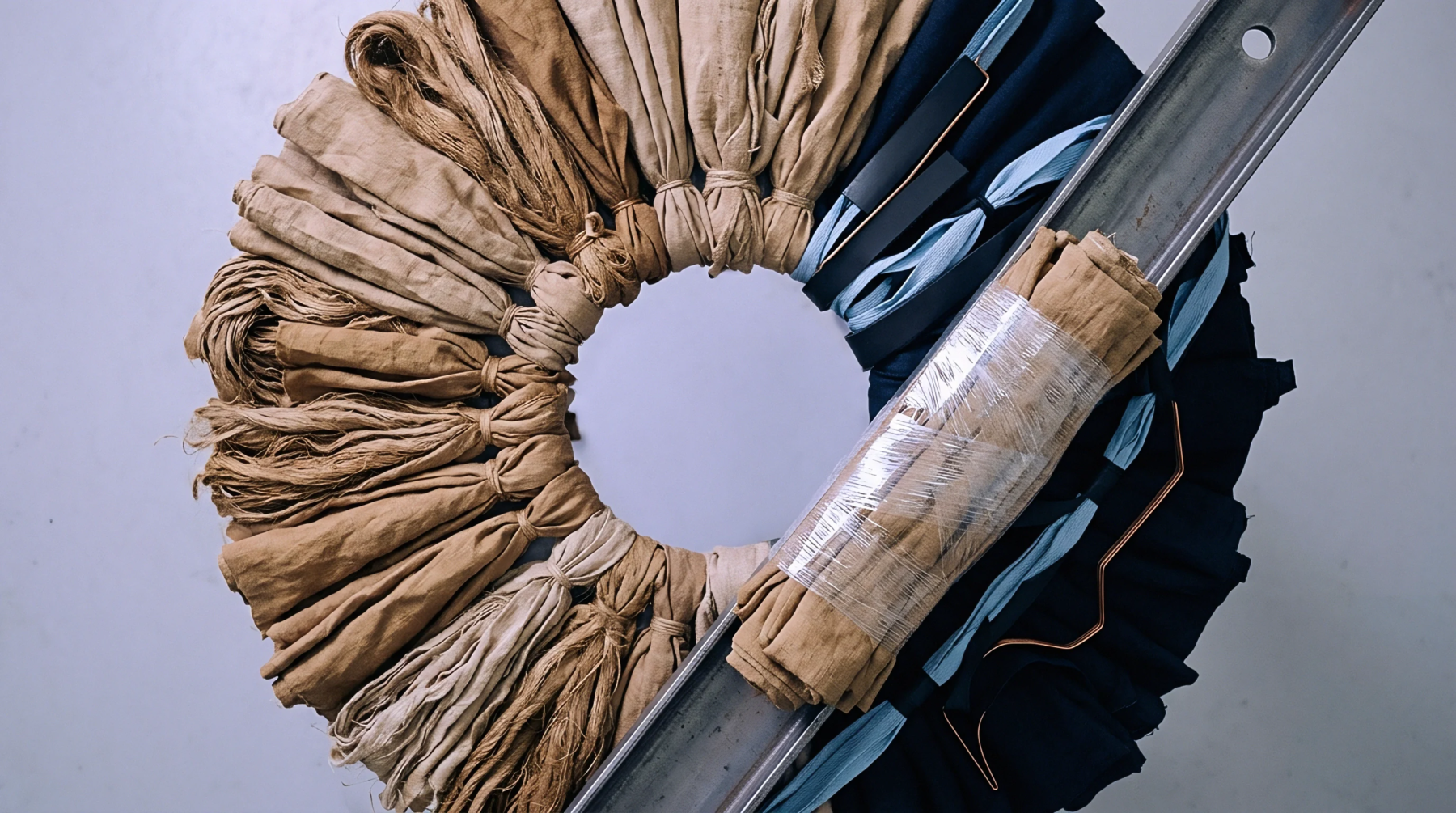
Heat stressed flax requires higher trough temperatures, specialized softeners, reduced break drafts, and lower traveler weights to prevent end breakage.
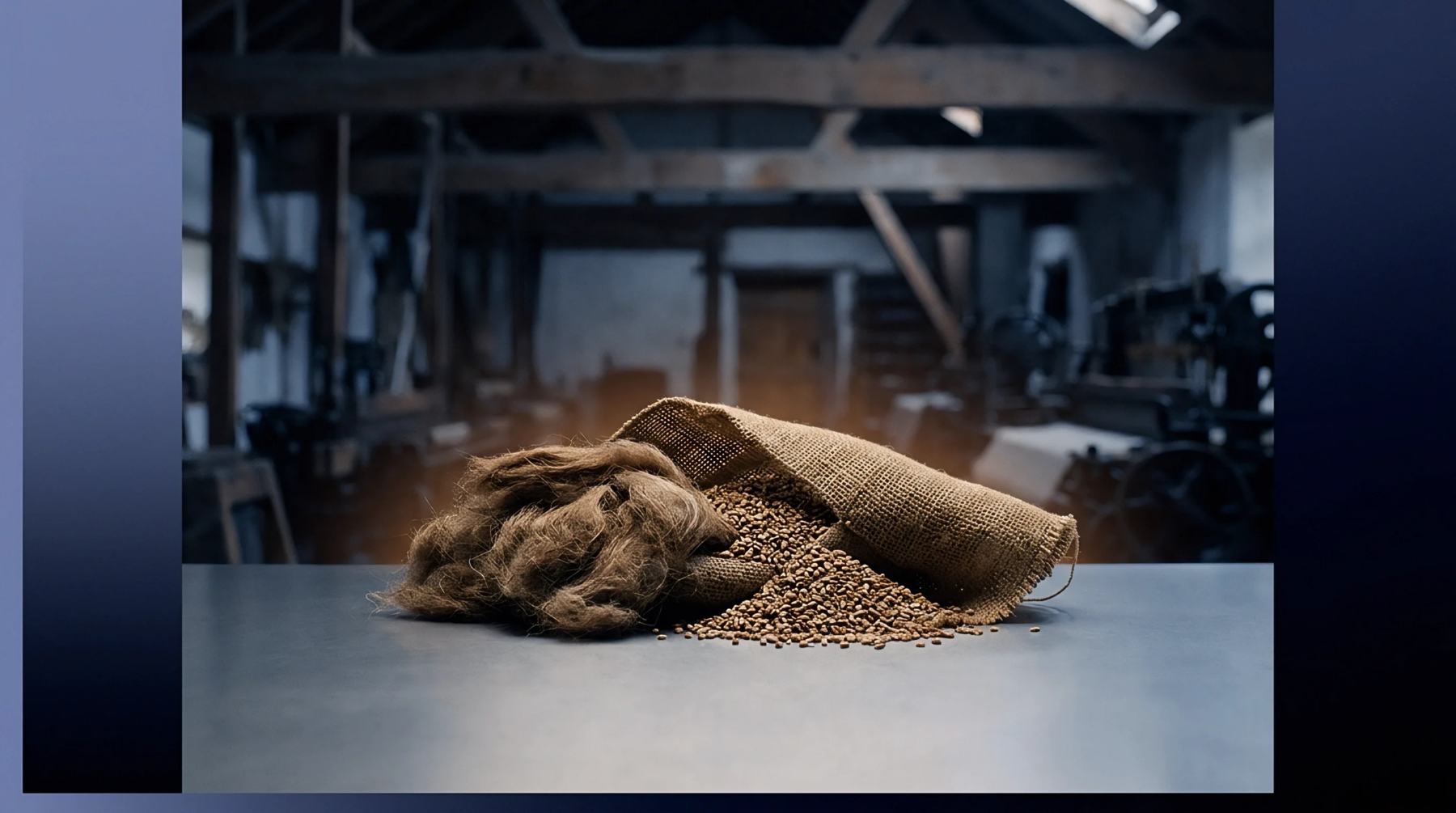
Targeted enzymatic pectin extraction lowers middle lamella pectin to 1.7 percent, boosting long line hackling yield to 66 percent and enabling wet spinning up to Nm 80.
Hydynamic boundary layer reduction in wet-spinning troughs accelerates core hydration, stabilizing swelling and lowering yarn count CV percent.
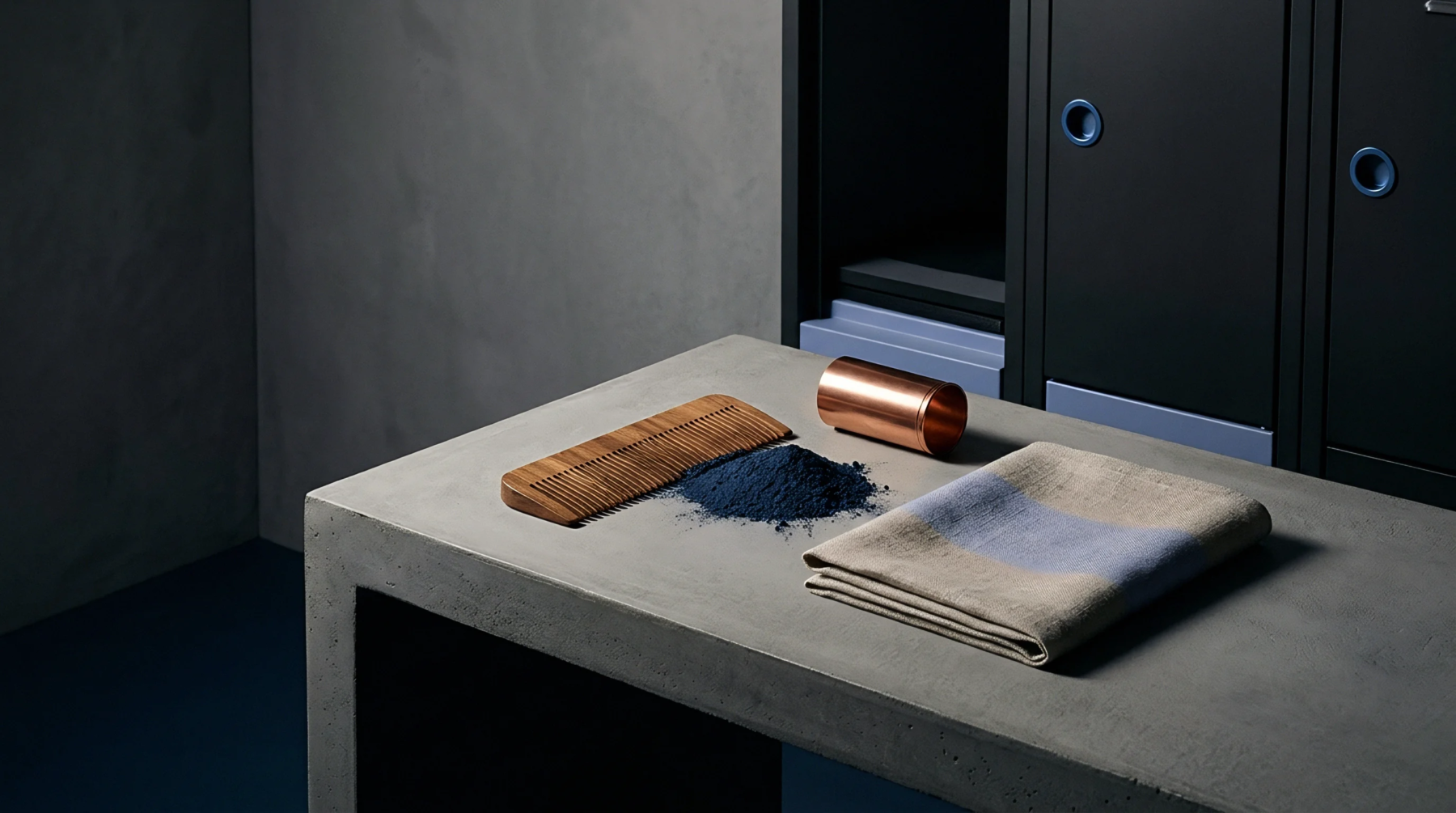
Comb sorter profiling establishes staple length distribution, short fibre content, and drafting bounds to guarantee target yarn counts and fabric yield.
Hydrothermal pectin dissolution rates must match drafting speed and bath temperature to prevent core rigidity or slippage in the wet spinning draft triangle.

Optimizing hackling pin density requires matching pin pitch progression directly to the scutched flax length array to maximize fine line yield while preventing fibre breakage.
Expertise is a utility, not a secret. sentiention™ publishes its working knowledge as open reference: intelligence layer covering the materials it sources, the markets it enters, and the reference that serves both.