Thermal Modification
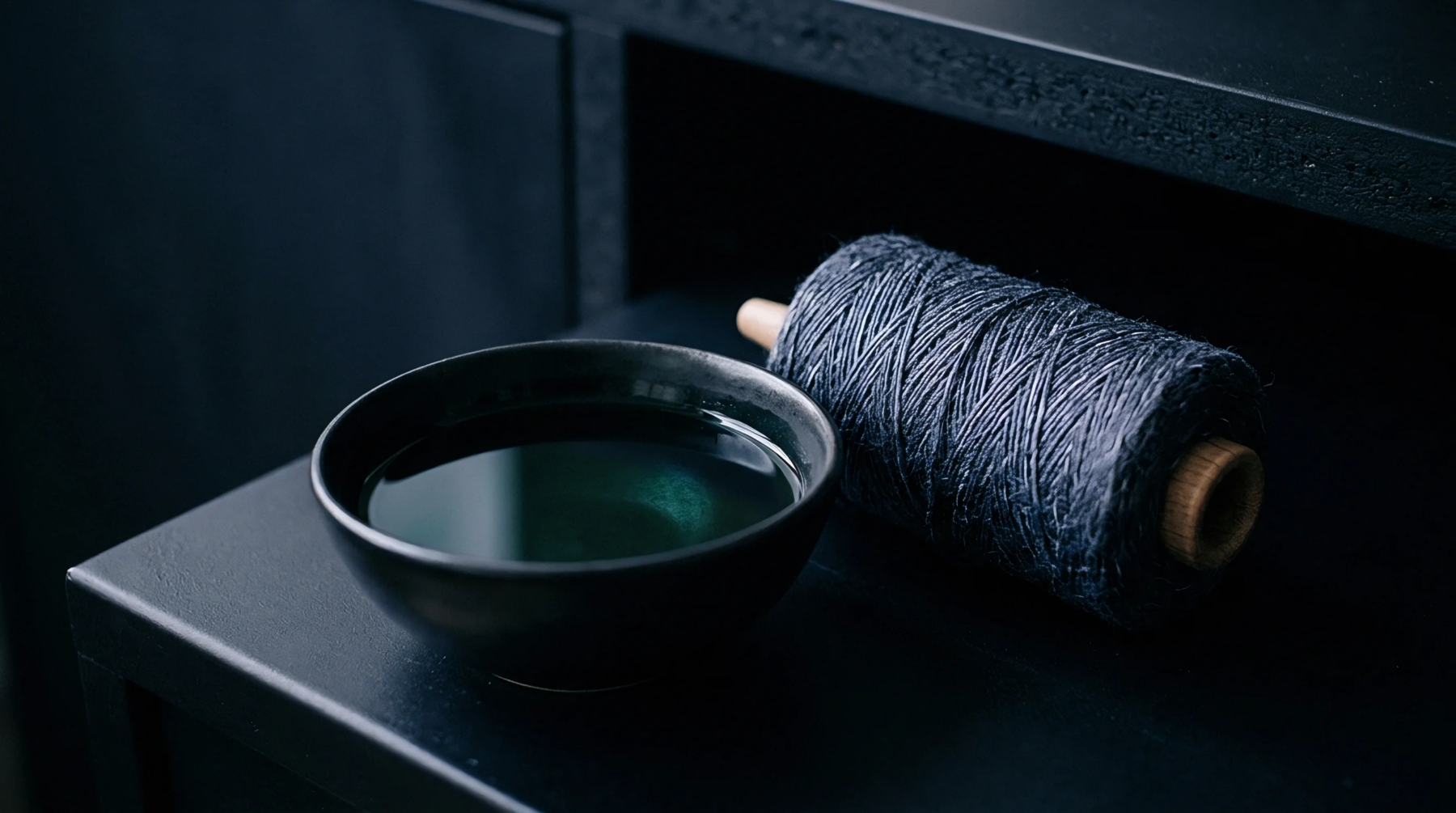
Softening of the natural gums and pectins that bind flax fibres together occurs when the rove is exposed to high temperature water before drafting. This structural alteration, termed hydrothermal plasticization, increases the flexibility of the hemicellulose matrix that surrounds the cellulose fibrils. Hot water breaks the intermolecular hydrogen bonds within the non-crystalline regions of the fibre bundle, allowing them to shift and slide under tension.
The modification prepares the flax for the high-draft spinning process required to produce fine counts of linen.
Drafting Adjustment
Drawing wet fibres on the spinning frame requires precise control of the drafting force to prevent fiber breakage or drafting waves. When hydrothermal plasticization is active, the drafting resistance falls, enabling the rollers to draw the fibers down to a finer sliver without snapping them. This change in physical properties allows for higher drafting ratios on the flyer spinning frame.
Yields are improved. Spinners must coordinate the drafting speed with the rate of softening to prevent uneven drafting and thick-thin faults in the spun thread.
Treatment Parameter
Control of water temperature and exposure time in the wetting trough determines the degree of fiber softening. If the hydrothermal plasticization is insufficient, the rove remains too stiff to draft, causing instant strand rupture. Optimal results are achieved when the water is heated to sixty degrees Celsius.