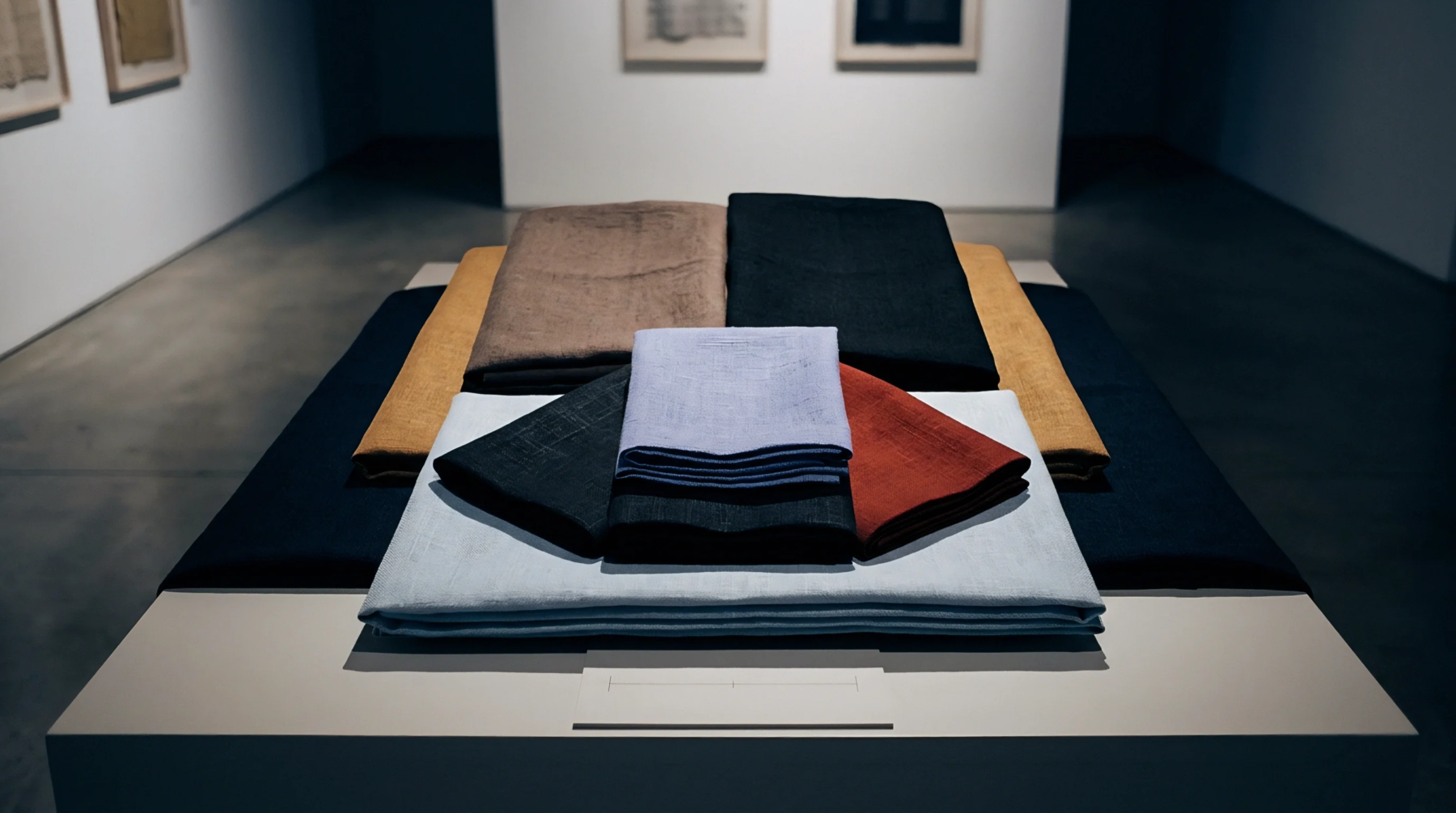
Standard Testing Methods for Determining Woven Fabric Linear Density
Standard woven linear density testing reconciles cloth mass per linear metre with desized, straightened yarn tex under controlled humidity.
Standard woven linear density testing reconciles cloth mass per linear metre with desized, straightened yarn tex under controlled humidity.
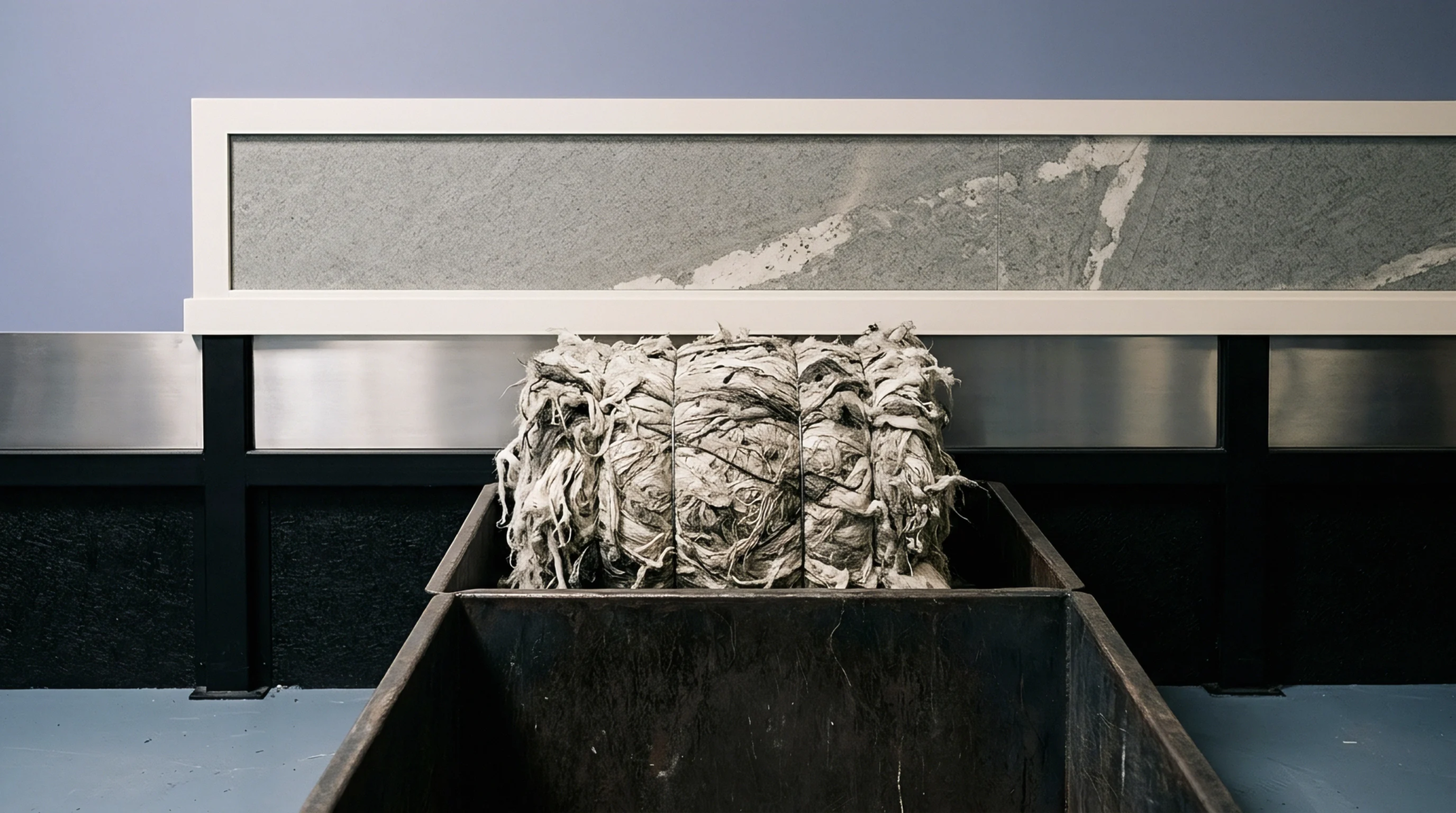
Scouring linen increases GSM despite mass loss because wet viscoelastic crimp interchange condenses thread count faster than non-cellulosic extraction lightens yarn.
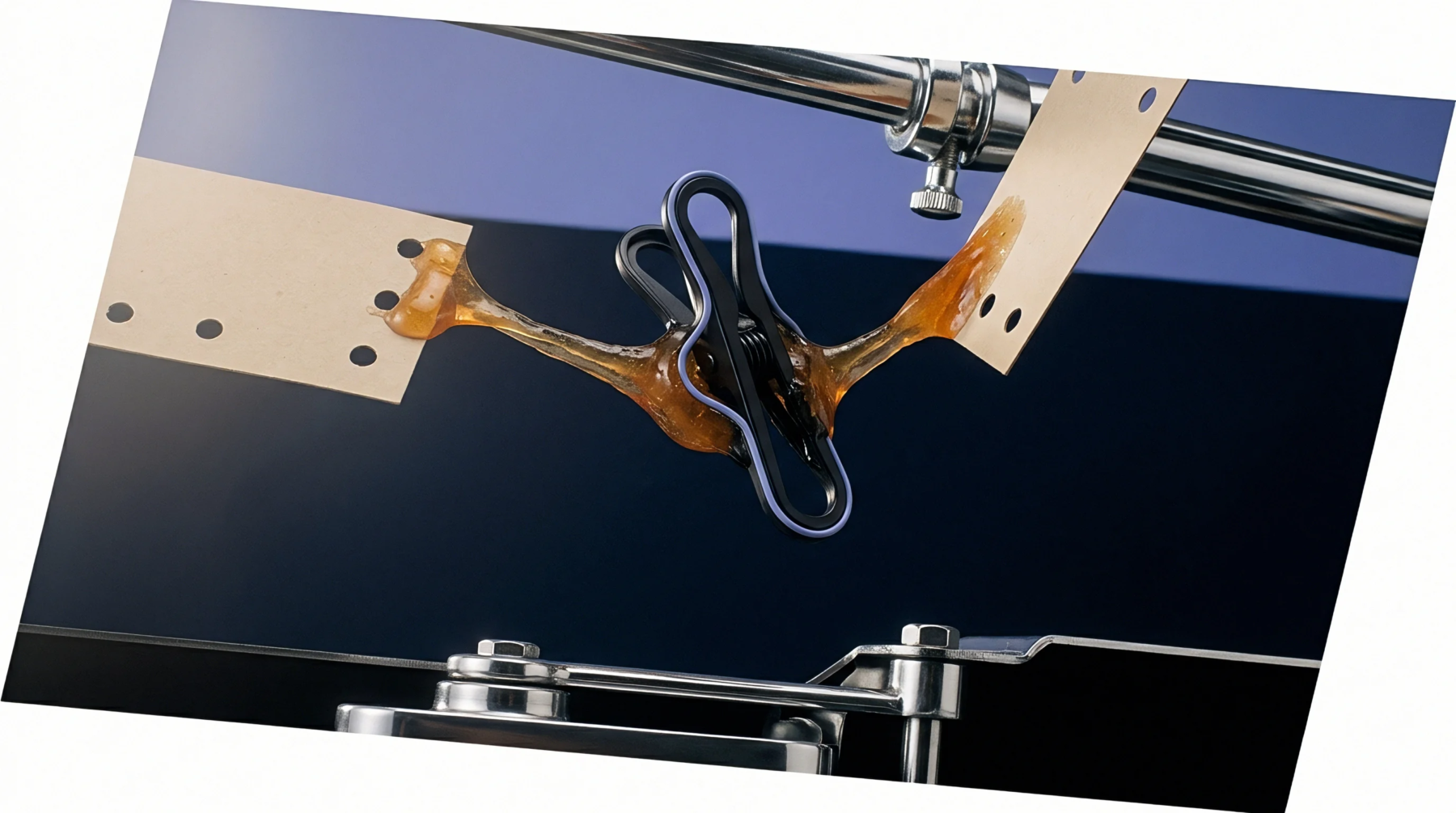
Pure bending laboratory testing isolates fabric bending rigidity and hysteresis width from gravitational shear, yielding precise metrics for cloth tailoring.
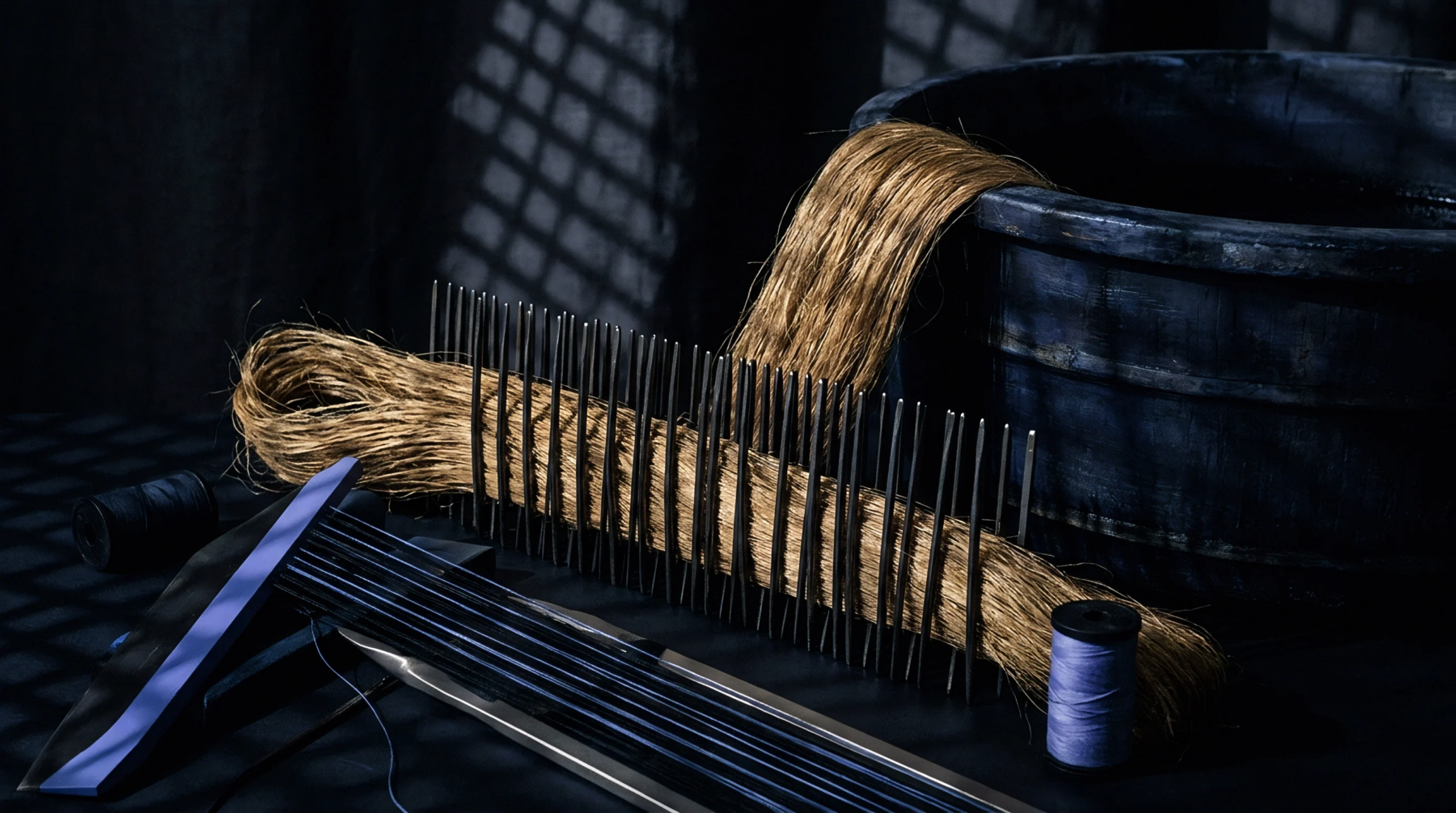
Generalized Maxwell Modeling quantifies speed-dependent warp tension spikes, allowing weavers to set loom parameters that minimize end breaks and starting marks.
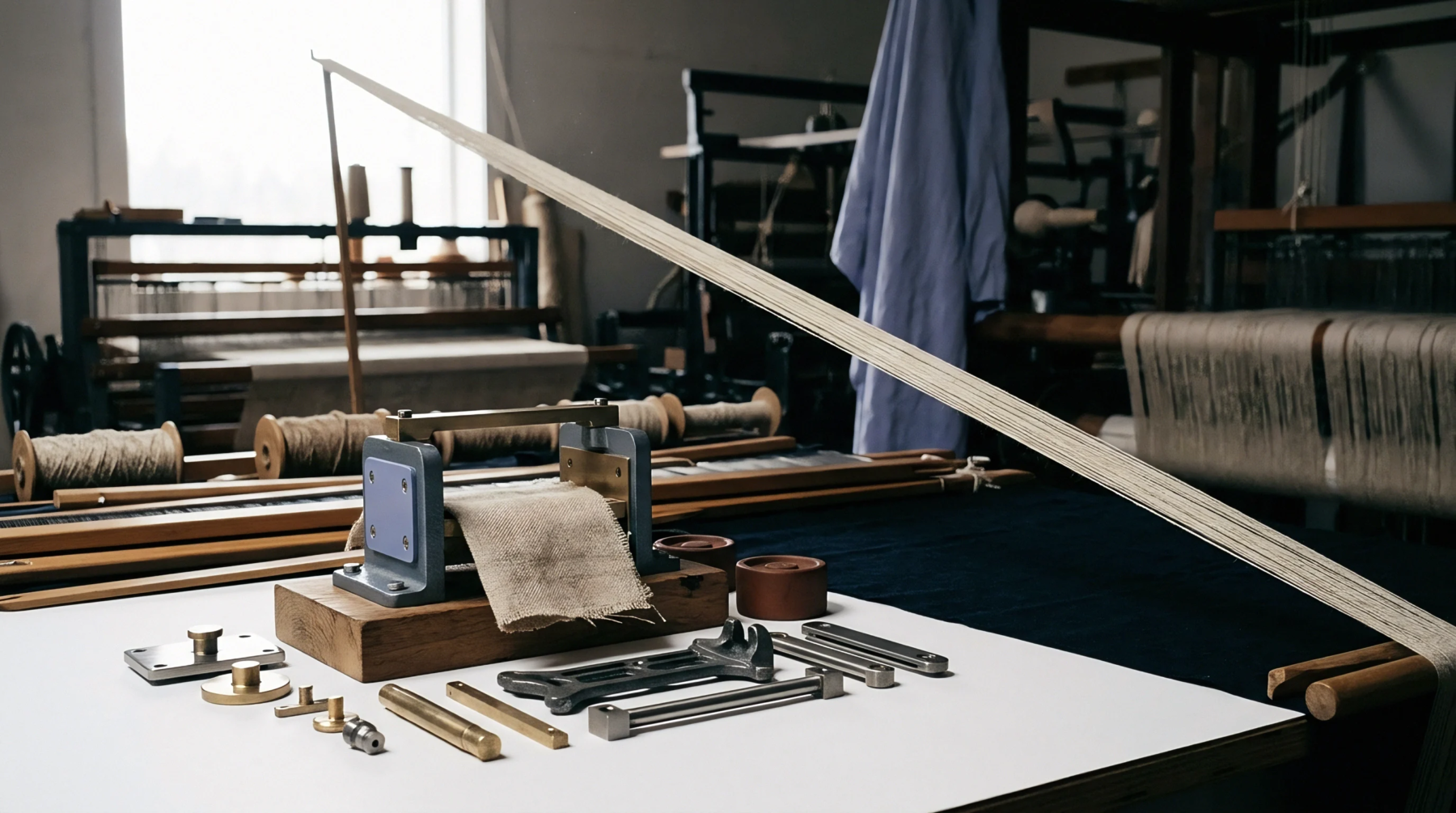
High-density flax weaving requires precise active warp tension control, asymmetric shedding, and 10 percent size add-on to prevent peak load breaks.
Active tension control and asymmetrical dobby dwell minimize stress spikes on low-stretch flax warps to prevent end breaks and starting marks.

Non-preferential origin under Union Customs Code Annex 22-01 hinges on meeting primary processing rules or proving predominant constituent fiber weight.

Deriving finished linen weight from greige density factors requires adjusting thread counts for dimensional contraction while subtracting non-cellulosic scour loss.
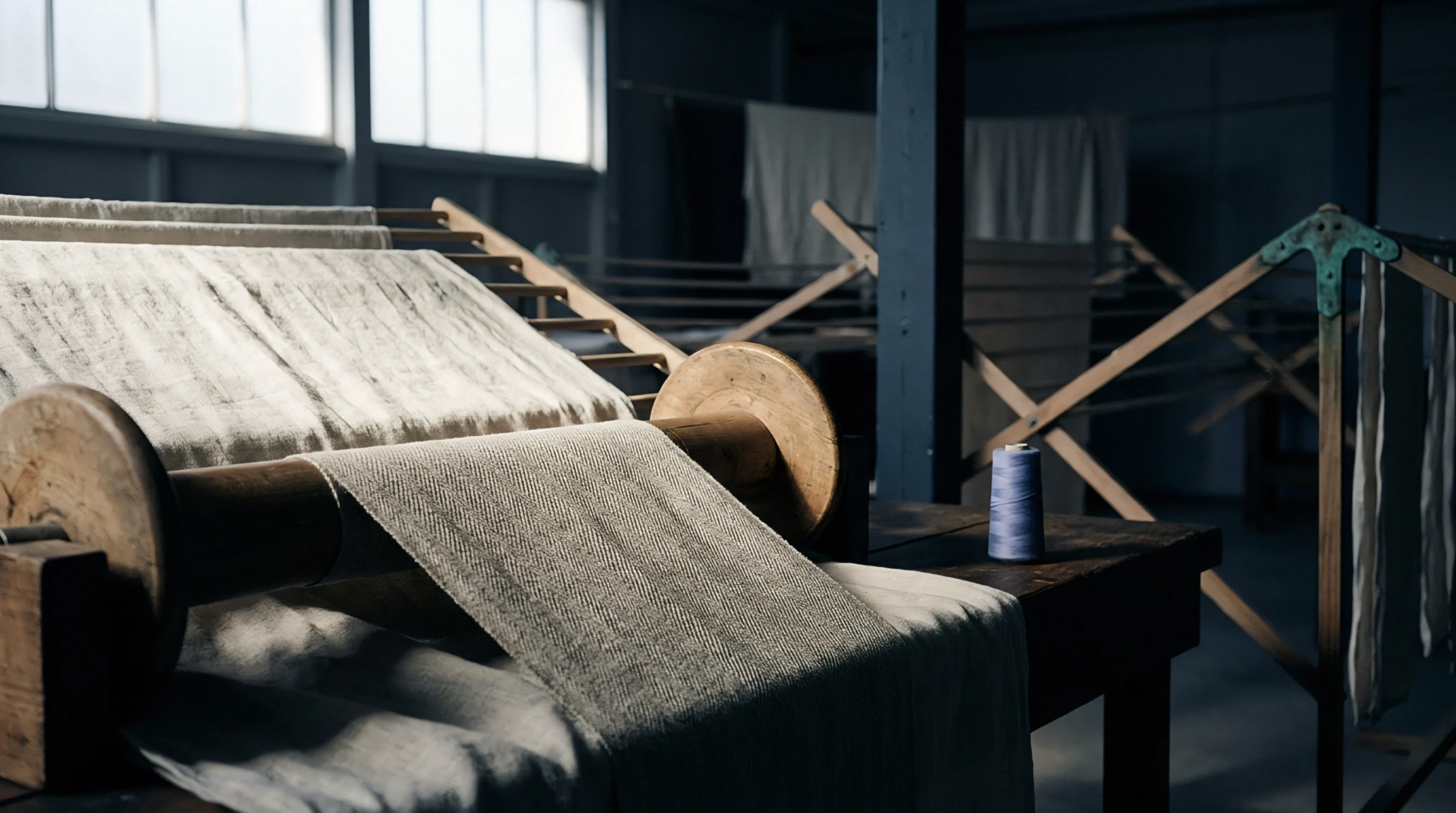
Warp take up ratio in grey plain weave determines true yarn length from cloth length, calculated via thread density, diameter, and crimp geometry.
Low cohesion flax slivers collapse under high draft ratios, requiring reduced trough temperatures, higher roving twist, and tight ratch settings to hold count.
Controlling residual pectin to 1.8-2.4% maintains inter-fiber void fraction below 0.32, maximizing packing density and tensile strength in blended line yarns.

Anisotropic hydration swelling and crimp interchange drive linen contraction, requiring accurate warp allowances to guarantee finished dimensions and cost.

Primary rapier trim scrap depends on insertion geometry rather than fabric width, requiring exact tail length modeling to prevent yarn yield deficits.

Gravimetric flax fineness testing requires correcting bone dry bundle mass to 12% standard regain to prevent count errors and landed cost distortions

Fine count wet spun linen mass balance requires deducting 2.5 to 4.5 percent pectin dissolution loss and count-adjusted mechanical scrap from dry input mass.
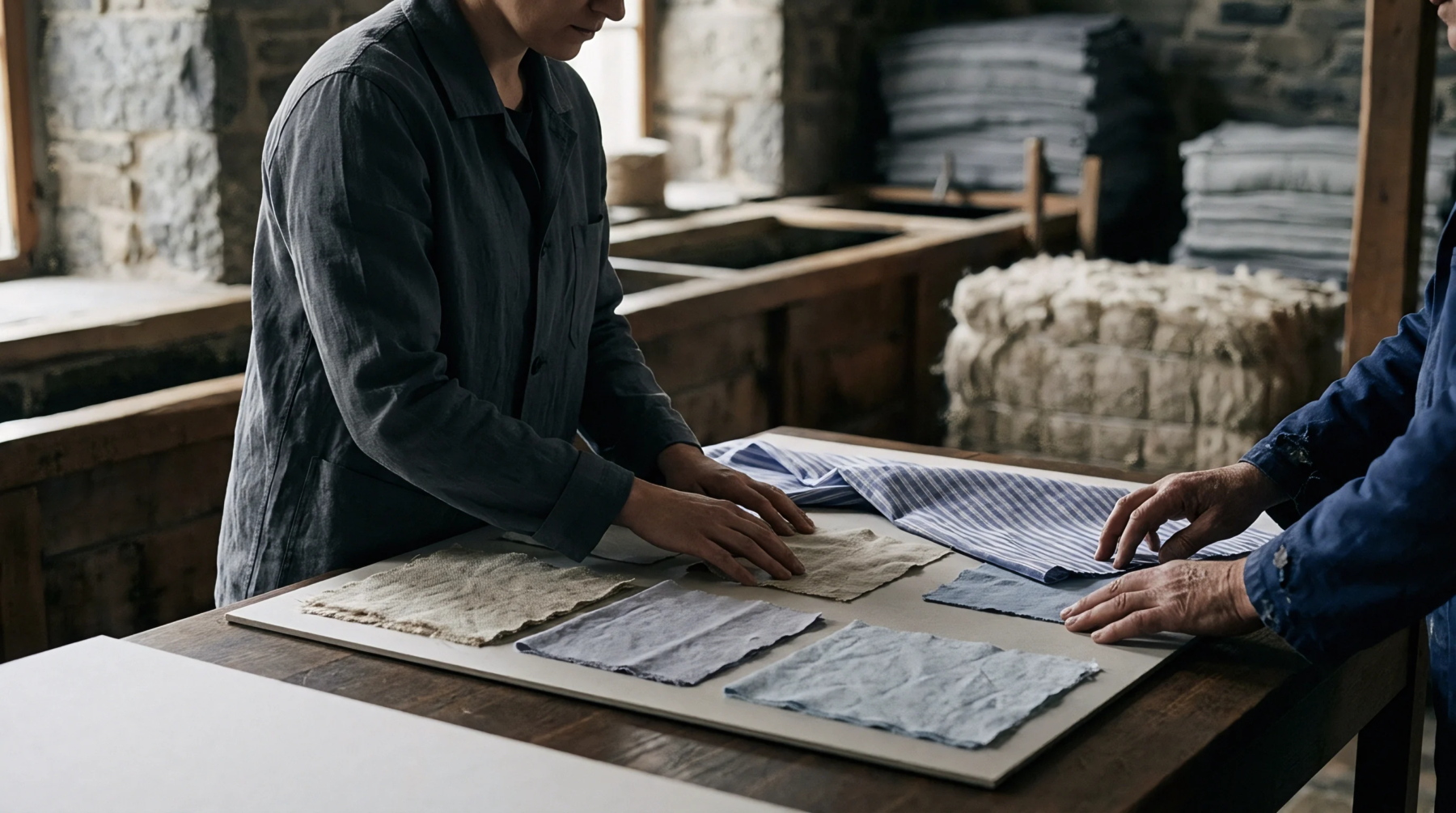
Exact yarn mass calculation for plain weave greige linen requires converting Lea to Tex, factoring warp crimp, reed width, and 12% standard moisture regain.
Linear density conversions for linen require applying official moisture regain factors to Lea and Tex counts to fix structural fabric weights accurately.
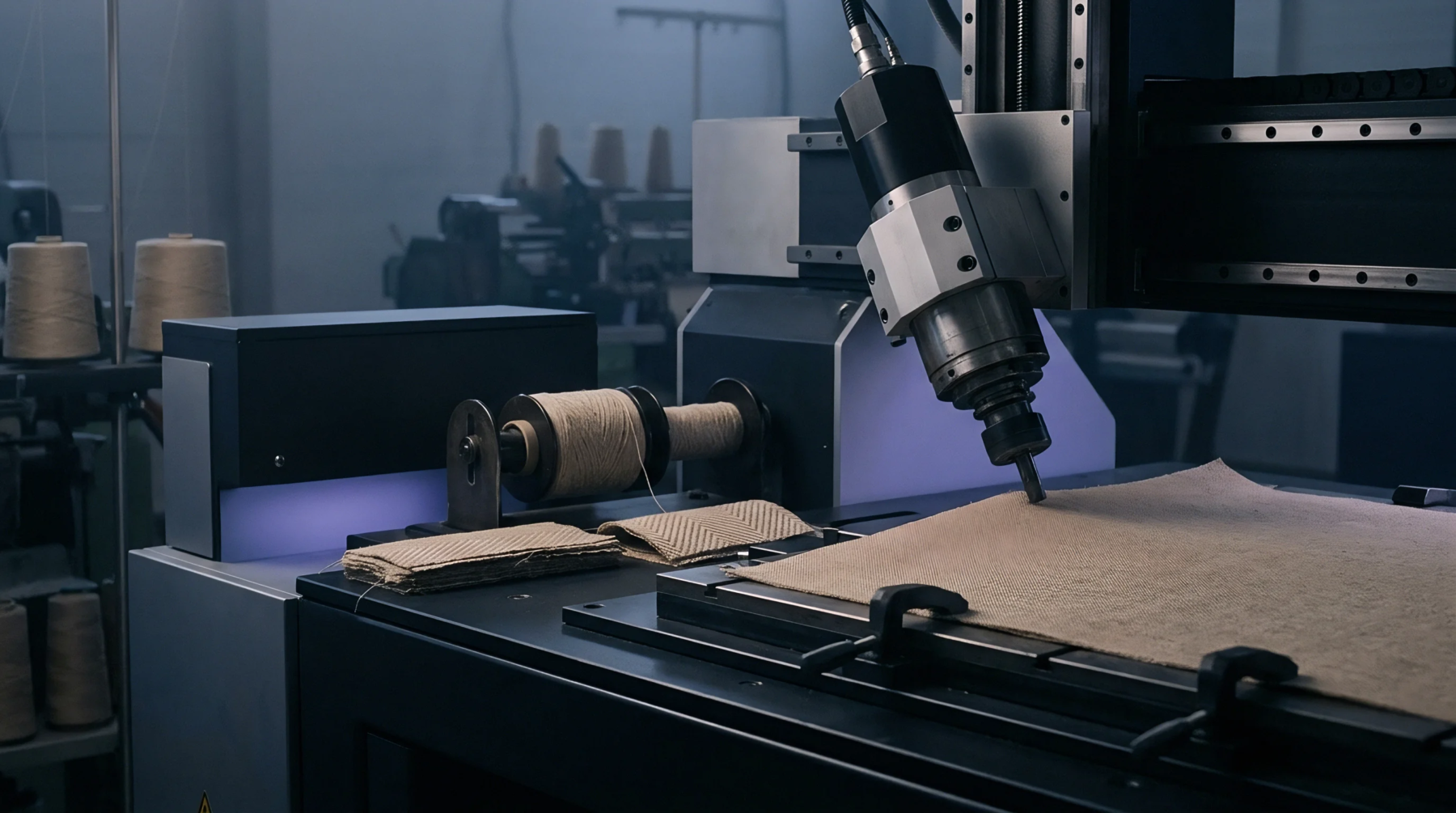
Optimizing rapier clamping timing, catch cord width, and active pre-winder braking reduces total weft waste cascades below six percent on high speed linen sheds.

Reconciling warp crimp and waste factors prevents yarn budget deficits by capturing cumulative process losses across landed fabric cost models.
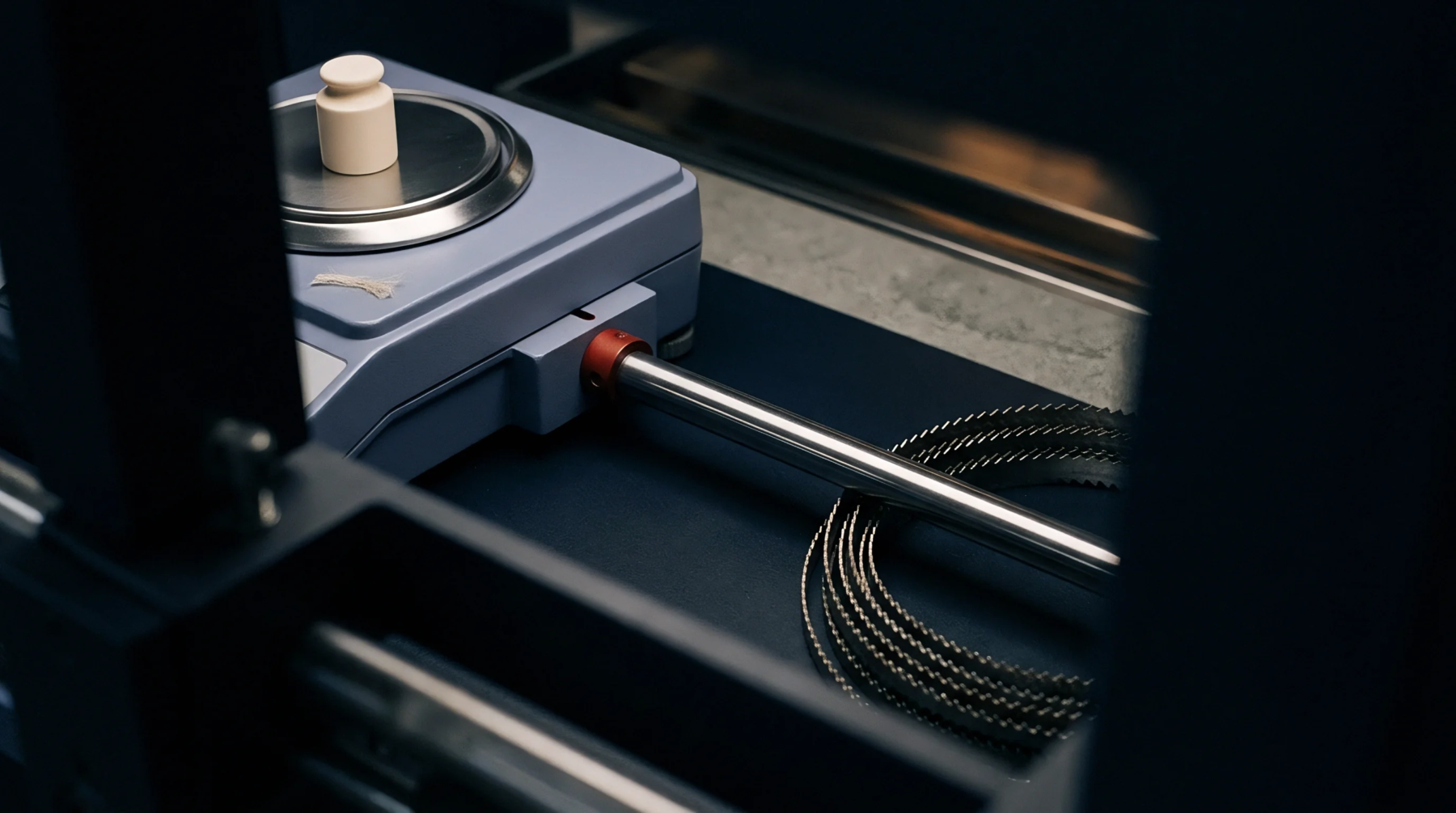
Conditioned middle-cut bundle weighing under ISO 2370 delivers precise flax line fibre linear density data for wet-spinning count calculations.
Expertise is a utility, not a secret. sentiention™ publishes its working knowledge as open reference: intelligence layer covering the materials it sources, the markets it enters, and the reference that serves both.