
Loom Stoppage Telemetry and Basics of Weaver Allocation Ratios
Weaver allocation balances labor wages against machine interference losses, where optimal loom-to-operator ratios maximize amortized shed efficiency.
Weaver allocation balances labor wages against machine interference losses, where optimal loom-to-operator ratios maximize amortized shed efficiency.

Base loom hour rates for dense jacquard weaving require calculating true capital depreciation, speed derating, and reduced operational efficiency per pick.
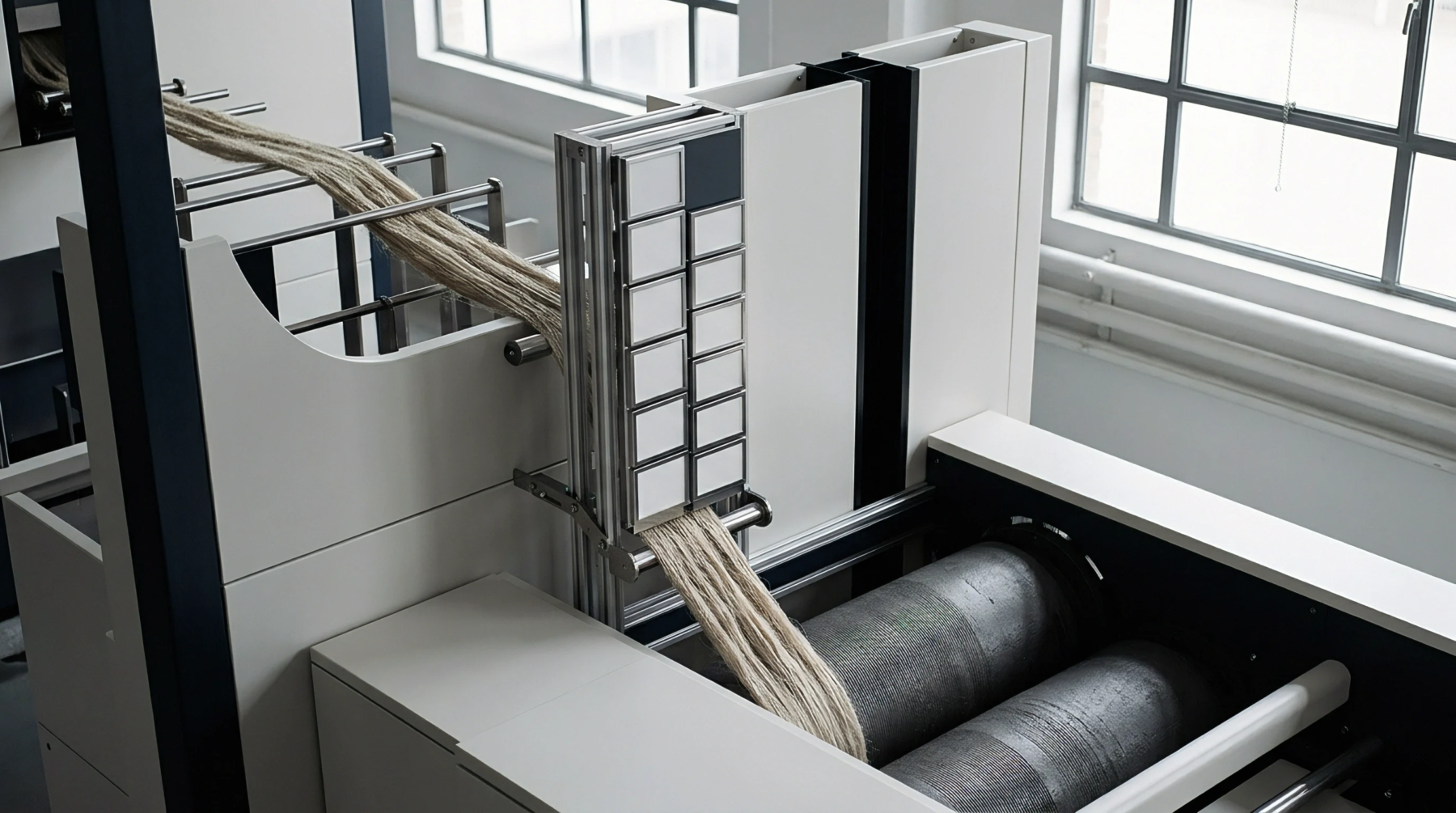
Adjusting weaver loom allocations based on high-density flax warp end-break rates maximizes loom-hour output and prevents stop-mark quality losses.
Fine linen warp break frequencies depend on single-end tenuity, size film flexibility, and shed opening geometry, directly governing loom efficiency and meter cost.

Calculate linear greige yield by dividing net picks per hour by pick density, adjusting reed width and warp length for crimp contraction.

Sizing penetration ratios between twenty and twenty-five percent minimize rapier yarn abrasion while preserving elasticity for peak loom efficiency.

Water-assisted pneumatic yarn splices with optimized wrapper density reduce high-frequency shedding stress failures and protect loom efficiency on rapier sheds.

Fine wet spun linen warps perform best between 68 and 72 percent relative humidity, capping dynamic friction below 0.35 to prevent warp tension breaks.

Electronic card fees cover digital hook mapping while loom hour output surcharges adjust metre costs for reduced insertion speed and lower shed efficiency.

Maintaining peak dynamic warp tension below thirty percent of single yarn tenacity is essential to prevent cyclic fatigue breakage in high density linen weaving.

High sett warp contracts reconcile unplanned loom downtime and greige demerit credits by balancing loom hour overhead against four point defect penalties.
Expertise is a utility, not a secret. sentiention™ publishes its working knowledge as open reference: intelligence layer covering the materials it sources, the markets it enters, and the reference that serves both.