
Determining Commercial Dry Mass in Flax Consignments
Commercial dry mass in flax consignments resolves by desiccation at 105C to isolate bone-dry mass, adjusted by official 12.00 percent regain for invoice settlement.
Commercial dry mass in flax consignments resolves by desiccation at 105C to isolate bone-dry mass, adjusted by official 12.00 percent regain for invoice settlement.

Reconciling hackling yield requires bone-dry mass baseline tracking and tow credit offsets to establish true landed costs for line yarn spinning.

Standard regain corrections adjust long line flax invoice mass by converting gross scale weight to oven-dry fiber mass plus twelve percent commercial regain.

Enzymatic pectin loss during cross-border transit reduces bone-dry flax mass, requiring spectrophotometric uronic acid assays to adjust landed contracts.

Scutched flax grading combines visual strick analysis with ISO 2370 airflow permeability to set hackling yield models and wet-spinning count limits.

Uncorrected flax moisture loss in transit breaks mass balance tracing, requiring oven-dry regain settlement to preserve field-to-bolt provenance.

Long staple flax grading and precision hackling control sliver yield, wet-spinning yarn count limits, and delivered fabric cost per metre.
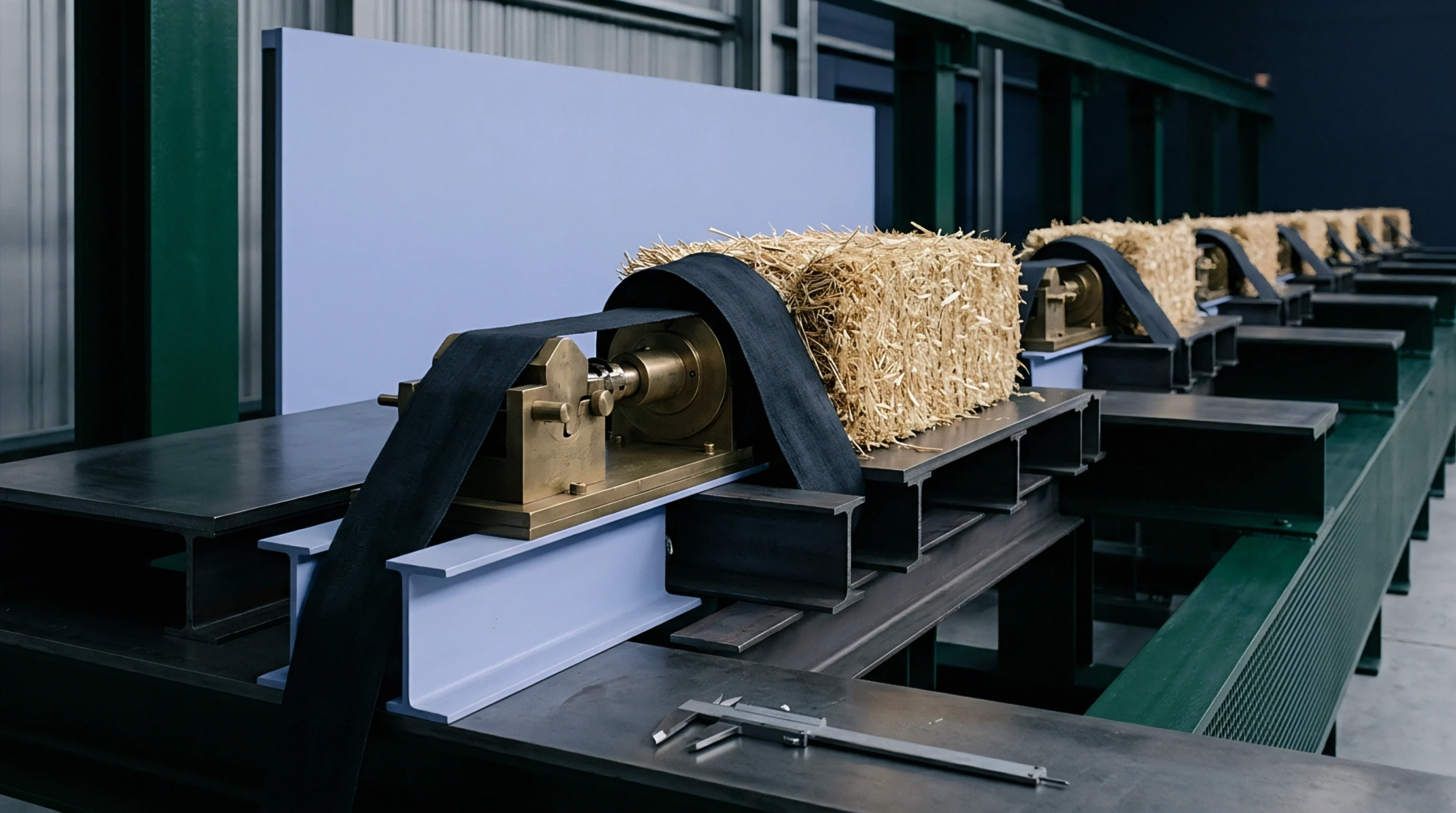
HS heading 5301 classifies flax by mechanical state, where shive content, staple length, and fibre parallelism separate raw straw, scutched stricks, line, and tow.
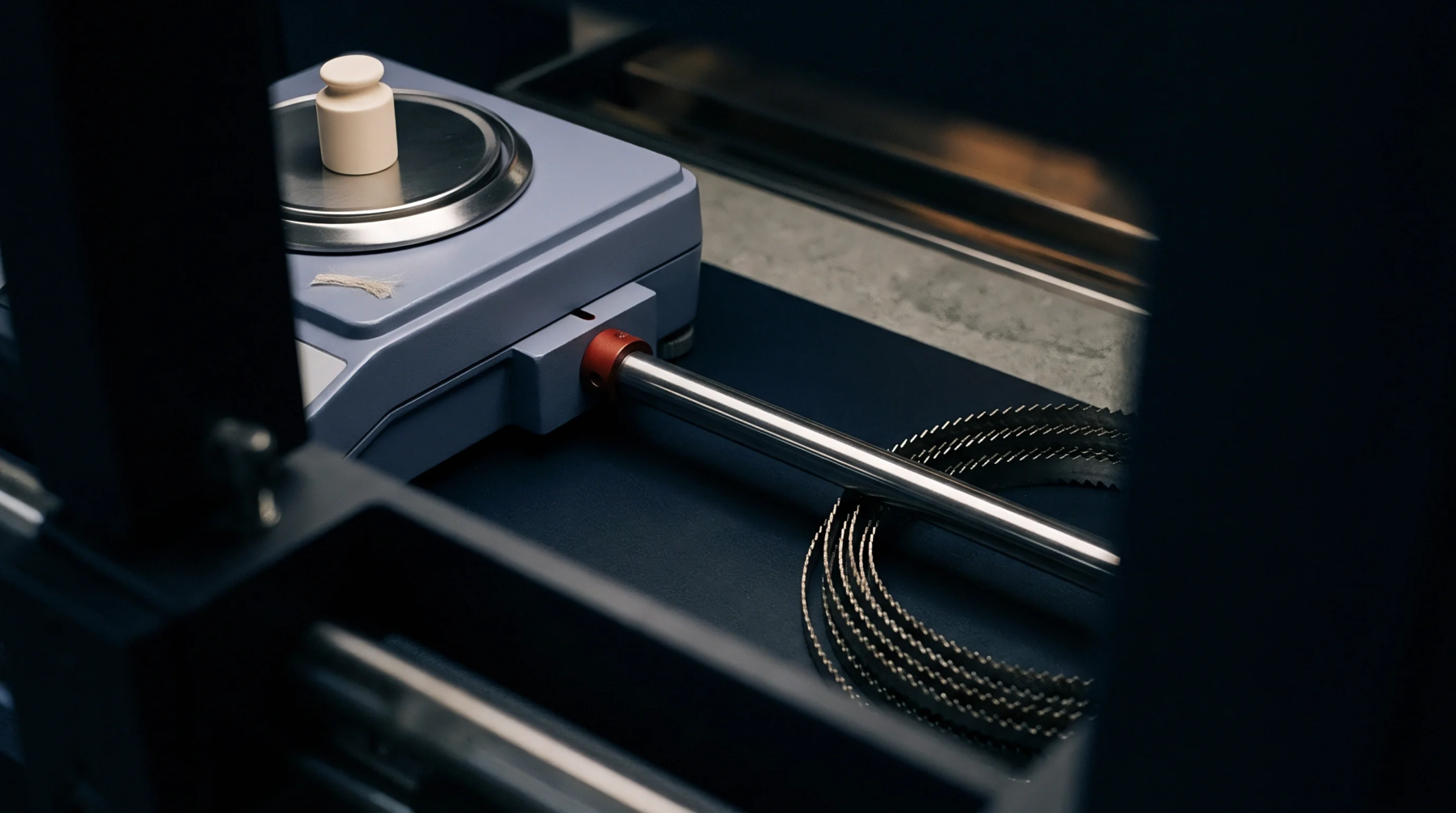
Analytical verification of hackled line and tow fractions requires gravimetric fineness, length sorter testing, and commercial moisture regain settlement.

Mass balance chain of custody requires dry-weight intake reconciliation, facility-specific yield factors, and valid transaction certificates at every border.

Origin enforcement for made-up linen rests on tariff shift rules, mill mass-balance records, and statutory processing criteria across trading blocks.

Certified Western European flax tracing demands transaction certificates for every owner change and precise mass balance auditing across all hackling steps.

Customs origin reconciliation requires mathematical proof that multi-stage processing losses from scutched flax to finished cloth stay within strict technical bands.

Split input transaction certificates by applying hackling mass loss factors to isolate tow co-product balances accurately.

Raw flax fiber mass balance verification requires converting physical scale weights to bone-dry mass plus official twelve percent commercial regain under ISO 2060.

X-ray diffraction quantification of widened microfibril spiral angles identifies internal cell-wall shear, preventing severe wet-spinning yarn breaks and weaving yield losses.

Standard moisture regain in scutched flax is determined by gravimetric desiccation at 105 °C, establishing invoice mass against the official 12% commercial regain.

Non-cellulosic pectin retention widens flax regain hysteresis, causing wet-spinning count variance and commercial mass billing errors up to 3.2 percent.

Middle lamella pectin and calcium levels dictate scutched flax hackling yield, wet-spinning trough plasticization, and maximum achievable yarn count.
Expertise is a utility, not a secret. sentiention™ publishes its working knowledge as open reference: intelligence layer covering the materials it sources, the markets it enters, and the reference that serves both.