
Secondary Cell Wall Microfibrillar Angle Influence on Flax Tenacity
Steep S2 microfibrillar angles below ten degrees direct tensile loads along cellulose chains, raising elementary fibre tenacity above sixty centinewtons per tex.
Steep S2 microfibrillar angles below ten degrees direct tensile loads along cellulose chains, raising elementary fibre tenacity above sixty centinewtons per tex.
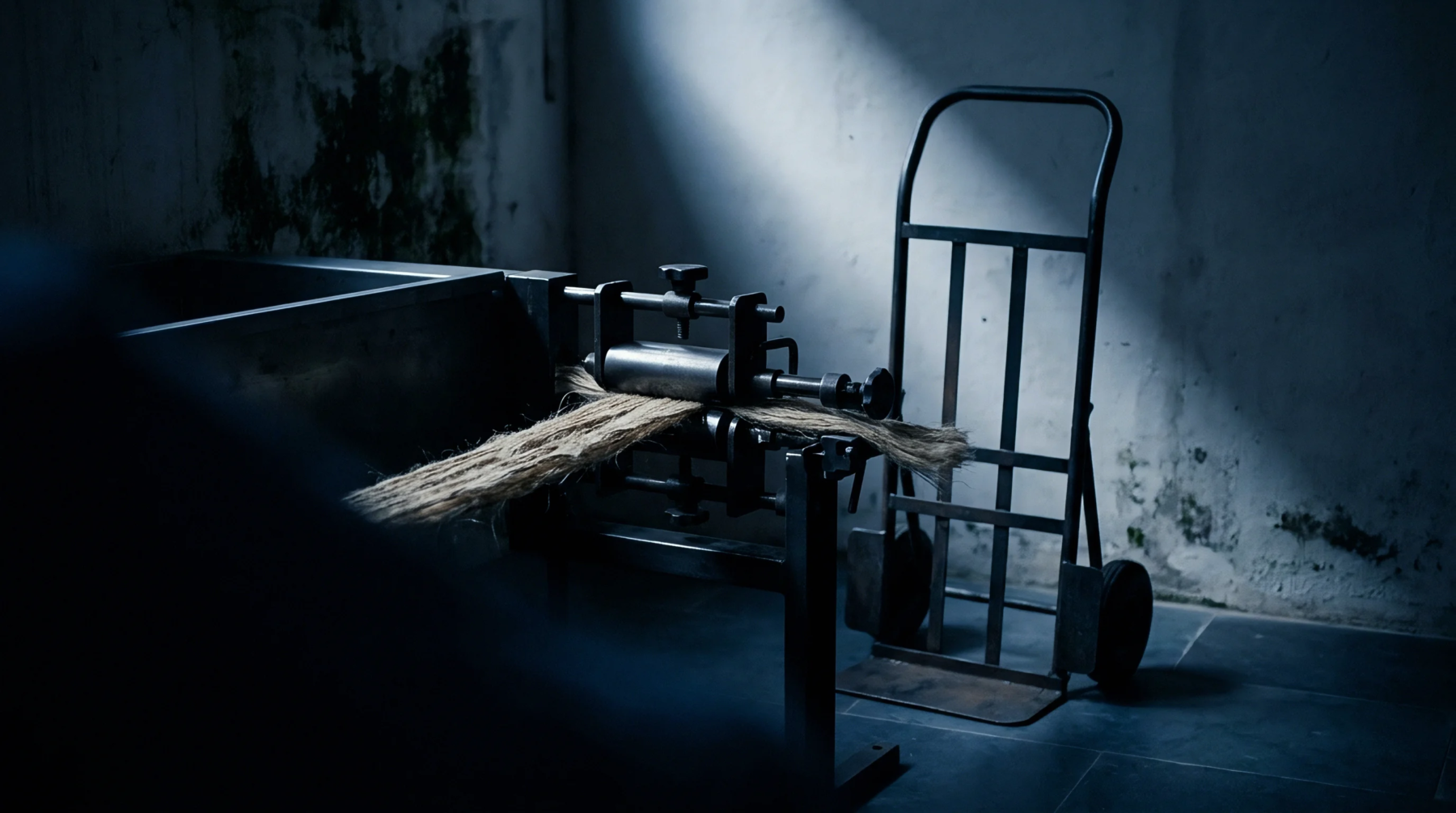
Hot water trough temperatures between 68°C and 74°C plasticize middle lamella pectins, preventing microfibril rupture and securing fine yarn counts up to Nm 80.

X-ray scattering and polarized Raman spectroscopy determine flax microfibril angles to project spinning performance and yarn tenacity.
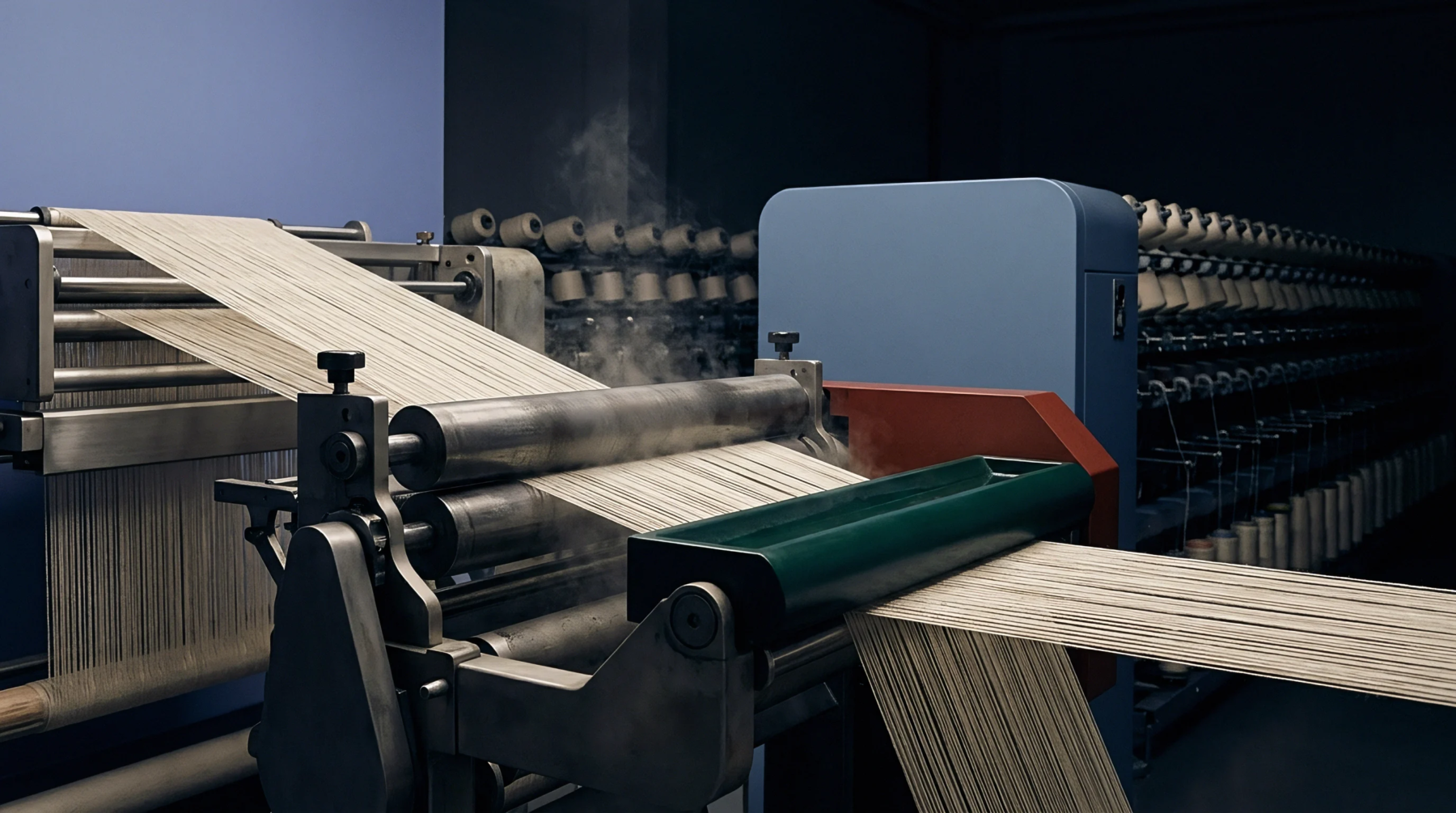
Microfibrillar thermal degradation reduces line flax tenacity, requiring adjusted gauge testing, lower wet-spinning temperatures, and recalibrated contract thresholds.
Steep secondary cell wall microfibril orientation maximizes bast fiber axial tenacity, reducing yarn breakages and lower landed spinning costs.
Elevated microfibril angles in climate-stressed line flax reduce fiber tenacity, lower hackling yield, and limit wet-spinning performance to coarse counts.
Elevated growth temperatures alter flax microfibril angle, reducing wet-spun yarn linear tenacity and requiring adjusted drafting tension and fiber grade pricing.
Elevated microfibril angles reduce bast fibre tenacity by shifting load distribution from cellulose backbones to matrix shear, depressing hackling yields.

Climate-driven microfibril angle increases lower bast fibre tenacity, requiring adjusted wet-spinning draft ratios and altered contract strength limits.
Dynamic intake tenacity calibration against climate-induced microfibril degradation requires Weibull-adjusted bundle testing to prevent severe hackling yield loss.
Expertise is a utility, not a secret. sentiention™ publishes its working knowledge as open reference: intelligence layer covering the materials it sources, the markets it enters, and the reference that serves both.