Flax Sourcing
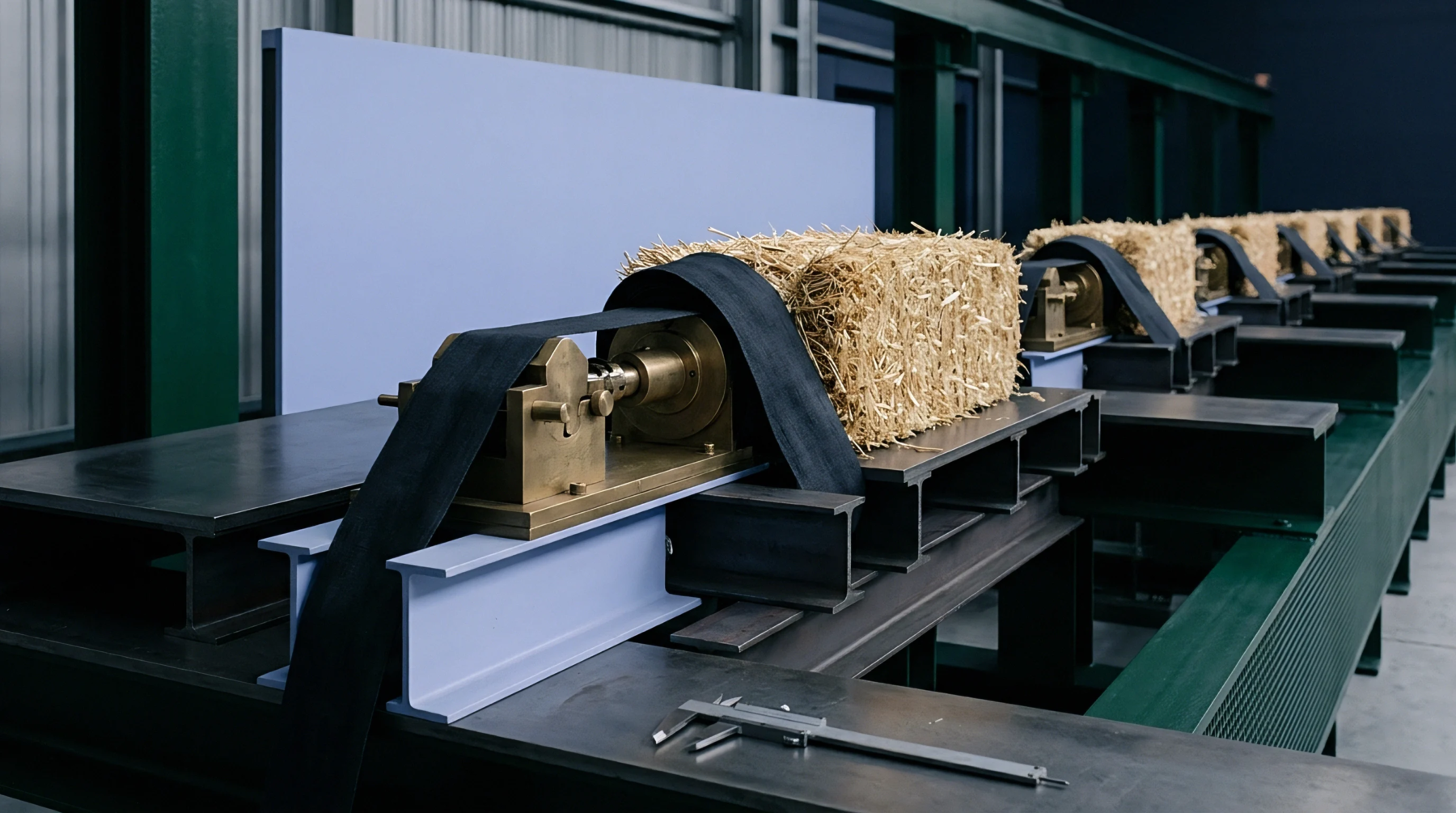
Raw bast material arrives at the mill gate in unhedged bundles where elementary fiber must maintain uniform fineness before retting commences. Inspectors gauge diameter consistency across five random stems per bale to verify compliance with agricultural export certificates. This initial processing stage separates individual cellular strands from woody outer tissue without damaging cellulose walls.
Buyers assess harvest cleanliness against strict moisture thresholds while factory sorters reject overly coarse stalks outright. Mill protocols mandate that incoming lots meet specific elongation targets before operators route them to chemical separation baths.
Cellulose Extraction
Chemical breakdown dissolves pectin and hemicellulose matrices so elementary fiber separates cleanly from lignin binders. Workers monitor bath temperature continuously during alkaline boiling stages to prevent cellulose degradation inside the pressure vessel. Production logs record precise alkali concentration levels alongside processing duration metrics for every autoclave batch run.
Laboratory technicians titrate extraction liquor samples hourly to maintain bath strength within narrow operational tolerances. Subsequent washing cycles strip residual chemicals away so dried filaments achieve the required tensile strength for subsequent spinning preparation.
Quality Grading
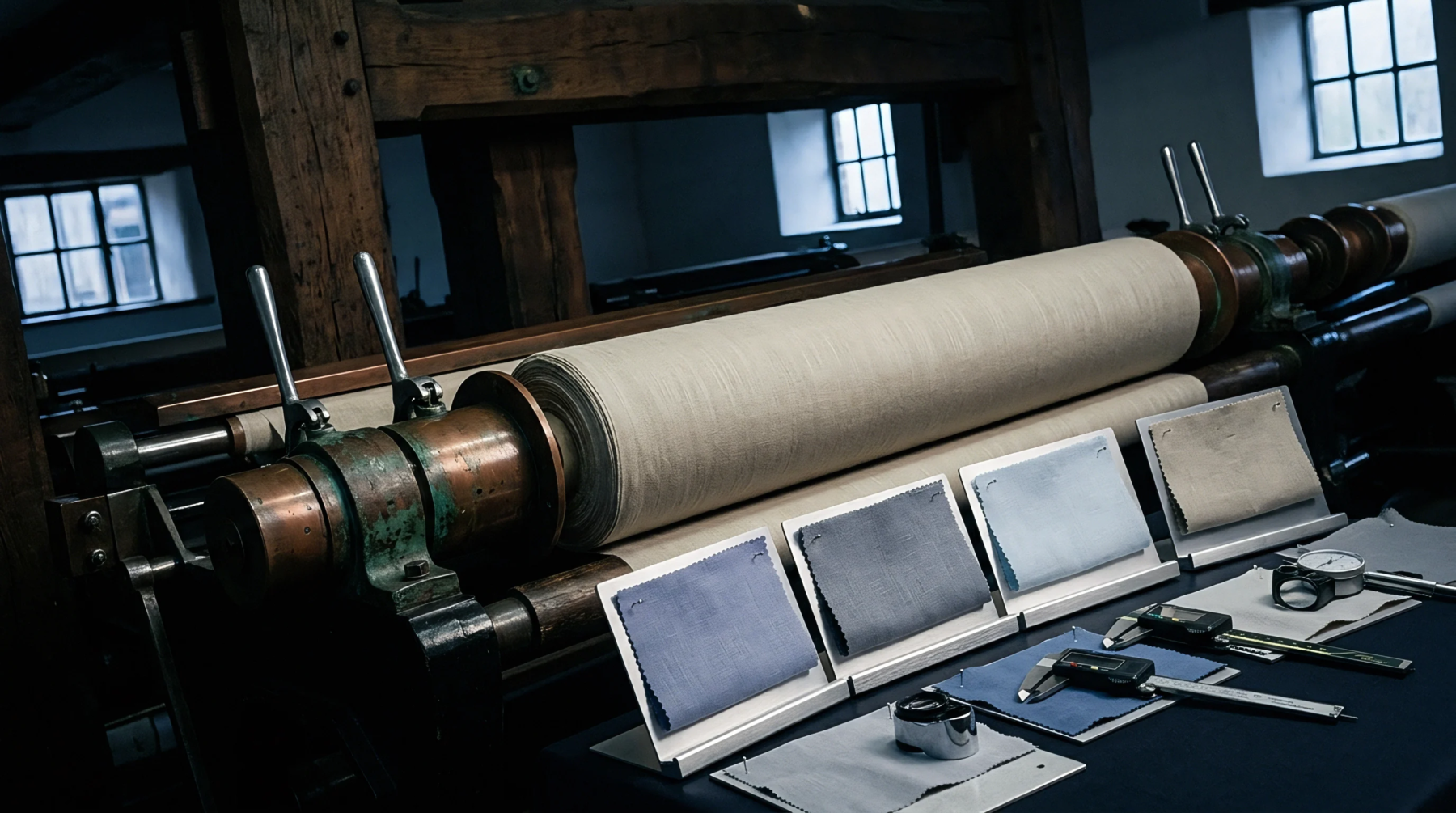
Finished strand evaluation relies on microscope measurements that verify individual elementary fiber dimensions against industrial spinning standards. Inspectors record width variations across hundred filament samples drawn randomly from finished production lots. Mill acceptance criteria enforce strict maximum diameter limits to prevent yarn breakage on high speed ring frames.
Export documentation lists these microscopic metrics alongside breaking load results to satisfy foreign textile buyers. Buyer specifications differ from internal mill targets because downstream weaving looms demand greater flexibility than standard retail cloth requires.