Fiber Separation
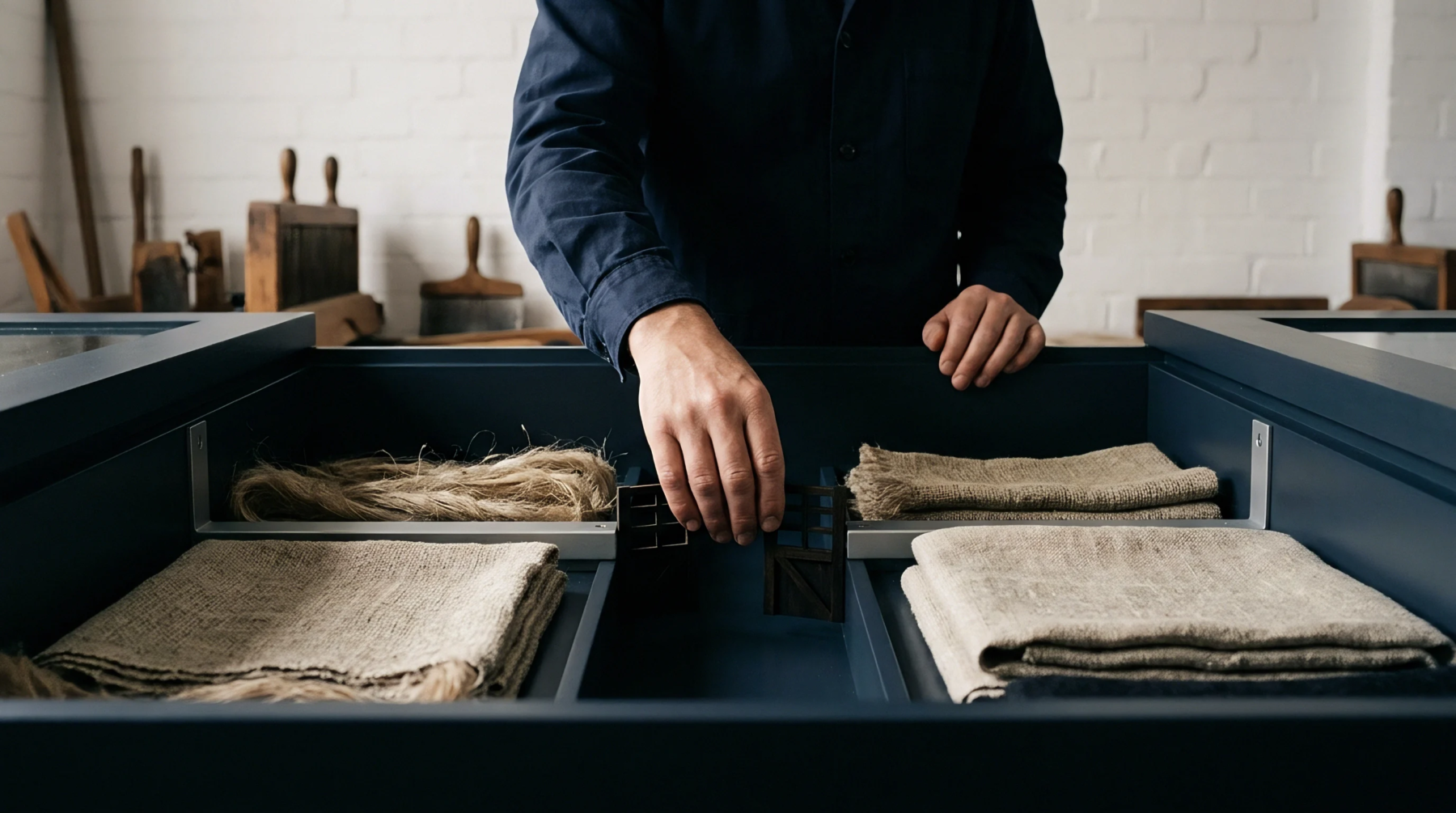
Mechanical action applied to retted flax straw isolates short residual fibers from woody cores during early processing runs. Scutched tow extraction yields the fibrous byproduct separated from long line fibers by traditional breaking and scutching machinery installed on mill floors in Hebei province. Industrial shredders tear remaining shives away from tangled strands to recover usable material for coarser spinning frames.
Mill operators record output weights on daily production dockets before transferring bales to carding departments.
Yarn Quality
Graded tow feeds ring spinning frames producing medium count yarns for utility grade woven textiles. Laboratory technicians test sample skeins for breaking tenacity and elongation before buyers inspect finished fabric bolts for export markets. Mill standards require strict uniformity across every spinning lot to satisfy contractual thresholds set by international garment merchants.
Shorter staple lengths demand adjusted twist multipliers on spinning machinery to prevent yarn breakage during high speed weaving operations.
Trade Compliance
Export documentation distinguishes between raw tow shipments and finished linen piece goods through standardized commodity codes. Commercial inspectors verify cleanliness levels against agreed merchantable limits before issuing phytosanitary certificates for foreign customs authorities. Buyers evaluate delivered shipments using independent laboratory assays rather than relying solely on mill declarations.
Final settlement invoices reflect measured moisture regain percentages established by standard conditioning protocols.