Mass Calculation
Standardized weight measurement of textile fibers requires the complete extraction of unbound water under controlled thermal conditions. Oven-drying yields the absolute dry mass of flax fiber, which does not change upon further exposure to heat. It establishes the baseline from which all commercial moisture and yield calculations proceed.
Desiccation Procedure
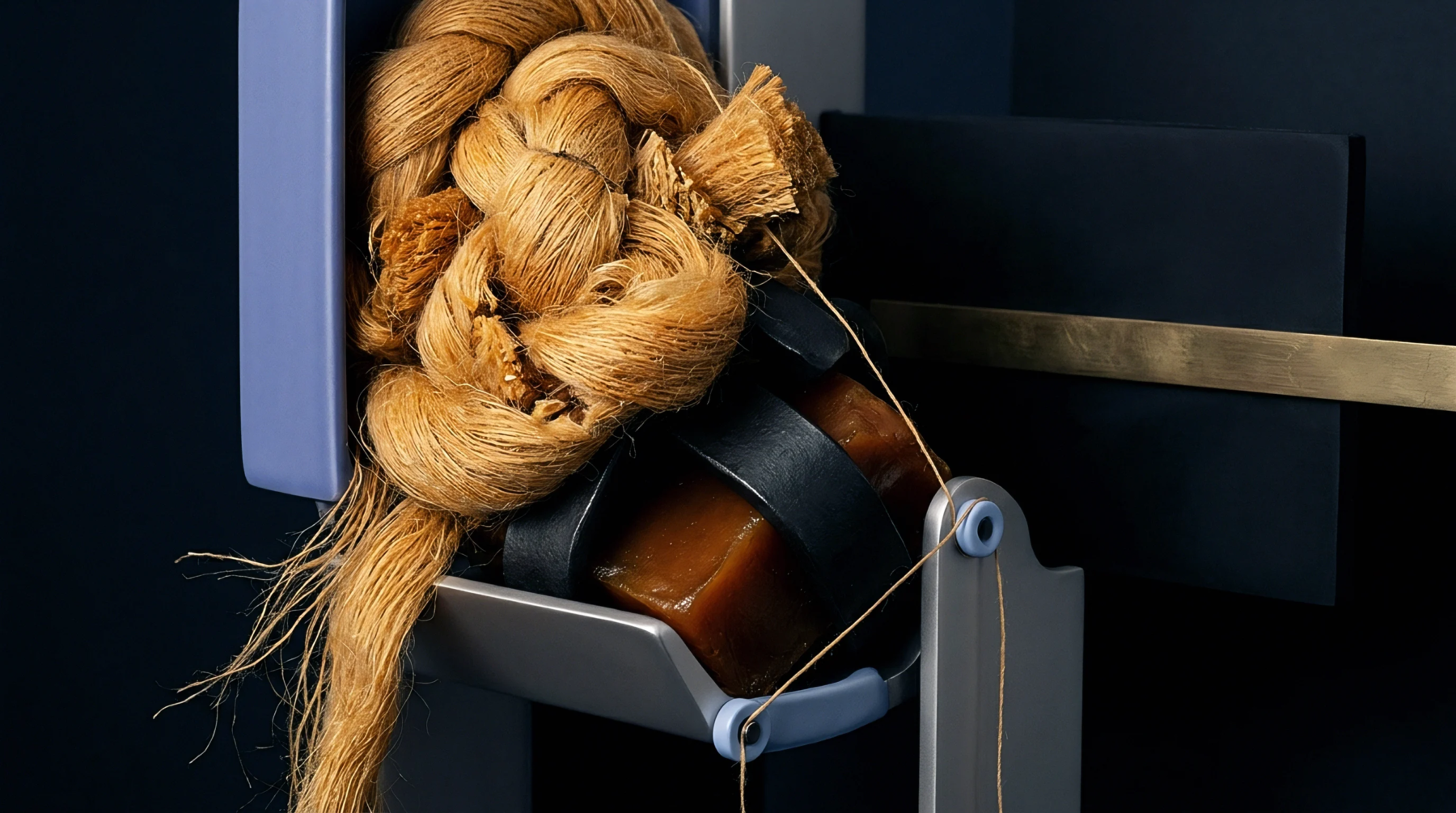
Drying of raw linen or flax specimens occurs in specialized testing laboratories at temperatures between one hundred and five and one hundred and ten degrees Celsius. The test continues until consecutive weighings at fifteen-minute intervals vary by less than zero point zero five percent. This rigorous process yields the absolute dry mass, ensuring that natural oils or waxes remain intact while water vapor is entirely evacuated.
Spinners use this baseline to measure spinning yield, since moisture content can artificially inflate raw material weight.
Financial Settlement
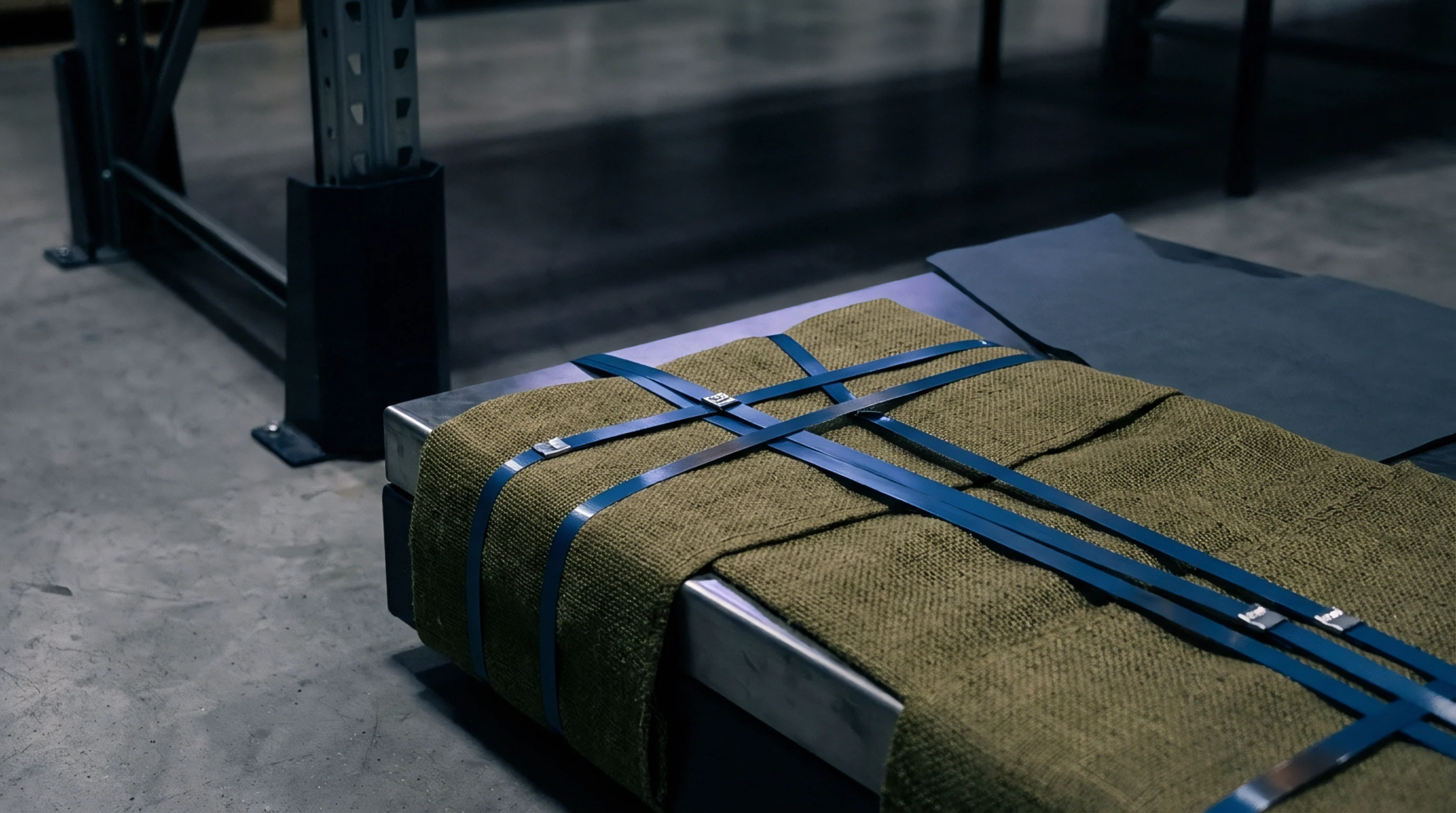
Invoicing of raw materials in the international trade of yarn and flax relies on the addition of a standard commercial allowance to the bone-dry fiber weight. Combining the absolute dry mass with the official moisture regain value of twelve percent for flax yarn yields the commercial weight used in billing and shipping manifests. This adjustment prevents disputes between Chinese spinning mills and overseas suppliers when relative humidity fluctuates during transit.
Buyers rely on the resulting calculation to verify they pay for actual fiber content rather than atmospheric moisture.