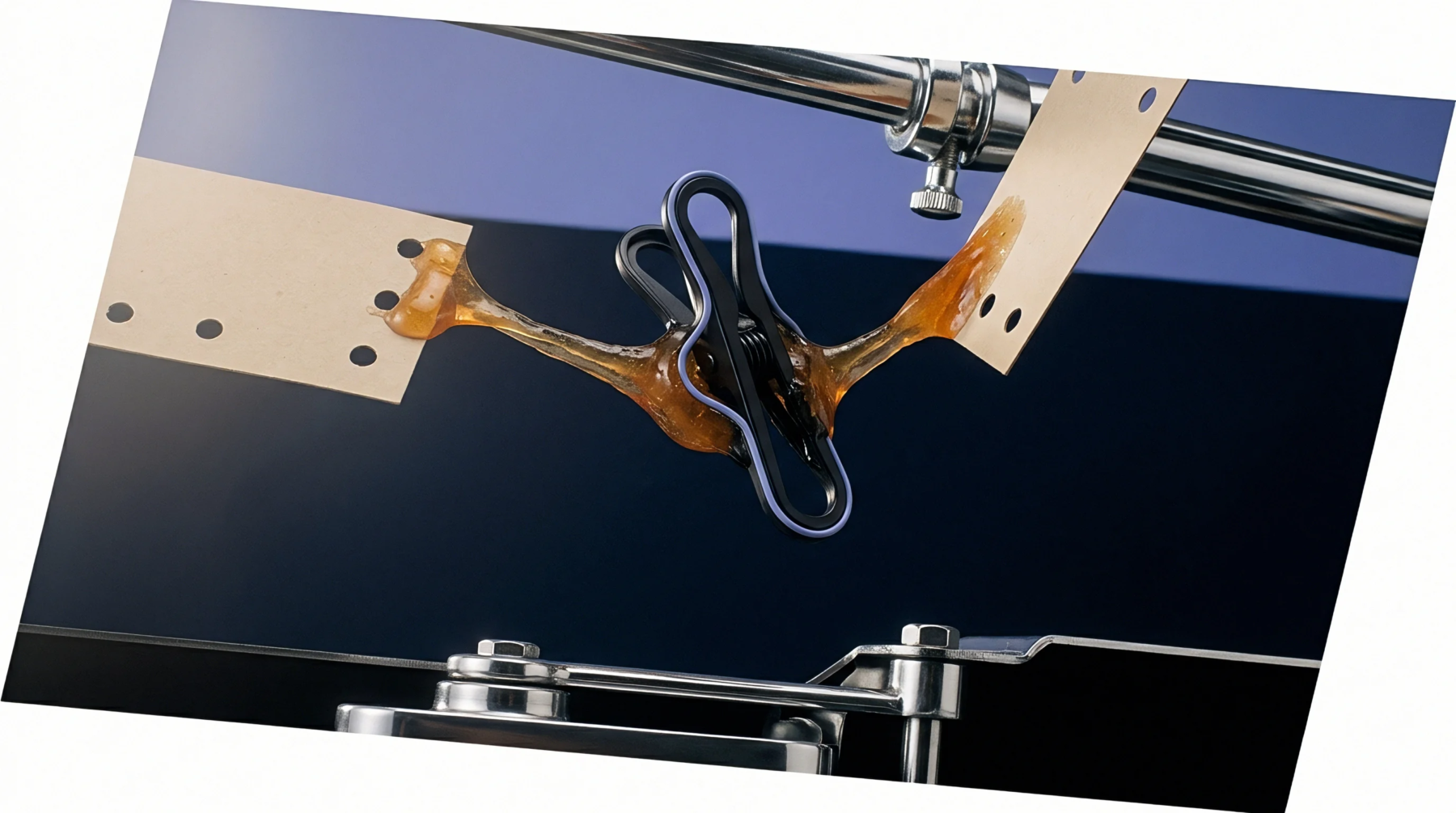
Peak Tension
Mechanical tension fluctuations occur rapidly within flax yarns during high-speed shedding and unwinding operations. Peak tension forces during shedding impose dynamic strain on longitudinal fibres, forcing the yarn structure to extend and recover within milliseconds. Mill quality control registers track this force using tension transducer logs attached to spinning frames or loom creels.
Standard yarn specifications establish upper limits for peak forces to prevent filament slippage. Mill standards evaluate transient spikes, whereas buyer acceptance criteria restrict sustained deformation across the full beam.
Cyclic Fatigue
Repeated cyclic pulling weakens low-elasticity flax filaments faster than steady static pulling. When dynamic strain recurs continuously across thousands of loom cycles, micro-fractures develop inside pectin boundaries holding technical fibres together. Yarn breaks increase sharply when peak loads exceed sixty percent of nominal tensile strength.
Processing records log these break counts on loom monitoring sheets to distinguish raw fibre defects from mechanical machine misalignment. Controlled humidity in weaving sheds helps mitigate brittle thread snapping under sudden impact loads.
Loom Threshold
Speed adjustments on modern rapier looms directly alter tension spike intensity during shed opening. Maintaining operating speeds below critical vibration thresholds protects fine linen threads from structural failure. Production logs record peak values alongside warp stop frequencies to set safe running parameters.