Fibre Cohesion
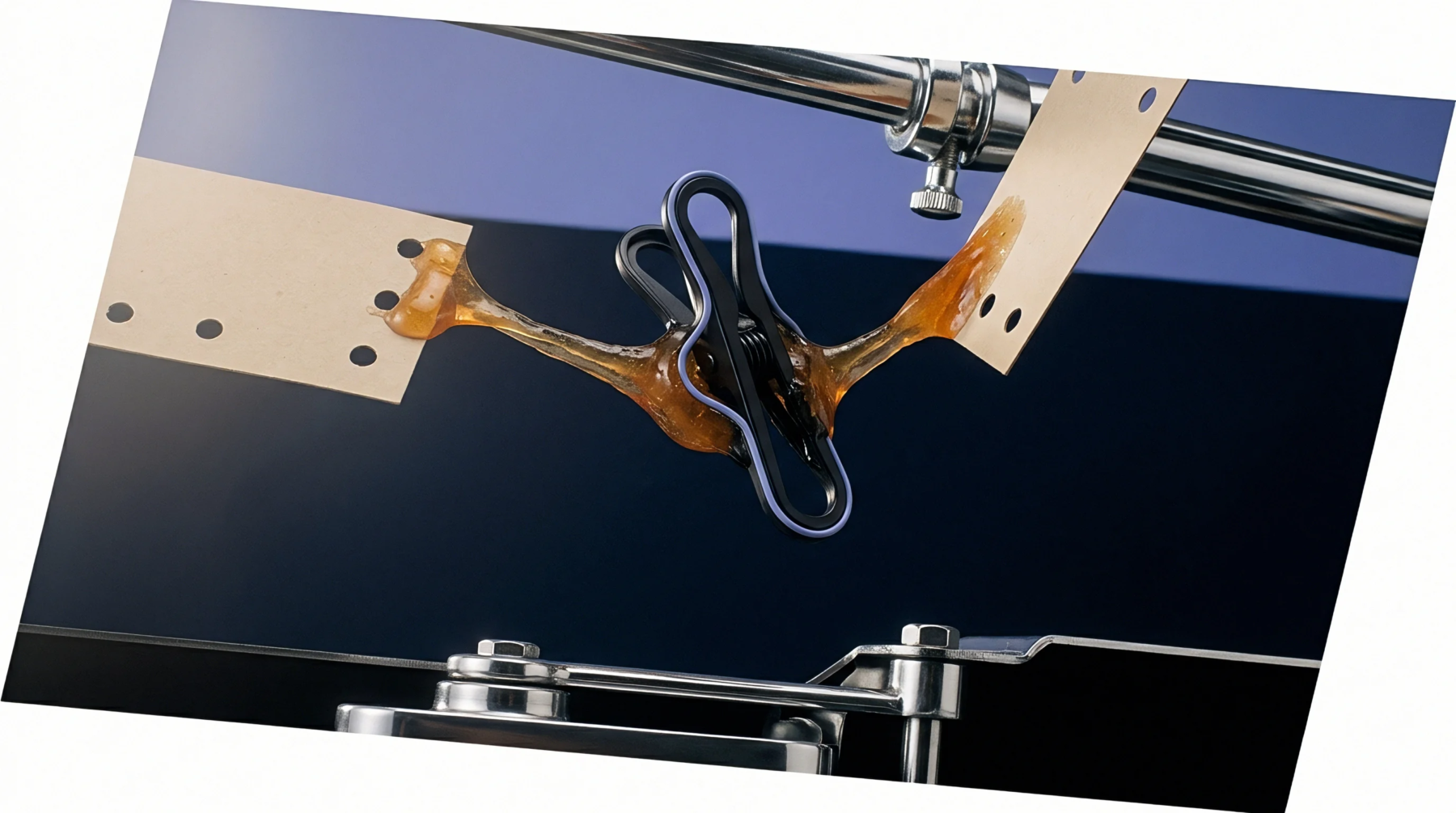
Mechanical resistance within the primary wall of a flax plant determines the stability of the cellulose bundles during high speed processing. Pectin matrix shear measures the force required to fracture the intercellular layer that holds individual fibres together in a technical strand. This resistance level dictates the setting of mechanical decortication machinery at the primary fibre extraction stage.
Proper calibration prevents the unintentional rupture of the polymer structure while removing non cellulosic waste material.
Process Friction
Variations in water retting intensity alter the binding strength between cellulose elements significantly. A pectin matrix shear value outside the acceptable range forces the mill to adjust the feed rate through the drafting frames to avoid excessive breakage. High shear values indicate an incomplete breakdown of the plant glue which necessitates extended mechanical action in the subsequent scutching line.
Low values signal over retting where the fibre bundles lack the integrity to withstand the tension of industrial spinning. Technicians log these metrics in the fibre quality assessment report to distinguish between field retting batch performance and factory input requirements.
Operational Yield
Excessive force applied during the carding stage strips the cellulose bundles of their natural protective layer if the pectin matrix shear remains elevated. Low shear values enable a faster throughput on the drawing machines but increase the production of short fibre waste known as tow. Optimal output depends on balancing these mechanical forces against the known structural properties of the raw flax supply.
Each grade of fibre possesses a specific range of shear tolerance that governs the final count of the yarn produced in the spinning mill. High pressure rollers in the finishing section apply force that remains effective only when the underlying binding substance maintains its specified chemical consistency.