
Standard Commercial Regain Calculation in Flax Yarn Sourcing
Commercial mass calculations for flax yarn convert scale weight to oven-dry mass before applying the twelve percent standard regain across container billings.

Commercial mass calculations for flax yarn convert scale weight to oven-dry mass before applying the twelve percent standard regain across container billings.

Reconciling European flax certificates with Asian mill mass records requires correcting for moisture regain, hackling waste, and chemical sizing additions.

Resolve ultrafine flax warp fatigue by combining asymmetric low-lift shedding, core-penetrating starch-PVA sizing, DLC eyelets, and 70 percent shed humidity.

Reconciling multi country yarn spinning ledgers requires adjusting raw weights to standard twelve percent moisture regain and retiring comber noil credits.

Maintain slasher exit moisture at 8 to 10 percent and weave shed relative humidity at 75 to 78 percent to prevent brittle linen warp breaks at high speeds.

Field origin documentation requires cadastral straw intake manifests reconciled against scutching yields and verified transaction certificates per bale lot.
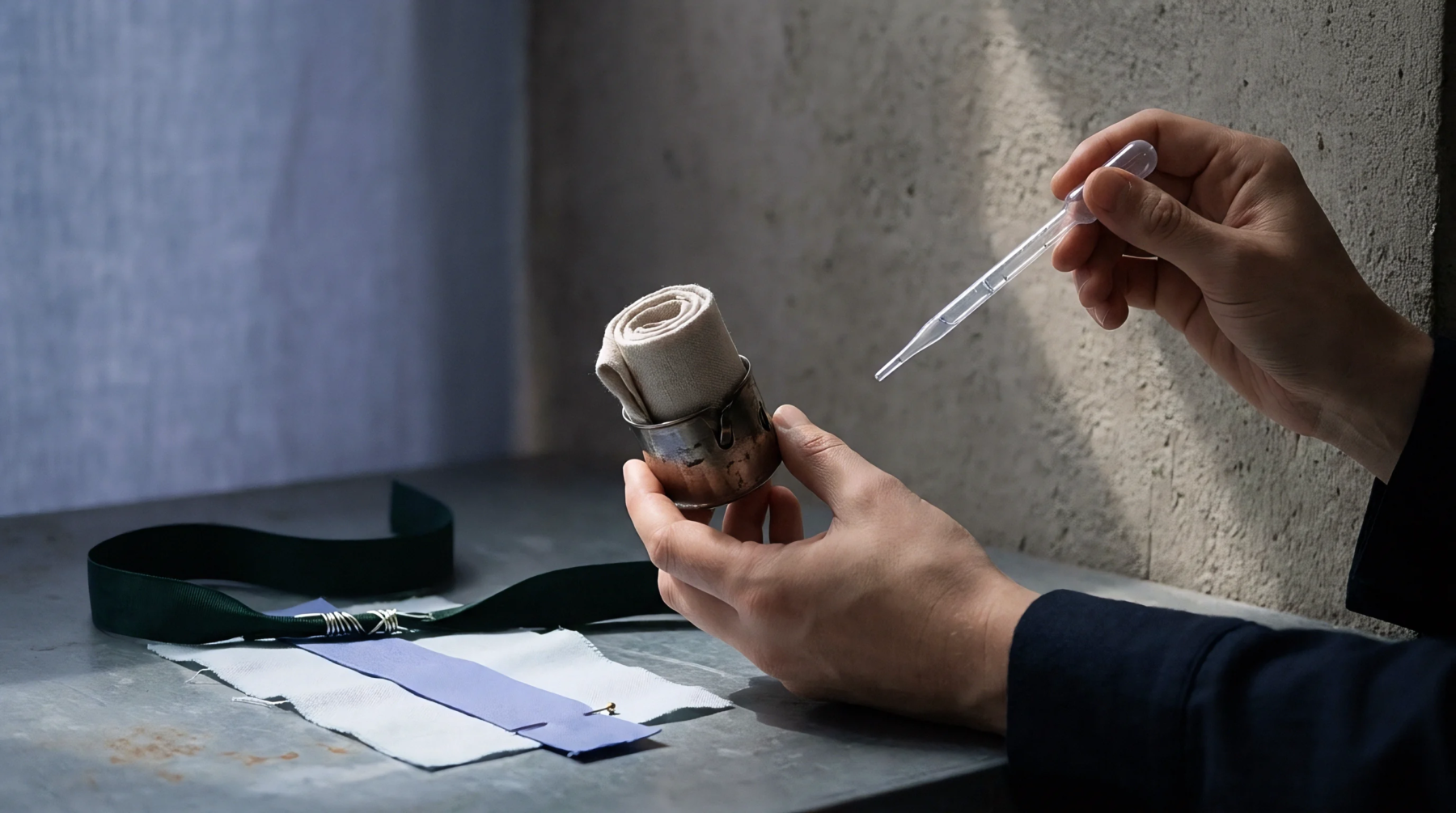
Inspect linen count by wrapping conditioned lea skeins on calibrated reels under controlled tension to measure linear density against commercial regain values.

Non-preferential origin under 19 CFR 102.21 hinges on where yarn is spun or cloth is woven, rendering post-weaving finishing ineffective for shifting customs origin.

Reconciling linen provenance requires separating statutory origin by loom transformation from fibre biomass claims verified through audited mass balance ledgers.
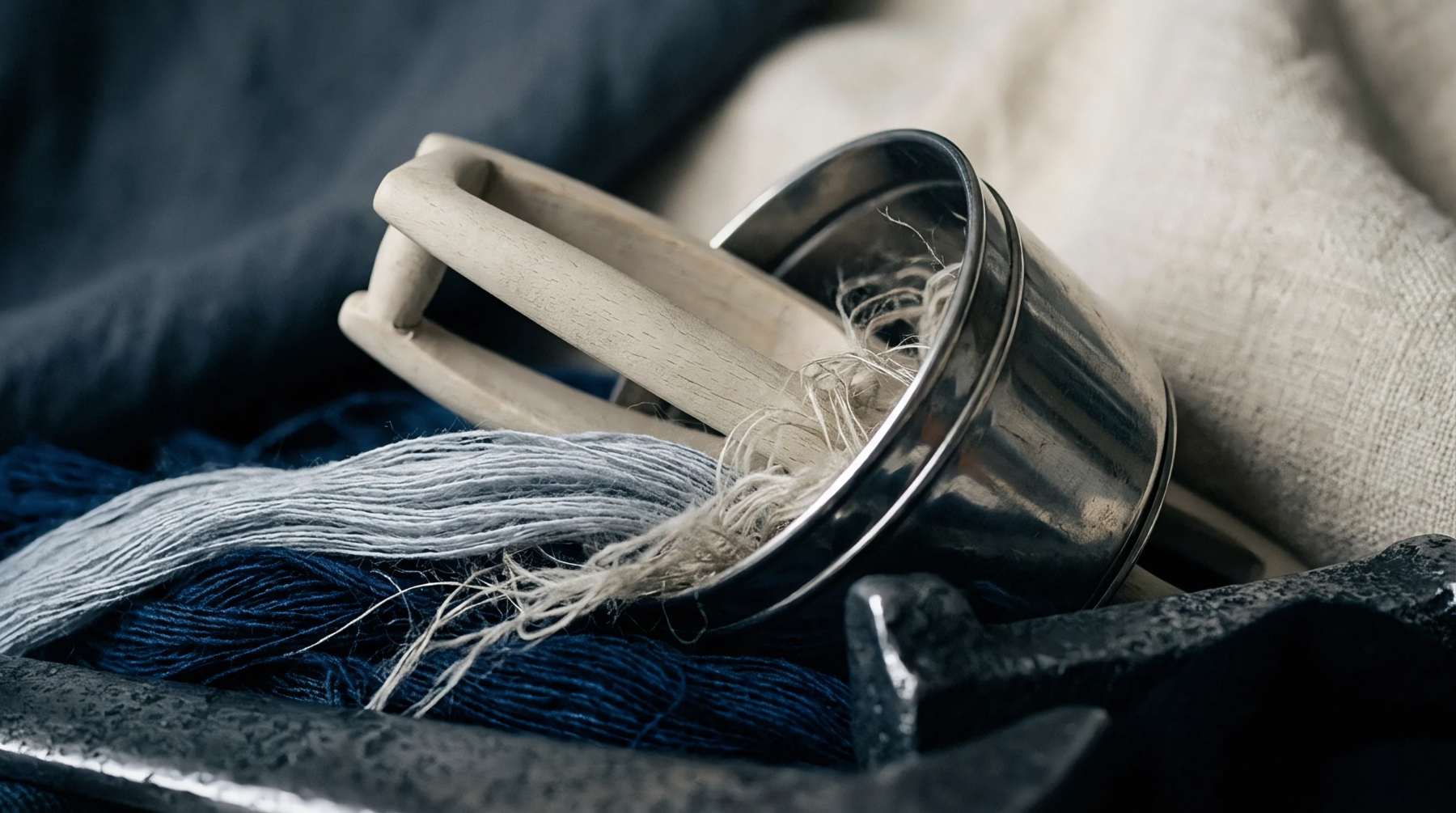
Target dry size pick-up for wet-spun linen warps sits strictly between six and nine point five percent, calculated from bone-dry yarn mass and nip extraction.

Chinese dry spun tow invoices distort commercial mass by applying standard moisture regain to raw dry weight without deducting added batching oils or tube tare.

Maintaining fine flax warp moisture above ten percent suppresses dynamic tension spikes and prevents high speed loom shedding failure.

Verify European Flax transaction certificates by reconciling intake bale tag numbers and certified net weights against spinning yields and hackling waste tallies.

Dynamic shedding cycles degrade inelastic linen sizing films, inducing viscoelastic warp creep, starting marks, and avoidable stop frequency losses.

Linen tariff origin follows loom formation rather than fiber harvest, leaving buyers liable for punitive duties unless contracts mandate mill-level batch audits.

Wet spinning sacrifices 8-12% chemical bath mass for fine count drafting, whereas dry spinning retains intact bundles with 18-26% coarse mechanical drop.

Reconciling mass balance and segregation requires matching physical lot traveler cards to scutching transaction certificates and factoring spinning loss.
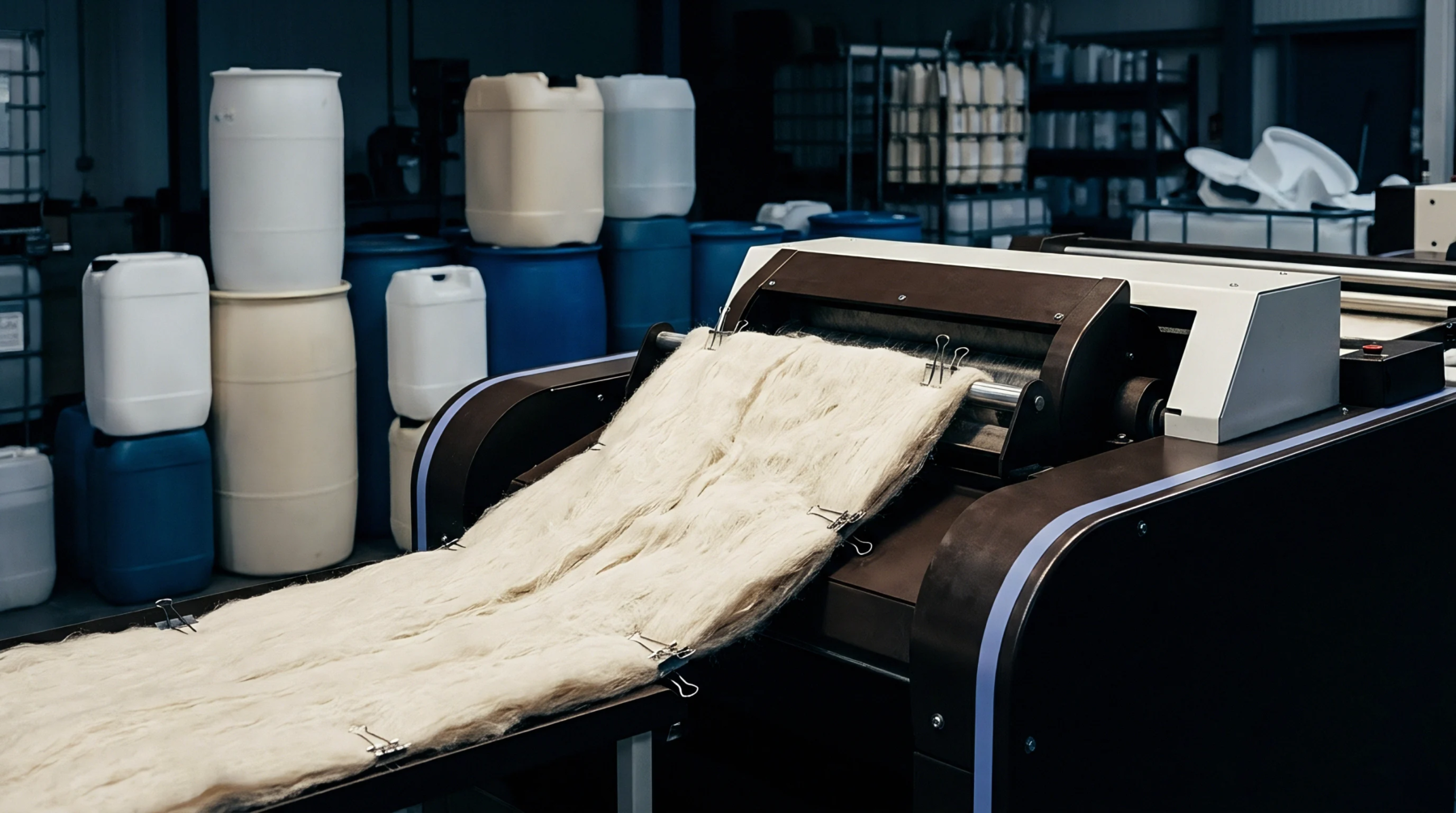
Cross-border flax fiber traceability relies on matching scope certificates, transaction dockets, and mill mass balance logs to pass origin audits.

Optimizing bast fiber warp regain between 11.5 and 12.5 percent through targeted shed psychrometrics maximizes yarn elasticity, cutting warp breaks and loom downtime.

Cross-border flax contracts fail when paperwork substitutes for physical segregation; buyers manage exposure by mandating batch transaction certificates.

Auditing scutching plants requires reconciling wet straw weighbridge tickets against dried long fibre yields, scutching tow tags, and portal transaction records.

Verifying farm-level lot segregation during dew retting links cadastral parcel boundaries to mechanically steered swaths, physical buffers, and baler telemetry.

Compacting fine linen damasks demands 14-18% moisture, 135-145°C drum heat, and 2.2-3.4 kN/cm nip load to hold residual warp shrinkage under 2% without fibre damage.

Balancing wet drafting bath alkalinity against biological retting variation stabilizes pectin cleavage to prevent tensile drop during high-speed spinning.

Flax cell wall swelling widens microfibrillar helices and amplifies woven crimp paths, demanding planned warp take-up allowances on the loom beam.

Aqueous swelling reduces linen flexural rigidity, allowing tension-directed crimp exchange between warp and weft that dictates dimensional stability.

High metric line flax spinning requires long staple fiber above 220 Nm fineness, targeted rove pectin boiling, and precise trough temperature control.

Wet drafting speed limits in bast fibre spinning depend on non-isothermal viscous heating and extensional pectin film strain hardening.

Solvation of middle-lamella pectins in heated troughs governs technical bundle splitting, directly determining wet-spun flax count limits and drafting stability.

Kinetic control of trough pectin dissolution enables defect-free high-count wet linen spinning while enforcing rigorous lot-level provenance verification.
Expertise is a utility, not a secret. sentiention™ publishes its working knowledge as open reference: intelligence layer covering the materials it sources, the markets it enters, and the reference that serves both.