Mechanical Resistance
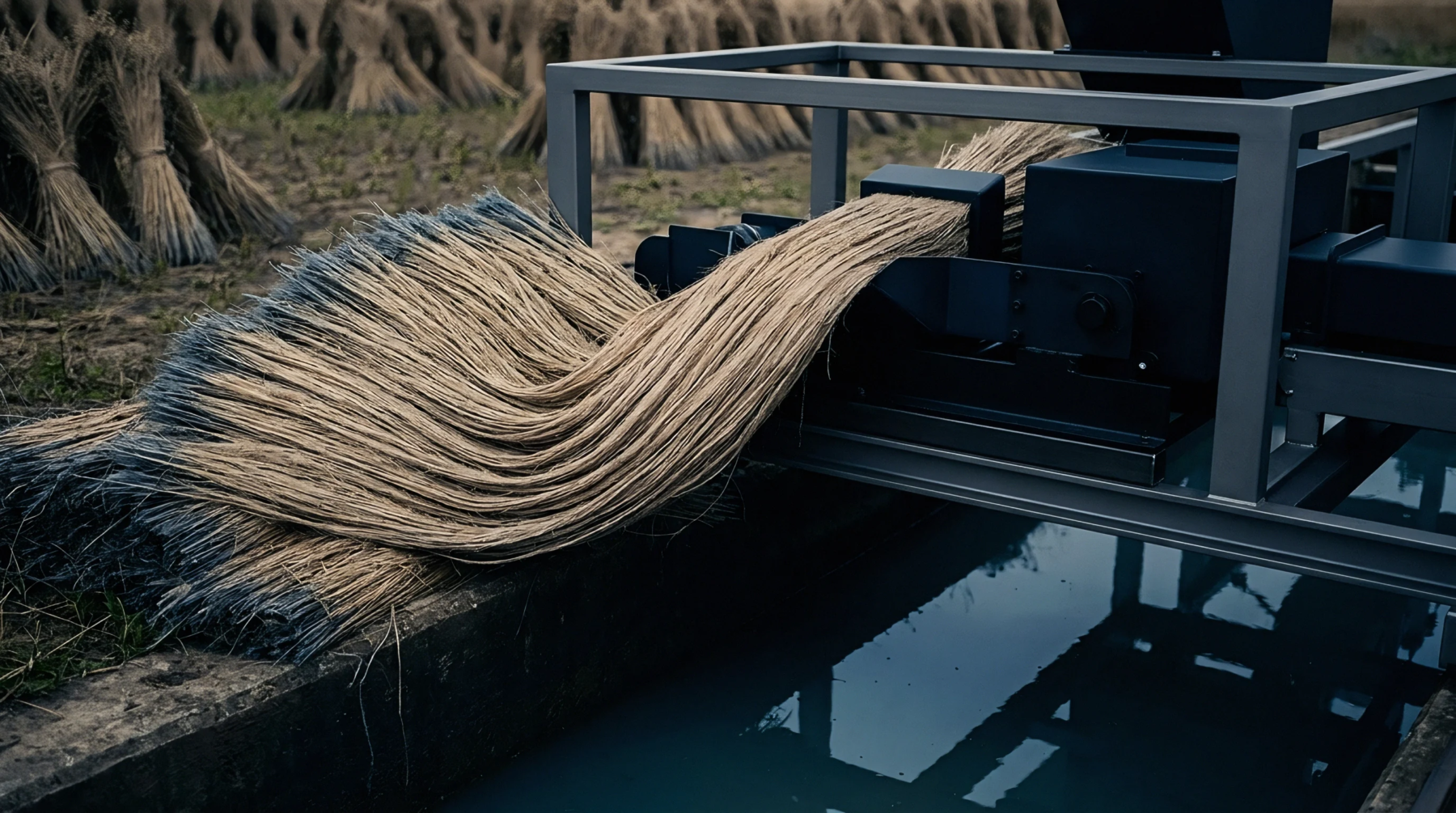
Physical opposition between two surfaces governs the efficiency of flax yarn production. Inter-fiber friction determines the force required to pull individual strands from a bundled stalk during the drafting stage. Excessive drag prevents uniform orientation and leads to uneven linear density in the final product.
Drafting Dynamics
Engineers evaluate this property to predict how mechanical draw frames respond to varying moisture levels within the raw flax. High levels of resistance cause breakage during high-speed spinning when tension exceeds the tensile strength of the strand. Lower levels result in slippage, where the drafting rollers fail to grip the material, leading to a loss of control over fiber alignment.
Operators adjust roller pressure and machine speed to compensate for the characteristic drag of specific harvest lots. Consistent performance during this mechanical operation remains necessary for the creation of high-quality yarn that meets industrial spinning specifications.
Quality Verification
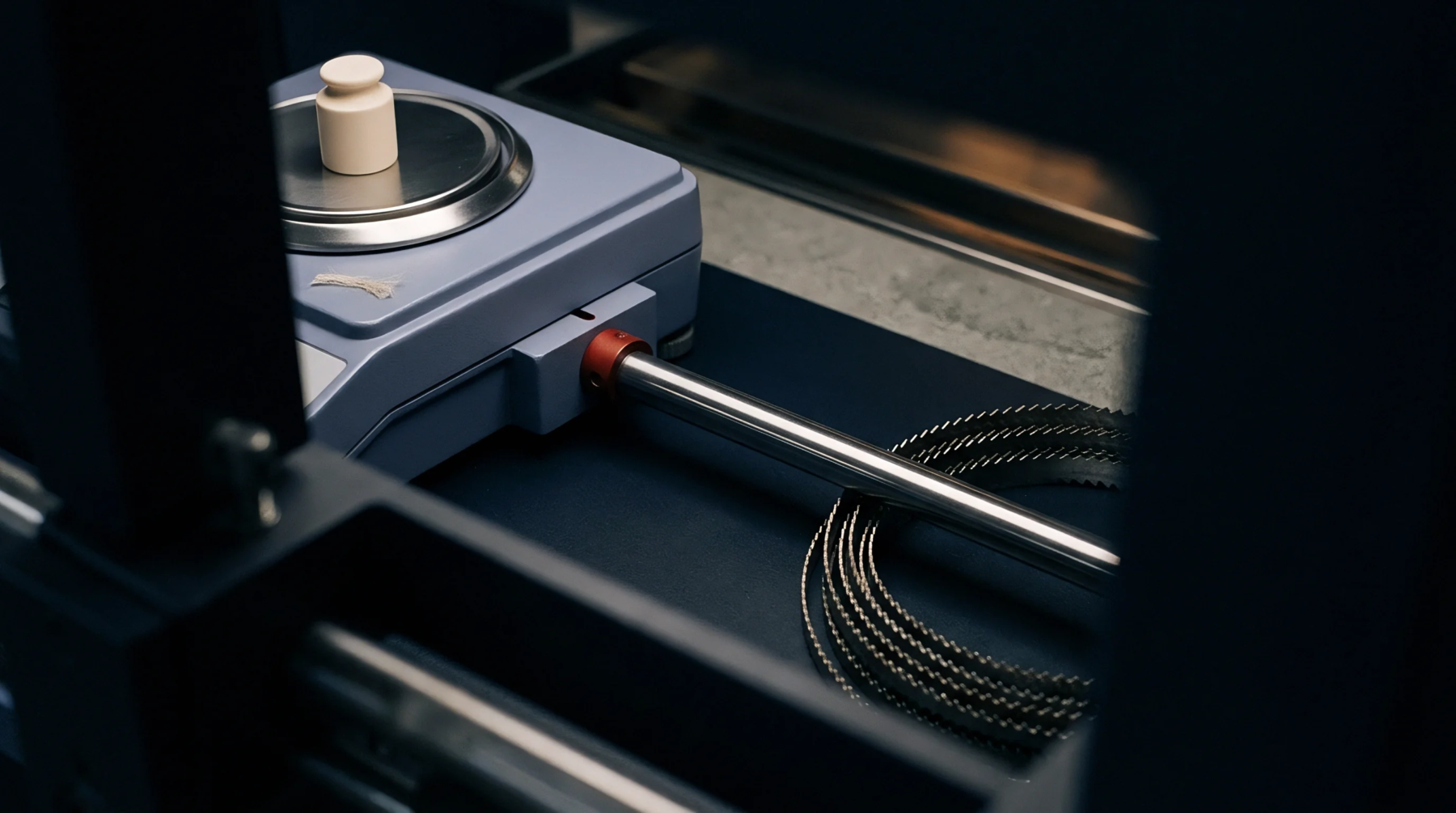
Technical reports generated during the combing process record these force measurements to confirm material suitability for downstream weaving. Inspectors use standardized test benches to measure the extraction force of individual fibers from a controlled test clump. Documentation of these findings separates incoming raw material batches from processed sliver samples.
Fabric quality depends upon the stability of the input yarn, so technicians monitor these friction metrics to ensure the long-term reliability of the finished textile output.