Quantifying Hydrolytic Cellulose Degradation Limits during High Pressure Continuous Alkaline Boiling of Wet Roving Packages
Controlling high-pressure alkaline roving boiling maintains intrinsic viscosity above 820 mL/g, balancing pectin extraction against hydrolytic cellulose damage.

Liquor
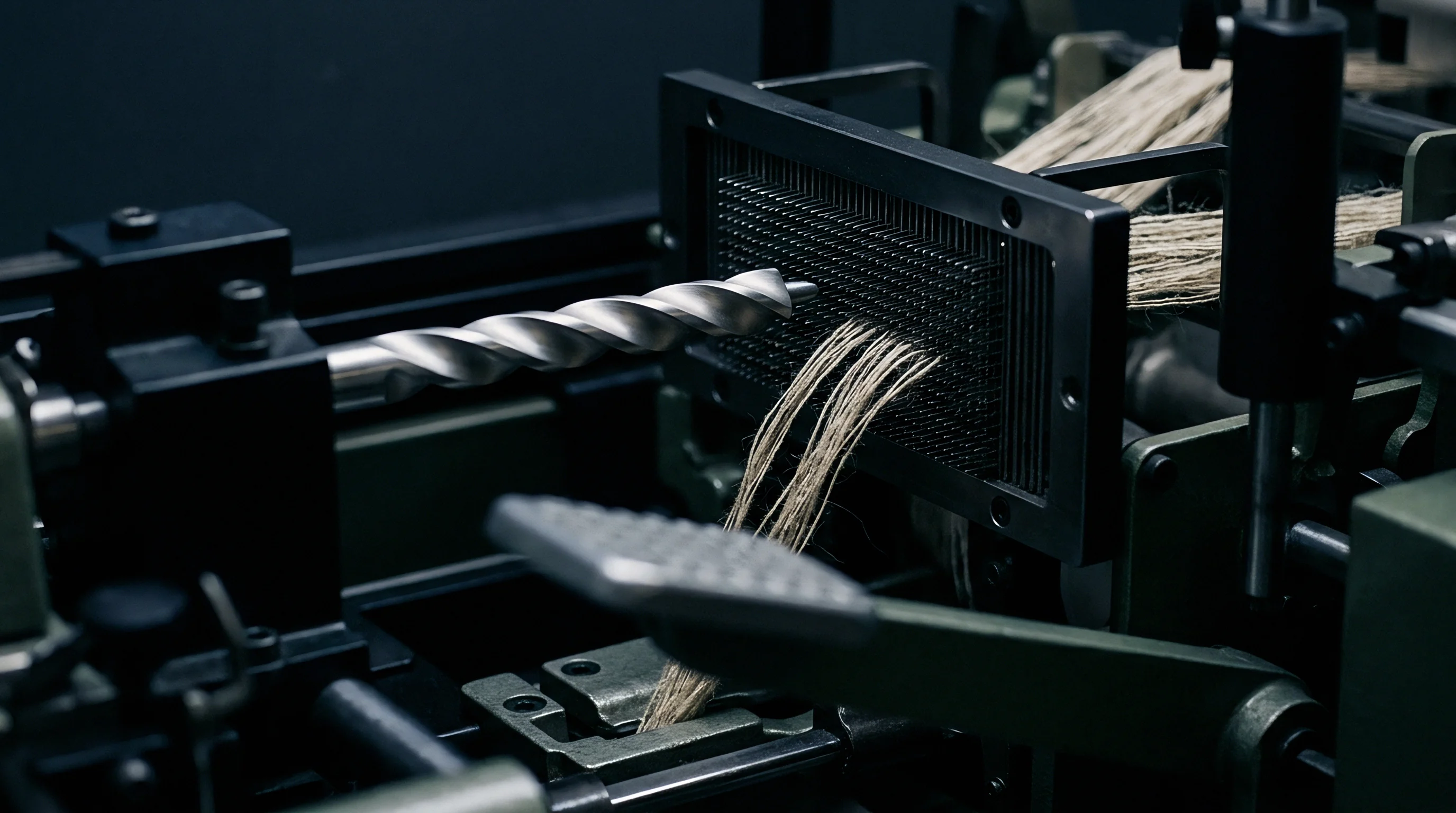
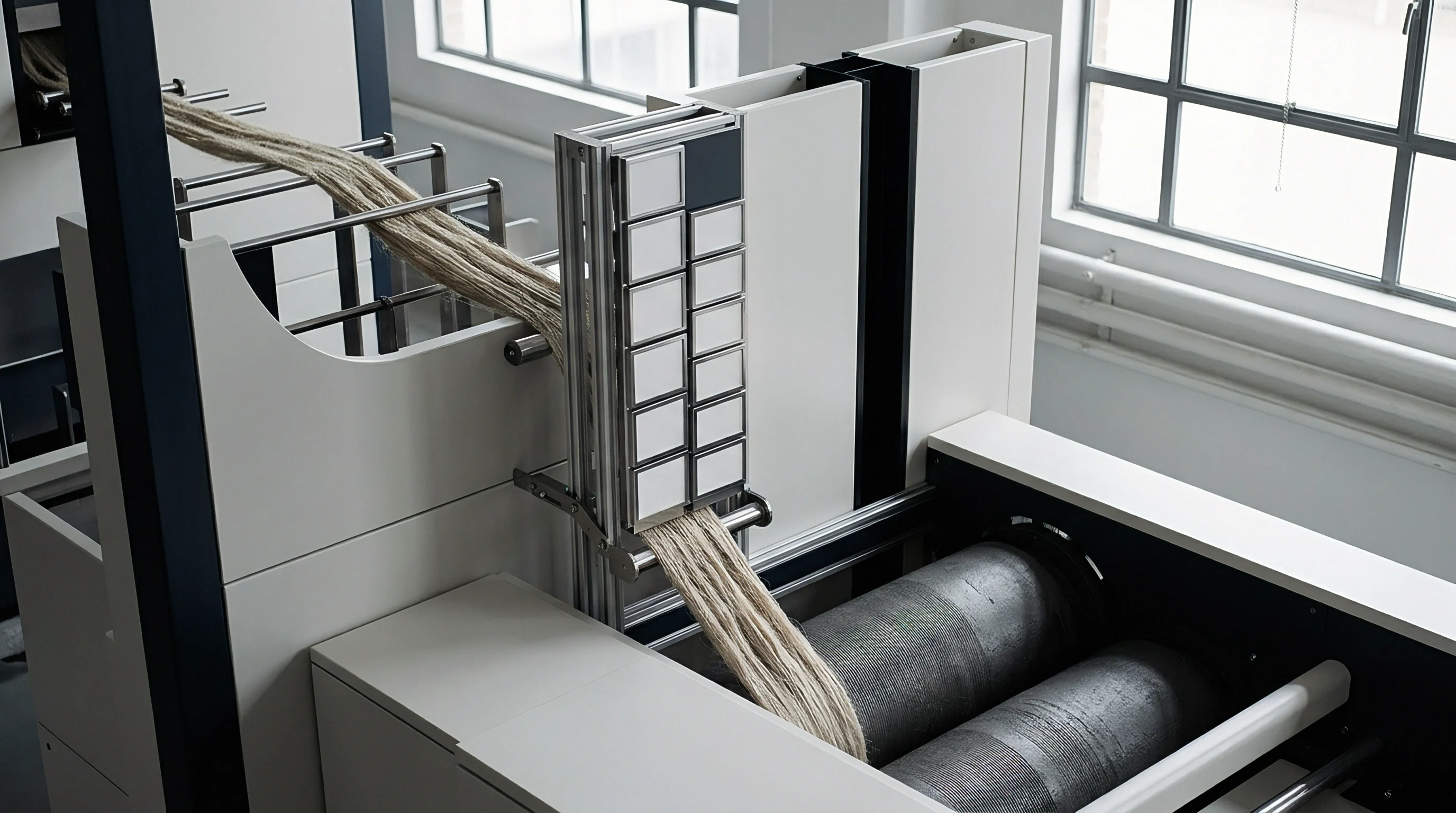
Continuous alkaline treatment of wet flax roving packages operates under a narrow chemical window bounded by the solubilization of non-cellulosic encrustants and the cleavage of structural polysaccharide chains. Aqueous sodium hydroxide concentrations between 15 and 35 grams per liter at processing temperatures from 115 to 135 degrees Celsius drive the saponification of fats, the hydrolysis of pectins, and the extraction of low-molecular-weight hemicelluloses. Static vessel overpressures ranging from 2.5 to 3.5 bar keep the aqueous boiling bath in a liquid phase while forcing the reagent stream through dense roving packages wound onto perforated spools.
The chemical drive of the bath depends on hydroxide ion activity, total thermal energy transfer, and the presence of dissolved atmospheric oxygen trapped within the wet fiber matrix.

High Temperature Alkaline Dissociation Mechanics
Processing temperatures above 110 degrees Celsius in an alkaline environment activate degradation pathways within both the crystalline and amorphous regions of flax cellulose. Hydroxyl ions attack glycosidic linkages along the polymer backbone, with beta-elimination reactions dominating when carbonyl groups are present ~ causing rapid chain scission even at mild alkalinity. Unmodified reducing end-groups undergo end-wise peeling, where single glucose monomer units cleave sequentially from the polymer chain until a stopping reaction converts the terminal unit into a stable metasaccharinic acid structure, halting further monomer loss along that segment.
Thermal energy accelerates both the desirable extraction of middle-lamella pectins and the destructive cleavage of alpha-cellulose. Higher processing temperatures reduce the treatment time necessary to achieve fiber bundle separation, yet they narrow the safety margin between target pectin removal and irreversible chain breakdown. Controlling bath temperature within a tolerance of plus or minus one degree Celsius limits localized variance in cleavage velocity during continuous package circulation.
Liquor ratio selection alters chemical concentration stability throughout the digestion cycle. Ratios between 8 to 1 and 12 to 1 liters of fluid per kilogram of dry fiber weight ensure adequate buffer capacity against neutralizing organic acids liberated during pectin breakdown. Lower liquor ratios concentrate extracted impurities, shifting the chemical equilibrium and requiring higher initial hydroxyl ion charges to maintain effective bath alkalinity.
Higher liquor ratios increase thermal energy consumption and chemical consumption per mass unit of processed roving package.
Caustic Concentration Limits and Hydroxide Activity
Sodium hydroxide solutions exceeding 40 grams per liter cause swelling of the secondary cell wall in bast fibers, converting native Cellulose I crystal structures into Cellulose II lattices. This polymorphic transformation alters the lateral order of microfibrils, reducing individual fiber tensile strength while increasing moisture absorption capacity. Maintaining free sodium hydroxide concentration below 28 grams per liter preserves the original Cellulose I crystal lattice, preventing irreversible loss of yarn tenacity during high-draft wet spinning operations.
| Sodium Hydroxide (g/L) | Bath Temperature (°C) | Dwell Time (min) | Intrinsic Viscosity (mL/g) | Pectin Extraction (%) | Degree of Polymerization |
|---|---|---|---|---|---|
| 15.0 | 115 | 90 | 1,050 | 78.5 | 1,995 |
| 20.0 | 120 | 75 | 960 | 84.2 | 1,824 |
| 25.0 | 125 | 60 | 880 | 89.6 | 1,672 |
| 30.0 | 130 | 45 | 790 | 93.1 | 1,501 |
| 35.0 | 135 | 30 | 680 | 95.4 | 1,292 |
Bath titrations performed at fifteen-minute intervals track the depletion of active alkali as organic acids neutralize free hydroxide ions. Initial alkalinity drops rapidly during the first twenty minutes of processing as polygalacturonic acids in the middle lamella dissolve into the liquor. Differential hydraulic pressure drops across the roving package correlate directly with the rate of alkaline consumption during this initial dissolution phase.
Supplemental dosing of concentrated sodium hydroxide solution restores bath potential during continuous circulation loops, stabilizing chemical potential across extended boiling cycles.
Chelating agents incorporated into the boiling liquor sequester polyvalent metal ions such as calcium, magnesium, and iron present in raw flax fibers or process water. Free iron and copper ions catalyze Fenton-type reactions with dissolved oxygen, generating hydroxyl free radicals that cause severe, non-selective oxidative degradation of cellulose chains. Organic phosphonates or aminocarboxylates added at concentrations between 1.5 and 3.0 grams per liter complex these metallic catalysts, limiting radical formation and confining polymer breakdown strictly to thermal-alkaline hydrolytic mechanisms.
Reductive Additives for Glycosidic Bond Protection
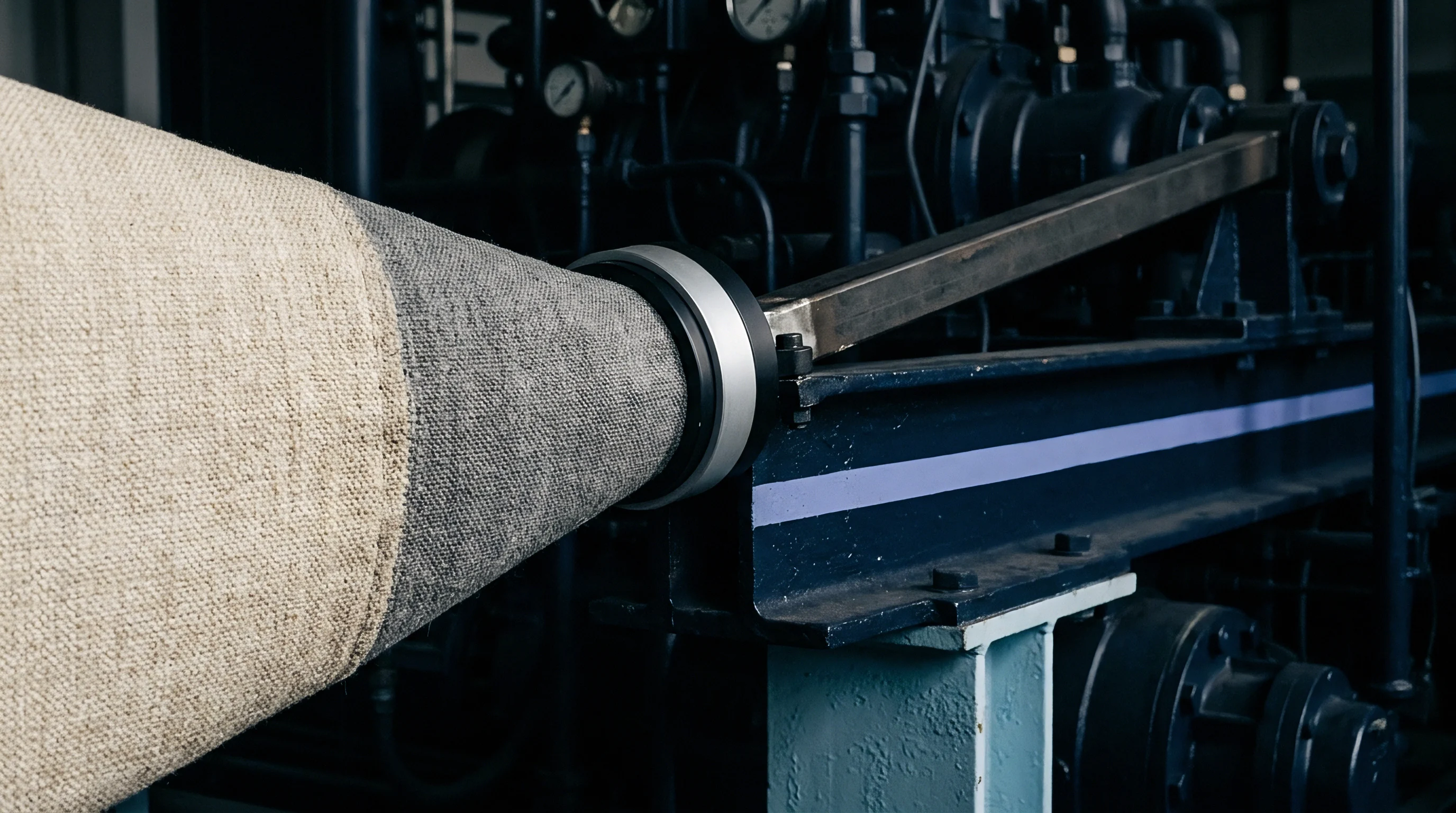
Sodium dithionite or sodium borohydride additions to the alkaline liquor reduce functional carbonyl groups along the cellulose chain to stable hydroxyl groups prior to high-temperature exposure. Eliminating carbonyl sites blocks the primary pathway for alkali-catalyzed beta-elimination scission. Adding 1.0 to 2.0 grams per liter of sodium dithionite into the bath liquor reduces the degree of polymerization drop by fifteen to twenty-five percent under identical temperature and caustic concentration profiles.
An intrinsic viscosity of 820 mL/g measured under ISO 5351 at 25°C defines the lower threshold for maintaining yarn tenacity during high-draft wet spinning.
Surfactant systems engineered for high-alkali, high-temperature environments lower liquor surface tension, accelerating the penetration of chemical reagents into the center of wet roving packages. Non-ionic alcohol ethoxylates combined with anionic alkane sulfonates maintain wetting efficiency without generating foam under continuous high-pressure pump circulation. Rapid wetting prevents localized caustic concentration gradients within dense package layers, ensuring uniform chemical exposure throughout the package volume.
Severe inner-core fiber tenderizing often stems from uncalibrated chemical bath additions or erratic temperature ramping during the initial pressure cycle, rather than inescapable hydraulic channel flow patterns.


Depolymerization
Cleavage of beta-1,4-glycosidic bonds during continuous alkaline processing permanently alters the macromolecular architecture of flax cellulose fibers. Long-chain polymer molecules, which possess an average degree of polymerization between 2,000 and 2,800 in unbleached green flax, fragment into shorter chain segments under simultaneous thermal and chemical stress. The loss of chain length diminishes intermolecular hydrogen bonding within microfibrils, reducing the ultimate tensile strength of individual technical fibers before they enter the wet spinning draft zone.
Glycosidic Bond Cleavage Kinetics under Pressure
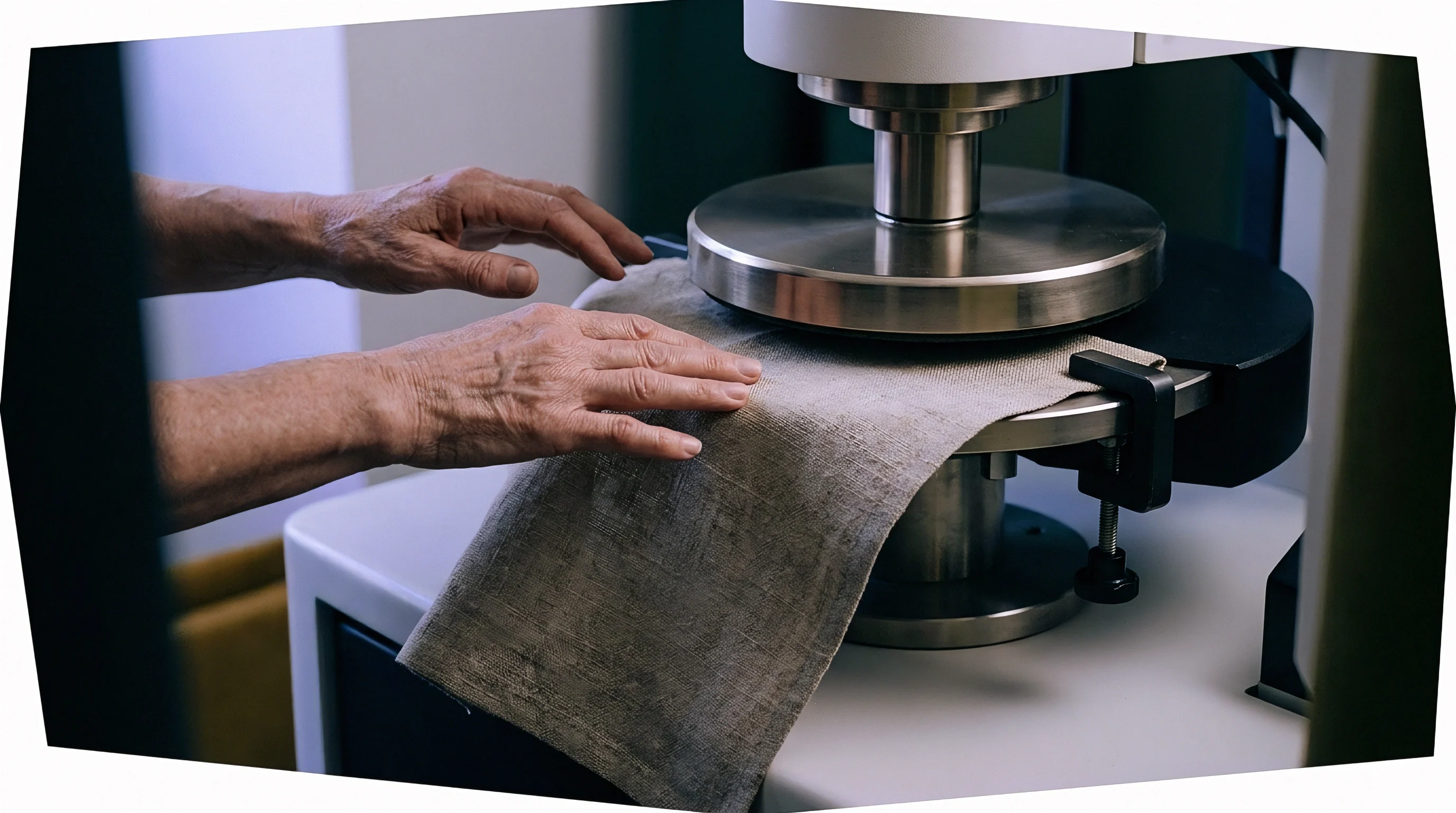
Kinetic modeling of alkaline cellulose degradation follows pseudo-first-order reaction rates governed by the Arrhenius equation. The rate constant for glycosidic bond scission increases exponentially as processing temperature rises from 110 to 140 degrees Celsius. Activation energy values for alkaline hydrolytic cleavage in bast cellulose range between 110 and 125 kilojoules per mole, allowing mill operators to calculate rate constants and predict the cumulative depolymerization damage inflicted by specific temperature and duration profiles.
Because amorphous regions distributed between crystalline cellulose domains present higher accessibility to aqueous hydroxyl ions, initial cleavage reduces overall fiber length as degradation occurs almost exclusively within these zones. This leads to a rapid reduction in the weight-average degree of polymerization. Once accessible amorphous segments degrade, reaction velocity slows as hydroxyl ions encounter the highly ordered, densely packed crystalline lattices of the microfibril core.
Monitoring intrinsic viscosity via standardized capillary viscometry provides a precise measure of chain cleavage frequency and structural cellulose damage. The conversion of intrinsic viscosity values in cupriethylenediamine solvent to weight-average degree of polymerization relies on empirical Mark-Houwink constants calibrated specifically for native plant celluloses. Scouring processes that push intrinsic viscosity below 750 milliliters per gram produce brittle fibers that fragment under mechanical draft tension.
- Extract representative 10-gram roving samples from inner, middle, and outer package layers immediately following high-pressure neutralization cycles.
- Rinse samples in distilled water and neutralize residual alkali using a 1% acetic acid solution until liquor pH stabilizes between 6.5 and 7.0.
- Dry fiber samples to constant weight at 105 degrees Celsius inside a forced-air convection oven to remove all un-bound moisture.
- Dissolve precise 50-milligram sub-samples in 50 milliliters of 0.5 molar cupriethylenediamine solution under nitrogen atmosphere to prevent dissolved oxygen degradation.
- Measure efflux times using a calibrated Ubbelohde capillary viscometer immersed in a thermostatic water bath maintained at 25 degrees Celsius plus or minus 0.1 degree.
- Calculate intrinsic viscosity values and derive the weight-average degree of polymerization using standardized empirical conversion matrices.

End Peeling versus Chain Scission Metrics
End-wise peeling consumes monomer units without causing immediate drastic drops in polymer chain length. Single glucose units detach from reducing ends, converting into soluble organic acids that accumulate in the boiling liquor. Peeling reduces overall mass yield while causing minor alterations to intrinsic viscosity metrics.
In contrast, random chain scission cuts long polymer chains near their midpoints, causing an immediate fifty percent reduction in molecular mass for that molecule without significant mass yield loss.
Evaluating mass loss alongside intrinsic viscosity loss differentiates between pure peeling reactions and random chain cleavage mechanisms. Scouring regimes that produce high mass loss with minimal viscosity reduction signify controlled extraction dominated by pectin removal and limited end-peeling. Scouring regimes that exhibit rapid viscosity drops alongside minimal mass loss indicate severe random hydrolytic cleavage, pointing to unmitigated hydroxyl ion attack within accessible amorphous regions.
Purchase contracts specifying flax roving packages must stipulate a maximum permissible drop of fifteen percent in intrinsic viscosity from raw sliver baseline to finished boiled package.
Batch viscometric data is required for every boiled roving lot to verify that hydrolytic damage remains within contract design thresholds. Cumulative chain scission density, defined as the number of cleavages per ten thousand glucose units, serves as the fundamental metric for qualifying chemical damage. Maintaining chain scission density below 0.35 preserves adequate molecular weight distribution to withstand wet spinning draft forces.
Processing profiles that balance thermal exposure against chemical concentration protect native cellulose chain lengths while achieving full removal of non-cellulosic impurities.


Diffusivity
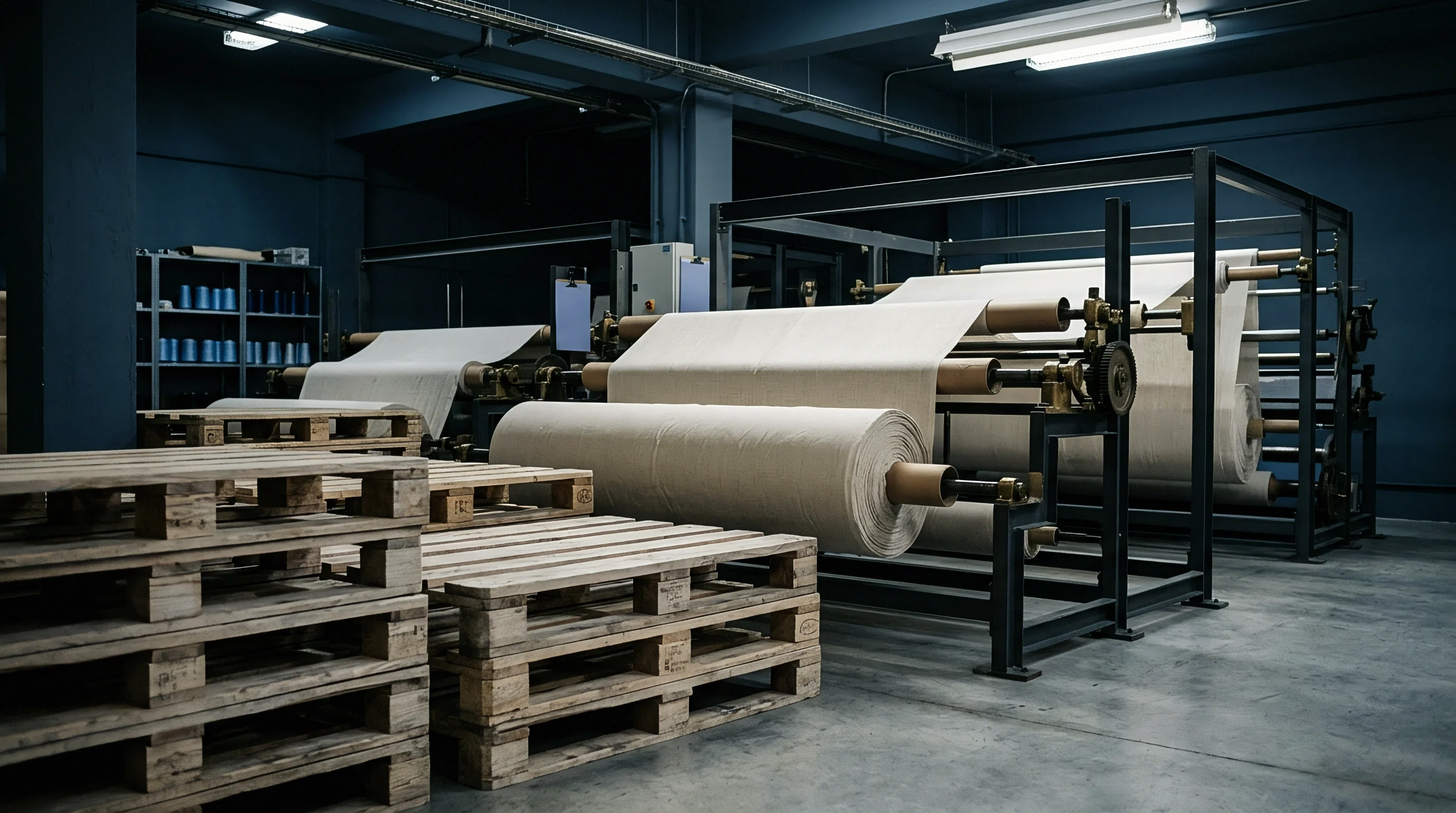
Mass transport of alkaline reagents through wet roving packages represents the primary physical bottleneck in continuous high-pressure boiling operations. Package winding density, radial wall thickness, and yarn package geometry establish resistance to forced fluid circulation. Differential hydraulic pressure between the internal perforated tube and the outer vessel environment drives fluid flow through interstitial spaces between roving strands.
Uneven flow distribution across package layers generates radial gradients in caustic concentration, thermal exposure, and hydrolytic degradation rates.

Core Periphery Mass Transport Equilibrium
Liquor flowing through dense package structures experiences pressure drops described by Darcy’s law for fluid transport through porous media. Hydraulic permeability varies inversely with package winding density; roving packages wound above 0.45 grams per cubic centimeter present severe resistance to flow, creating localized stagnation zones within inner core layers. Where liquor flow velocity through inner layers is insufficient, chemical replenishment is limited, causing local caustic depletion and temperature drops that lead to incomplete scouring.
Reversing circulation directions at fixed intervals achieves the uniform liquor velocity required in continuous boiling, balancing chemical and thermal exposure between package cores and outer peripheries. Inside-out flow cycles force fresh, hot alkaline liquor into package cores, driving extracted impurities outward toward the vessel bath. Outside-in flow cycles reverse hydraulic pressure, compressing outer roving layers while replenishing reagent concentrations at the package periphery.
Equalizing cycle times prevents systematic over-boiling of package cores during high-pressure processing.
| Package Zone | Radial Distance (mm) | Flow Velocity (L/kg·min) | Caustic Depletion (%) | Intrinsic Viscosity (mL/g) | Residual Pectin (%) |
|---|---|---|---|---|---|
| Inner Core | 0 – 25 | 42.5 | 3.2 | 760 | 0.8 |
| Mid-Body Inner | 25 – 50 | 36.1 | 8.7 | 840 | 1.4 |
| Mid-Body Outer | 50 – 75 | 31.4 | 14.2 | 890 | 1.9 |
| Outer Periphery | 75 – 100 | 27.8 | 19.5 | 940 | 2.6 |
Heat transfer through roving packages occurs via simultaneous convective transport with flowing liquor and conductive transfer through wet fiber structures, though outer layers experience rapid thermal exchange. Thermal equilibrium across a 100-millimeter radial package wall requires up to fifteen minutes of active circulation during initial heating phases. Temperature differentials exceeding five degrees Celsius between core and outer layers during ramping cycles produce non-uniform reaction rates, yielding variable degree of polymerization values along a single continuous roving strand.

Hydraulic Pressure Loss and Flow Uniformity
Differential pressure sensors connected across package spindles monitor hydraulic pressure drops across dense roving throughout the boiling program. An initial rise in pressure drop indicates fiber swelling as alkaline liquor hydrates dry or semi-wet roving packages. As pectins hydrolyze and solubilize, fluid channels expand, causing differential pressure to drop and stabilize.
Abrupt drops in differential pressure signal liquor channeling, where fluid bypasses dense package regions through structural fissures, leaving adjacent roving zones un-scoured.
Package structural deformation under high pump pressure alters interstitial pore distributions. Radial compaction of inner roving layers against perforated metal tubes reduces local porosity, increasing hydraulic resistance near the spindle boundary. Maintaining static vessel pressure at least 1.0 bar above the vapor pressure of water at peak operating temperature prevents cavity formation and pump cavitation, ensuring continuous, pulse-free liquor velocity through the package wall.
- Channeling Fissures force high-velocity liquor streams through localized low-resistance paths, causing catastrophic over-boiling and severe depolymerization along narrow fiber zones while leaving adjacent package volumes un-scoured.
- Core Compaction compresses inner roving layers against perforated carrier tubes under excessive pump pressure, reducing local permeability and restricting chemical supply to package centers.
- Edge Bleeding permits fluid bypass around package ends when spindle clamping torque is insufficient, dropping total effective liquor flow through package walls by up to thirty percent.
- Radial Thermal Lag delays chemical activation within package centers during rapid temperature ramping, creating a permanent structural gradient between inner and outer package yarn layers.
Liquor flow rates that exceed core hydraulic resistance protect outer roving layers while burning the package center.
Inspectors calculate landed cost adjustments based on the severity of radial DP gradients identified during incoming lot audits. Packages exhibiting intrinsic viscosity differentials greater than 150 milliliters per gram between inner and outer layers require speed reductions on wet spinning frames, increasing processing costs per kilogram of finished yarn.
Optimizing pump reversal frequencies allows mill engineers to eliminate inner-core depolymerization spikes without extending total vessel cycle times past economical limits.

Viscometry
Standardized viscometric testing of dissolved cellulose provides the ultimate benchmark for quantifying structural hydrolytic degradation. Capillary viscometry measures the flow time of dilute cellulose solutions through precision glass capillaries, calculating specific, relative, and intrinsic viscosity metrics. Intrinsic viscosity correlates directly with molecular mass, enabling precise tracking of polymer chain scission caused by aggressive alkaline processing.
Standard ISO 5351 dictates sample preparation, solvent chemistry, and measurement conditions to ensure inter-laboratory reproducibility.

Cupriethylenediamine Intrinsic Viscosity Protocol
Cupriethylenediamine solvent dissolves cellulose samples rapidly without inducing additional chemical degradation when oxygen is excluded. Dissolution involves copper complexation with hydroxyl groups on the anhydroglucose units, breaking intermolecular hydrogen bonds and uncoiling polymer chains into extended random coils. Solvent preparation requires exact copper to ethylenediamine molar ratios of 1.00 plus or minus 0.02 to maintain solvent power and stability.
Moisture content determinations must precede sample weighing to ensure exact dry cellulose mass inputs for viscometric calculations. Fiber samples dried at elevated temperatures risk localized thermal degradation; vacuum drying over phosphorus pentoxide at 40 degrees Celsius preserves native chain structures during moisture removal. Accurate balance readings to within 0.1 milligram prevent systemic errors in final concentration values.
Efflux time measurements require strict temperature control within a thermostatic bath. Temperature fluctuations alter solvent viscosity, corrupting calculated relative viscosity ratios. Using automated optical timing systems eliminates human error in recording meniscus passage between capillary graduation marks, achieving measurement precision within 0.05 seconds.

Polymerization Index Thresholds for Wet Spinning Yields
Converting intrinsic viscosity to degree of polymerization relies on the Mark-Houwink-Sakurada relationship. For flax cellulose dissolved in 0.5 molar cupriethylenediamine, empirical constants set the exponent at 0.93 and the proportionality factor at 0.75 for intrinsic viscosity expressed in milliliters per gram. High-precision testing reveals that native flax cellulose possesses an intrinsic viscosity range between 1,100 and 1,350 milliliters per gram, corresponding to degree of polymerization values between 2,100 and 2,600.
High-draft wet spinning frames impose immense mechanical stress on wet roving packages as strands draft down to final yarn counts. Slippage between technical fibers requires individual fibers to maintain high internal tensile strength and alpha cellulose retention to prevent strand drafting breaks. When intrinsic viscosity drops below 820 milliliters per gram, individual fiber tenacity declines to a point where draft forces exceed ultimate tensile strength, causing high end-break rates on spinning frames.
Processing lots with intrinsic viscosity values below 700 milliliters per gram experience more than 45 end-breaks per 1,000 spindle-hours during wet spinning operations. Yield losses of this magnitude destroy spinning margin calculations and generate excessive mill waste. Establishing clear viscosity limits within purchasing specifications protects buyers from accepting covertly damaged roving inventory.
| Viscosity Range (mL/g) | Equivalent DP Range | Fiber Tenacity (cN/tex) | End-Break Rate (per 1k sp-hr) | Spinning Qualification Status |
|---|---|---|---|---|
| > 1,000 | > 1,900 | 48.5 – 54.0 | < 8.0 | Premium Grade |
| 880 – 1,000 | 1,670 – 1,900 | 42.0 – 48.5 | 8.0 – 15.0 | Standard Production Grade |
| 820 – 880 | 1,560 – 1,670 | 36.5 – 42.0 | 15.0 – 25.0 | Minimum Acceptable Limits |
| 720 – 820 | 1,360 – 1,560 | 28.0 – 36.5 | 25.0 – 45.0 | Degraded Yield Reduction |
| < 720 | < 1,360 | < 28.0 | > 45.0 | Rejected Material |
Laboratory accreditation under ISO 17025 guarantees that reported intrinsic viscosity metrics reflect true chemical states rather than instrument artifacts or operator technique variations, confirming structural cellulose degradation limits. Independent third-party testing provides binding audit documentation when commercial disputes arise regarding fiber damage.
- Confirm ISO 17025 accreditation scope for the testing laboratory, verifying specific inclusion of ISO 5351 viscometric methods for cellulose materials.
- Establish sampling frequency requirements of at least one multi-point package extraction per 500 kilograms of processed wet roving.
- Define acceptable intrinsic viscosity variances across radial package zones, setting maximum permissible limits at twelve percent from core to shell.
- Mandate retention of physical fiber samples and raw viscometric output data for twenty-four months to support retrospective supply chain audits.
ISO 17025 certified test reports providing cupriethylenediamine intrinsic viscosity values for every production batch constitute mandatory baseline documentation for origin certification under European Flax frameworks.
According to standard commercial procurement covenants, delivery consignments failing to meet the minimum intrinsic viscosity limit of 820 milliliters per gram trigger automatic price re-negotiation or mandatory lot replacement at the seller’s sole expense.

Impurities
Raw flax fibers contain significant proportions of non-cellulosic encrustants that interfere with textile processing. Pectins, hemicelluloses, lignins, waxes, and mineral salts bind elementary fibers together inside technical fiber bundles. High-pressure alkaline boiling aims to selectively dissolve these non-cellulosic constituents without attacking the structural alpha-cellulose backbone.
Achieving high pectin removal while preserving intrinsic viscosity represents the core optimization target for technical wet-spinning mills.
Pectin Extraction versus Alpha Cellulose Degradation
Middle lamella pectins consist of polygalacturonic acid polymers cross-linked with calcium and magnesium ions. Alkaline solutions hydrolyze ester bonds within pectin chains, converting insoluble protopectin into soluble sodium pectate salts. Removing 85 to 92 percent of native pectin content weakens inter-fiber bonding sufficiently to permit fine drafting during wet spinning, allowing the production of high-count, lightweight linen yarns.
Excessive sodium hydroxide concentration extracts non-cellulosic binder while prematurely cleaving the structural cellulose backbone. Over-extraction of pectins removes structural support between elementary fibers, causing technical fibers to disintegrate prematurely into ultra-short elementary segments. Fiber bundle disintegration reduces effective staple length, generating high yarn unevenness and elevated short-fiber content.
Under-retted flax straw requires aggressive boiling regimes with higher caustic concentrations and elevated temperatures to achieve necessary fiber bundle splitting because retting status dictates required scouring intensity. Over-retted raw material contains pre-degraded middle lamella pectins and broken cellulose chains; applying standard boiling parameters to over-retted fiber induces rapid depolymerization and catastrophic strength loss.
Hemicellulose removal occurs simultaneously with pectin extraction during alkaline processing. Xylans and glucomannans dissolve rapidly in hot sodium hydroxide solutions. While removing amorphous hemicellulose improves fiber flexibility and fineness, complete removal of hemicellulosic binders reduces fiber package stability and draft resistance during mechanical processing.
| Treatment Intensity | Total Mass Loss (%) | Pectin Removal (%) | Hemicellulose Loss (%) | DP Drop (%) | Fine Spinning Suitability |
|---|---|---|---|---|---|
| Mild (15 g/L NaOH, 115°C) | 6.2 | 72.0 | 35.4 | 4.5 | Coarse Yarns Only (< 26 Nm) |
| Standard (22 g/L NaOH, 122°C) | 9.5 | 86.5 | 52.1 | 10.2 | Medium Yarns (26 – 42 Nm) |
| Optimal Fine (28 g/L NaOH, 128°C) | 12.1 | 91.8 | 68.7 | 15.8 | Fine Yarns (42 – 60 Nm) |
| Aggressive (34 g/L NaOH, 134°C) | 15.4 | 96.2 | 84.3 | 28.4 | High Draft Failure Risk |
| Severe Over-boil (> 38 g/L NaOH) | 18.8 | 98.5 | 92.6 | 45.1 | Un-spinnable Fiber Degradation |

Yield Loss Reconciliations across Wet Process Stages
Auditing total mass yield across wet processing stages provides an explicit check against fraudulent fibre substitution or unrecorded waste disposal. Raw dry roving loses between 8 and 14 percent of its initial dry weight during alkaline boiling, rinsing, and neutralization cycles. Discrepancies between expected and actual mass loss indicate either improper boiling execution or un-declared fiber lot blending.
Landed cost calculations must incorporate processing mass losses alongside chemical, energy, and labor inputs. A roving lot that experiences a twelve percent mass loss during scouring requires a proportional upward adjustment in the base raw material cost per kilogram of finished spun yarn. Underestimating wet processing mass loss distorts landed cost models, eroding operating margins on certified linen sales.
Scouring mass loss directly influences transaction certificate calculations under European Flax provenance rules. Certifiers track dry fiber mass inputs from raw scutcher tow and line flax through spinning, weaving, and finishing stages. Mass balance accounting requires accurate recorded mass conversion factors for each wet processing phase.
Submitting incorrect mass loss figures invalidates transaction certificate chains, exposing buyers to origin non-compliance penalties.
Auditors evaluate mill processing logs to reconcile raw roving input weights against net output yields of boiled, dried roving packages. Discrepancies exceeding two percent trigger mandatory physical stock re-audits to verify that non-certified fiber was not introduced to compensate for excessive scouring mass loss.
Excessive sodium hydroxide concentration extracts non-cellulosic binder while prematurely cleaving the structural cellulose backbone.
Audit dossiers must include accurate mass loss data, chemical consumption logs, and batch viscometry records to prove that wet processing steps complied with both structural degradation limits and origin chain-of-custody protocols.
- Caustic Titration Logs proving continuous monitoring of active hydroxide concentration across all production shifts.
- Temperature Ramping Charts recording exact thermal profiles and dwell times for every high-pressure vessel load.
- Batch Viscometry Reports establishing intrinsic viscosity values for inner, middle, and outer package zones under ISO 5351 methods.
- Mass Yield Statements documenting dry fiber input mass versus dry fiber output mass to validate mass balance accounting.
- Water Treatment Records detailing chelant dosing rates and metal ion concentration analyses for incoming process water.
Failure to balance pectin extraction intensity against hydrolytic degradation limits leads directly to severe yarn strength loss, high end-break rates during spinning, and invalidation of downstream origin documentation.
Validation
Origin validation and mechanical integrity verification function as interdependent requirements in international linen procurement. A certified provenance statement claiming European Flax origin carries zero commercial value if continuous alkaline boiling destroys the physical spinability of the fiber. Traceability documentation must link specific agricultural fiber lots to mill processing batches, chemical treatment records, and ISO 17025 test certificates to prove both legal origin and physical compliance with quality benchmarks.
Chain of Custody Audit Protocols for Continuous Boiling
European Flax certification establishes physical segregation and mass balance rules from Western European agricultural fields through scutching, hackling, spinning, and fabric finishing. When un-boiled European flax roving enters wet-spinning facilities in Asian processing centers, continuous high-pressure boiling represents a critical audit node where chain-of-custody breaks frequently occur. Mills must maintain dedicated production runs, clear batch labeling, and isolated liquor systems to prevent mixing certified European fiber with non-certified origins.
Transaction certificates issued by accredited certification bodies validate the physical movement of fiber between supply chain entities. Every transaction certificate references specific commercial invoices, bills of lading, net fiber weights, and scope certificate numbers. Auditors cross-check incoming raw roving transaction certificates against outgoing spun yarn transaction certificates, applying verified wet-processing mass loss factors to confirm mass balance integrity.
Non-preferential origin rules under the Union Customs Code and United States Customs regulations determine country of origin labeling requirements for imported linen textiles. Substantial transformation criteria mandate that raw flax roving processed into spun yarn undergoes a tariff shift at the heading level under Harmonized System Chapter 53. Chemical scouring and wet spinning execute this substantial transformation, shifting origin to the processing country while European Flax provenance claims track the original agricultural fiber source.

Commercial Warranty Clauses and Origin Verification
Drafting robust commercial purchase agreements requires explicit warranty language covering both legal provenance standards and technical degradation limits. Standard supply contracts must stipulate minimum intrinsic viscosity thresholds, maximum permissible radial package gradients, and mandatory transaction certificate delivery deadlines. Incorporating binding technical standards into purchase contracts shifts financial liability for chemically damaged or origin-non-compliant fiber onto the processing mill.
Testing protocols established in purchase agreements define sampling frequencies, reference testing laboratories, and arbitration procedures for resolving quality disputes. Specifying ISO 17025 accredited testing facilities operating under ISO 5351 methods eliminates ambiguity regarding analytical accuracy. Contractual clauses specifying automatic lot rejection or financial indemnification for intrinsic viscosity failures protect buyers against performance defaults.
Supply chain auditors examine physical bale tags, roving bobbin identification markers, and vessel allocation logs during mill inspections. Discrepancies between physical package quantities in vessel loading bays and declared batch weights on transaction applications point to administrative falsification or un-declared lot blending. Continuous audit verification ensures that every shipment meets strict physical and legal origin criteria before customs clearance.
Documenting continuous alkaline boiling execution using audited chemical logs, viscometric test reports, and mass balance records creates an unbroken verification file that withstands customs scrutiny and commercial audit challenges.