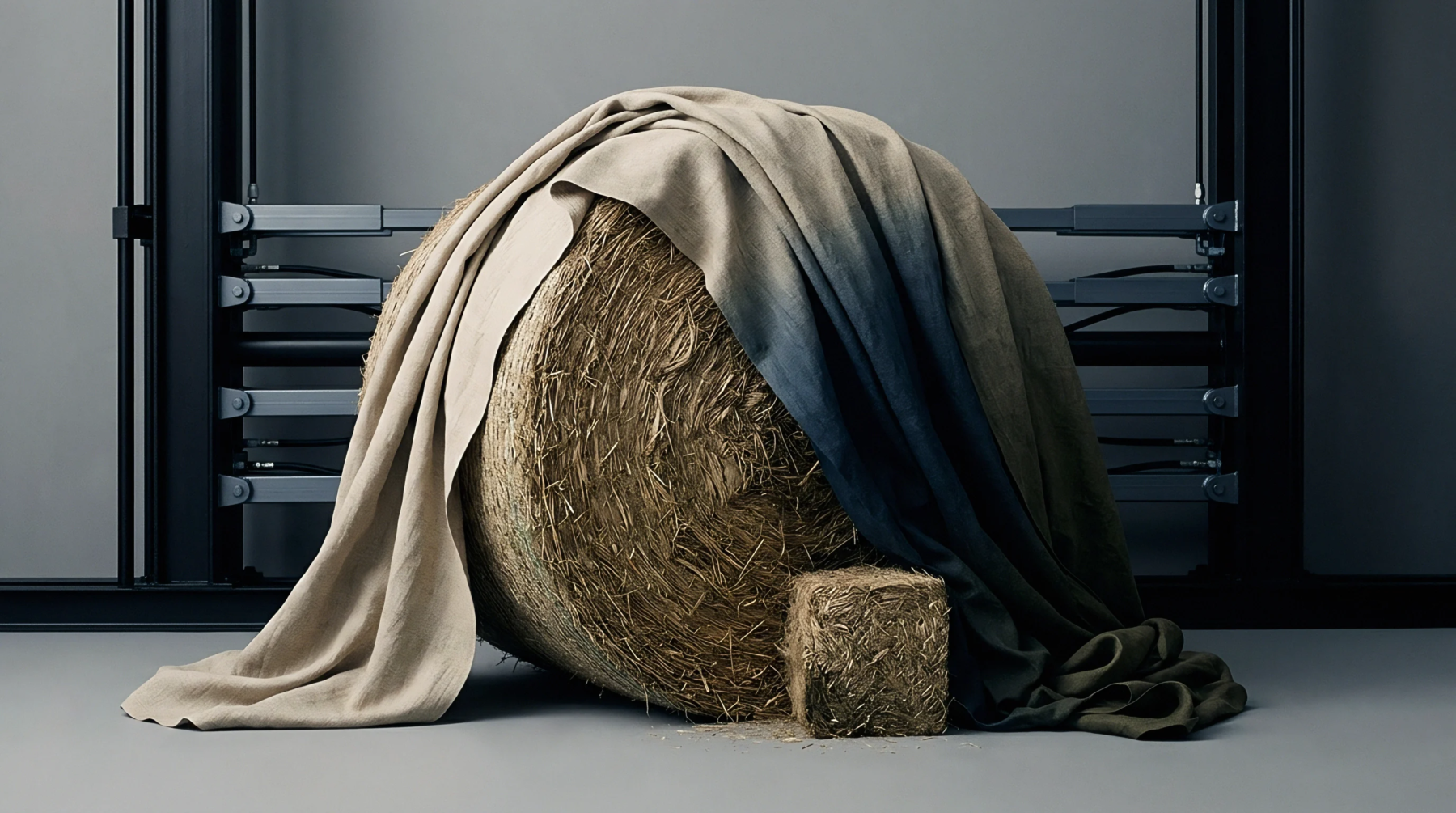
Mechanical Relaxation
Permanent fabric length reduction occurs through the forced physical displacement of yarns within a woven linen structure. Compressive shrinkage applies this modification by pushing the cloth against an elastic belt as it passes through a heated shoe. This action overcomes the tension stored during previous spinning and weaving operations, which forces the fibre configuration into a more stable state.
Stability in the garment depends on this pre-determined reduction of the potential to stretch or distort after laundering.
Process Verification
Dimensional assessment follows the treatment stage to confirm that the finished linen meets the specified tolerance for residual change. Quality control staff measure test samples before and after a standard soak to calculate the percentage of deviation from the original dimension. Records of these measurements populate the technical file for each batch and verify that the finishing mill achieved the contracted parameters.
A variance between the laboratory result and the bulk output triggers a review of the machine pressure settings or the elastic belt elasticity.
Trade Specification
Procurement agreements designate the allowable limits for garment distortion using standardized testing protocols common to global linen supply chains. Buyers mandate these physical limits to prevent fit failures when consumers wash the finished product. The finished fabric grade rests upon the ability of the mill to hold the dimensions within the prescribed window after the application of mechanical force.
Reliable output relies on the consistent maintenance of the equipment geometry rather than operator manual adjustments.