Tension Stress
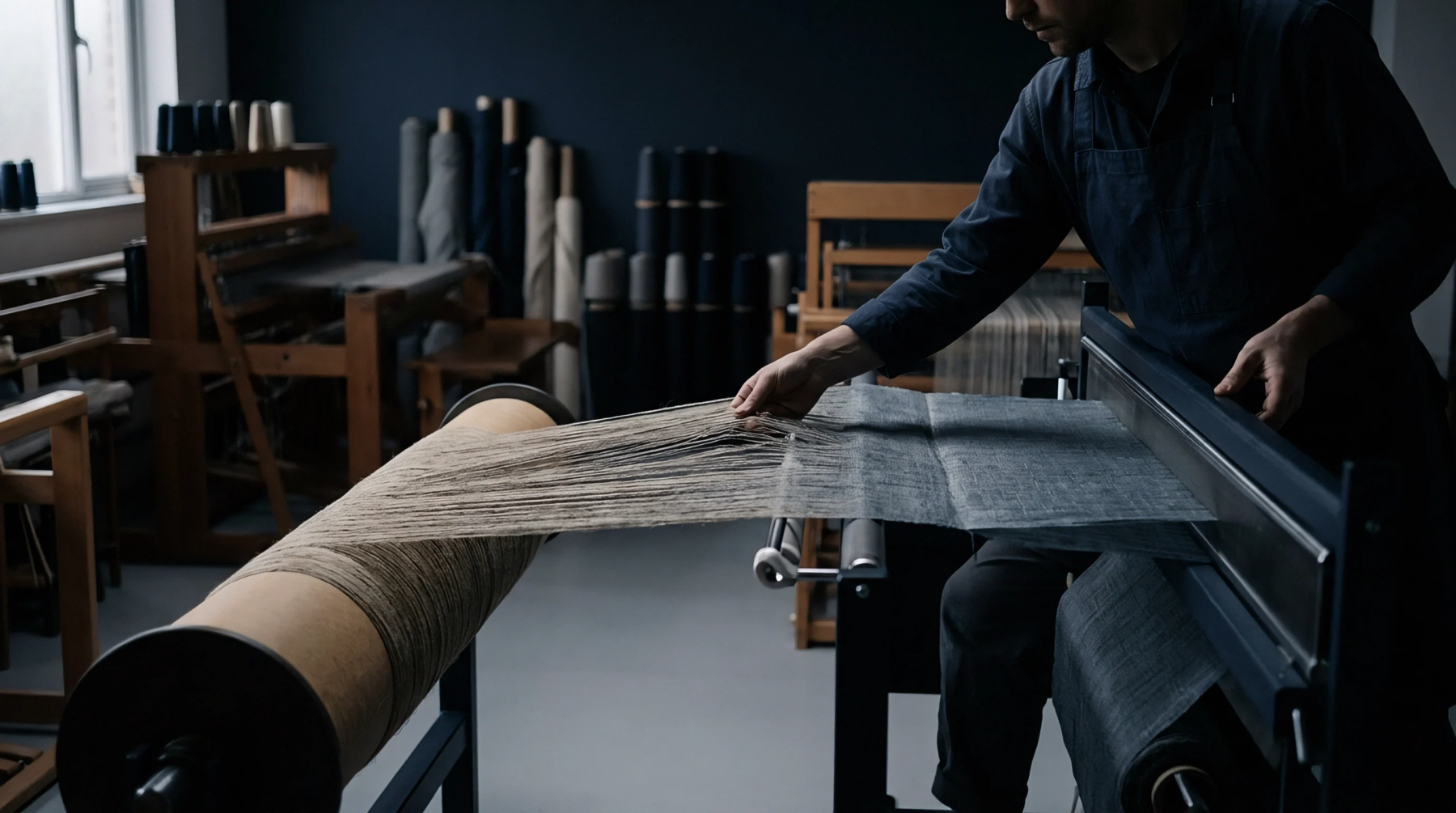
Machine operators track warp breakage during the high-speed shedding phase of linen production because a snapped yarn halts the entire loom until a hand knot is tied. Raw flax fibers possess irregular tensile strength compared to manufactured filaments, which introduces frequent weak spots along the warp beam. Mill supervisors record these stoppage events in the daily shift log to determine whether the sizing liquor applied during the preparatory stage was too diluted to protect the dry strands.
Quality Threshold
Commercial contracts between Chinese textile mills and European buyers establish a strict limit of tolerated yarn fractures per thousand picks of woven fabric. Exceeding that maximum density of repairs forces the inspection team to downgrade the grey cloth from first-tier export status to a lower commercial grade. Mill operators balance high loom speeds against yarn integrity, knowing excessive tension increases the frequency of snapped threads and lowers overall weaving efficiency.
Remedial Protocol
Factory managers adjust humidity levels in the weaving shed when ambient dryness causes the flax strands to become brittle and snap under mechanical load. Correcting this physical vulnerability requires modifying the starch concentration within the sizing bath before a new warp beam mounts onto the loom frame. Stable atmospheric moisture prevents brittle fibers from fracturing during the repetitive lifting action of the harness frames.