Fibre Penetration
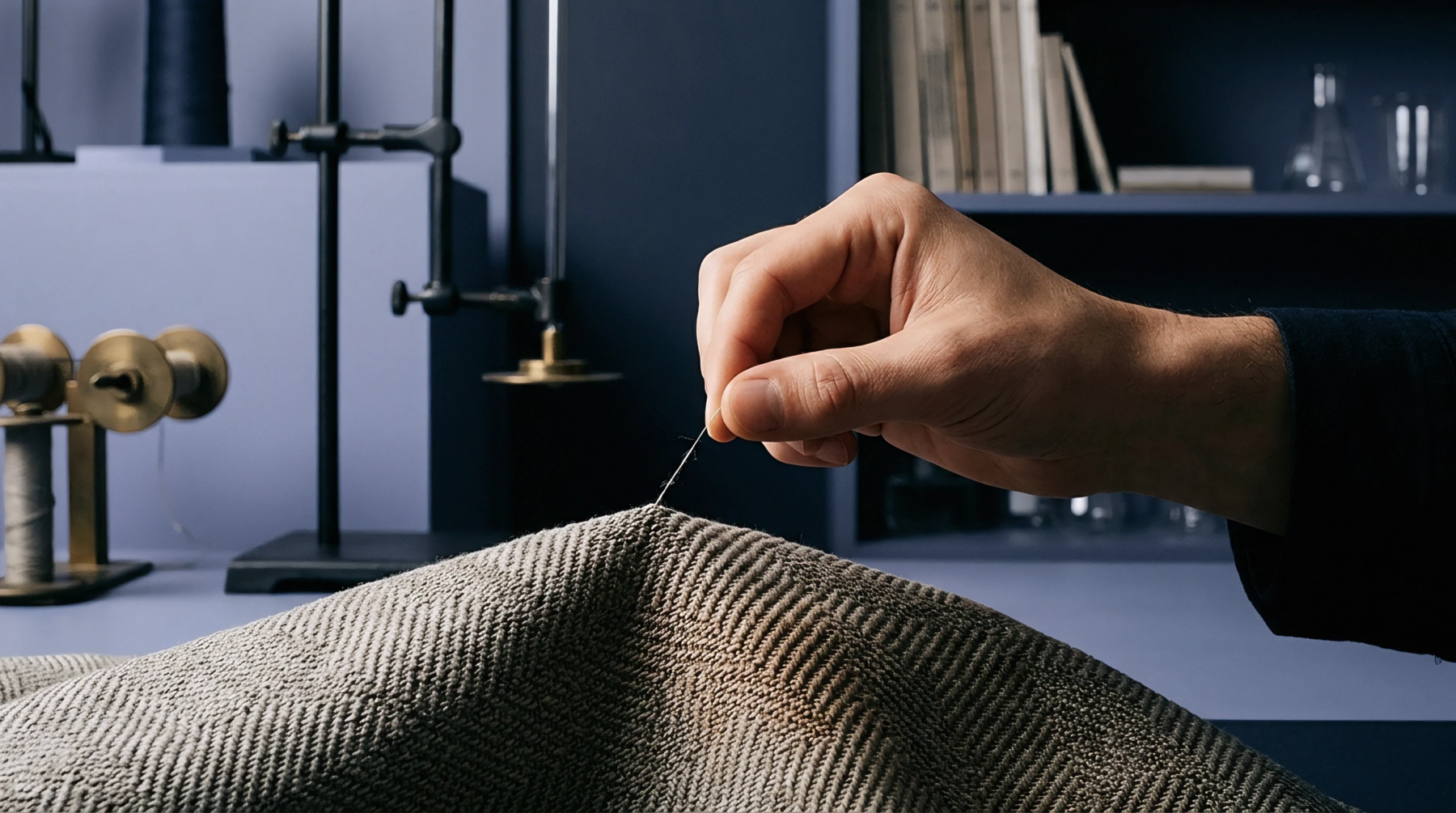
The grading floor examines raw flax bundles through pin penetration depth to measure resistance against a weighted steel probe. Operators lower a calibrated array onto the dried stalks during the initial scutcher stage, and the resulting displacement value enters the batch ledger alongside moisture metrics. A high resistance figure denotes coarse cortical tissues that require extended retting, whereas lower values indicate premature fibre separation.
Mill specifications govern these thresholds, separating internal processing stock from material destined for external spinning mills.
Probe Resistance
Mechanical resistance during the descent phase reveals internal density variations across the stalk cross section. Technicians record maximum force values before epidermal rupture occurs, mapping structural integrity directly onto the accompanying quality certificate. Stalks harvested from nitrogen rich soils yield higher readings due to thicker secondary cell walls.
Production supervisors adjust breaker roller pressure according to these measurements to prevent fibre breakage during subsequent mechanical processing.
Spinning Yield
Final yarn strength depends directly on the structural uniformity established during the initial probing sequence. Dense core material resists uniform drafting on the spinning frames, producing uneven yarn with excessive hairiness. Weaving departments reject bobbins spun from inconsistent batches because irregular yarn tension causes warp breaks on the looms.
Thread parameters improve when raw material selection adheres strictly to established resistance thresholds.