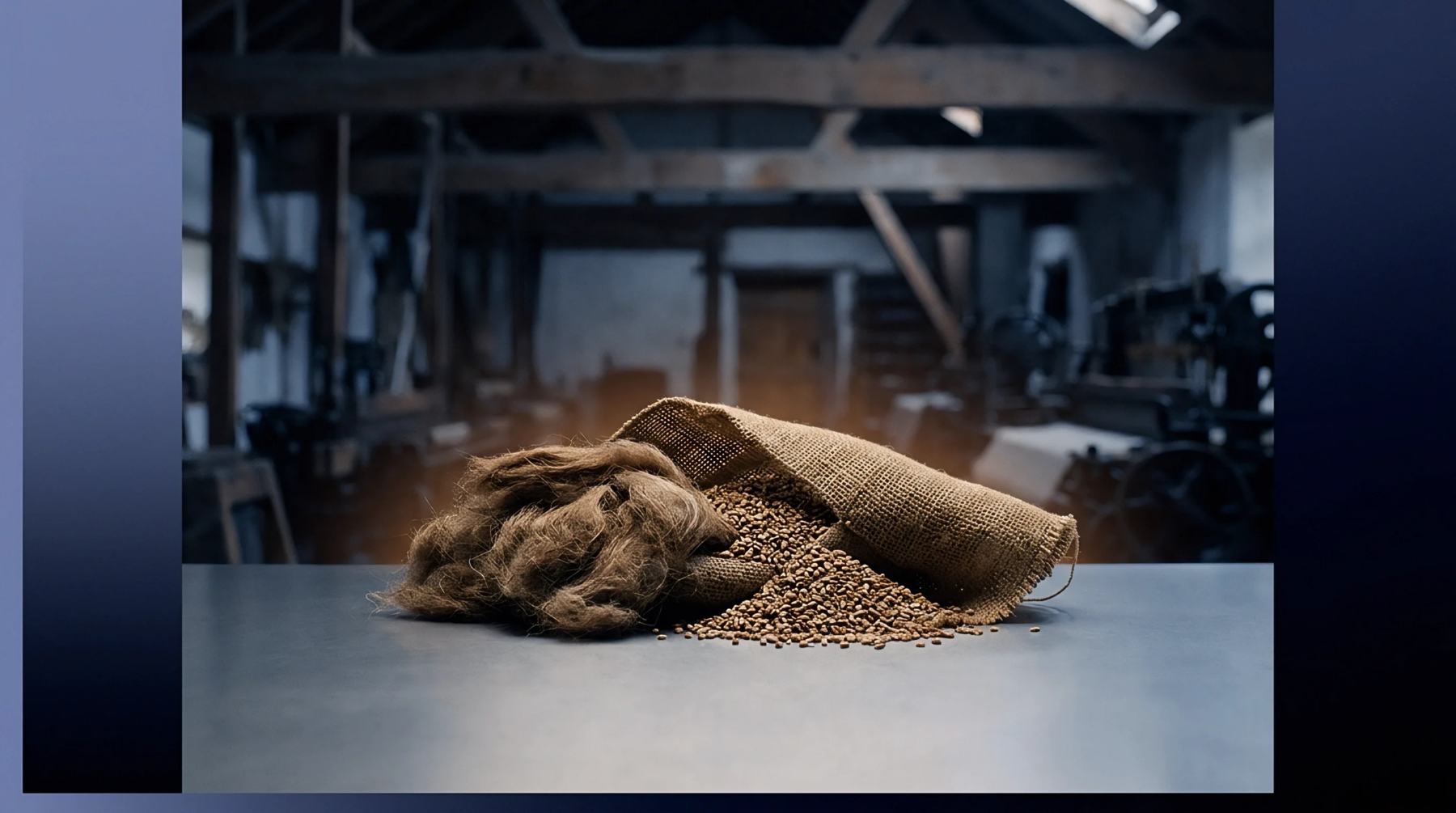
Cyclic Tensile Fatigue Degradation Mechanics in Bast Fiber Yarns
Cyclic tensile fatigue in bast yarns stems from microfibril reorientation and dislocation slip, requiring optimized sizing and minimal shed heights on looms.
Cyclic tensile fatigue in bast yarns stems from microfibril reorientation and dislocation slip, requiring optimized sizing and minimal shed heights on looms.

Cyclic pure bending fatigue depends on inter-fiber friction decay, requiring precise yarn twist and pick density balancing to control hysteresis losses.

Finished linen weave recovery limits depend on yarn cross-sectional flattening, weave friction nodes, and cross-linking levels during flexural cycling.

A precise mass balance reconciles dry flax count, warp sizing solids, loom shedding fly, and rapier cutoffs against the official twelve percent moisture regain.
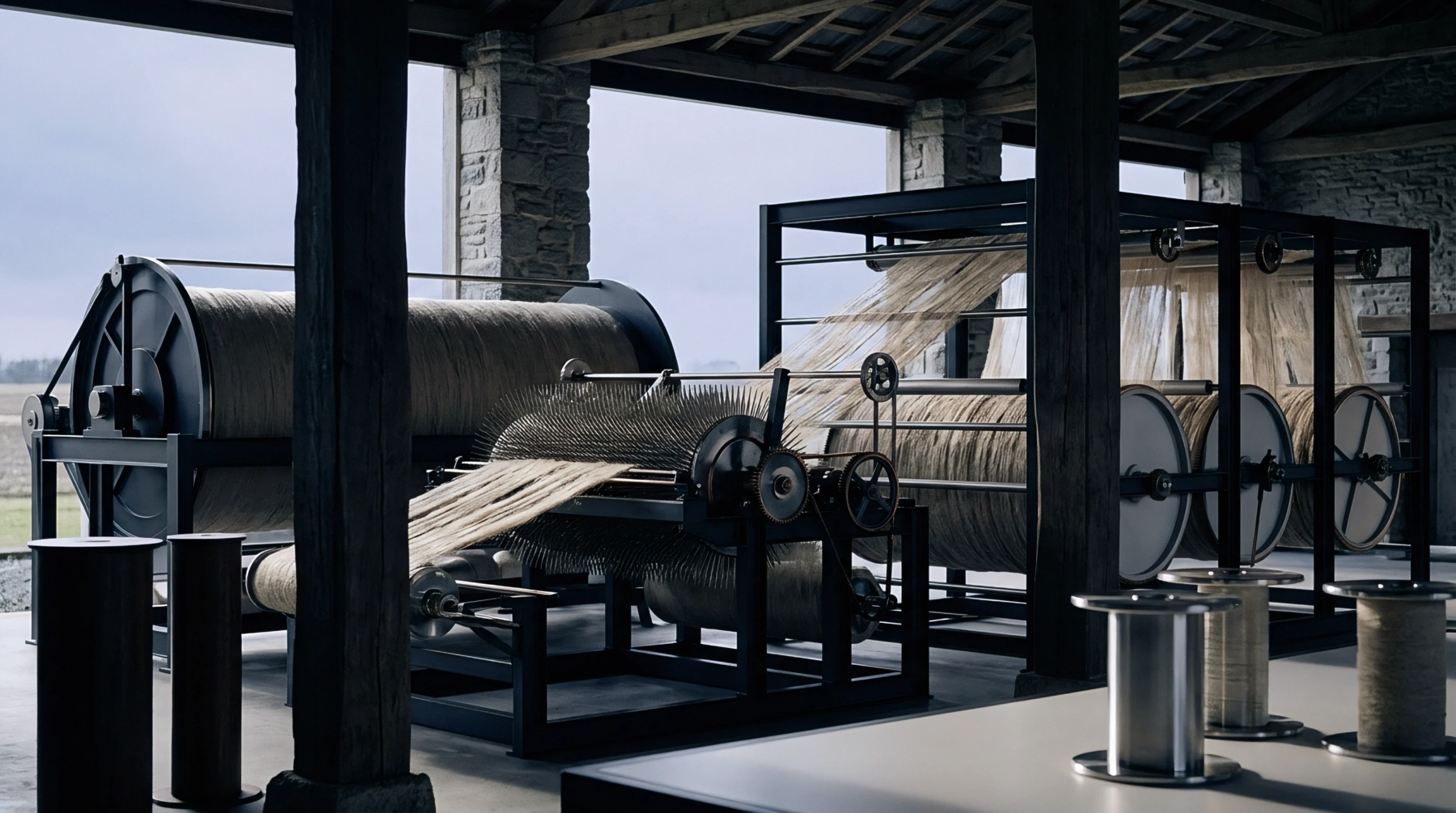
Warp yarn failure on air-jet looms stems from pneumatic twist disruption and drop-wire abrasion, requiring high-speed tensile screening to protect shed hours.
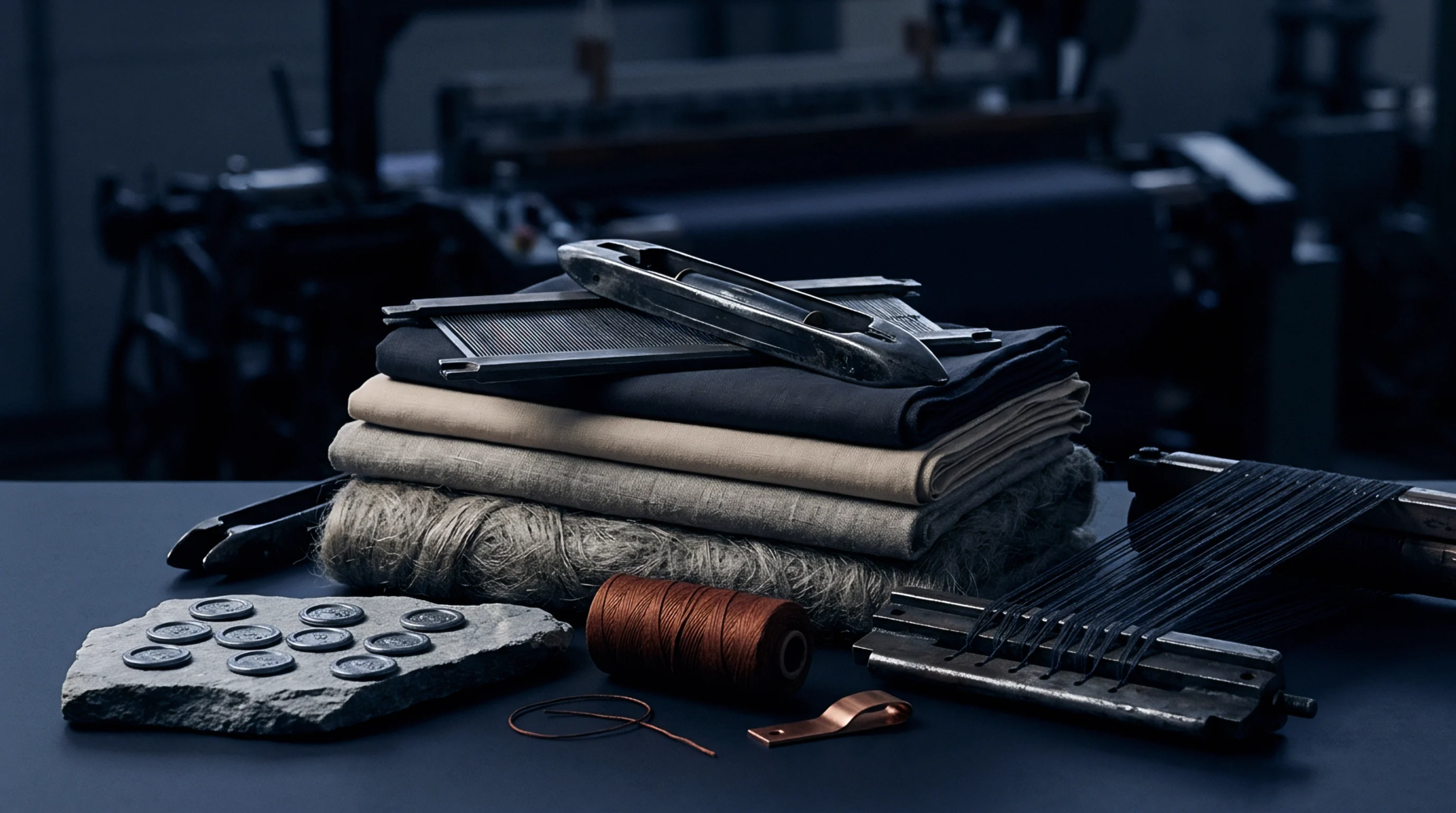
Warp streaks stem from localized end-spacing variations, tension differentials during beaming, linear density fluctuations, or unequal sizing penetration.
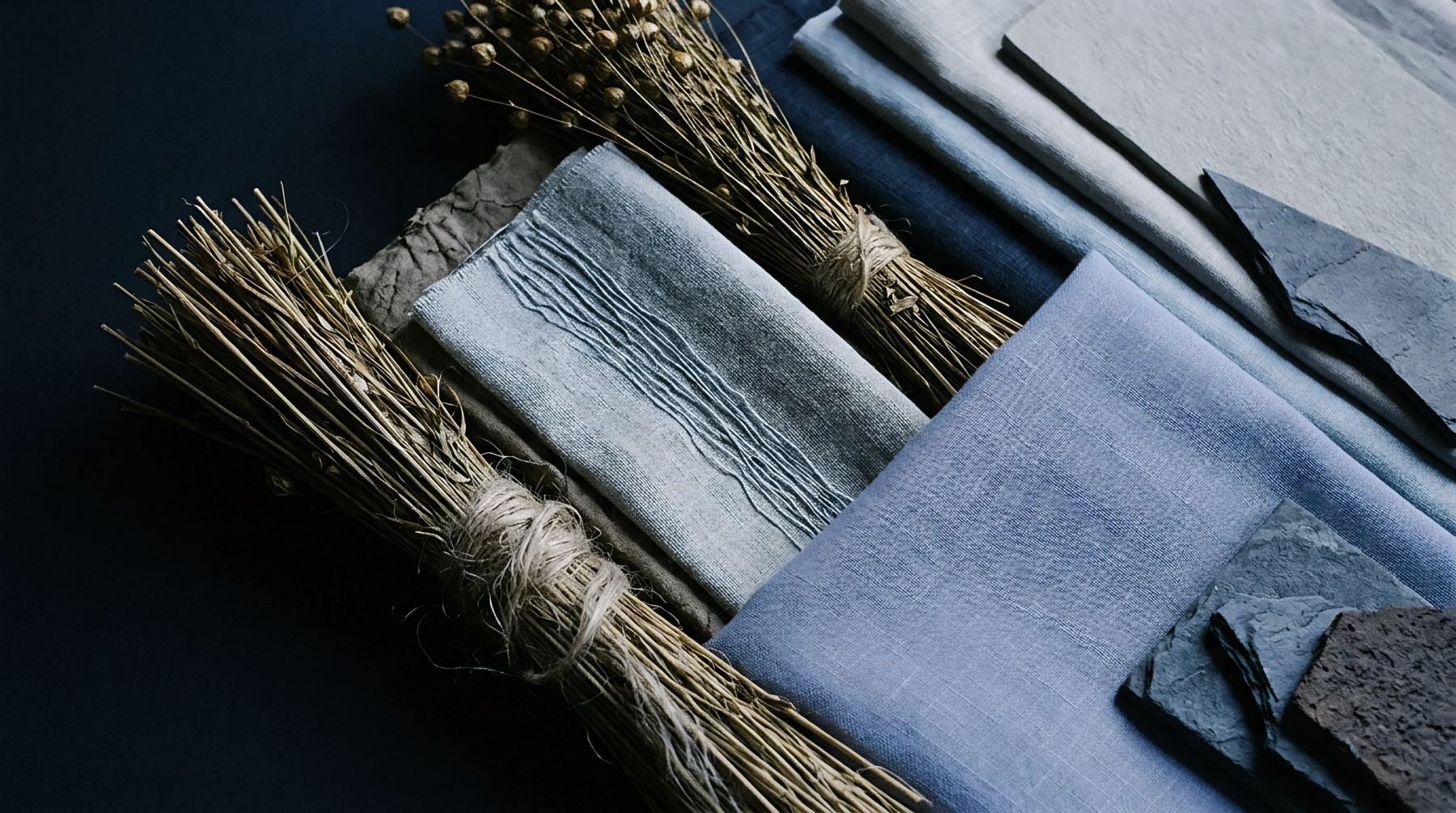
Calibrating inter-elementary pectin matrix cohesive parameters against dynamic loom tension spikes prevents shear failure in ultrafine wet spun linen.
Expertise is a utility, not a secret. sentiention™ publishes its working knowledge as open reference: intelligence layer covering the materials it sources, the markets it enters, and the reference that serves both.