Separating Viscoelastic Crimp Interchange from Biochemical Mass Loss in Scouring
Scouring linen increases GSM despite mass loss because wet viscoelastic crimp interchange condenses thread count faster than non-cellulosic extraction lightens yarn.
Scouring linen increases GSM despite mass loss because wet viscoelastic crimp interchange condenses thread count faster than non-cellulosic extraction lightens yarn.

Deriving greige linen count requires dividing target finished linear density by chemical yield and adjusting for warp crimp, reed spread, and sizing loss.
Finite population queueing models quantify loom interference losses, preventing over-assignment that drives down air-jet shed efficiency below economic targets.
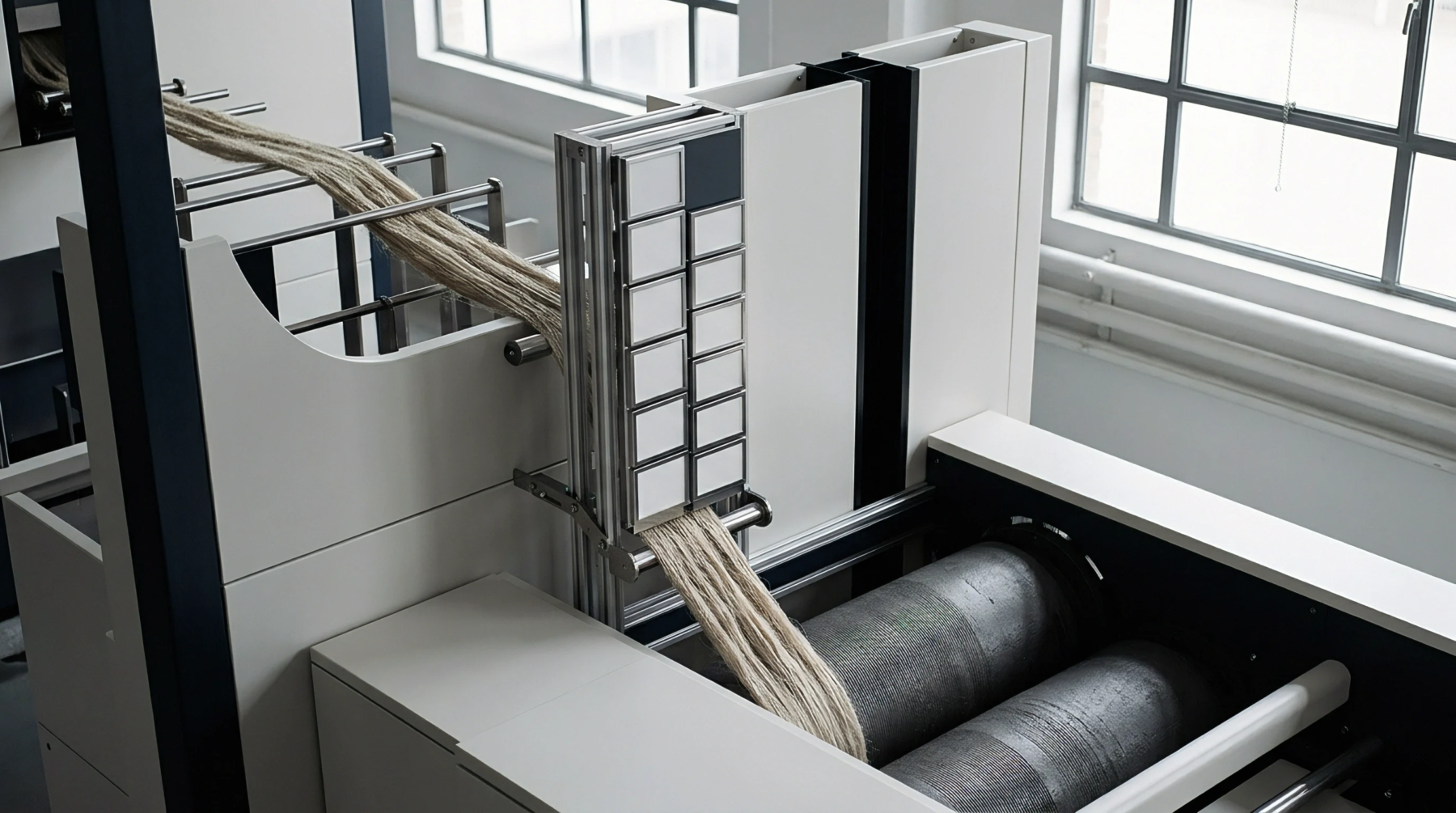
Adjusting weaver loom allocations based on high-density flax warp end-break rates maximizes loom-hour output and prevents stop-mark quality losses.

Calculate linear greige yield by dividing net picks per hour by pick density, adjusting reed width and warp length for crimp contraction.

Flax moisture regain directly alters measured yarn count and fabric mass; accurate verification requires oven-drying to normalize weights against standard commercial regain allowances.

Landed linen metre cost depends primarily on hackling line yield, where each percentage loss in combed sliver inflates yarn preparation costs down the loom.
Wide air-jet linen weaving requires synchronized relay nozzle pressures and precise temple pin geometry to stop edge tension drift and edge damage.

Managing off-loom flax warp crimp contraction requires precise reed denting allowances, ELO tension tuning, and size solubility control to hit target grey widths.

Reconciling linen weight requires balancing chemical extraction losses against warp crimp contraction to hit target finished areal mass and dimensional stability.
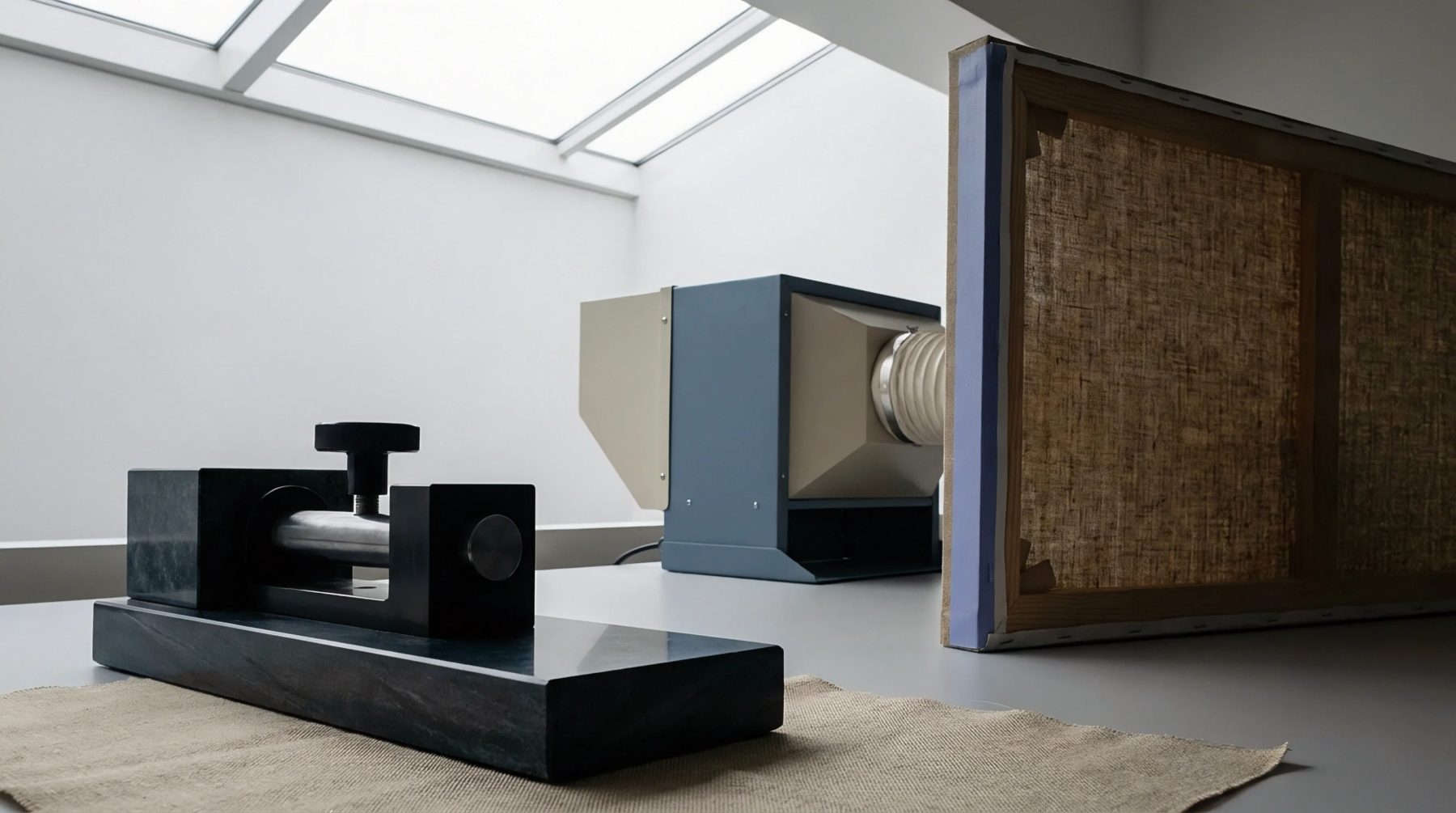
Standardized testing of flexural hysteresis and crimp balance isolates structural yarn friction, securing dimensional stability and reducing garment scrap.
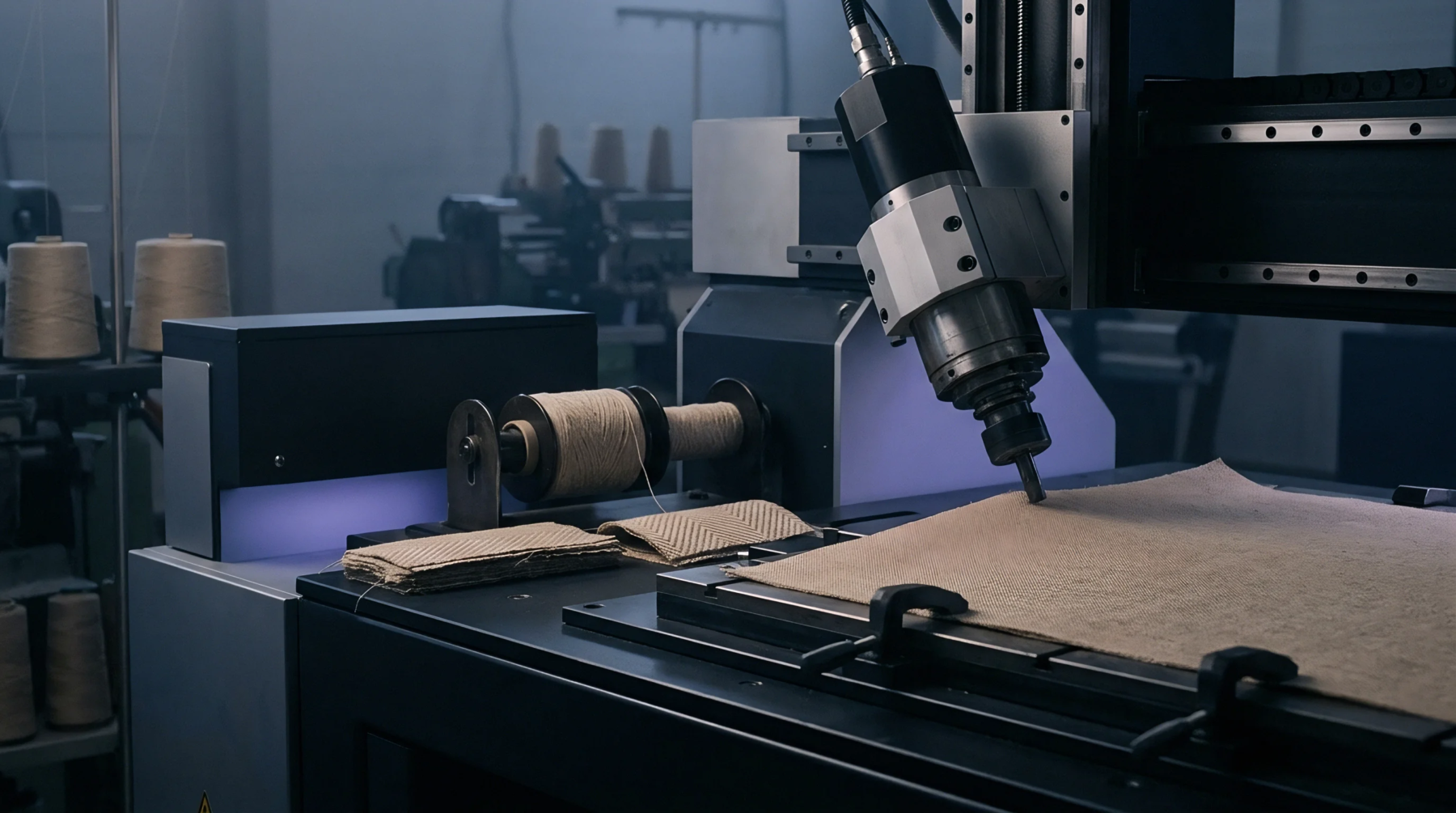
Optimizing rapier clamping timing, catch cord width, and active pre-winder braking reduces total weft waste cascades below six percent on high speed linen sheds.

Reconciling warp crimp and waste factors prevents yarn budget deficits by capturing cumulative process losses across landed fabric cost models.

Engineering accurate linen fabric specifications requires coupling loom crimp take-up equations with wet process shrinkage factors to fix finished GSM and width.
Calculating real landed fabric cost requires dividing hourly loom shed rates by efficiency-adjusted yield and adding verified yarn loss, finishing shrinkage, and freight.

Target linen weight equals yarn tex multiplied by thread density, adjusted for warp size, crimp, wet process mass loss, and area shrinkage factors.
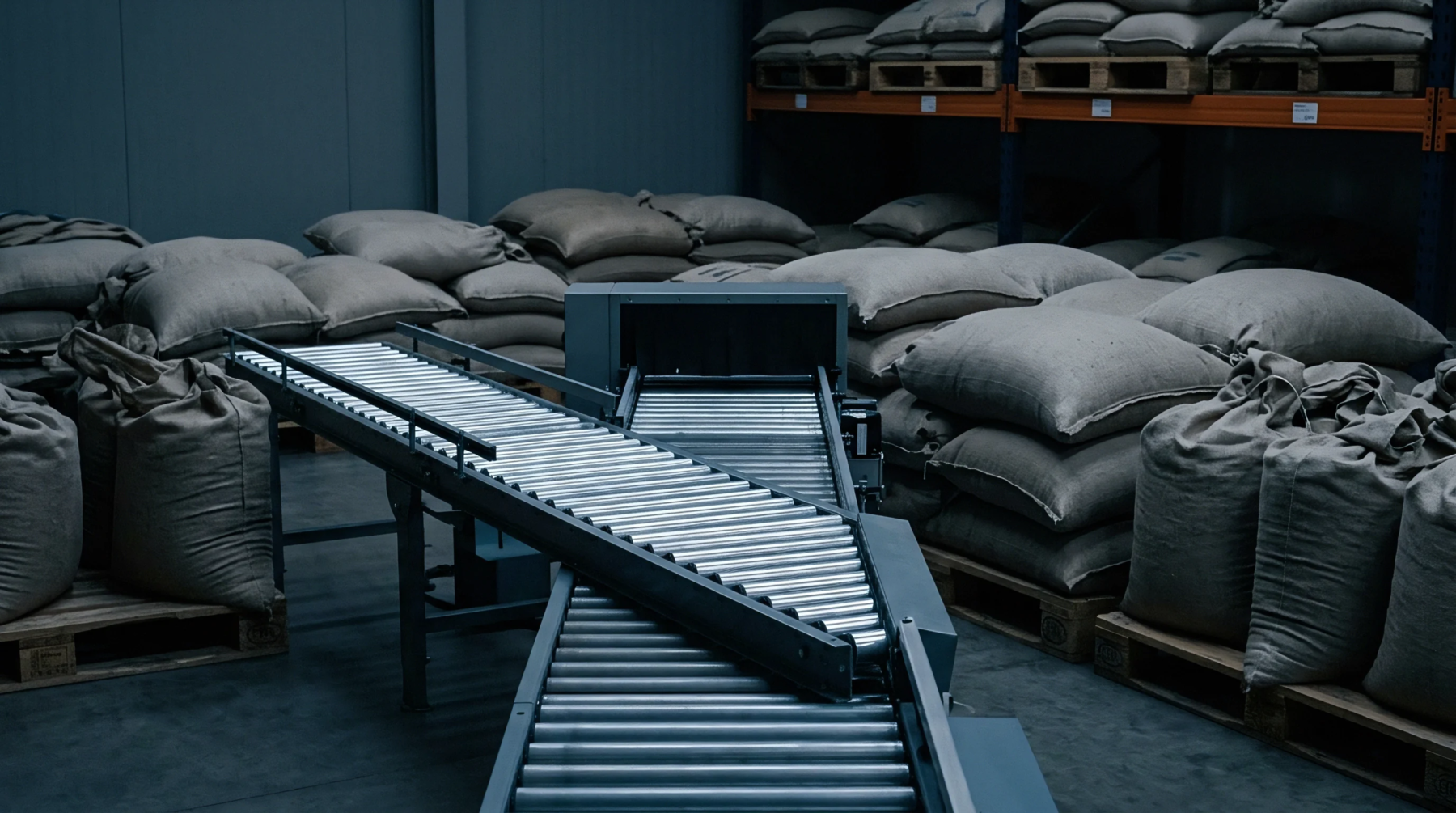
Linen yarn counts and cloth weight must be verified against dry fiber mass plus standard 12 percent moisture regain to eliminate costly moisture billing errors.

Unplanned linen warp breaks increase loom hour costs through weaver repair delays, reduced speed, and greige set marks that trigger four-point demerit downgrades.

Booking Chinese linen loom capacity requires evaluating warp preparation bottlenecks and machine hours rather than linear metre price quotes alone.
Expertise is a utility, not a secret. sentiention™ publishes its working knowledge as open reference: intelligence layer covering the materials it sources, the markets it enters, and the reference that serves both.