Flax Fiber Yield Calculation Principles in Linen Spinning
Linen spinning yield calculates net long line yarn mass against raw scutched fiber inputs, bounded by a 42 to 52 percent mechanical and chemical conversion limit.
Linen spinning yield calculates net long line yarn mass against raw scutched fiber inputs, bounded by a 42 to 52 percent mechanical and chemical conversion limit.

Reconciling mill mass balances against transaction documents requires deducting mechanical tow, moisture variations, and chemical loss from raw intake weights.

Establishing unspun flax origin requires reconciling scutching mass balances, valid Transaction Certificates, and isotope tests against strict customs rules.

Reconciling cross-border agricultural fibre metrics requires oven-dry mass testing under ISO 6741 and stage-by-stage mass balance audits to counter yield loss fraud.
HS classification for raw bast fibres hinges on mechanical extraction limits under heading 5301, where chemical degumming or combing shifts duty lines.
Carded greige yarn isotope models require Soxhlet pre-wash to eliminate batching oil shifts and physical card-room audits to constrain Bayesian blend priors.
Variable hot water pectin dissolution in wet spinning causes unrecorded mass losses up to 6 percent, creating phantom discrepancies in European Flax audits.
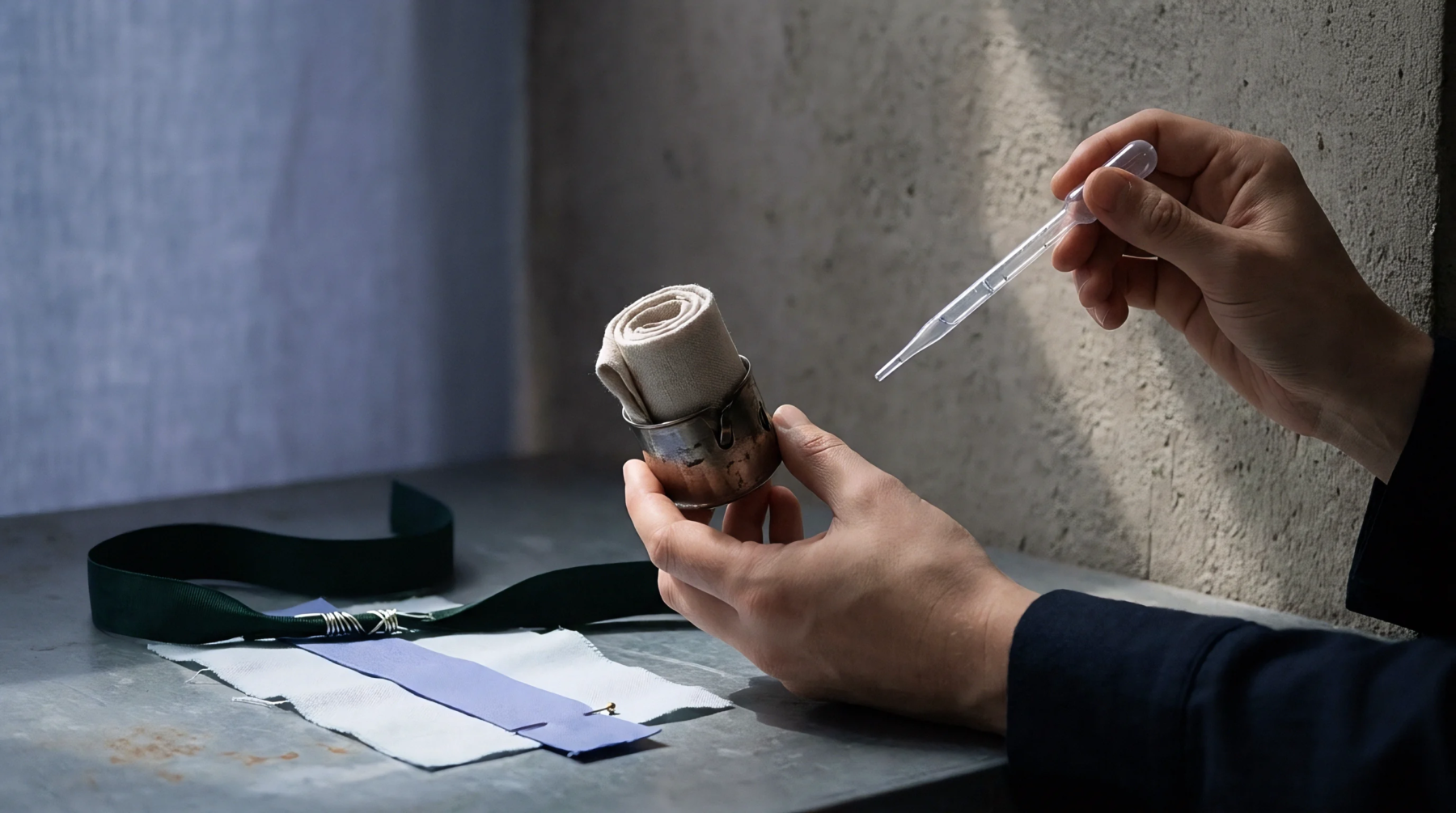
Gravimetric verification of flax boiling isolates true pectin extraction losses to detect mass-balance manipulation and uncertified fiber substitution.

Dynamic tensile stress accelerates microstructural cell wall dislocation propagation in single flax fibres, mandating strict mechanical and audit qualification.

High processing speeds generate microstructural kink bands that drop flax tenacity by thirty percent, requiring strict mechanical speed limits in supply contracts.
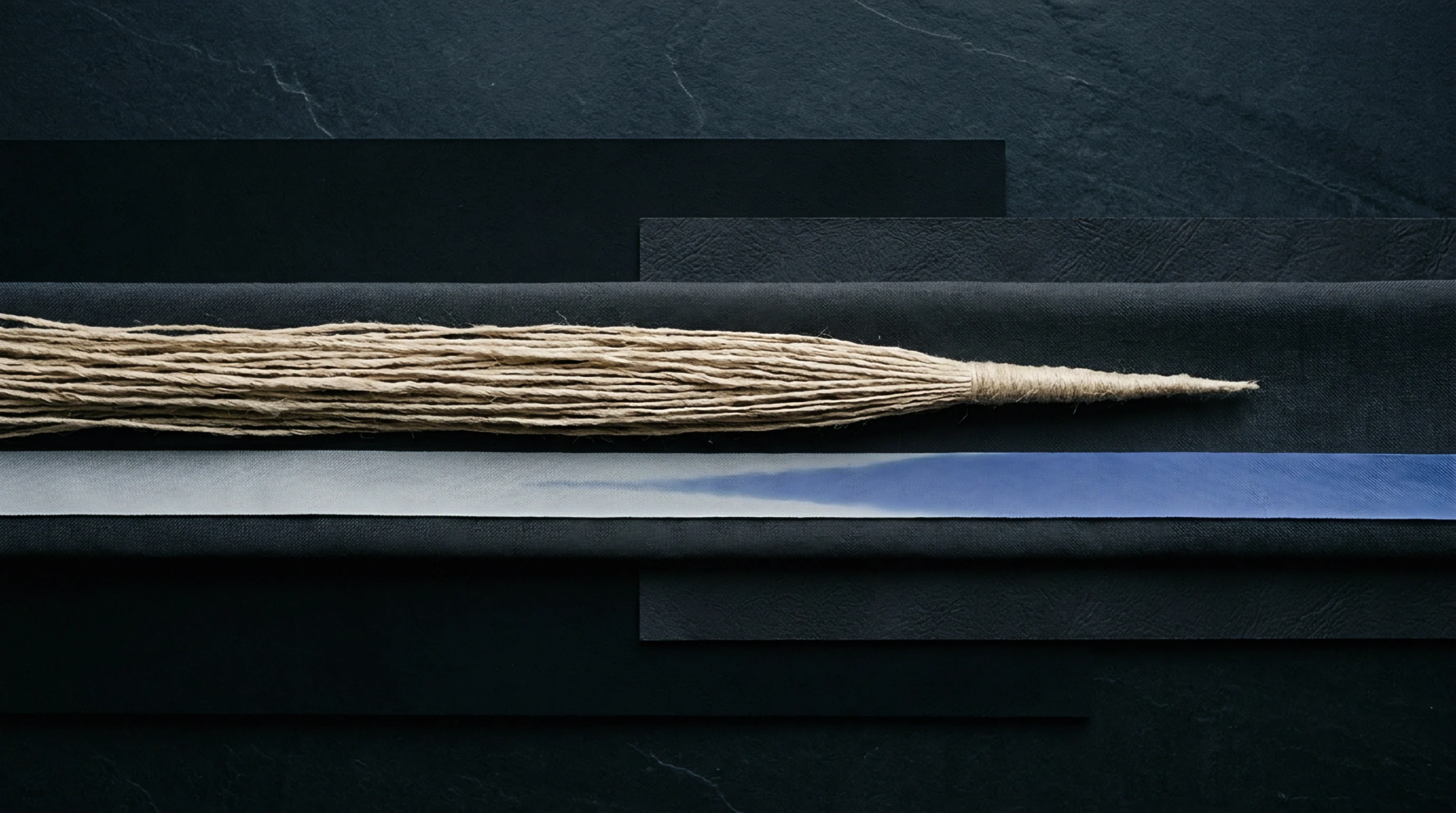
Mechanical extraction forms destructive cellulose dislocations in flax cell walls, requiring polarimetric verification to prevent spinning failures.
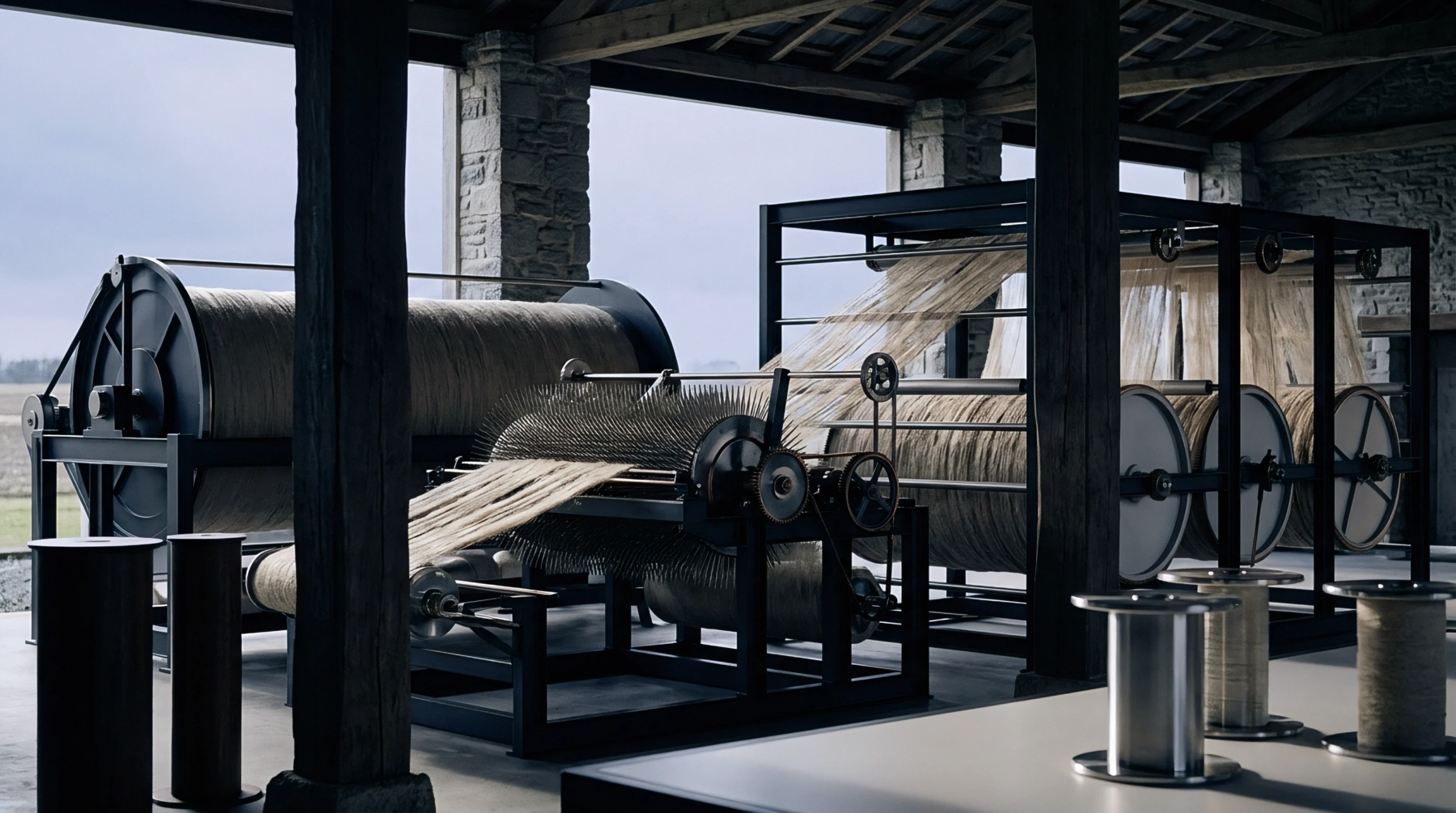
Reconciling trade entry fiber origin claims requires verifying batch-level scutching manifests, bale serial tags, and physical spinning mass balances against customs filings.

Customs clearance mandates unbroken mass-balance dossiers linking finished flax yardage through spinning and scutching to specific agricultural parcel coordinates.
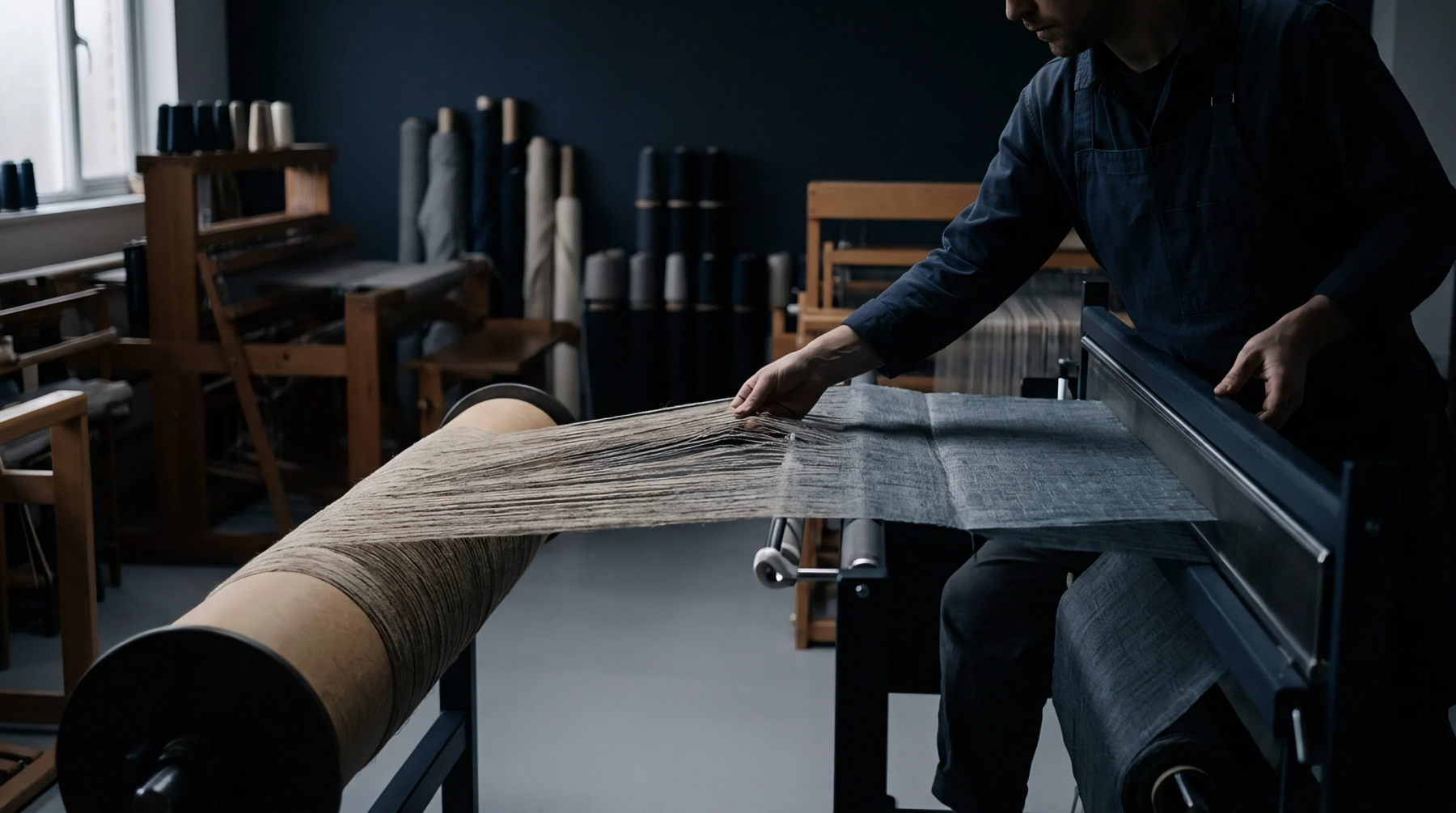
Reconciling offshore linen weaving discrepancies requires oven-dry mass balance models that strip volatile sizing and ambient moisture from physical scrap ledgers.

European Flax origin claims require batch-level transaction certificates matching mill mass-balance yields across line hackling and wet spinning stages.
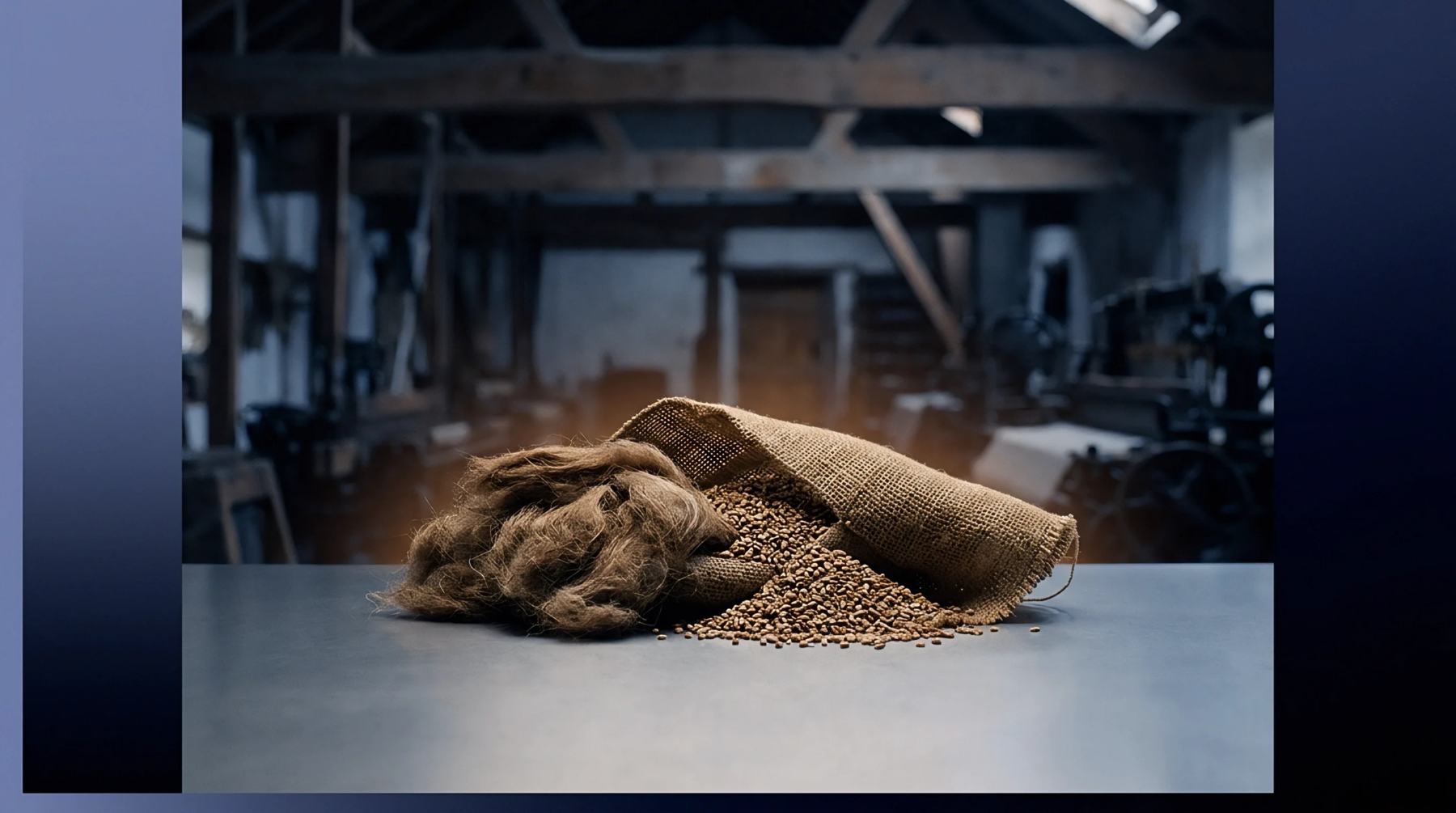
Authentic Western European long staple flax exhibits delta 18O values between 20.5 and 23.2 per mil alongside strontium 87Sr/86Sr ratios from 0.7082 to 0.7096.

Scouring shifts linen isotopic ratios through mass loss and water exchange, requiring isolated cellulose testing and process offset vectors for origin audit.

Alkaline scouring strips wax and pectin, enriching delta 13C and shifting delta 18O; origin assays require alpha-cellulose extraction to prevent false rejections.

Verify non-European flax fiber mass balance by checking moisture-adjusted intake weights, physical scutcher yields, and unbroken inland transfer records.

High-temperature alkaline finishing shifts bulk linen isotope values; buyers must mandate alpha-cellulose isolation over bulk testing to confirm European provenance.

Yield discrepancies in wet spun flax shift assist values, demanding formal customs reconciliation of actual mass balance, tow salvage credits, and duty deltas.

Reconciling flax yarn ledgers requires converting physical weights to standard commercial dry mass to strip out moisture shifts and process waste loss.

ISO 22095 mass balance in linen spinning reconciles fiber intake against yarn yield administratively, permitting co-mingling while requiring paper mass balance.
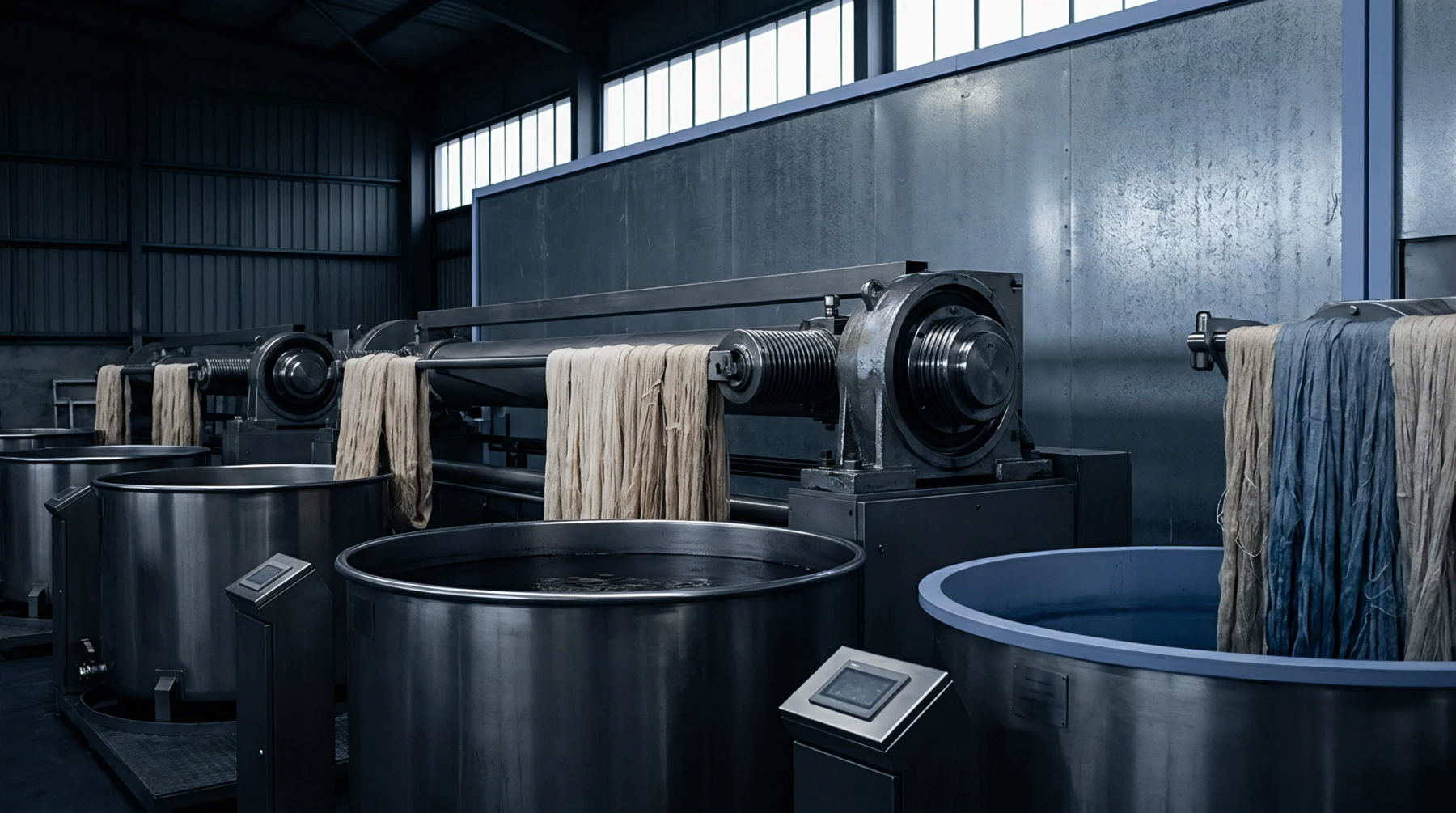
Retting duration dictates flax pectin dissolution during hot water wet spinning, shifting roving mass losses from two to eight percent and altering yarn counts.

Reconcile scutched flax mass balance ledgers by applying BISFA moisture regains, verified hackling yield fractions, and a rolling twelve-month credit window.

Reconciling wet spun linen yarn shrinkage in provenance dossiers requires ISO 2060 oven-dry mass testing and linear contraction adjustments across mill logs.

Reconciling linen yarn creel certificates against machine logs requires balancing electronic pick counts and waste tares directly against certified cone mass.

Loom interlacing from flax yarn confers non-preferential origin under HS heading 5309, overriding fiber agricultural origin for customs entry duties.

Customs origin for woven flax textiles is determined by the country of loom formation under heading 5309, regardless of agricultural fiber source.
Expertise is a utility, not a secret. sentiention™ publishes its working knowledge as open reference: intelligence layer covering the materials it sources, the markets it enters, and the reference that serves both.