Fibre Purity
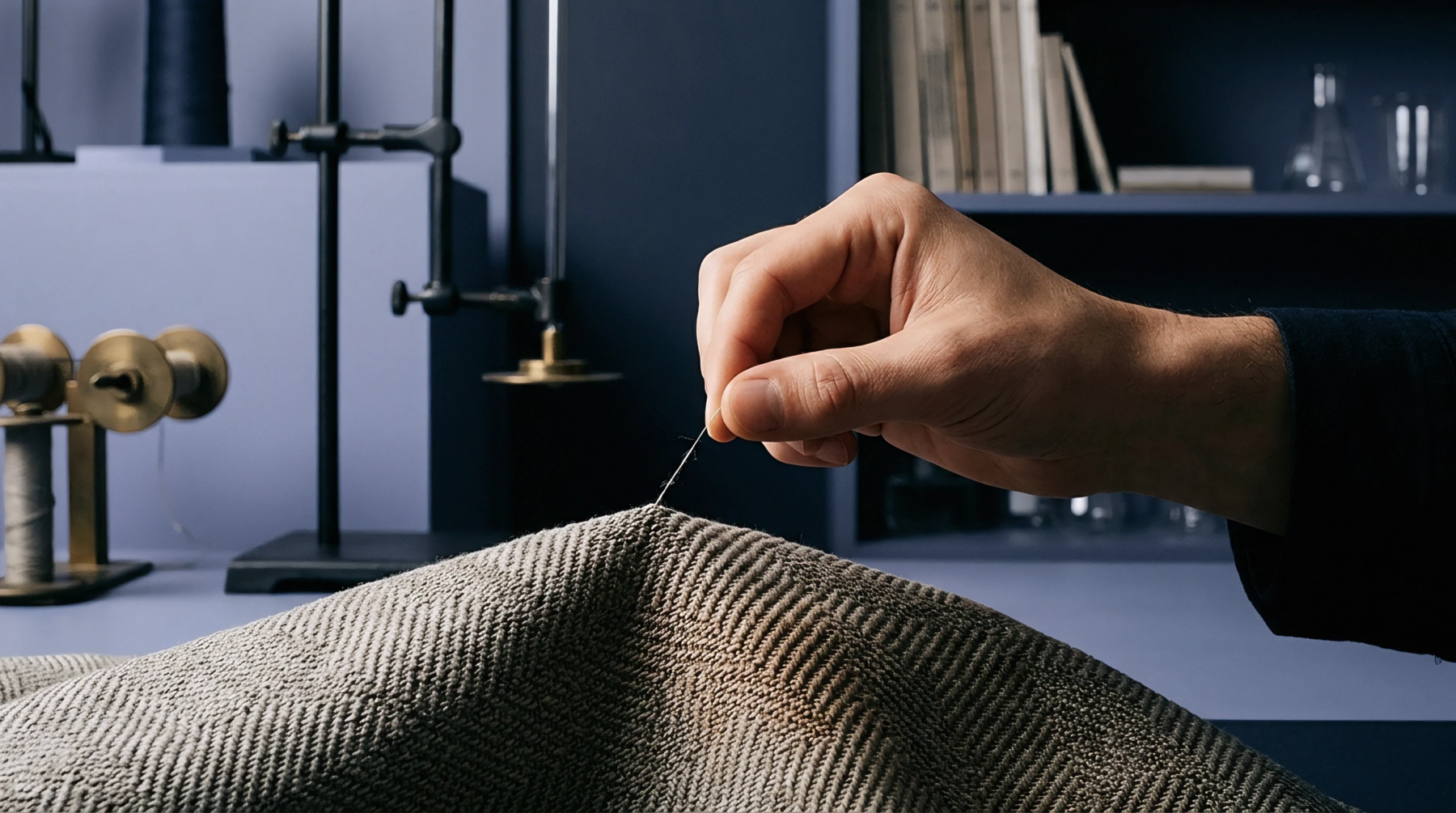
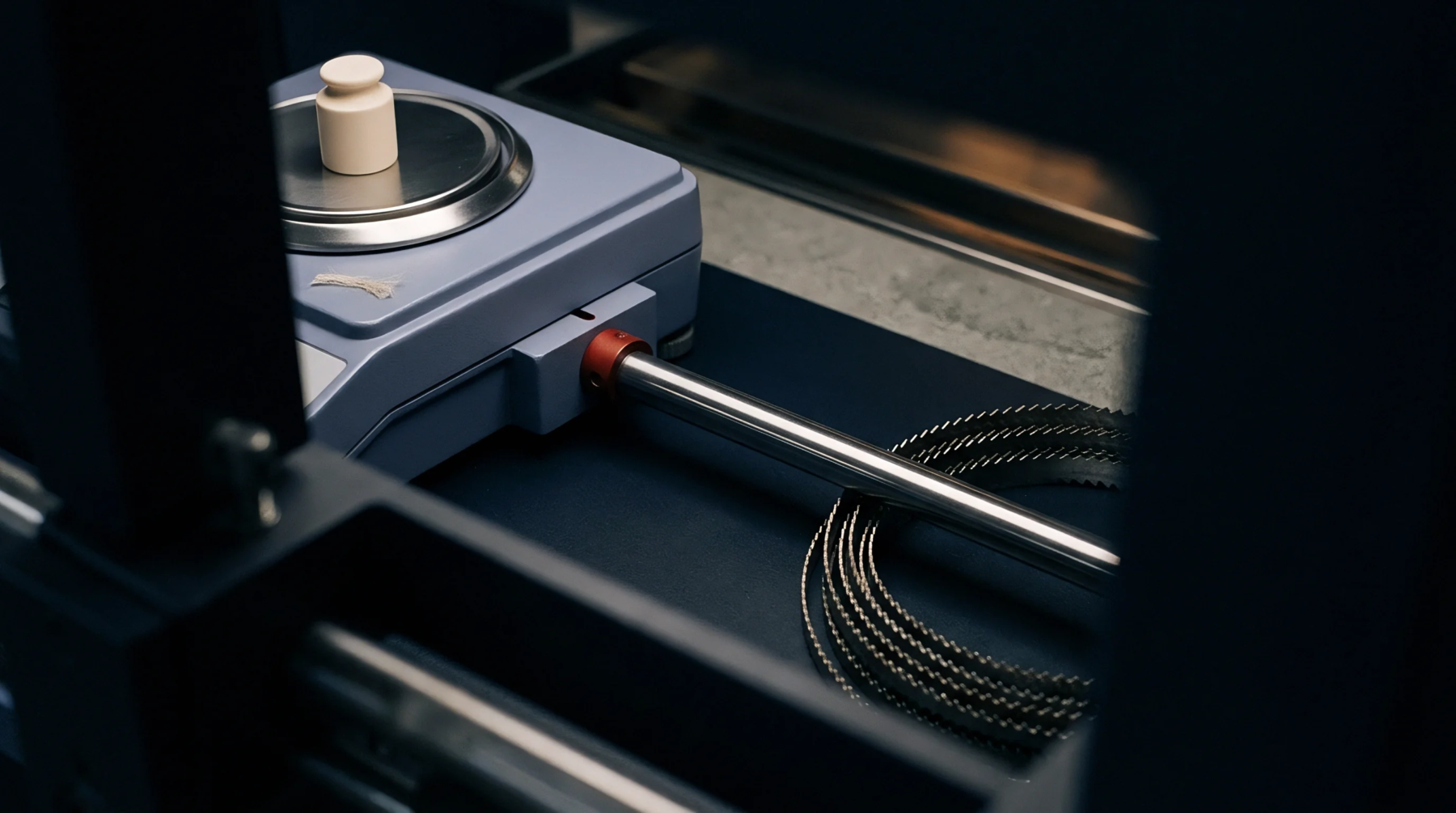
Highly refined botanical cellulose derived from extracted plant matter forms the basis of alpha cellulose within Chinese linen milling operations, establishing a rigorous benchmark for raw material cleanliness before mechanical processing begins. Workers measure this chemical fraction through alkali solubility testing in laboratory settings, determining the precise percentage of long chain polymers that will survive subsequent wet processing without degrading into weaker fractions. Hemp and flax fibers undergo caustic soda treatment to dissolve hemicellulose and lignin, leaving behind high molecular weight residues that resist chemical breakdown under boiling temperatures.
Mill operators verify compliance with these purity thresholds using standardized documentation that accompanies every pallet moving from preliminary extraction units to spinning floors, separating superior textile grades from lower paper making stocks.
Polymer Stability
Long molecular chains grant structural strength to yarn during high speed mechanical drafting on ring frames, preventing fiber breakage that would otherwise weaken finished cloth. Chemical degradation during alkali boiling causes molecular weight reduction, lowering tensile strength across wet spinning baths and increasing yarn hairiness on winding drums. Technicians monitor degree of polymerization values within laboratory suites to detect oxidative damage caused by bleaching agents, adjusting hydrogen peroxide concentration and bath pH levels to protect cellulose chains from breaking prematurely.
Fabric buyers demand high retention rates of insoluble polymer fractions to ensure that woven damask and sheeting withstand repeated industrial laundering without losing dimensional integrity or developing premature yellowing.
Acceptance Threshold
Mill laboratories apply strict buyer specifications to incoming fiber lots, rejecting batches that fall below the minimum insoluble fraction required for export quality yarn production. Export contracts specify maximum allowable hemicellulose residuals because leftover sugars attract moisture and promote microbial growth during maritime transit through humid shipping routes. Inspectors verify that processing logs match physical test results before signing customs declarations, establishing legal accountability for the structural soundness of exported linen textiles.
Final payment depends entirely upon these laboratory verification steps, ensuring that only chemically stable plant polymers reach global markets.