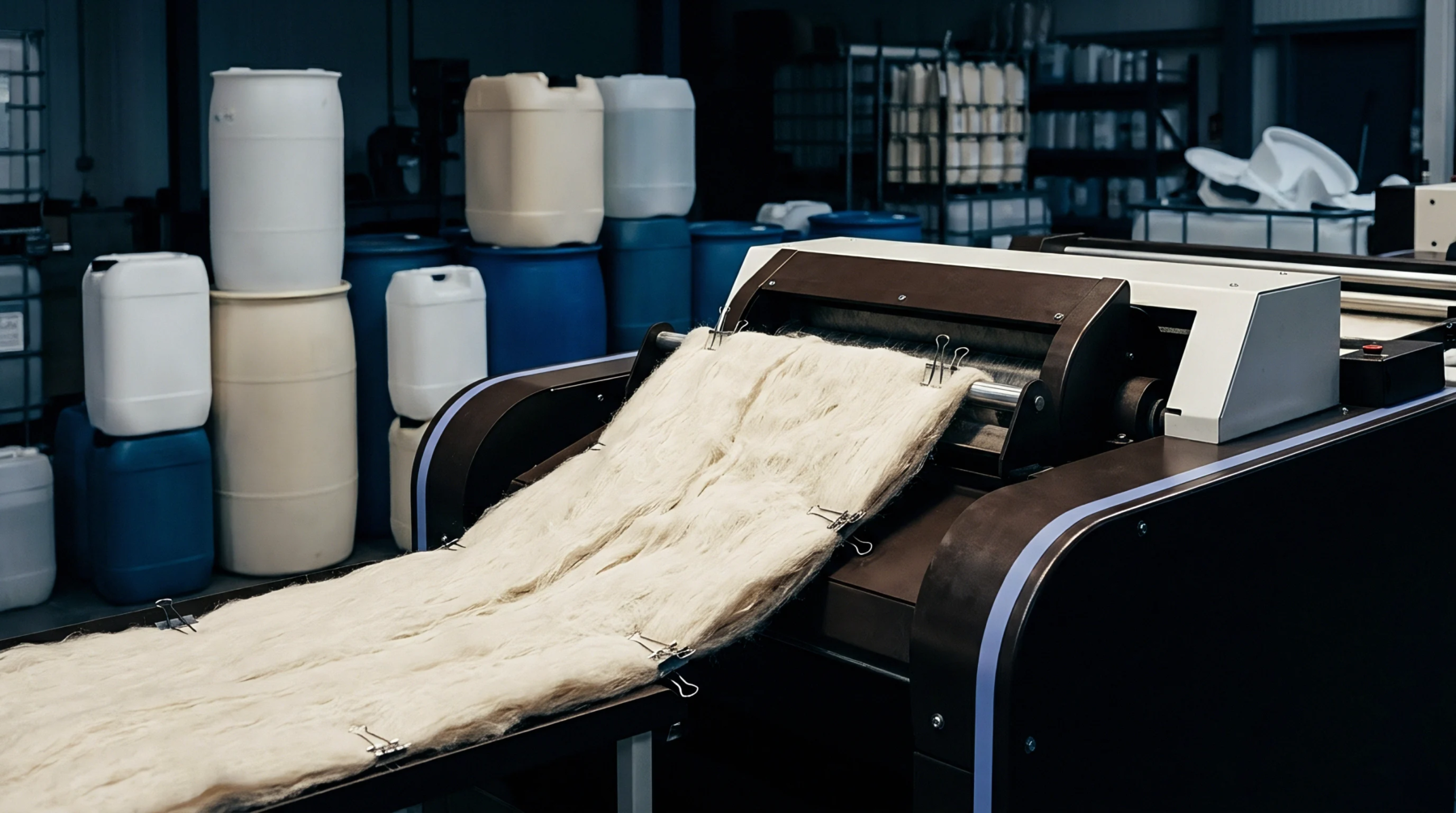
Chemical Safety
Chemical residue assessment defines the health impact of processed linen goods by measuring restricted substances against strict laboratory limit values. The oeko-tex standard 100 provides a testing and certification system for raw, intermediate, and end products at every stage of textile production. It defines a threshold for substances such as formaldehyde, heavy metals, and pesticides that might remain in flax fibres or finishing agents.
This protocol establishes the maximum allowable concentration of prohibited chemicals to protect consumers.
Compliance Verification
Production managers initiate this certification process by providing representative samples from the finishing stage of linen manufacturing for independent laboratory analysis. These samples undergo extraction procedures where solvents release residual compounds for detection through gas chromatography and mass spectrometry. The documentation confirms that the fabric batch meets the legal requirements established for human contact.
A manufacturer applies this label to finished linen items only after the testing laboratory verifies the analytical data. The certificate remains valid for one year and requires annual retesting to ensure the safety parameters remain within the permitted range.
Audit Application
Buyers demand this certification to ensure the chemical footprint of imported linen goods stays below the recognized toxicological limit. Flax processors submit to these audits as proof that dyeing and softening chemicals do not contain forbidden compounds. Mills that successfully pass the verification process reduce their liability during international customs inspections.
The certificate acts as the definitive proof that the physical sample possesses the required chemical purity for the target market.