
Separating Viscoelastic Crimp Interchange from Biochemical Mass Loss in Scouring
Scouring linen increases GSM despite mass loss because wet viscoelastic crimp interchange condenses thread count faster than non-cellulosic extraction lightens yarn.
Scouring linen increases GSM despite mass loss because wet viscoelastic crimp interchange condenses thread count faster than non-cellulosic extraction lightens yarn.

Verify dry-matter pectin loss and normalize roving moisture to ensure mass balance integrity across organic flax wet spinning troughs.

Reconciling wet spun linen mass balance ledgers requires factoring moisture regain adjustments, chemical trough dissolution, and count-specific mechanical waste.

Calibrating optical snippet analyzers for bast fibers requires empirical polynomial form factors to correct projection bias caused by non-circular ribbon cross sections.

Verify European Flax certificates by balancing scutched flax intake against spinning yields, matching lot numbers, and confirming valid Transaction Certificates.

Commercial mass adjustments correct landed weight for moisture regain while hackling yield allowances offset long line waste in yarn cost calculations.
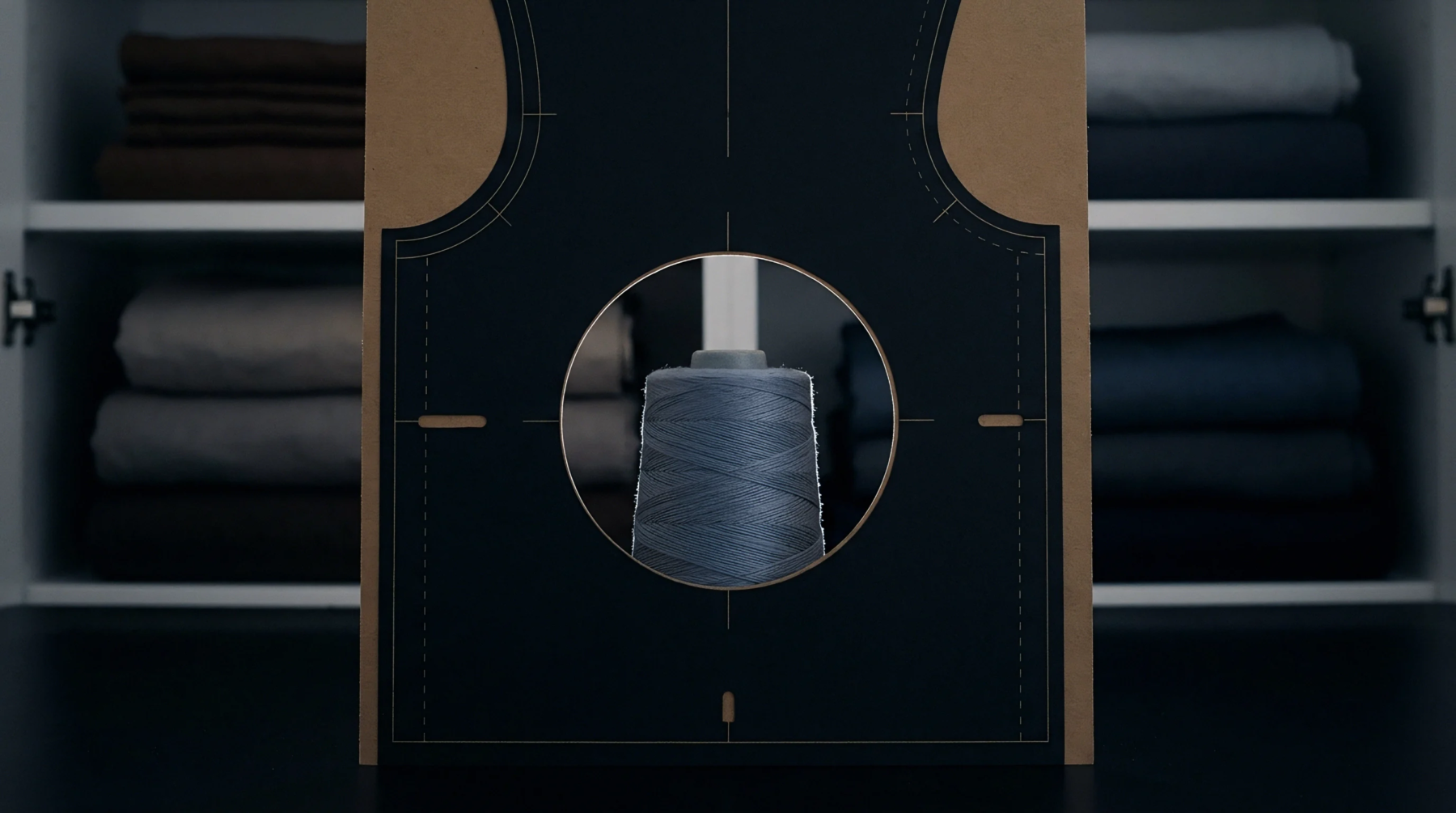
Wet spinning hackled flax roving into single yarn constitutes non-preferential substantial transformation, conferring customs origin where spinning frames operate.

Controlling pectin dissolution kinetics via balanced chelation and temperature protects fiber tenacity while enabling smooth slip draft in fine flax spinning.
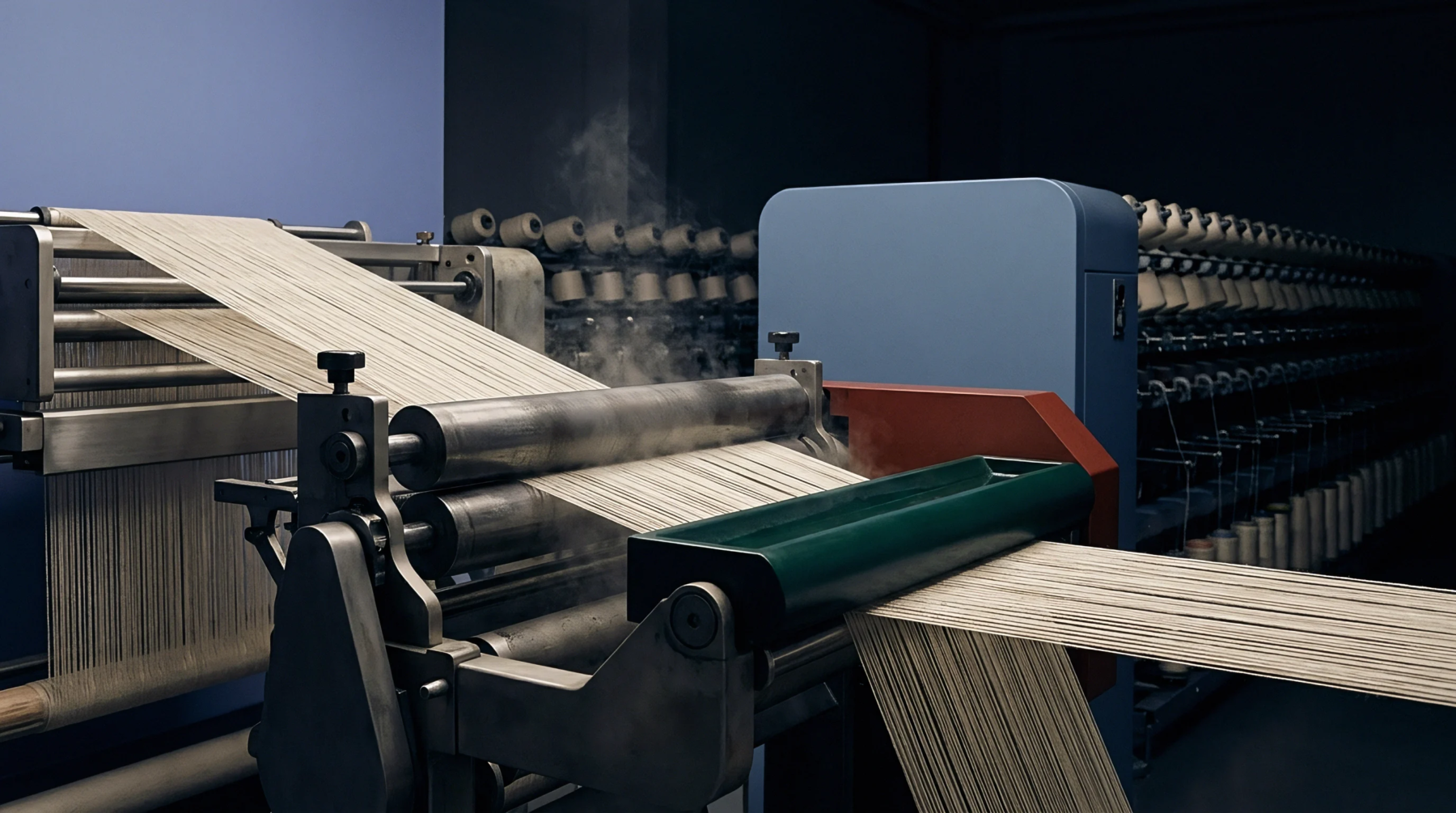
Microfibrillar thermal degradation reduces line flax tenacity, requiring adjusted gauge testing, lower wet-spinning temperatures, and recalibrated contract thresholds.

Automated optical bundle metrics predict wet spinning draft resistance limits and eliminate spindle stoppages caused by coarse unseparated flax fibers.

Customs country of origin depends on transformation laws like spinning and weaving, making fibre certificates invalid as sole statutory proof.

Optimize flax wet spinning by maintaining attenuation troughs at 68-72°C with soft water to dissolve pectins without degrading elementary fiber tensile strength.

Landed linen metre cost depends primarily on hackling line yield, where each percentage loss in combed sliver inflates yarn preparation costs down the loom.

European Flax verification for Asian spinning mills demands matching annual facility scope certificates with lot transaction certificates and dry mass balance ledgers.
High-draft wet spinning of fine flax roving solubilizes residual pectins into micro-cellulosic sludge, requiring strict origin pectin thresholds to prevent yarn defects.

Auditing wet spinning bath dissolution losses requires continuous tracking of trough temperature, pH, and dissolved solids to correct dry mass yield balances.

Controlling flax sliver non-cellulosic residue below 2.5 percent eliminates drafting stick-slip force spikes and holds wet-spun yarn air permeability variance under eight percent.
Expertise is a utility, not a secret. sentiention™ publishes its working knowledge as open reference: intelligence layer covering the materials it sources, the markets it enters, and the reference that serves both.