
Flax Fibre Non Cellulosic Content and Retting Chemistry
Residual pectin levels below 1.5 percent dictate successful wet spinning of fine flax yarns above Nm 40 without elevated end breakage rates.
Residual pectin levels below 1.5 percent dictate successful wet spinning of fine flax yarns above Nm 40 without elevated end breakage rates.

Ammonium oxalate extraction at ninety degrees solubilizes middle lamella pectins to isolate elementary flax fibres for accurate microbalance decitex audits.

Quantifying epicuticular wax mass fractions in dew-retted line flax bales isolates true fiber yield and optimizes wet-spinning boundary lubrication parameters.

Gravimetric testing determines hackled flax sliver dry mass, moisture regain, and linear density to lock in fair commercial yarn pricing.

Validating European Flax transaction certificates across spinning mills demands reconciling mass balance ratios against certifier lot numbers and invoice weights.

Comb array length analysis predicts hackling long-line yield, tow waste, and spinnable count limits to establish true landed cost per finished metre.

Spectrophotometric galacturonic acid assays overestimate retting degree unless corrected for neutral sugar and phenolic background interference.

Manual bundle sectioning isolates true flax fibre linear density by cutting mid-strick segments for gravimetric tex determination prior to spinning.

Airflow fineness measurement requires strict thermodynamic equilibrium and morphology calibration to avoid deceptive linear density readings in bast fiber trading.

Automated optical bundle metrics predict wet spinning draft resistance limits and eliminate spindle stoppages caused by coarse unseparated flax fibers.

Auditing European wet spinning yield requires dry-mass standardization, pectin extraction accounting, and lot-level reconciliation across hackling and combing.

European Flax chain of custody requires batch-level Transaction Certificates for every transfer, separating raw fibre origin from customs manufacturing origin.

Selective pectin degradation paired with tuned hackling pin density maximizes fibre bundle separation while retaining staple length for fine wet spinning.

Cut length flax gravimetric linear density variance triggers tiered commercial debits based on wet spinning draft limits and yarn count yield loss.

Low cohesion flax slivers collapse under high draft ratios, requiring reduced trough temperatures, higher roving twist, and tight ratch settings to hold count.

Comb sorter profiling establishes staple length distribution, short fibre content, and drafting bounds to guarantee target yarn counts and fabric yield.

Customs country of origin depends on transformation laws like spinning and weaving, making fibre certificates invalid as sole statutory proof.

Airflow resistance converts to metric fibre count via specific surface area, establishing spinnable yarn count limits prior to spinning commitment.

Air permeability testing measures specific surface area to derive bast fibre linear density, requiring precise moisture conditioning and shive removal.

Flax fibre grading determines spinnable yarn count, where hackling yield and fibre fineness dictate wet-spinning efficiency and landed cost per metre.

Wet-spun flax yarn commands higher per-kilo pricing due to hackling loss, while dry-spun tow yarn offers cost efficiency for counts under twenty metric.

Physical chain of custody locks raw fiber origin to individual yarn bolts, while mass balance credit swapping balances paper accounts without physical tracing.

Controlling residual pectin to 1.8-2.4% maintains inter-fiber void fraction below 0.32, maximizing packing density and tensile strength in blended line yarns.

Reconciling spinning mill mass balance ledgers requires verifying raw intake certificates against physical machine yields, waste rates, and packaged yarn sales.

Mass balance certificates balance inventory on paper but offer zero proof of physical European flax containment in individual fabric bolts.

Landed linen metre cost depends primarily on hackling line yield, where each percentage loss in combed sliver inflates yarn preparation costs down the loom.

Enzymatic degumming for fine wet spinning demands residual pectin levels between 1.2 and 1.8 percent by mass to balance wet drafting and yarn tenacity.

Commercial settlement of flax fibre dressing requires converting gross scale mass to oven-dry mass under ISO 6741 using standard regains of 12% for line and 13% for tow.
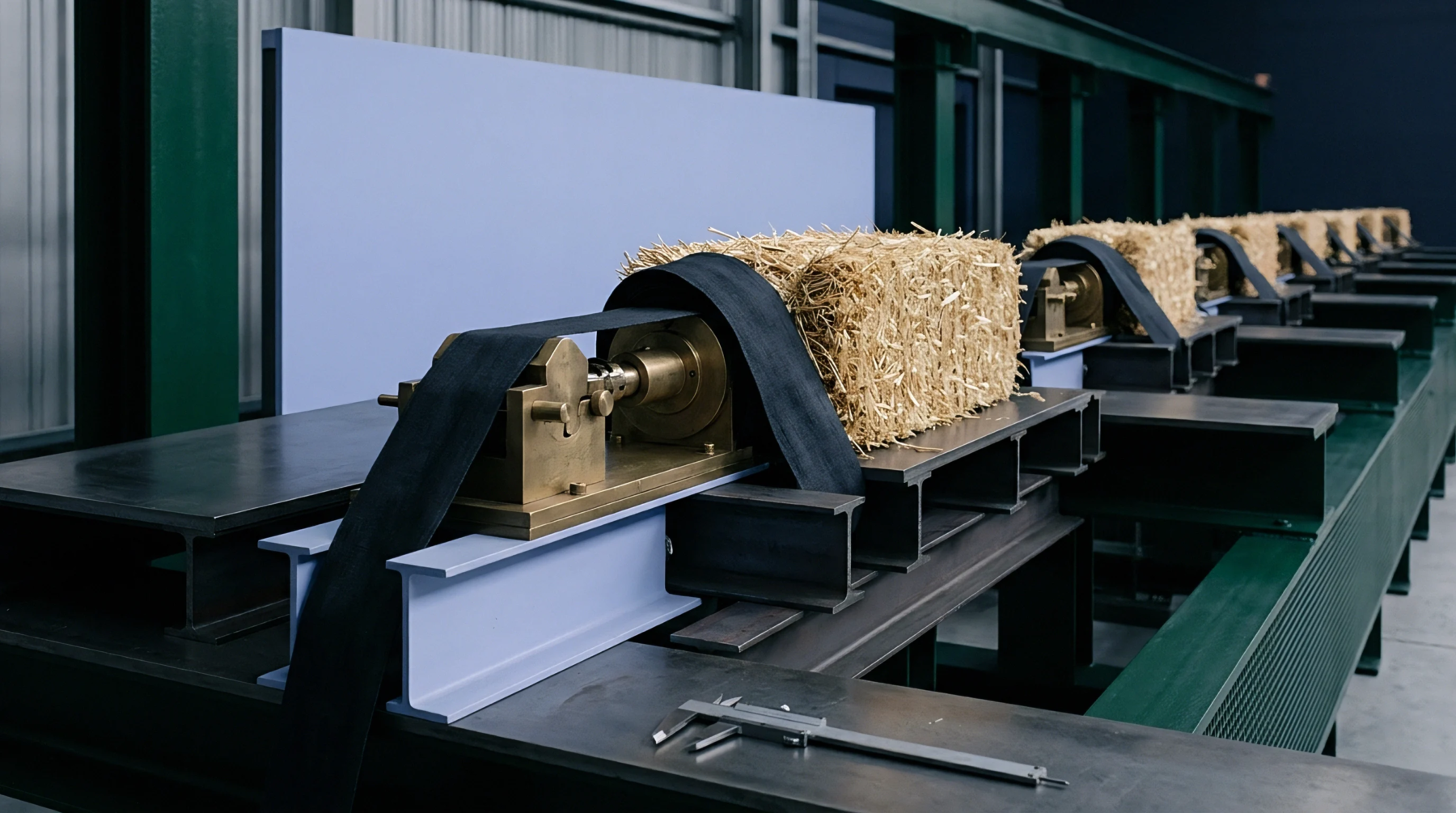
Dew retted line flax hackling yield determines long line fiber recovery, tow ratios, and yarn production costs through precise fineness and strength testing.

Multi-spectral optical image analysis of raw flax sliver enables real-time hackling comb adjustments, increasing long line yield by over 7 percent.
Expertise is a utility, not a secret. sentiention™ publishes its working knowledge as open reference: intelligence layer covering the materials it sources, the markets it enters, and the reference that serves both.