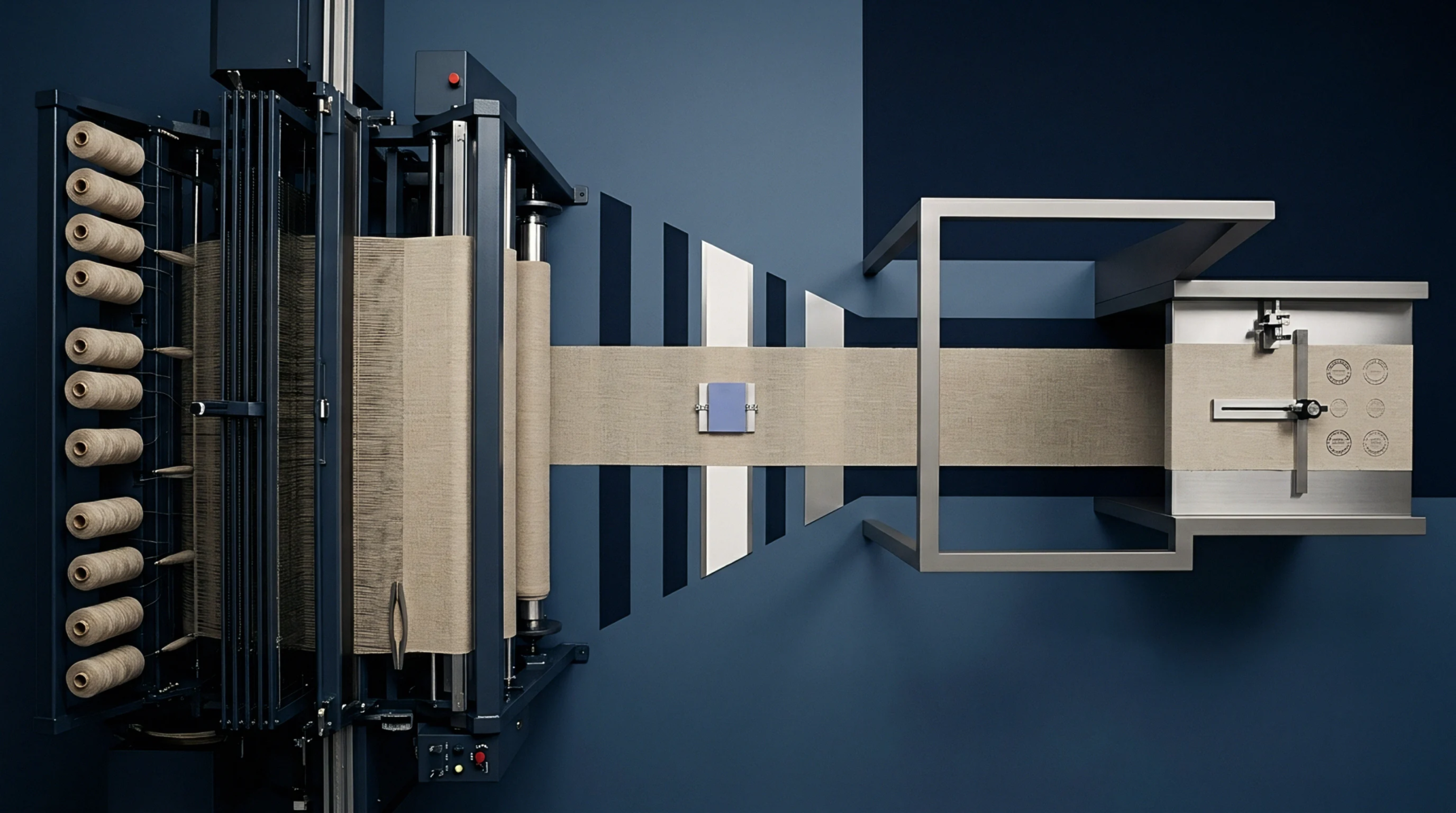
Optimizing Wet Spinning Trough Parameters for Fine Linen Yarns
Fine linen wet spinning demands trough water at 65 to 75 degrees Celsius with controlled surfactants to dissolve middle lamella pectins before the drafting nip.
Fine linen wet spinning demands trough water at 65 to 75 degrees Celsius with controlled surfactants to dissolve middle lamella pectins before the drafting nip.
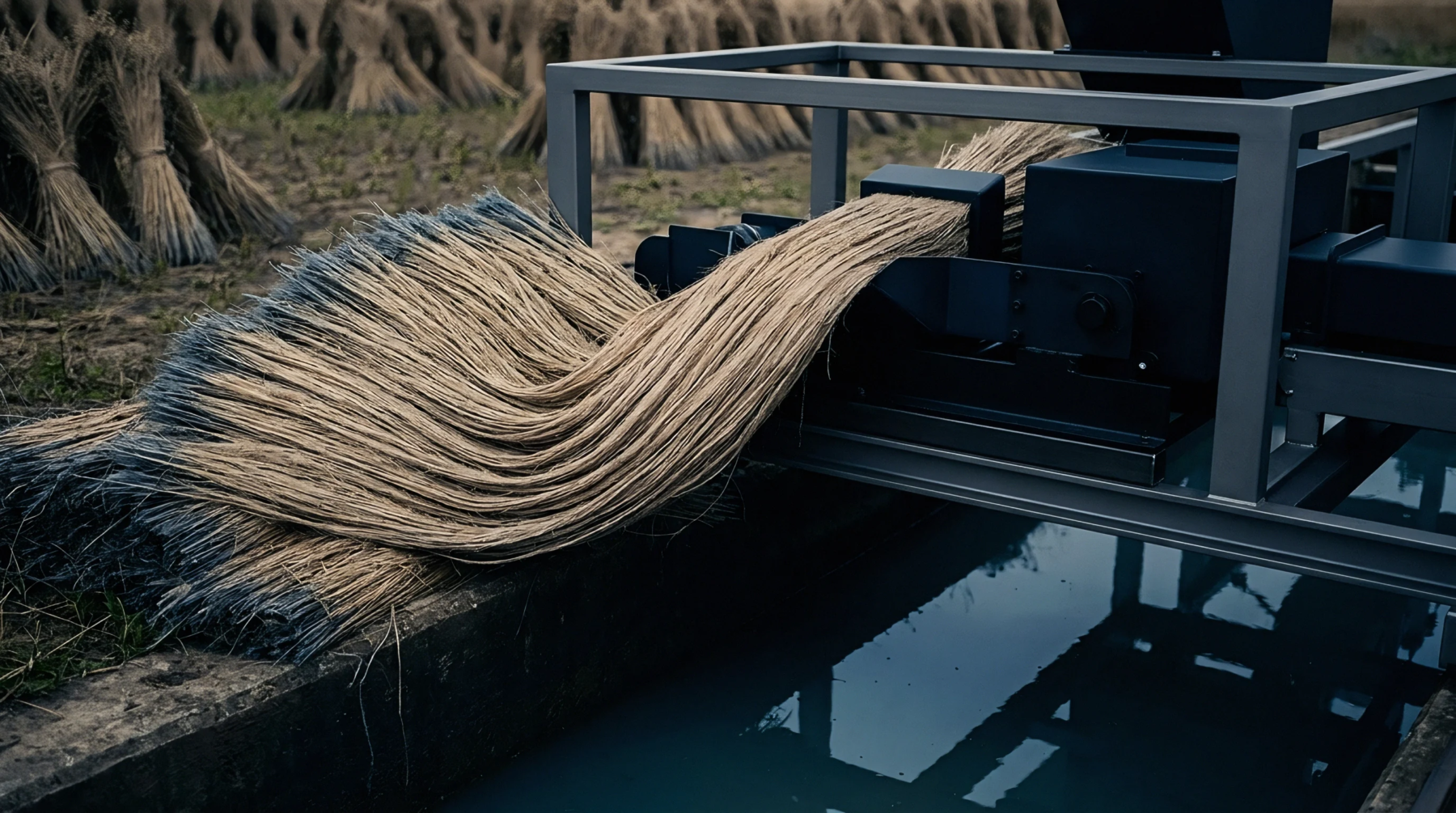
Wet spinning trough extraction rates between 2.2% and 3.5% dry mass optimize yarn cohesion while maintaining European Flax mass-balance compliance.
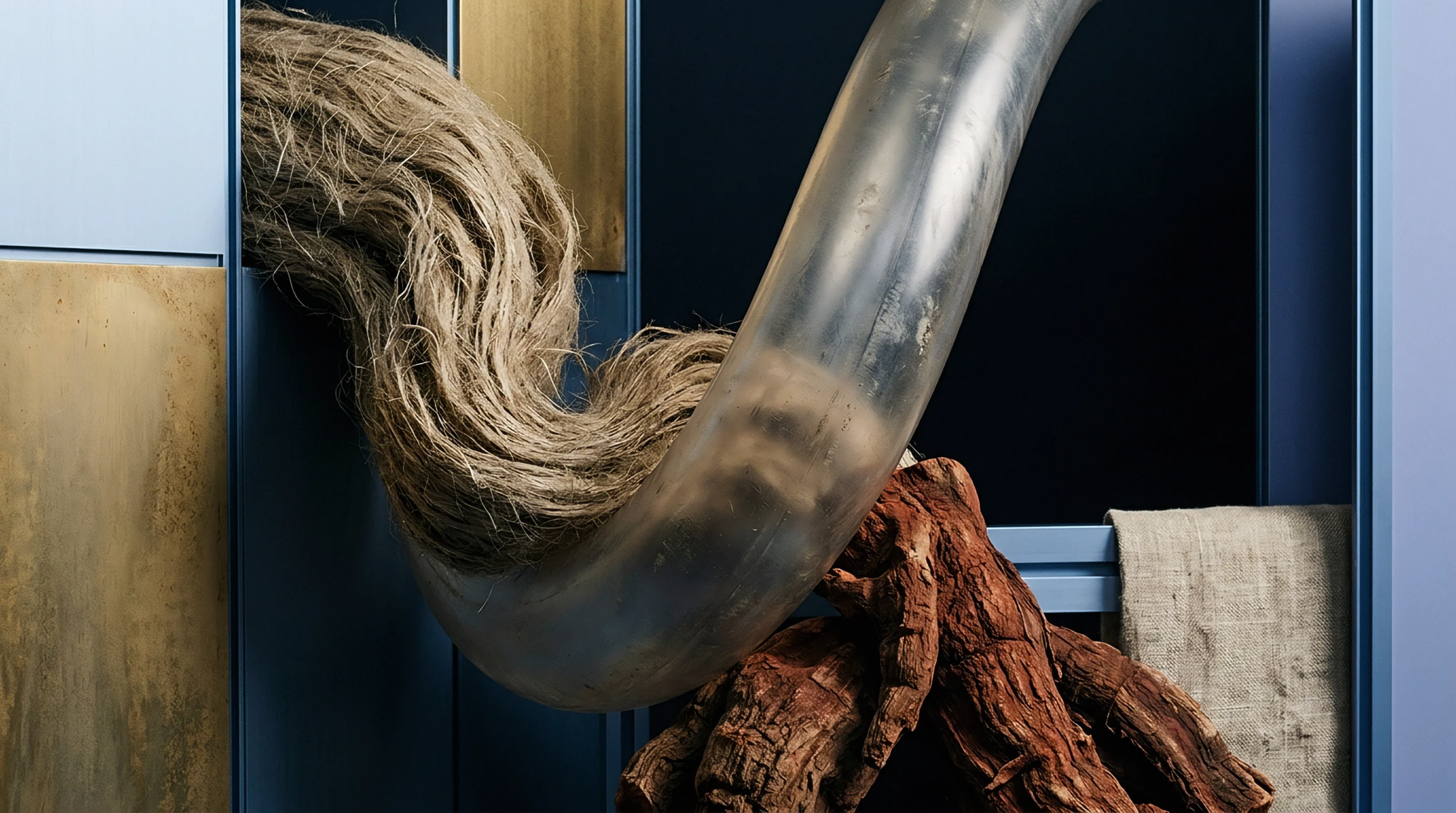
Targeted polygalacturonase retting and controlled 65°C bath chelators depress pectin glass transition, optimizing fine line flax drafting and yarn yields.
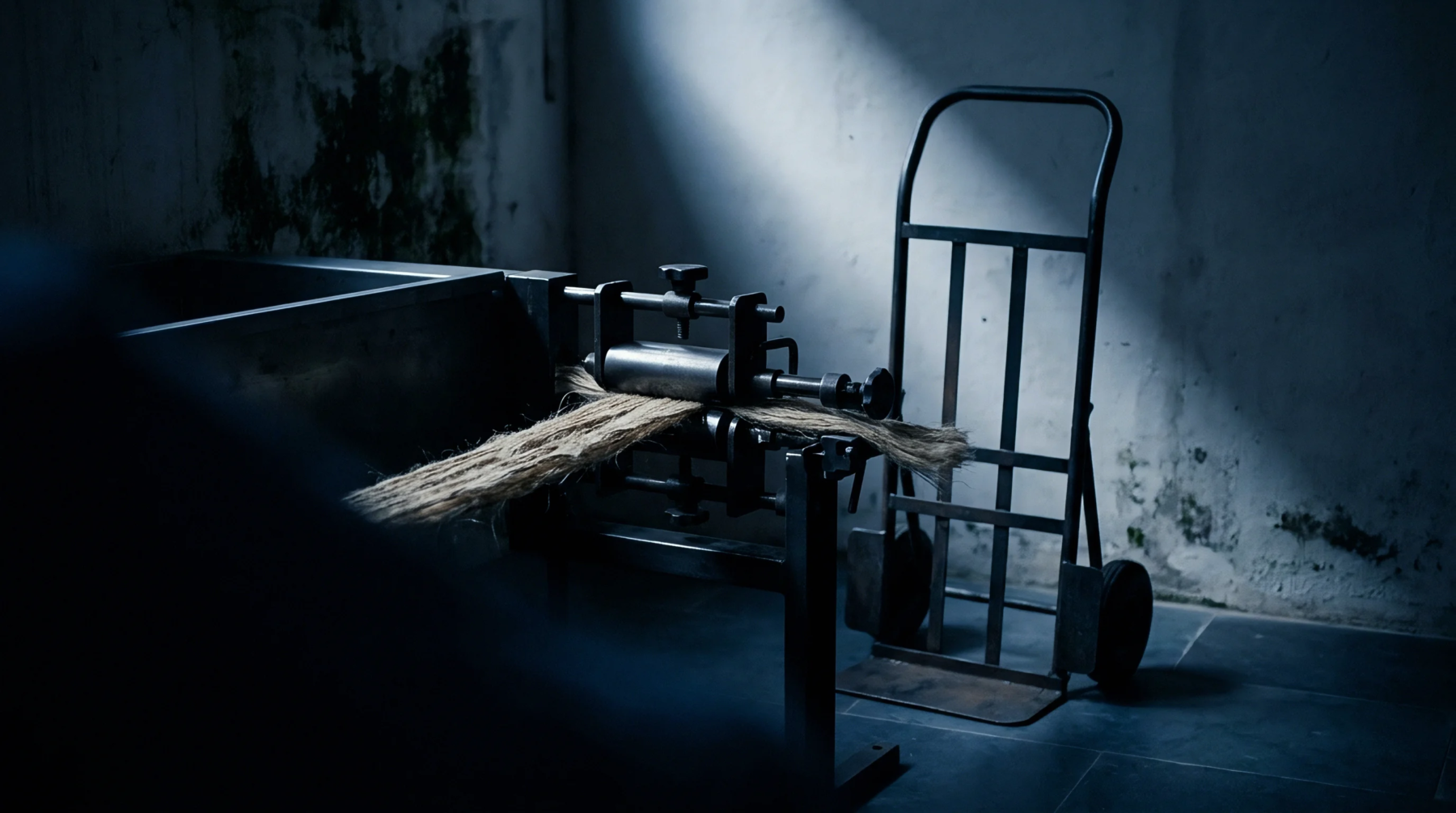
Hot water trough temperatures between 68°C and 74°C plasticize middle lamella pectins, preventing microfibril rupture and securing fine yarn counts up to Nm 80.
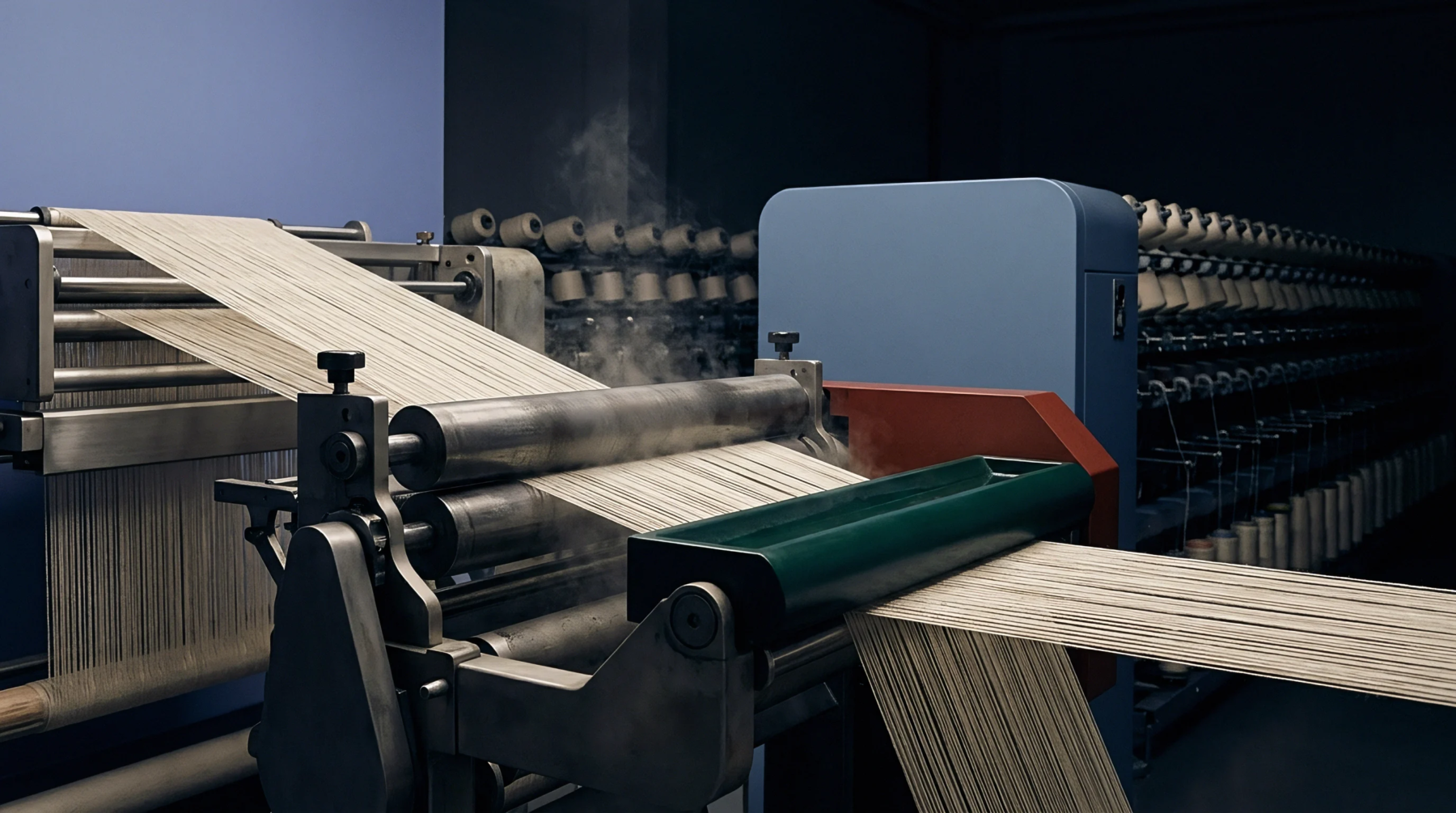
Microfibrillar thermal degradation reduces line flax tenacity, requiring adjusted gauge testing, lower wet-spinning temperatures, and recalibrated contract thresholds.
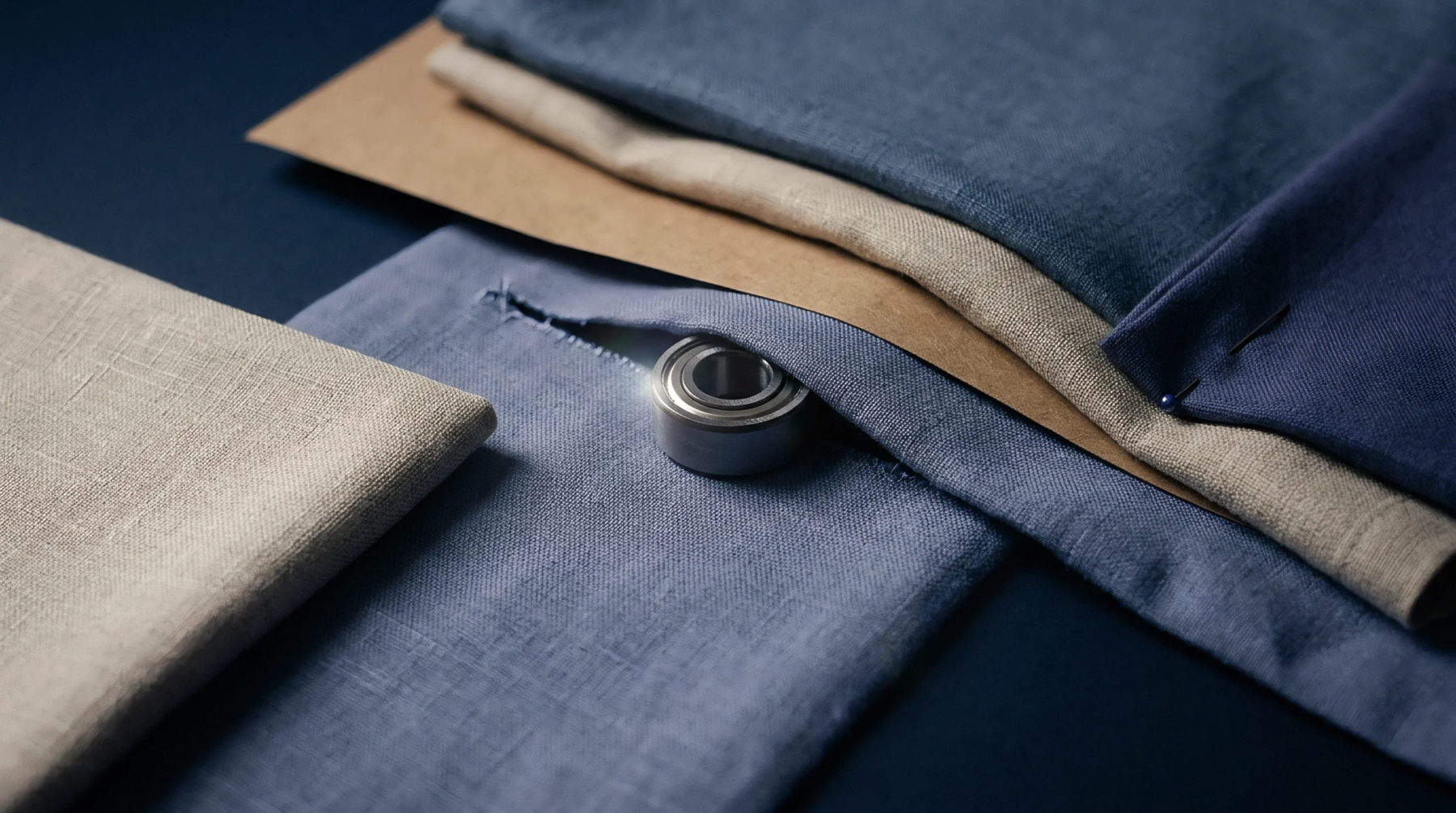
Automated optical bundle metrics predict wet spinning draft resistance limits and eliminate spindle stoppages caused by coarse unseparated flax fibers.
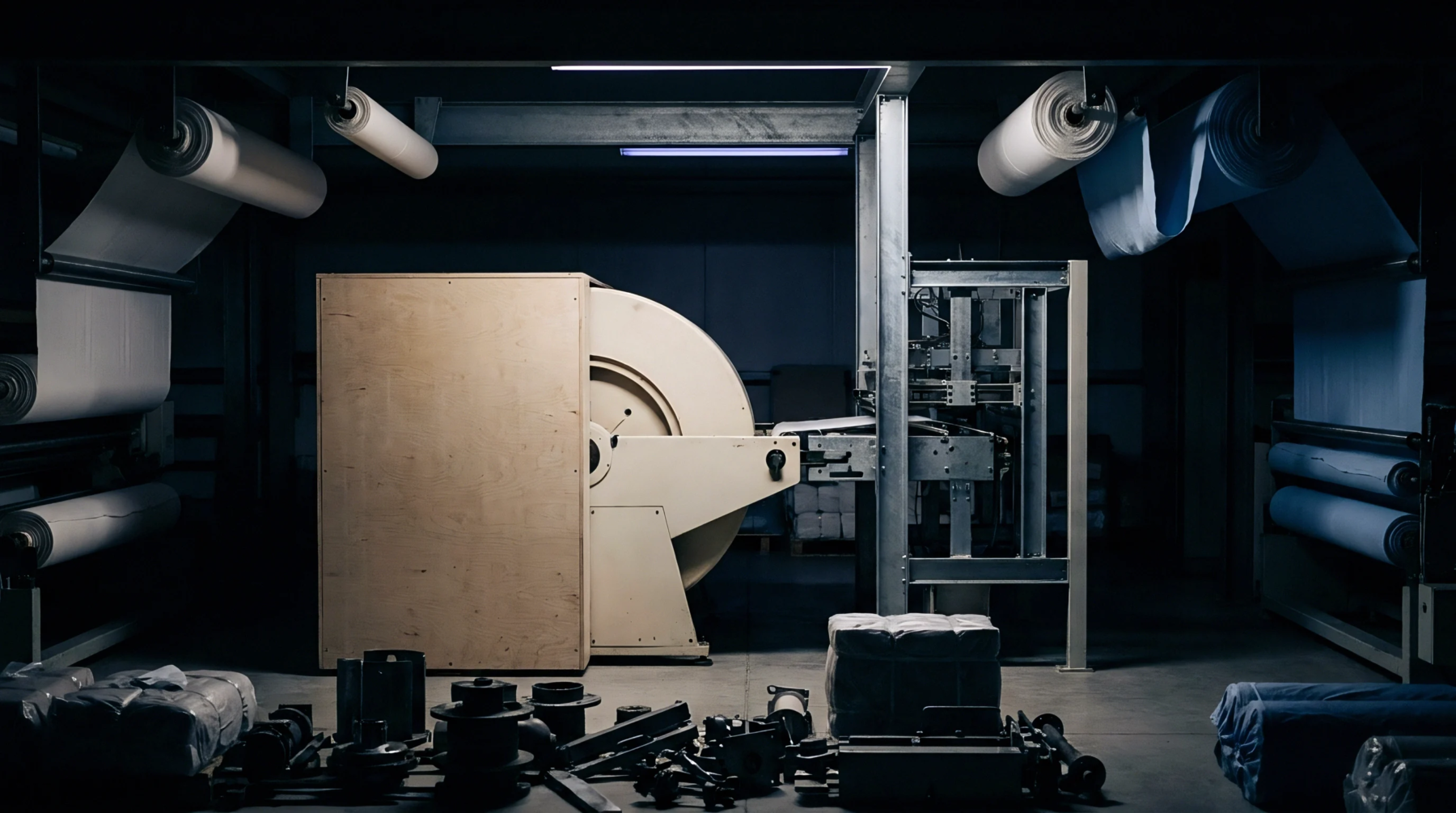
Optimize wet ring frame trough temperatures to 72°C and hold draft ratios below 17 for Heilongjiang dew-retted line flax to limit end breaks.
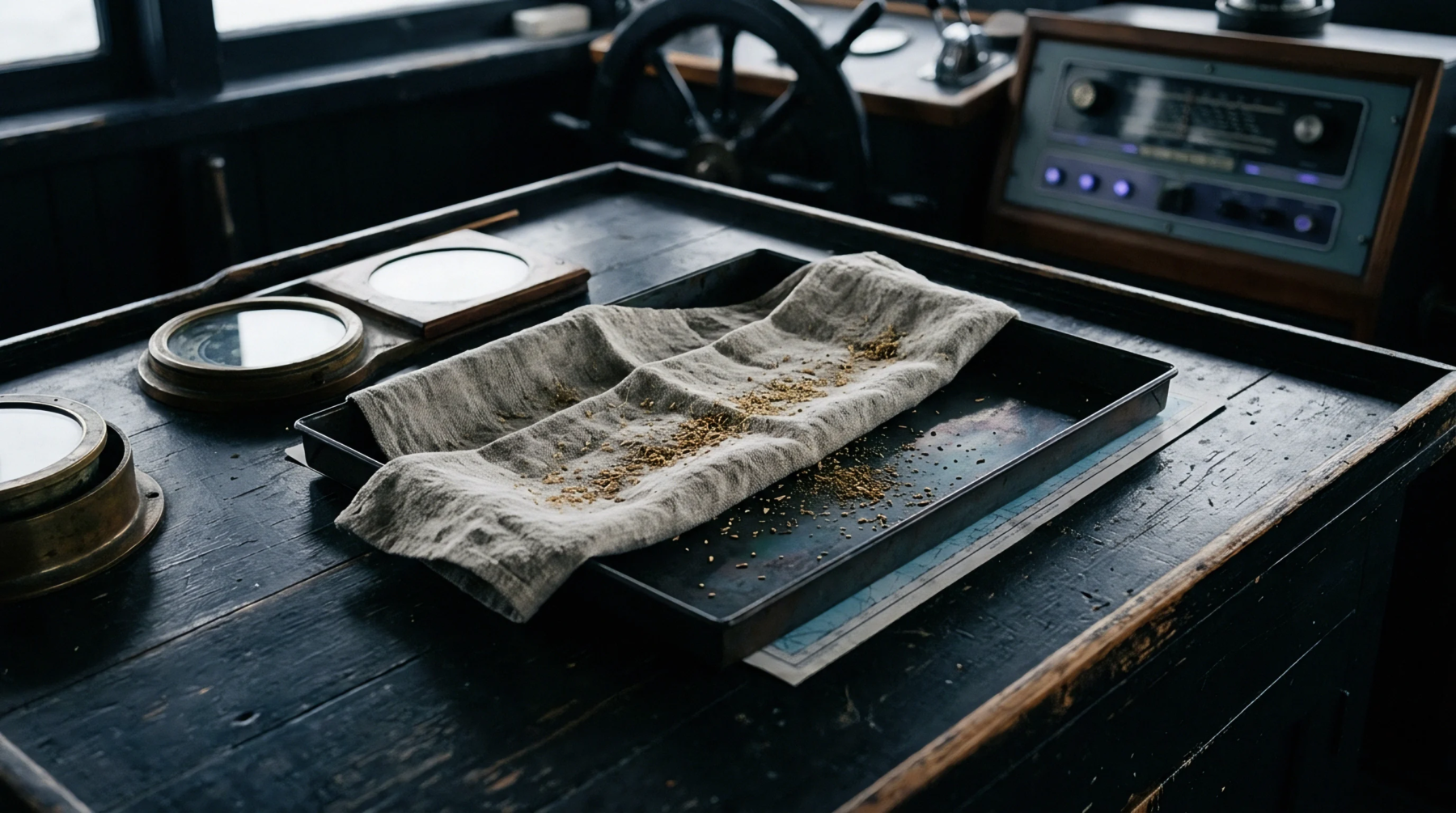
Calibrating wet spinning trough temperature and water turnover reconciles organic flax pectin dissolution losses against certified mass balance yields.
Elevated microfibril angles in climate-stressed line flax reduce fiber tenacity, lower hackling yield, and limit wet-spinning performance to coarse counts.
Expertise is a utility, not a secret. sentiention™ publishes its working knowledge as open reference: intelligence layer covering the materials it sources, the markets it enters, and the reference that serves both.