Calculating Processing Mass Losses during Hackling and Wet Spinning for Origin Audits
Origin audits reconcile scutched flax inputs to spun yarn outputs by calculating moisture regain, mechanical hackling yields, and wet bath pectin losses.


Comb

Mechanical Fractioning during Hackling Operations
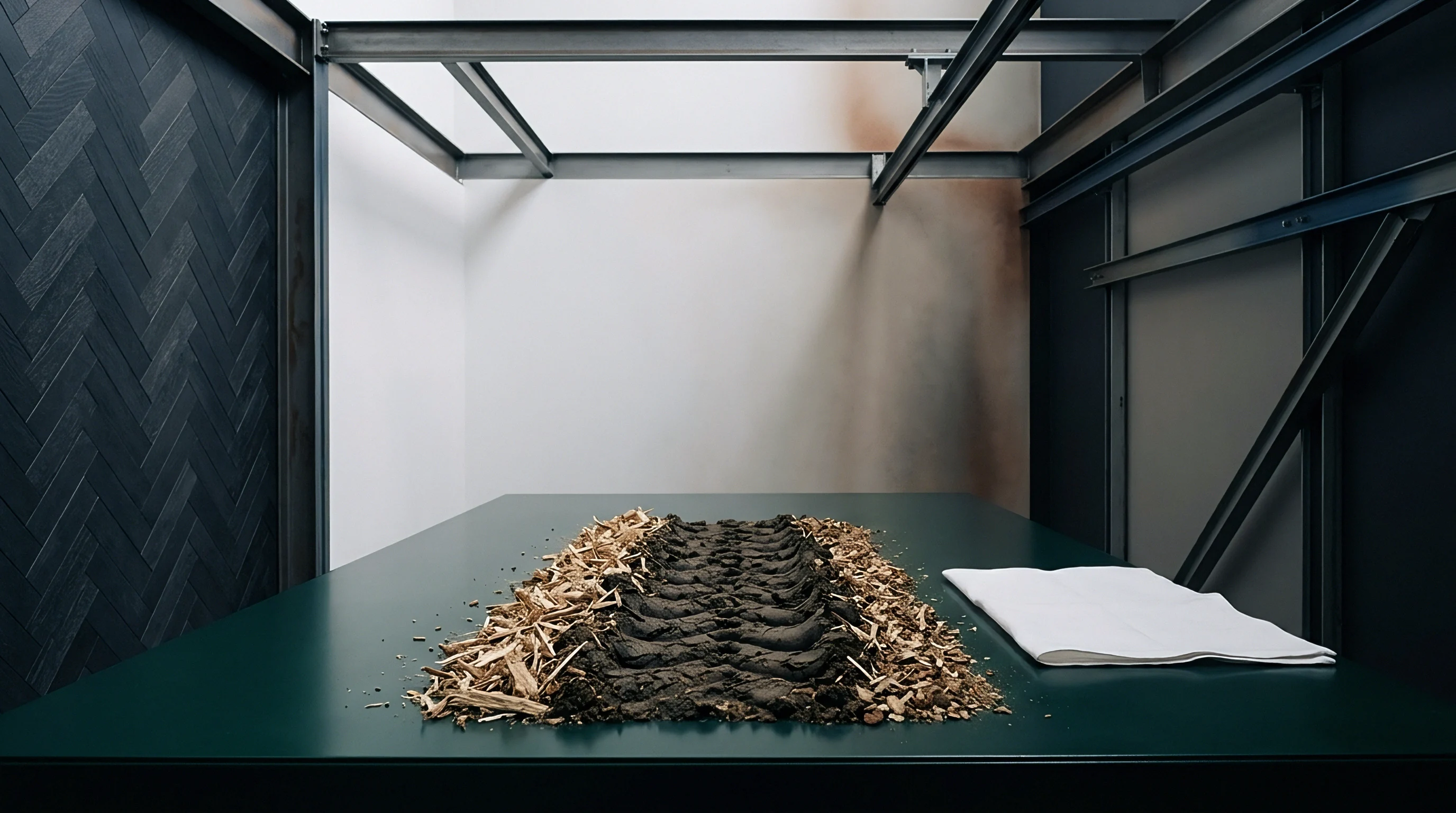
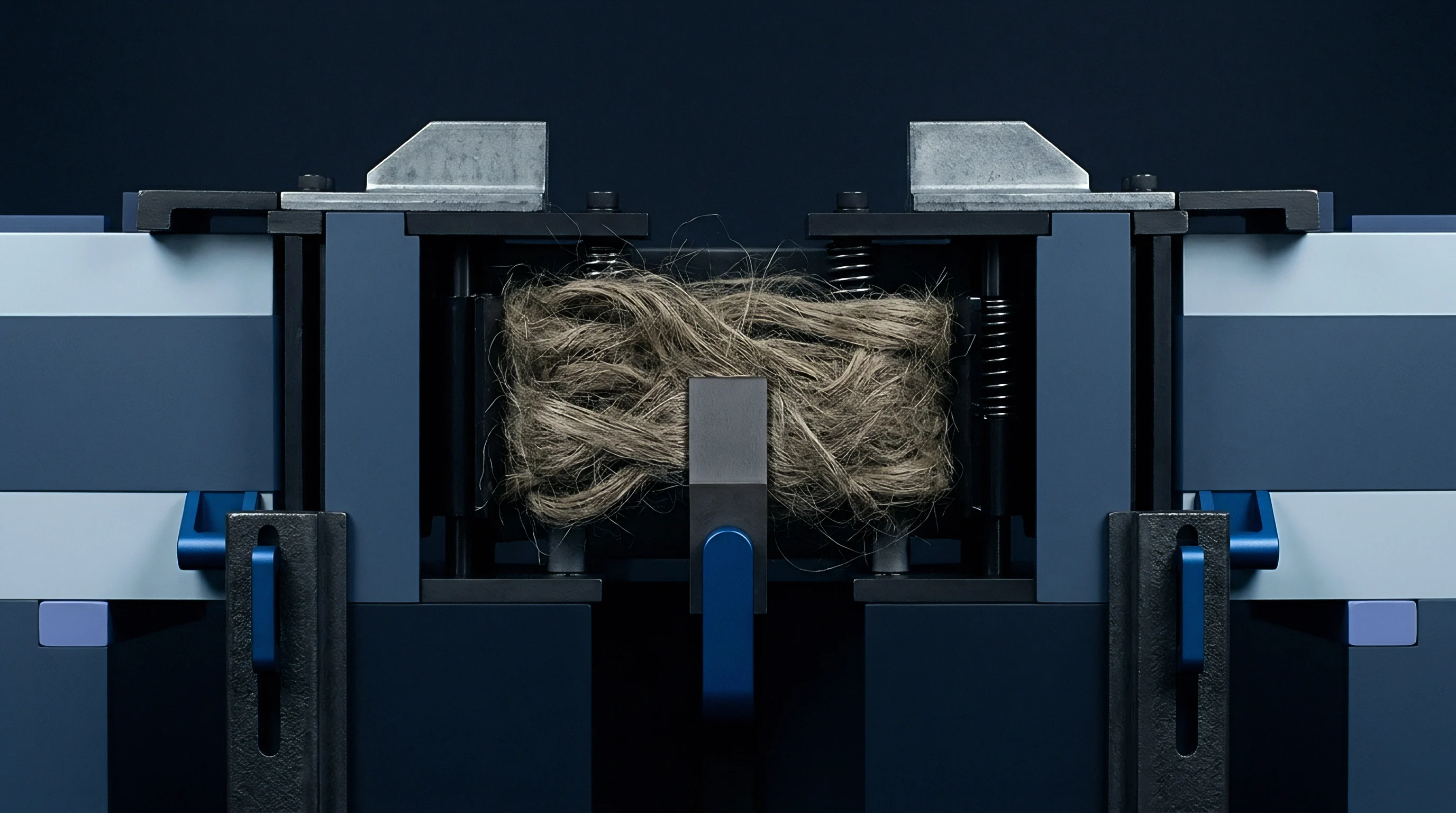
Scutched flax bundles enter the initial feed pins of the hackling machine as coarse, unaligned stricks containing coarse bark and core wood. The mechanical pin bed splits fiber bundles, aligns flax filaments along a parallel axis, and removes short, tangled fibers along with residual shives. Short flax fibers accumulate in drums.
Processing splits fiber yield into three primary streams: long line flax, hackled tow, and unrecoverable shive dust. Line flax comprises the long, combed fibers that pass cleanly through fine pin gradations to serve as input for high-count wet spun yarn. Hackled tow consists of the shorter fibers pulled out by the pin beds, which mills collect for coarse dry spinning or non-woven applications.
Mechanical mass loss during hackling ranges from thirty-two percent to forty-five percent of gross incoming scutched fiber mass, depending on straw quality, retting consistency, and machine pin density. Fiber bundles undergo repeated combing across progressively finer pin beds, where mechanical impact breaks weak lateral pectin bridges holding individual ultimates together while shives drop into lower hoppers. Mill operators adjust pin density and rotational throughput speeds based on crop stem diameter and moisture level.
High pin density increases long line yield efficiency when processing strong, uniform flax straw, but causes excessive filament breakage when applied to dry or over-retted material.
The table below outlines typical mass distribution fractions resulting from mechanical hackling across standard commercial flax straw grades under stable moisture conditions.
| Straw Grade Designation | Hackled Line Yield Range | Hackled Tow Fraction | Dust and Shive Waste Mass Percentage |
|---|---|---|---|
| Grade A Superior Long Staple | 62.0% to 68.0% | 24.0% to 29.0% | 5.0% to 9.0% |
| Grade B Standard Medium Staple | 55.0% to 61.9% | 28.0% to 34.0% | 8.0% to 11.0% |
| Grade C Short or Weather-Damaged Staple | 45.0% to 54.9% | 33.0% to 41.0% | 10.0% to 16.0% |

Dust Generation and Shive Removal Metrics
Dust and woody shive solids represent permanent, unrecoverable mechanical mass losses during the hackling phase. Shives consist of non-fibrous woody xylem fragments detached from the inner stem wall during scutching and combing. Heavy shive particles fall through pin grate openings into lower collection hoppers, while light cortical dust and micro-fibers enter pneumatic exhaust systems that clear air filters continuously to collect airborne particulate matter into closed bagger units.
Auditors weigh these bagger outputs to verify that light dust fractions reconcile against raw bale input registers.
Mass balance accounting fails when mills neglect continuous monitoring of waste hoppers and dust extraction filters. Discrepancies between total input bale mass and combined output streams emerge when solid waste fractions absorb ambient plant humidity or drop unrecorded into floor collection bins. Auditors verify machine yield reports against physical waste disposal manifests to confirm that missing mass reflects legitimate mechanical loss rather than undocumented material diversion.
- Unaccounted dust extraction occurs when pneumatic dust collection systems exhaust particulate mass without continuous filter bag weighing.
- Shive moisture inflation arises if woody core waste absorbs ambient air moisture before waste weighbridge ticketing.
- Unclassified tow transfers emerge when short fibers are re-routed to coarse carpet yarn lines without batch ticket logging.
- Strick mass variation happens when raw flax bales enter hackling frames at non-standard ambient humidity levels.
Exceptionally brittle flax straw from dry harvest seasons forces higher pin density, driving short fibre generation above contractual standards.

Moisture

Commercial Weight Adjustments and Standard Regain
Raw fiber consignments arrive at processing facilities with water fractions that fluctuate according to ambient mill storage humidity, altering gross scale weight and billing figures. Flax fibers possess a hydrophilic porous cell structure that absorbs or desorbs atmospheric moisture until reaching equilibrium with surrounding relative humidity. Weighbridge scale readings recorded at receipt reflect gross physical weight, which includes variable water content alongside solid cellulose mass.
Origin auditors convert all gross scale weights to official commercial mass using standardized moisture regain formulas before performing yield reconciliation arithmetic.
Raw flax bales weighed at fourteen percent humidity lose precisely one hundred seventy-eight kilograms of commercial billable mass per ten-tonne shipment when adjusted to the standard twelve percent regain level.
International trade agreements establish fixed official moisture regain percentages for bast fibers to eliminate commercial pricing disputes caused by atmospheric changes. Official regain standards assign a twelve percent commercial moisture allowance to scutched flax, hackled line fiber, and spun linen yarn. When raw bales arrive at an intake moisture content of sixteen percent, four percent of the recorded intake weighbridge mass consists of excess unbillable water.
Auditors subtract this excess water mass from intake tallies to establish the baseline commercial mass against which down-stream yarn production yields are evaluated.
Oven Dry Mass Calculation Sequence
Establishing absolute dry mass requires controlled thermal desiccation of representative fiber samples taken from sealed bale cores. Laboratory technicians extract fiber specimens, record initial gross wet mass, and dry samples at one hundred five degrees Celsius until consecutive weighings show zero mass change. The percentage difference between initial specimen weight and final dry mass defines the absolute moisture content of the lot, which auditors apply across total consignment scale weights to compute total dry cellulose mass.
The sequence outlined below details the standard procedure for converting raw scale weight into standardized commercial mass for audit reconciliation.
- Weigh incoming scutched flax bales on a calibrated weighbridge to obtain gross raw mass.
- Extract representative fiber core samples and measure water content using ISO 6741 oven-drying protocols at 105 degrees Celsius.
- Calculate absolute dry fiber mass by removing total measured water content from the initial raw mass figure.
- Apply official commercial regain allowance of twelve percent to establish standardized invoice mass for audit accounting.
Standard purchasing contracts under International Linen Association rules enforce oven-dry mass testing with a twelve percent commercial allowance, rendering unadjusted scale weights legally void during origin audits.

Extraction
Hot Water Bath Pectin Dissolution Mechanics
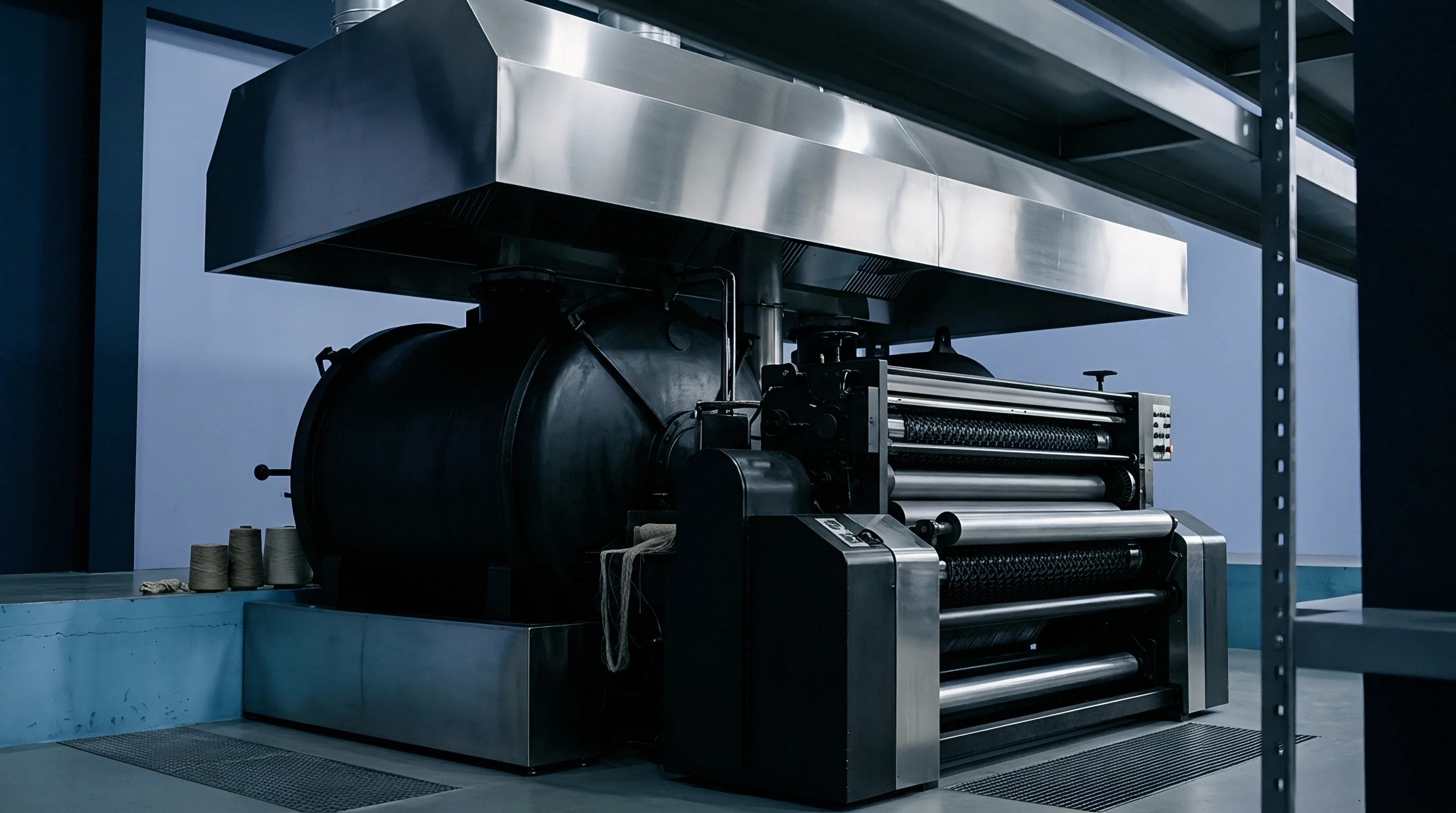
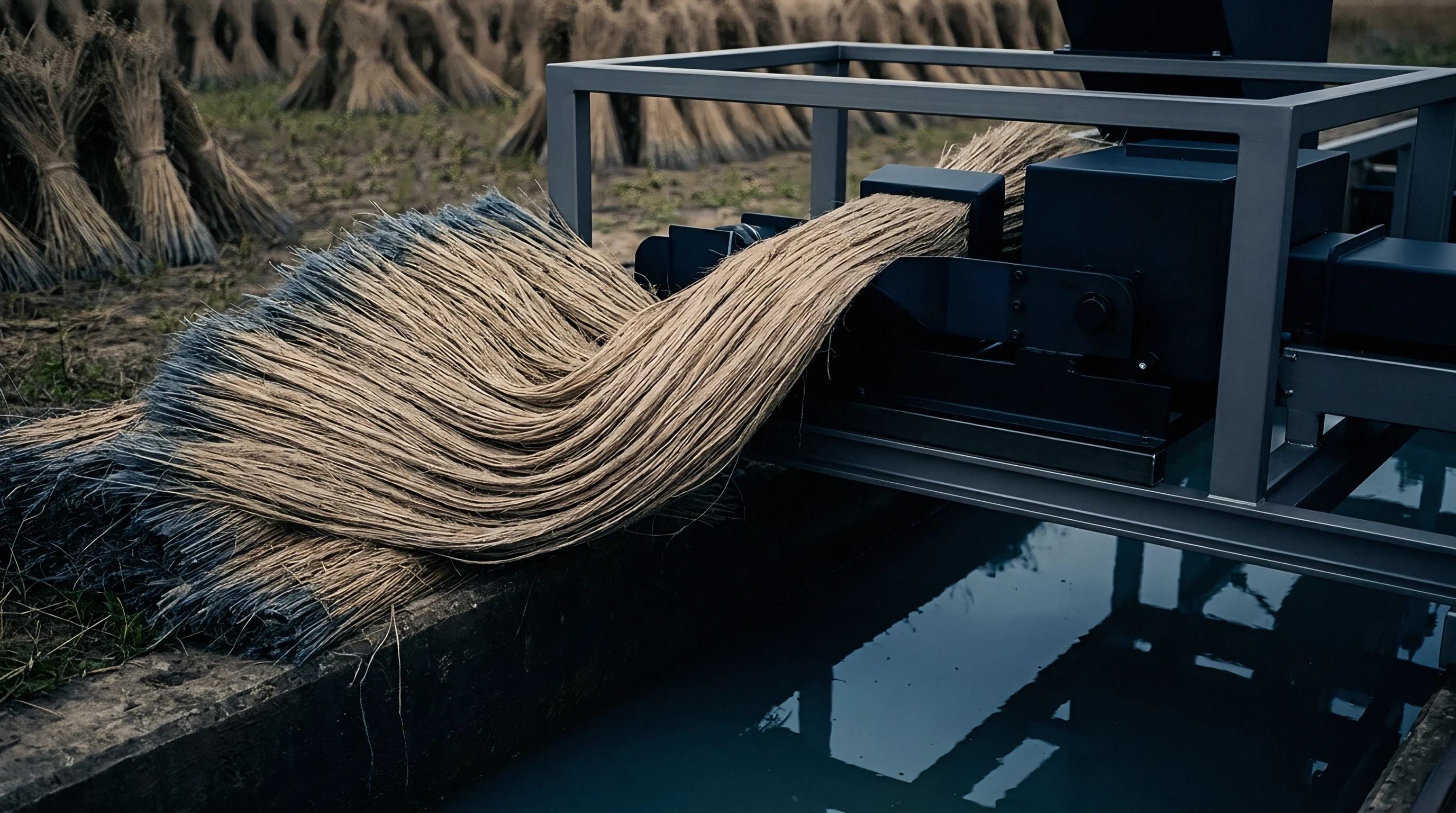
Roving strands pass through heated fluid troughs prior to ring spinning frame draft zones, where hot water weakens pectin bonds and extracts plant gums, though wet frames can generate fly waste. The hot water immersion bath, operating at temperatures between sixty and eighty degrees Celsius, softens the intercellular pectin matrix binding elementary flax ultimates within roving bundles. Water-soluble compounds, residual hemicellulose, waxes, and low-molecular-weight pectins dissolve into the circulating bath liquor during transit through the trough.
This chemical solubilization process produces a non-mechanical mass reduction ranging from two percent to five and a half percent of total roving dry weight.
ISO 2076 rules mandate that chemical bath losses during wet roving prep must be documented separate from solid spinning waste to maintain valid origin mass balance records.
Bath temperature, water hardness, and immersion time dictate the total percentage of dissolved organic matter removed from the fiber structure. Higher bath temperatures accelerate pectin extraction, enabling finer yarn draft ratios but increasing fluid mass loss. Dissolved organic solids accumulate in spinning bath troughs, requiring scheduled liquor discharge and chemical treatment.
Mill auditors inspect wastewater treatment discharge logs to confirm that dissolved organic load metrics match declared chemical bath mass reductions.
| Process Stage | Primary Loss Mechanism | Mass Reduction Range | Residue Recovery Path |
|---|---|---|---|
| Roving Boiling and Pre-Treatment | Hot water solubilization of pectins and waxes | 2.0% to 5.5% | Effluent treatment plant sludge |
| Wet Ring Frame Drafting | Roller press fluid expulsion and short fiber slubbing | 1.5% to 3.0% | Spindle trough filtration traps |
| Winding and Slub Catching | Mechanical yarn clearing and yarn break splicing | 0.8% to 1.5% | Pneumatic suction waste bins |
Mechanical Roving Waste and Fly Generation
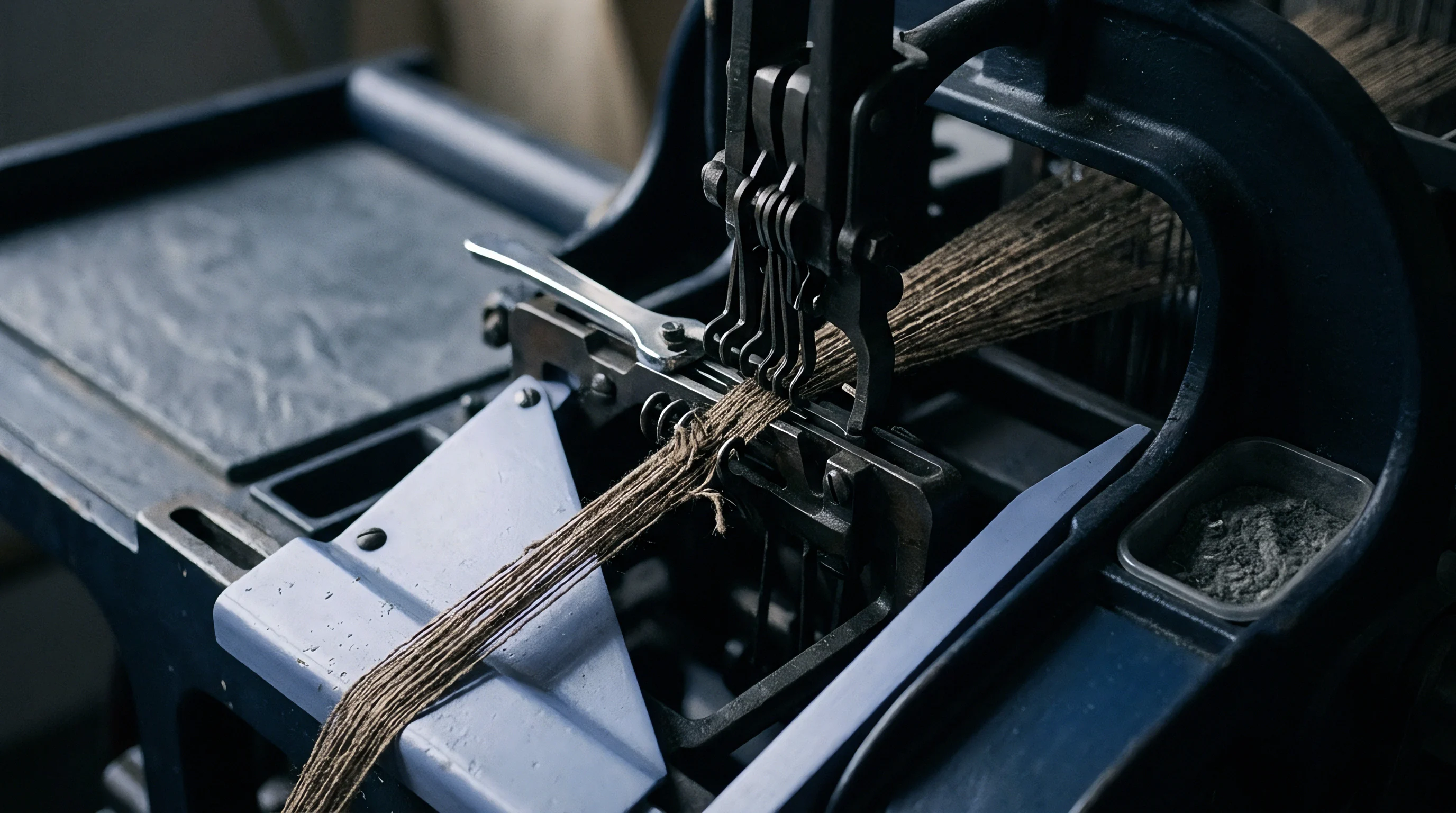
Mechanical action at the spinning frame introduces secondary physical fiber losses alongside chemical dissolution. High-speed drafting rollers exert shear forces on softened roving strands, sloughing off short unbound ultimate fibers into trough fluid and surrounding ambient air. Moist air currents around ring spindles capture airborne fiber fly, depositing lint onto machine frames and suction duct collectors.
Suction systems pull loose ends into dedicated waste canisters during yarn breakages before automatic splicers reconnect yarn ends.
Solid mechanical waste generated during wet spinning accounts for two to four percent of roving mass input. Mills collect wet slubbing waste from trough filter screens and dry fly waste from suction canisters, weighing both fractions prior to waste bale packaging. Auditors verify that mechanical waste totals match recorded draft efficiency losses to ensure no unrecorded fiber leaves the spinning hall.
The exact point at which thermal hydrolysis during extended hot bath immersion transitions from surface pectin solubilization to structural degradation of inner cellulose microfibrils remains open to laboratory verification.


Reconciliation

Cumulative Conversion Arithmetic for Origin Audits
Auditors calculate net transformation ratios by matching total raw material inputs against cumulative output yields and logged scrap totals, keeping strict physical transformation boundaries defined by line yield limits. Reconciling origin claims across cross-border processing locations demands a comprehensive mass balance equation that accounts for mechanical hackling losses, moisture regain adjustments, chemical solubilization, and mechanical spinning waste. A single conversion factor fails because each stage alters moisture percentage and fiber length distribution independently.
The core mass balance formula equates initial commercial raw fiber mass to the sum of finished yarn commercial mass, recoverably assigned short fiber mass, and verified non-recoverable waste mass. When calculating non-preferential origin under customs regulations such as the Union Customs Code, auditors evaluate whether the imported raw material underwent substantial transformation within the declared country. If declared output yarn volumes exceed theoretical physical yields calculated from input raw fiber volumes, auditors flag the shipment for origin dilution or fraudulent fiber blending.

Worked Yield Calculation for Pure Line Yarn
Consider a practical mill scenario involving a ten-thousand-kilogram consignment of European scutched long flax delivered to an Asian wet spinning facility. The incoming bale weighbridge ticket indicates ten thousand kilograms gross mass at an audited moisture content of twelve percent, matching standard commercial regain exactly.
Processing the ten-thousand-kilogram raw lot through primary hackling yields six thousand two hundred kilograms of hackled line flax, representing a sixty-two percent line yield. The hackling operation simultaneously generates two thousand eight hundred kilograms of hackled tow, representing a twenty-eight percent short fiber yield, along with one thousand kilograms of unrecoverable shive dust loss, representing ten percent mechanical waste. The six thousand two hundred kilograms of hackled line flax moves forward into roving preparation and wet ring spinning, while the tow fraction enters a separate coarse yarn production line.
During wet spinning, the six thousand two hundred kilograms of line flax roving incurs a four percent hot bath solubilization mass loss, removing two hundred forty-eight kilograms of pectin and water-soluble gums. Subsequent ring frame drafting and winding generate an additional two and a half percent mechanical waste, equal to one hundred fifty-five kilograms of solid fly and slubbing scrap. Subtracting chemical bath loss and mechanical spinning scrap leaves five thousand seven hundred ninety-seven kilograms of finished, grey wet-spun linen yarn at twelve percent standard moisture regain.
Calculating the overall conversion multiplier for pure line yarn yields a ratio of one point seven two five kilograms of raw scutched flax input per one kilogram of finished wet-spun line yarn. If an audited mill claims to produce seven thousand five hundred kilograms of pure line linen yarn from that same ten-thousand-kilogram raw flax lot, the calculated conversion multiplier drops to one point three three three kilograms per kilogram of yarn. That conversion ratio exceeds physical line yield limits, proving that the mill blended non-origin fiber or secondary yarn into the production batch.
An origin claim supported only by gross output invoices breaks when mechanical hackling losses are calculated against real mill weighbridge receipts.

Origin Dilution Red Flags in Yield Statements
Auditors review production logs for recurring patterns that signal origin non-compliance or fraudulent material replacement during processing. Discrepancies between declared output yarn counts and input fiber staple length distributions indicate unauthorized fiber mixing. Mills attempting to disguise non-certified fiber insertion often alter reported hackling yield percentages or omit chemical extraction mass loss metrics from final conversion ledgers.
- Anomalous line yield ratios exceed sixty-eight percent of raw scutched input without documented premium straw grading.
- Missing bath mass records fail to report solubilized pectin weight reductions during wet roving operations.
- Zero shive waste logs indicate that hackling waste was omitted from mill ledger balances.
- Unbalanced tow sales reveal higher short fiber output than incoming raw material fractions justify.
Accepting unadjusted yield statements during origin verification exposes importers to duty back-charges, non-preferential tariff reclassifications, and mandatory seizure of mislabeled inventory at destination ports.


Proof
Documentary Chain of Custody Verification
Auditors examine physical transaction certificates alongside internal mill production logs and scale tickets to substantiate provenance claims. Physical custody verification relies on serial-numbered batch transfer tags attached to individual fiber bales, roving cans, and finished yarn pallets. Each transfer tag records gross scale weight, lot identification numbers, date stamps, and operator initials at every stage of transformation.
Transaction certificates that list gross bale mass without dry-weight moisture corrections fail audit cross-checks between European scutchers and Asian spinning mills.
Transaction certificates issued by certification schemes like European Flax or Masters of Linen must match internal mill weighbridge slips and shift yield sheets precisely. When a mill imports European scutched flax under an accredited transaction certificate, the auditor cross-checks the declared certificate volume against the mill’s raw material intake ledger. Any gap between certificate mass and intake register mass indicates either unrecorded raw material consumption or undocumented fiber substitution.

Cross Border Batch Reconciliation Methods
Verifying cross-border supply chains requires matching customs declaration forms, bill of lading documentation, and commercial invoices across foreign hackling and domestic wet spinning facilities. Hackling facilities located in Europe frequently export hackled line flax to spinning mills in China or Southeast Asia. Auditors reconcile foreign scutcher delivery notes with export customs declarations to verify that raw fiber volume exported matches raw fiber volume delivered to the overseas hackling plant.
Customs officials compare non-preferential origin statements against audited physical transformation records to determine tariff compliance under Harmonized System chapter 53 classification rules. Non-preferential rules dictate that origin assigns to the country where the last substantial economic process occurred, provided processing yield ratios remain within verifiable physical thresholds. Document trails that separate mechanical waste records from batch weigh scale slips fail under regulatory origin scrutiny.