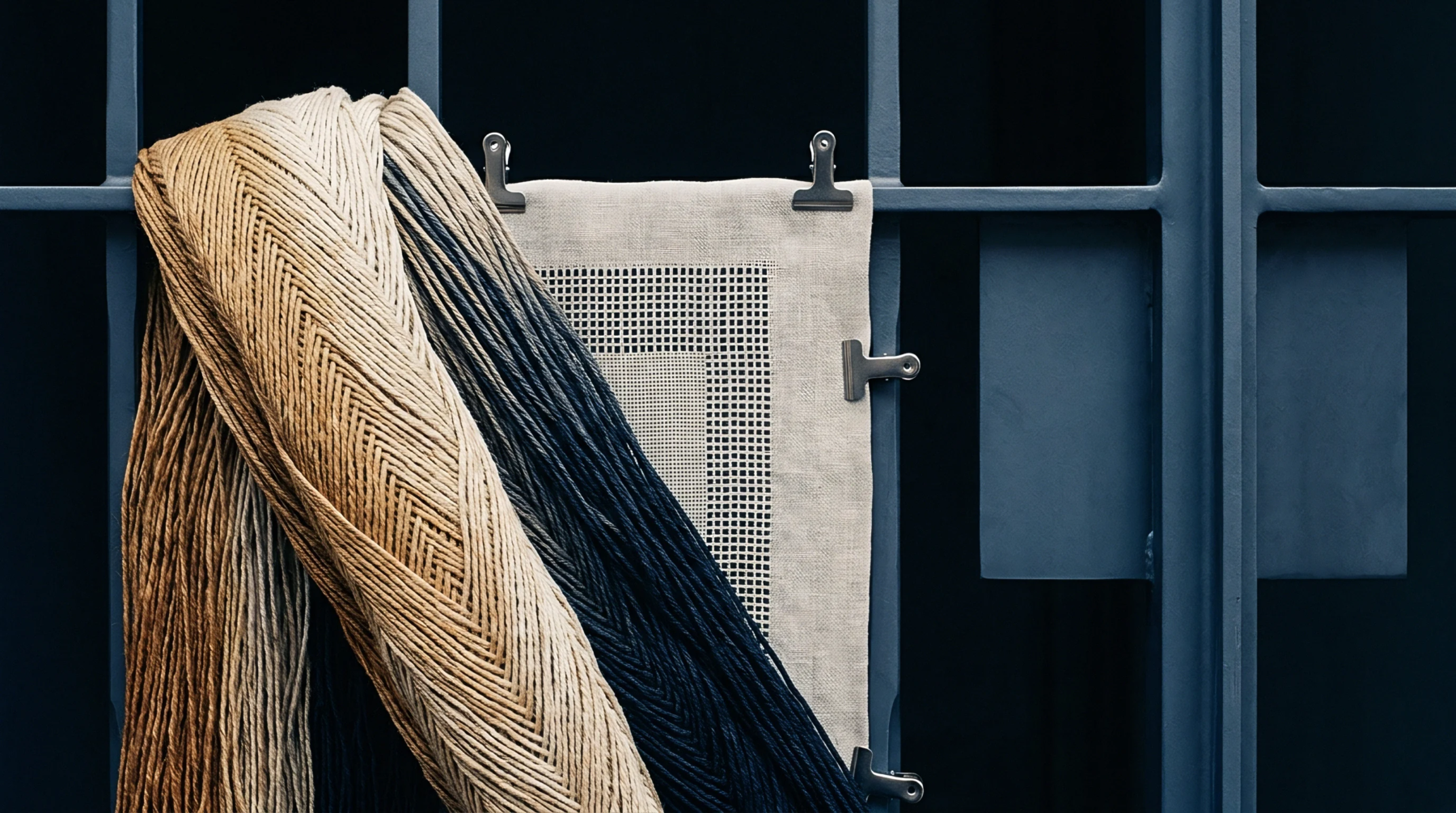
Fibrous Form
Long strands of scutched flax that have been combed during the hackling process represent the premium portion of the harvest used for high-end linen yarns. Comprising parallel bundles of line fiber measuring sixty to ninety centimetres, this material is selected for wet-spinning processes to yield fine, strong yarns. Processing mills categorize these long bundles by strength and cleanliness before they enter the drawing frames.
Hackling Classification
Grading at the preparation stage divides the combed material into distinct quality categories recorded on the mill hackling docket. Standard evaluations for line fiber measure the proportion of long fibers retrieved compared to the short tow fibers that are combed out. Fine spinning mills in China rely on this document to verify that the batch has achieved the necessary degree of splitting and parallelization.
Spinners use these specific yields to adjust their purchase valuations and process paths. If a batch exhibits high levels of residual shives or short fibers, the mill downgrades the entire lot, which forces a re-routing of the material to coarser yarn counts.
Processing Standard
Spinning trials establish the ultimate threshold for accepting or rejecting a hackled batch. Since yarn strength depends directly on the cohesion of parallel bundles, line fiber must meet the wet-spinning requirements specified in the buyer’s acceptance sheet. While a mill may grade a bundle as superior based on visual length, the customer checks the actual drafting performance under tension.
This division between mill grading and the external specification governs the contract clearance.