Fibre Preparation
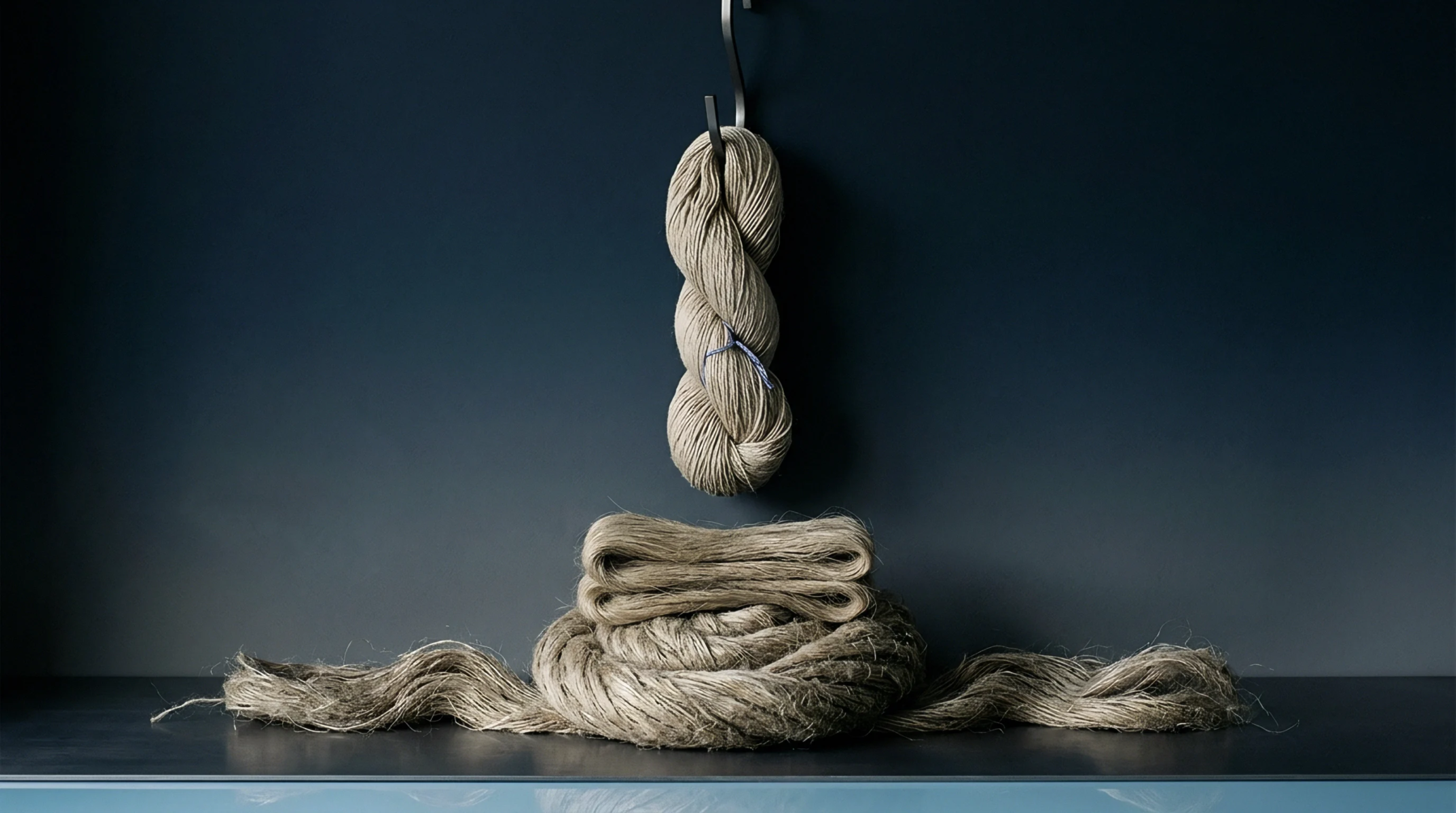
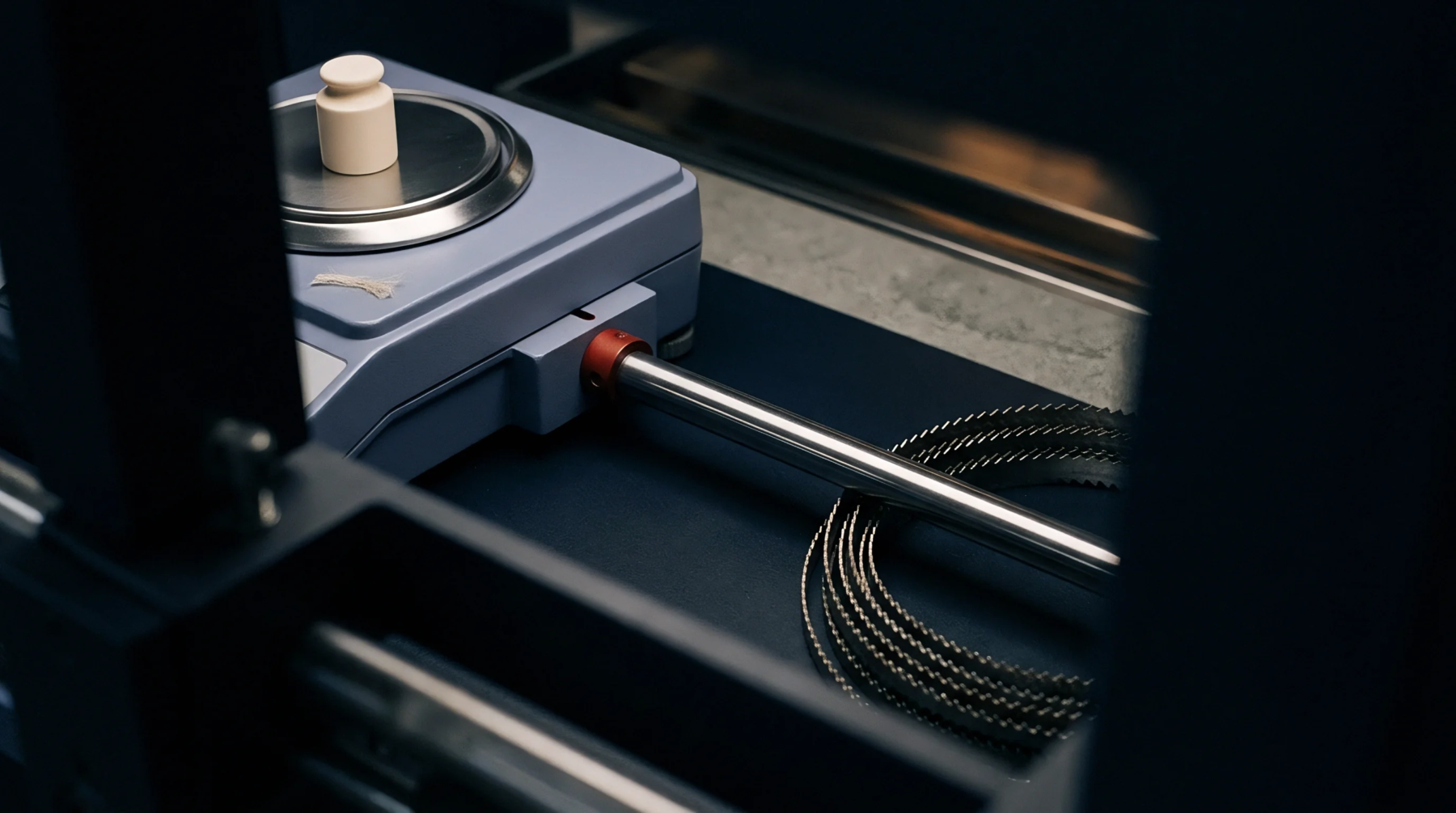
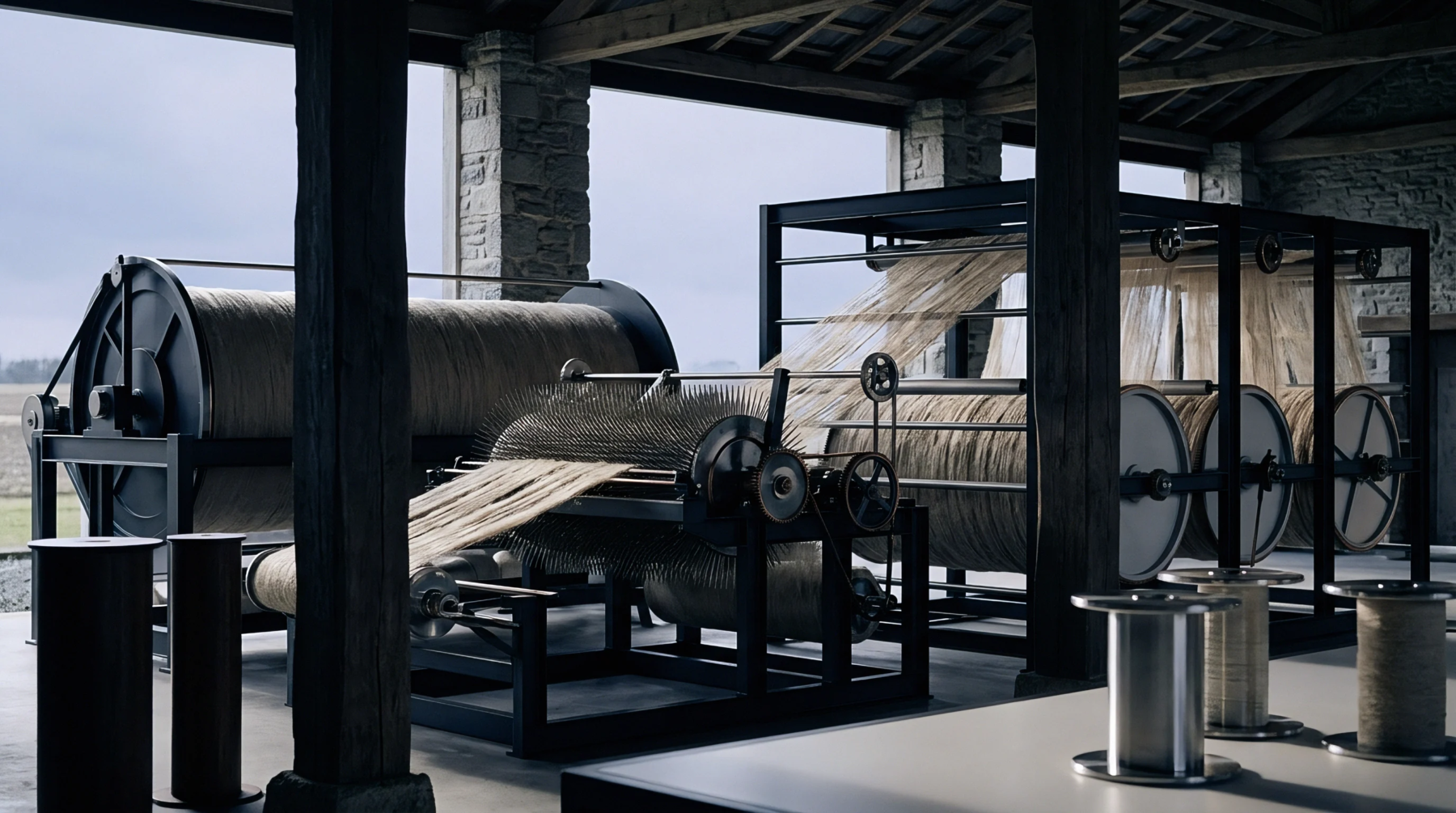
Hackled line flax denotes the long and parallelized plant bast strands drawn through fine steel pins during the preparatory stage of mill processing. This classification identifies the primary material destined for high count wet spinning. Workers grade the output by measuring staple length, residual impurity count and tensile strength before recording the metrics in the mill lot ledger.
Short broken fibres separate out during this mechanical combing operation to form tow, whereas the aligned remnants continue toward the drafting frames.
Spinning Parameters
Mills adjust their machinery settings according to the moisture content and fineness of hackled line flax batches entering the drafting zone. Operators monitor roving tension continuously to prevent filament breakage while drawing out the parallel strands into a uniform sliver. Buyers specify strict acceptance criteria regarding twist density and hairiness limits before signing the yarn purchase agreement.
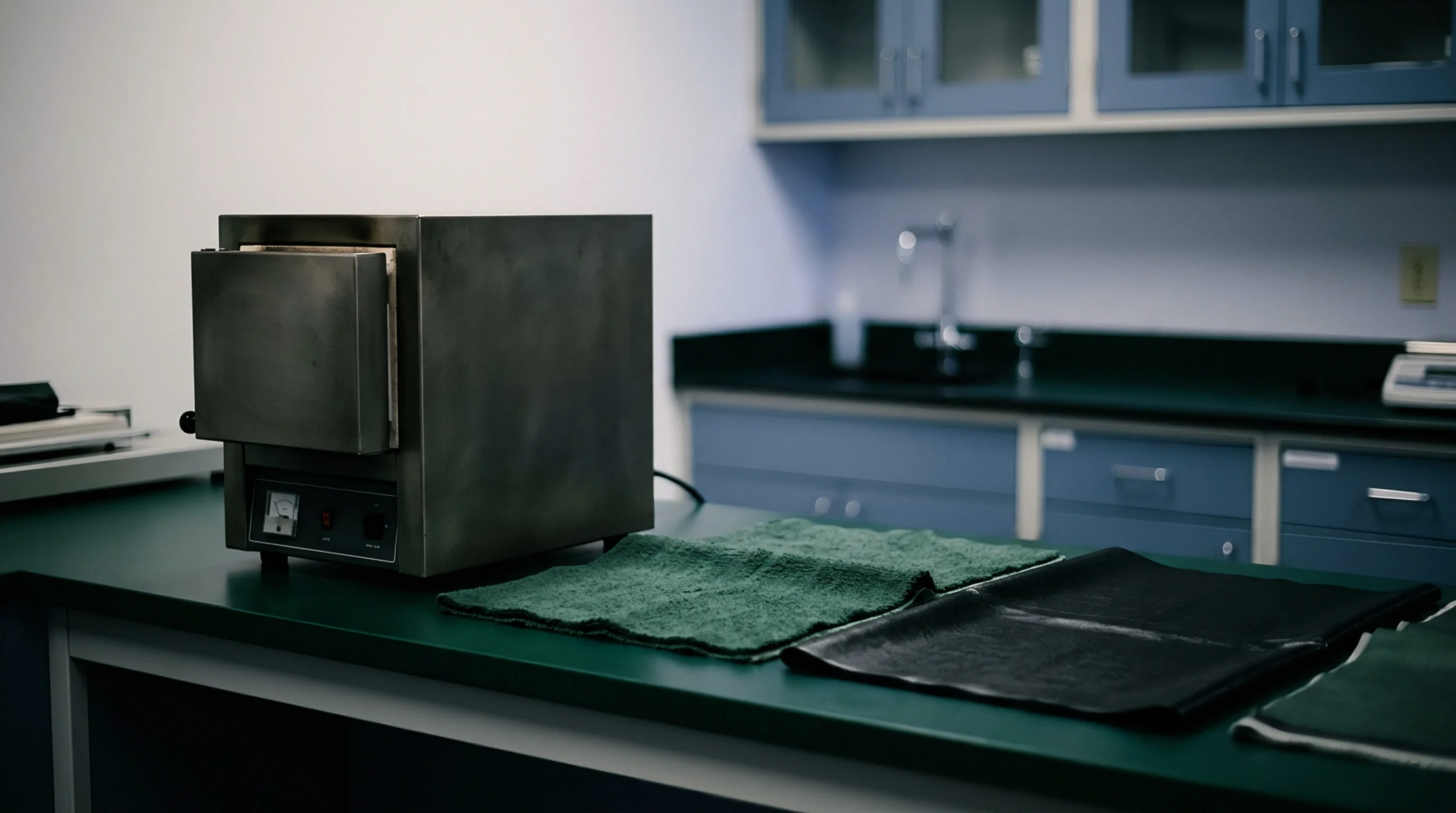
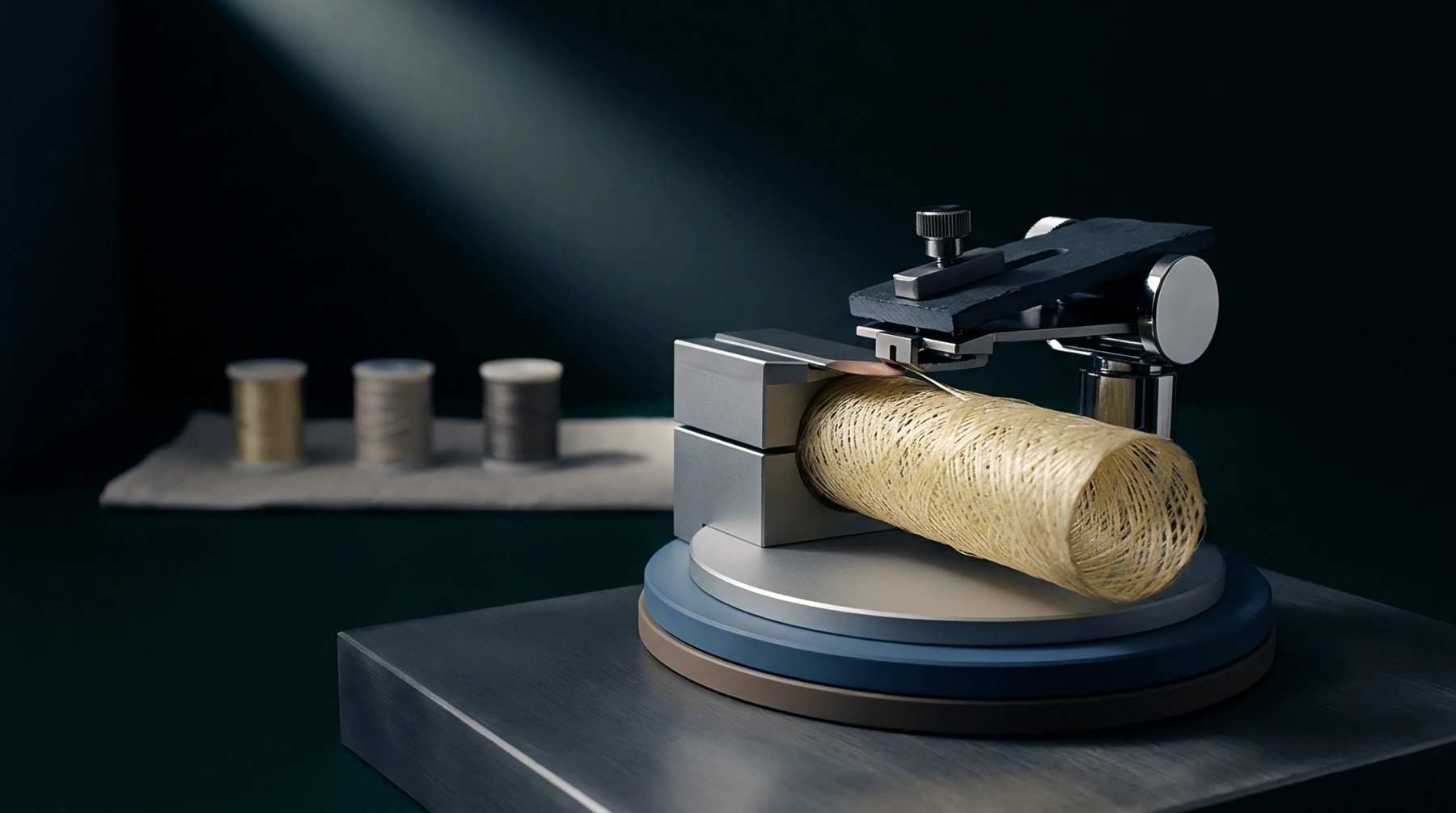
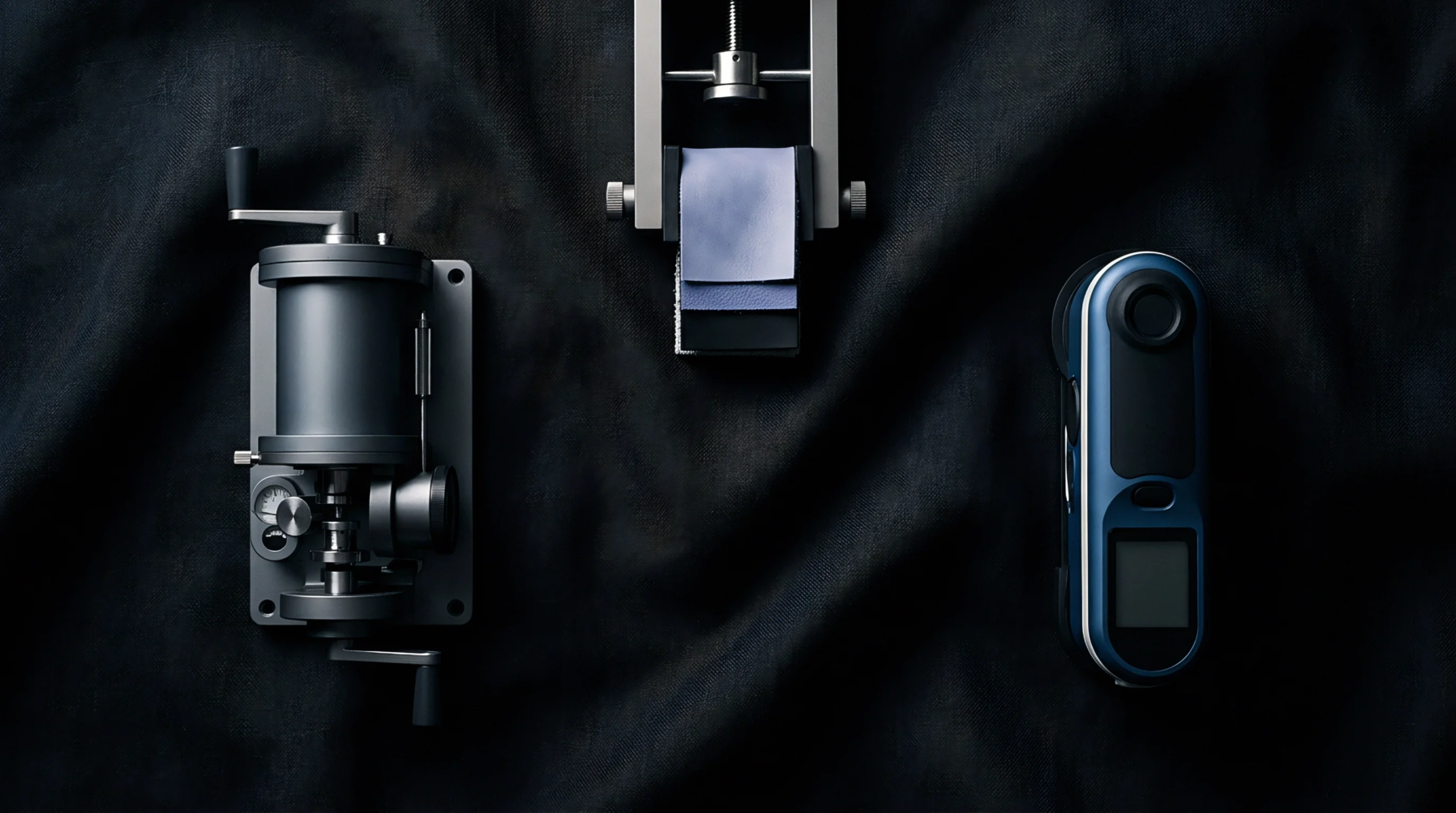
Laboratory technicians test random bobbins daily to verify that individual yarn lots meet the mechanical tolerances demanded by downstream weaving machinery.
Export Standards
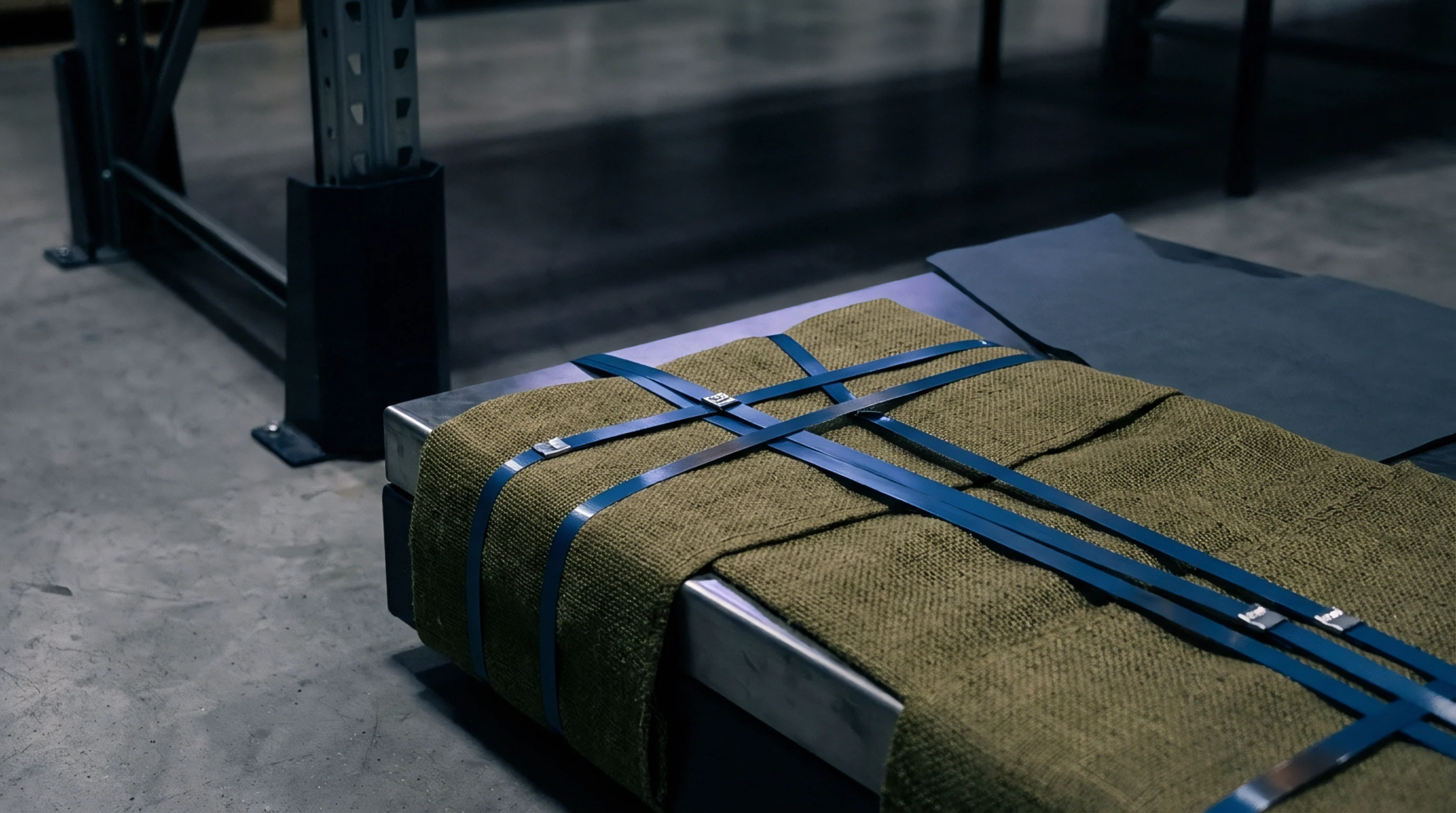
Finished linen fabric undergoes rigorous inspection under international protocols before trade partners authorize shipment from the mill warehouse. Inspectors check warp and weft counts against the original purchase order specifications to confirm structural integrity across the entire bolt. Burlap wrappers protect the bundled textile rolls against moisture damage during maritime transit to foreign garment manufacturers.
Final customs documentation reflects the verified fibre classification and weight measurements established during the initial hackled line flax processing run.