Atmospheric Reference
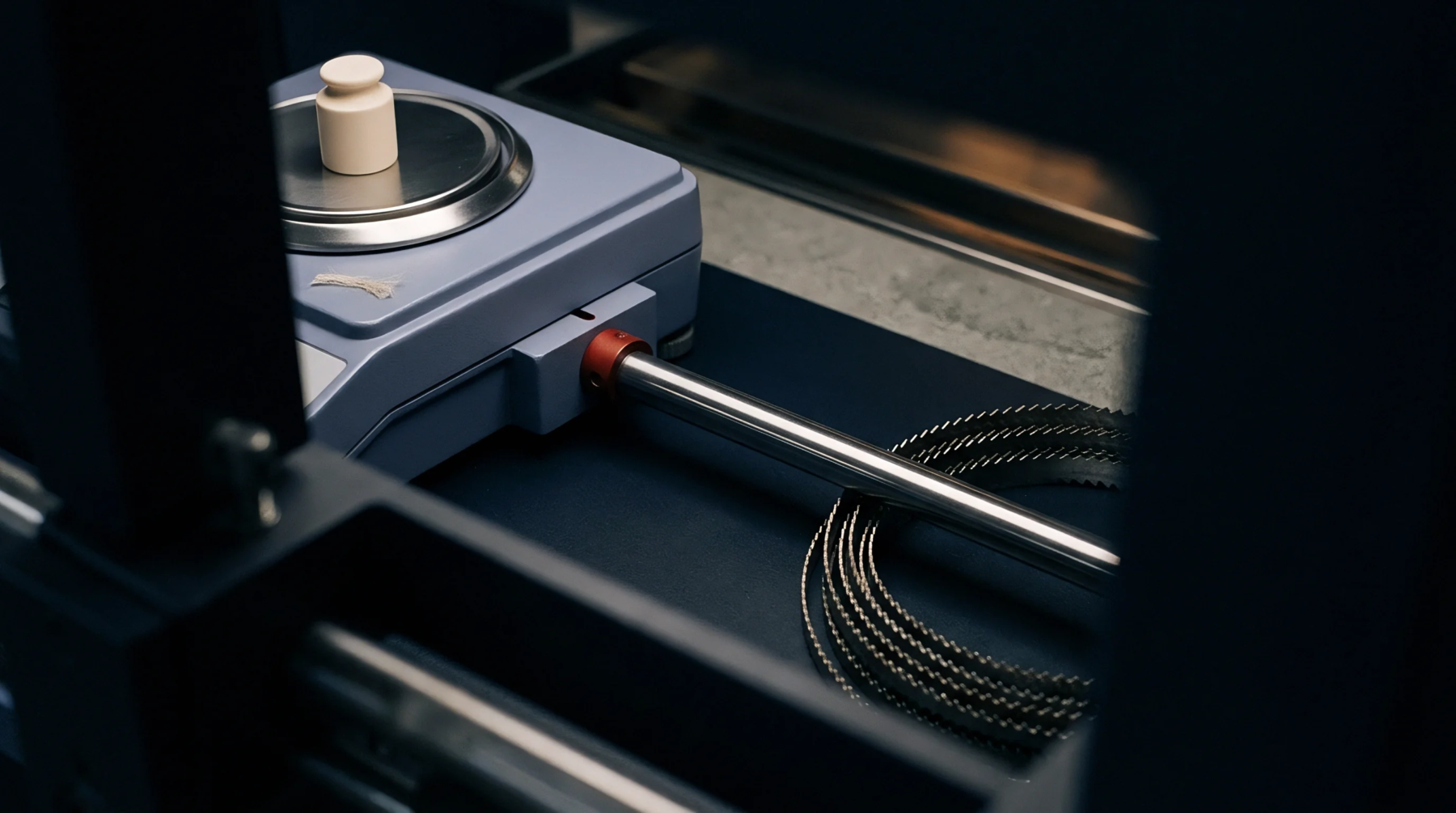
Quantitative baseline measurements establish a fixed set of pressure and temperature values at sea level to calibrate hygroscopic moisture recovery tests for linen flax fibre. Within the conditioned laboratory environment, a standard atmosphere requires maintaining air at fifteen degrees Celsius with sixty five percent relative humidity to ensure consistent weight assessment. Equilibrium moisture content for organic plant fibres varies wildly under fluctuating conditions because cellular structures readily absorb or release water molecules depending on the surrounding vapor pressure.
Testing protocols mandate this specific conditioning state before operators weigh bundles for commercial sale or technical grading. Accurate moisture determination prevents trade disputes between spinning mills and growers who must agree on dry fibre mass.
Testing Control
Technicians rely on these defined climate settings to verify that raw flax batches meet contracted moisture regain specifications. Moisture regain levels for scutched flax must remain within legal limits defined by the trade contract. Variations occur when ambient humidity shifts, necessitating the controlled environment to strip away environmental interference from mass calculations.
Instruments measure the weight of conditioned specimens against the dry mass of a previous reference sample. Each facility logs internal humidity and thermal logs during the procedure to validate results for export audit. Constant monitoring of these mechanical variables stops moisture gain from inflating shipping weights falsely.
Fibre classification depends entirely on the stability of the lab air as moisture absorption affects the final tensile strength readings during testing cycles.
Calibration Metric
Formalized climate standards govern the integrity of mechanical tests conducted on finished linen yarn to confirm industrial compliance. Spinning mills maintain rigorous control over testing rooms to minimize thermal expansion or contraction errors in equipment sensors. Buyers demand evidence that laboratories employ these validated metrics when declaring moisture content in bulk shipments.
Discrepancies between mill data and buyer findings often trace back to departures from the designated humidity levels during measurement. Consistent application of the controlled climate enables uniform comparison across international supply chains where regional weather patterns fluctuate. Reliable atmospheric regulation remains the only mechanism for verifying that purchased flax weight accurately represents dry fibre content.