Gravimetric Testing Basics for Hackled Line Flax Sliver
Gravimetric testing determines hackled flax sliver dry mass, moisture regain, and linear density to lock in fair commercial yarn pricing.

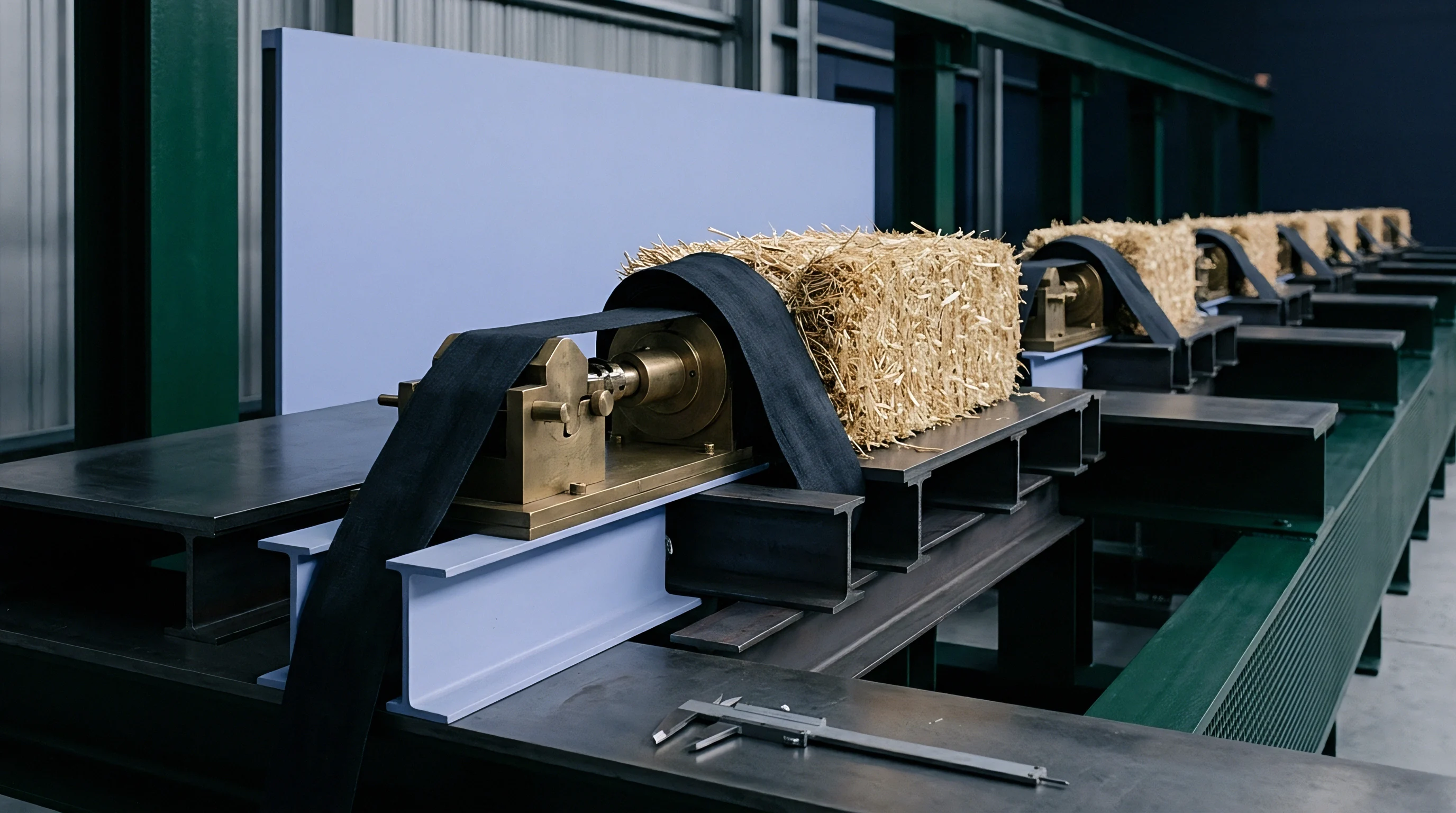
Specimen
Precision linear density evaluation starts with obtaining an undamaged section of gilled ribbon directly from the spinning sliver package. Hackled line flax sliver consists of long, highly parallelized flax fibers aligned during hackling and continuous gilling. Measuring mass per unit length requires extracting specimens without introducing tension, fiber loss, or false draft.
Slivers taken from carded tow or short-staple flax lack the bundle length uniformity found in hackled line stock, making section preparation critical for reproducible gravimetric testing.
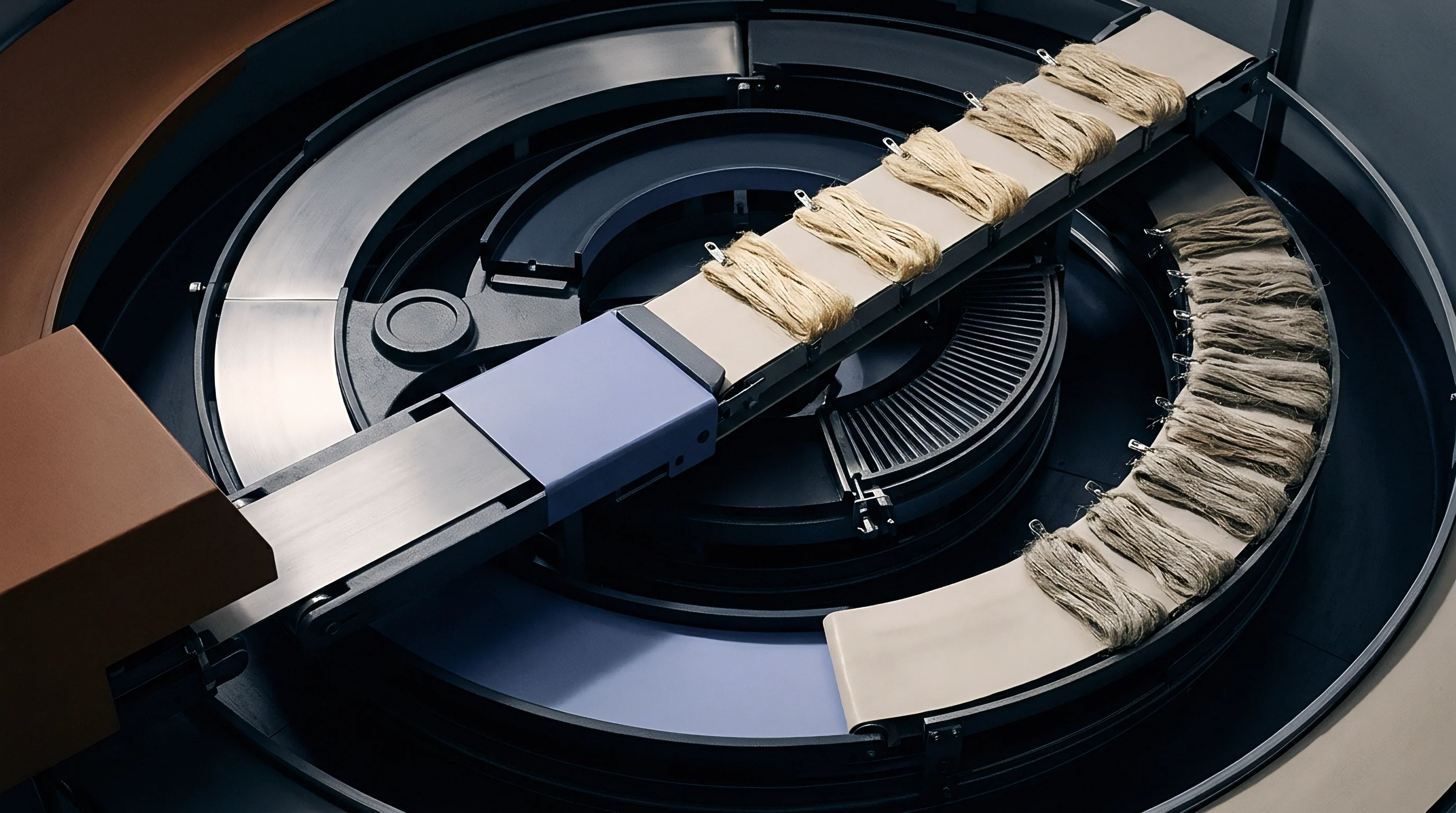
Sampling Integrity across Cans and Bumps
Extracting fiber ribbons without disturbing the parallel orientation of hackled strands demands deliberate handling protocols at the creel. Gravimetric tests evaluate linear density in kilotex, defined as grams per meter of sliver. Samples pulled under uncontrolled tension elongate during handling, yielding an artificially low mass measurement.
Operators reel sliver from the top of the can or bump, allowing the ribbon to rest on a smooth table surface for twenty-four hours to release mechanical tension imparted during coiling.
Because draw-frame delivery rates vary across a production run, sampling plans require cuts from multiple containers. Standard practice isolates five distinct continuous lengths from five separate sliver packages, weighing each independently on analytical balances calibrated to one-tenth of a milligram accuracy.
- Select five production cans randomly across the hackling lot to represent total delivery output.
- Unwind five meters of sliver from each package, discarding the leading two meters to eliminate handling degradation.
- Lay the extracted ribbon loosely across an untensioned measuring board fitted with fixed end stops.
- Sever the ribbon at exact one-meter increments using a spring-loaded guillotine cutter to prevent edge fraying.
- Store each cut section in an airtight plastic container prior to initial ambient weighing.
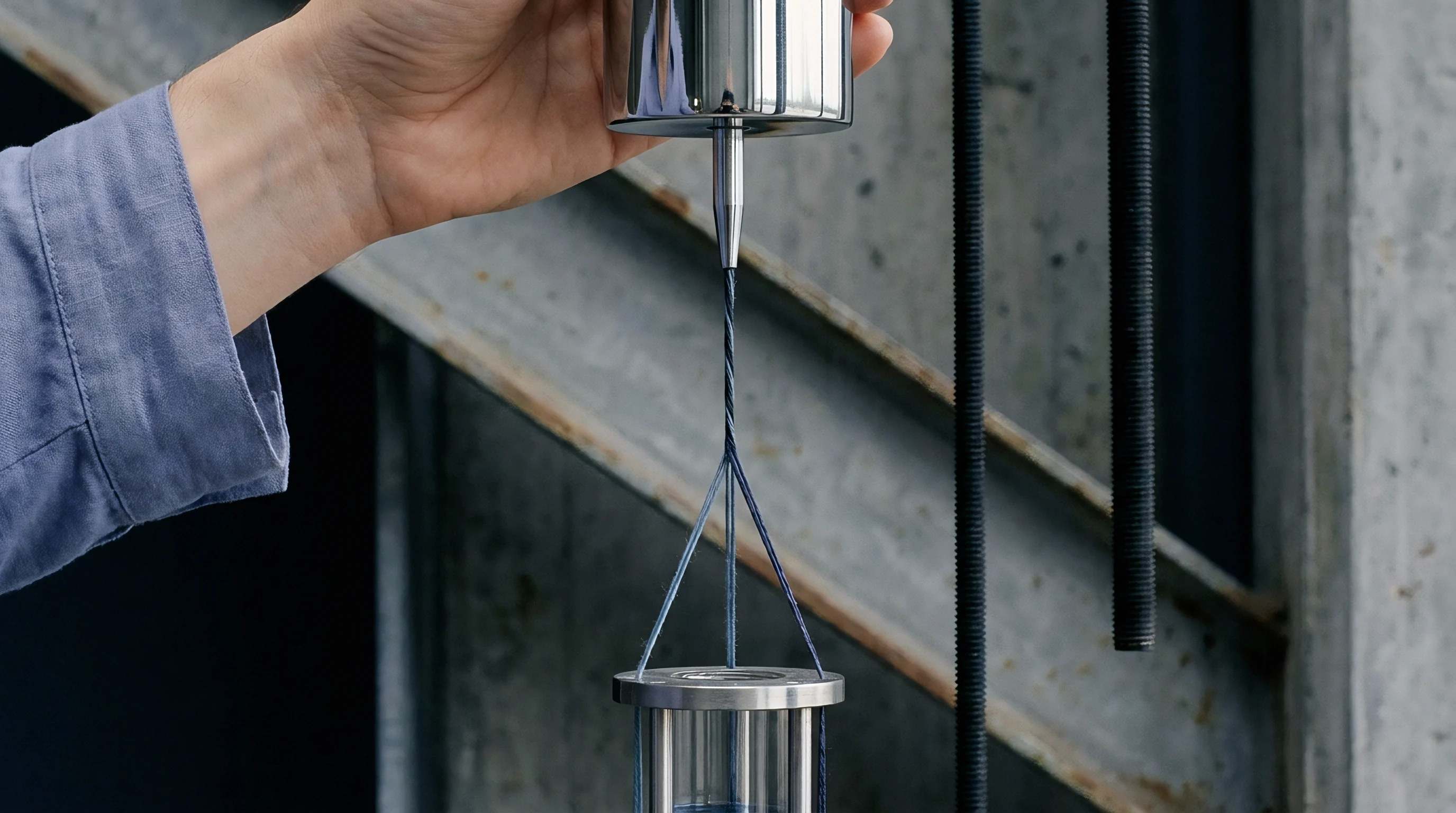
Cutter Geometry and Length Accuracy
Guillotine test frames fitted with calibrated steel stop blocks eliminate length variation during section isolation. Hand-cutting with shears introduces length errors up to two percent, directly distorting calculated linear density figures and subsequent yarn count projections. A cutter utilizing dual parallel blades spaced at exactly one thousand millimeters ensures uniform specimen volume.
Hackled line sliver linear density determines the draft distribution required across subsequent drawing frames to achieve uniform yarn count.
Fiber weight shifts continuously with ambient humidity. Cutting accuracy loses value when environmental exposure alters specimen mass before the initial reading, so laboratory personnel transfer severed sliver ribbons immediately into tared, sealed weighing vessels before placing them on the analytical balance.
Errors introduced during initial sample severance multiply across subsequent oven-drying calculations. Cutting a sliver shorter than the target length creates false high-density calculations that skew draft setting calculations on second-passage gill boxes. Systematic length deviations alter mill production calculations and lead to off-spec yarn counts.
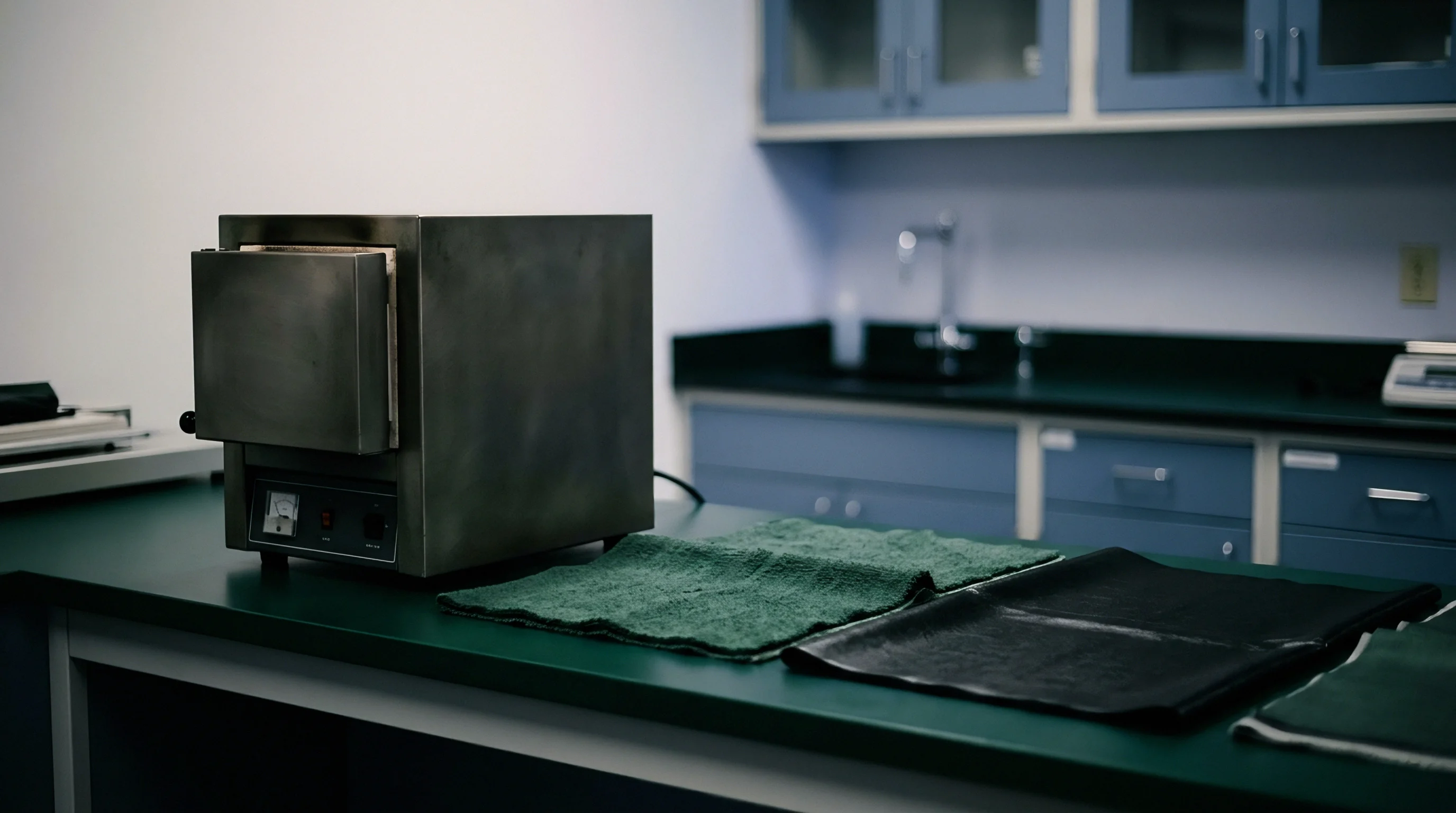
Oven
Thermal desiccation removes physical water bound within the flax cell wall through forced air circulation at regulated thermal thresholds. Flax fibers hold moisture in primary cell wall capillaries and inter-crystalline cellulose regions. Gravimetric oven-drying isolates the bone-dry fiber mass, establishing the baseline needed to calculate moisture content and moisture regain per ISO 6741 standards.
Thermal Equilibrium and Mass Stability
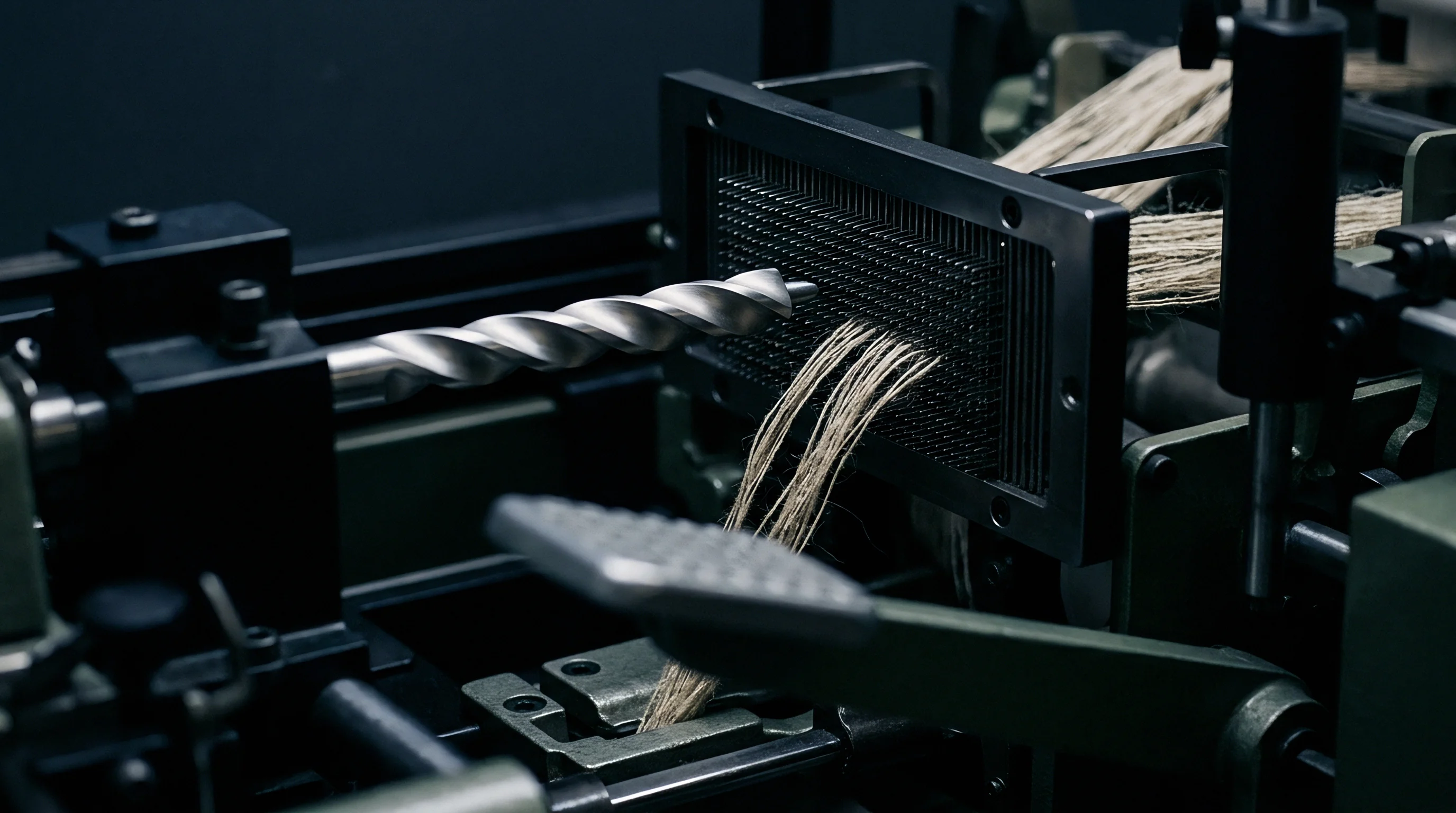
Repeated gravimetric measurement cycles continue until consecutive weighings show no residual moisture loss. Forced-draft drying chambers circulate heated air at speeds between one and two meters per second to carry vaporized water away from dense flax bundles. Static heating chambers fail to penetrate thick line sliver ribbons efficiently, leaving internal core humidity unevaporated.
Heating flax above one hundred ten degrees Celsius triggers thermal oxidation of structural polymers and volatilizes non-water constituents like natural waxes. Standard test protocols fix drying temperatures at exactly one hundred five degrees Celsius, with an allowable variation of plus or minus two degrees. Weighing systems mounted directly inside forced-draft ovens utilize airflow baffles to allow continuous mass monitoring without opening drying doors, preventing air currents from destabilizing the balance.
- Unsealed Bottle Transport – Exposure of dried sliver to room air during balance transfer causes rapid moisture absorption, lowering apparent moisture content readings.
- Temperature Overshoot – Exceeding one hundred seven degrees Celsius scorches natural flax pectin, causing false mass reduction from volatile chemical loss rather than water evaporation.
- Insufficient Airflow – Dead zones inside poorly baffled drying chambers retain humid boundary layers around sliver samples, extending drying times beyond standard test duration limits.
- Overloaded Sample Baskets – Packing thick sliver ribbons tightly into drying trays prevents heat penetration, resulting in incomplete core desiccation.

Standardized Drying Temperatures
Maintaining forced draft drying chambers at exactly one hundred five degrees Celsius prevents chemical breakdown of non-cellulosic pectins. Test specimens reach constant mass when successive weighings taken at fifteen-minute intervals differ by less than zero point zero five percent of total specimen mass, confirming that all capillary moisture has evaporated.
Weighing hot fiber outside the oven chamber introduces updrafts and rapid ambient moisture adsorption that distort dry mass readings.
| Drying System Type | Temperature Precision | Balance Integration | Typical Drying Duration | Mass Uncertainty Range |
|---|---|---|---|---|
| Forced Air Convection Oven | ±2.0 °C | External Tared Vessel | 120 to 180 Minutes | ±0.08 Percent |
| Integrated Ventilated Balance Oven | ±1.0 °C | Internal Continuous Scale | 45 to 60 Minutes | ±0.03 Percent |
| High-Capacity Vacuum Desiccator Chamber | ±0.5 °C | External Tared Vessel | 90 to 120 Minutes | ±0.02 Percent |
Cooling dried flax prior to external weighing demands airtight desiccation equipment. Transferring hot sliver into ambient room air generates convection currents above the balance pan, driving balance drift. Sealed weighing jars containing active silica gel desiccants equalize specimen temperature without allowing atmospheric moisture reuptake.
Ambient room cooling without sealed weighing vessels permits rapid moisture absorption during manual transfer, regardless of assumptions that the delay is negligible.
Regain
Commercial weight calculations balance bone dry fiber mass against standard environmental allowances recognized across international textile trade. Flax is a highly hygroscopic bast fiber capable of holding significant moisture under humid atmospheric conditions. Buyers and sellers avoid paying for variable water weight by converting delivered invoice weights into standard commercial mass based on official regain allowances.

Official Moisture Allowance Calculations
Trade contracts specify a fixed twelve percent benchmark added to oven dry measurements when determining commercial invoice totals. ISO 6741 fixes the official moisture regain of hackled flax at twelve point zero zero percent. Moisture content calculates the weight of water as a percentage of total wet fiber mass, whereas moisture regain calculates water weight as a percentage of bone-dry fiber mass.
Conflating moisture content with moisture regain alters invoice valuations across large sliver shipments.
Calculating commercial weight requires multiplying the measured oven-dry mass by one point one two. When delivered slivers exhibit actual moisture regain below twelve percent, the seller applies an upward weight adjustment to invoice the agreed commercial mass. When delivered sliver contains fourteen percent moisture, the buyer deducts the excess water weight from the billed mass.
Which Environmental Factors Distort Commercial Weight Calculations?
Fluctuations in ambient relative humidity rapidly shift moisture equilibrium within unsealed fiber bundles prior to weighing. Standard conditioning atmospheres specify twenty degrees Celsius plus or minus two degrees, alongside sixty-five percent relative humidity plus or minus four percent. Unconditioned testing rooms introduce environmental variance that alters preliminary gravimetric readings.
ISO 6741 mandates that commercial weight calculations add an official twelve percent moisture regain allowance directly to oven dry fiber mass.
- Relative Humidity Deviation – Ambient air humidity spikes above seventy percent increase raw sliver weight within minutes, skewing initial wet mass values.
- Temperature Fluctuation – Thermal changes alter relative humidity capacity within the testing space, disrupting fiber equilibrium states.
- Barometric Pressure Variation – High-altitude testing laboratories experience altered air density that affects buoyancy adjustments during precise balance operation.
- Air Velocity Exposures – Direct currents from HVAC vents accelerate surface evaporation on exposed sliver samples prior to tare weighing.
Fiber ribbons require twenty-four hours in standard conditioning atmospheres to reach true moisture equilibrium from the dry state, while sealed weighing jars prevent moisture reabsorption before testing. Under the standard International Flax Landed Weight Clause, invoice mass adjustments apply strictly when moisture deviation exceeds zero point five percent from the agreed twelve point zero percent baseline.

Fineness
Gravimetric linear density measurement quantifies the mass per unit length of hackled slivers with higher precision than optical diameter measurements. Flax fibers exhibit irregular cross-sectional geometries, varying lumen sizes, and variable pectin binding levels that make optical diameter assessments inconsistent. Determining the gravimetric mass of a known sliver length establishes true linear density in kilotex or tex units.
Linear Density Metrics and Converting Systems
Converting raw weight values into direct kilotex or indirect metric yarn count numbers anchors draft settings on drawing frames. Direct linear density units measure weight per fixed length. Kilotex represents grams per meter, equivalent to kilograms per kilometer.
Indirect systems like Metric Count (Nm) measure length per unit mass, calculated as kilometers per kilogram.
Heavy hackled line slivers exiting first passage draw frames measure between fifteen and twenty-five kilotex, whereas fine finisher slivers fed directly into wet-spinning roving frames measure between two and five kilotex. Gravimetric verification ensures that sliver weight stays within tight tolerance bands, preventing count variation in final linen yarns.
A twenty-five kilotex hackled line sliver dried at one hundred five degrees Celsius yields an exact dry mass ratio used for setting mill draw ratios.
Working through a standard commercial calculation demonstrates how gravimetric data converts into commercial sliver metrics. Take a delivery lot of hackled line flax sliver with an initial raw sample mass of exactly one thousand point zero grams for a cut length of forty meters. The measured initial linear density equals twenty-five point zero grams per meter, or twenty-five point zero kilotex.
Subjecting this sample to oven desiccation at one hundred five degrees Celsius until constant mass yields an oven-dry weight of eight hundred eighty-five point zero grams.
The total moisture loss equals one hundred fifteen point zero grams. Dividing moisture loss by oven-dry mass shows an actual moisture regain of twelve point ninety-nine percent. Applying the official commercial regain factor of twelve point zero percent to the eight hundred eighty-five point zero grams of dry fiber establishes a commercial mass of nine hundred ninety-one point two grams for the forty-meter section.
The corrected commercial linear density equals twenty-four point seventy-eight kilotex. Kilotex settings on downstream gill boxes require adjustment based on this corrected value rather than the raw twenty-five point zero kilotex field measurement.

Fiber Bundle Gravimetry and Splitting Degree
Decorticated and hackled strands contain composite ultimate cells held together by inter-elementary pectin layers. Fine hackling splits thick technical fiber bundles into finer elementary strands. Gravimetric bundle fineness testing according to ISO 2370 measures the mass of isolated, combed fiber bundles of fixed length, calculating the average fiber number.
| Sliver Grade Designation | Gravimetric Density (ktex) | Oven-Dry Fiber Ratio | Target Wet-Spun Count (Nm) | Linear Density Tolerance |
|---|---|---|---|---|
| Coarse First-Passage Line | 20.0 to 30.0 ktex | 0.893 | Nm 10 to Nm 26 | ±2.5 Percent |
| Medium Intermediate Line | 8.0 to 15.0 ktex | 0.893 | Nm 26 to Nm 60 | ±1.8 Percent |
| Fine Finisher Line Sliver | 2.0 to 6.0 ktex | 0.893 | Nm 60 to Nm 100+ | ±1.0 Percent |
Higher splitting degrees yield lower fiber bundle mass, permitting the spinning of finer linen yarns without end breaks. Non-destructive optical tests fail to capture inner core pectin mass that dictates true raw material yield. Whether gravimetric fineness alone accurately predicts ultimate wet-spinning end-breakage rates across ultra-fine counts remains open to ongoing mill debate.


Discrepancy
Financial adjustments between flax carding facilities and spinning mills depend on systematic audit procedures comparing delivered net weight with tested dry fiber content. Water weight shifts during ocean transit alter landed container weight. Gravimetric audit testing verifies whether net weight reductions stem from actual fiber shortfalls or simple ambient moisture loss during shipping.

Moisture Spread Adjustments on Commercial Invoices
Sellers and buyers settle mass variations through mathematical correction formulas applied directly to shipping manifests. Shipping line sliver at fourteen percent moisture means selling water at fiber prices. Receiving sliver at ten percent moisture means the buyer receives additional fiber weight but risks sliver brittleness during gilling due to low moisture.
Independent testing laboratories draw sliver samples immediately upon unsealing containers to establish landed moisture baseline, allowing invoice values to settle against corrected commercial mass rather than unadjusted shipping weights.
Laboratory Verification and Dispute Thresholds
Independent third-party testing facilities apply accredited standards when mill results diverge beyond agreed contract tolerances. Dispute clauses trigger formal arbitration when buyer gravimetric tests differ from seller quality certificates by more than one point zero percent. Official arbitration re-tests archived referee samples kept in sealed aluminum foil laminate bags.
Referee laboratories perform gravimetric desiccation using calibrated dual-balance drying systems. Test results from referee samples determine final invoice payouts and assign laboratory testing costs to the losing party. Precise sliver weighing before drafting protects mill margins far more effectively than downstream yarn corrections.