
Comparative Waste Allowances and Yield Metrics in Wet versus Dry Spinning
Wet spinning sacrifices 8-12% chemical bath mass for fine count drafting, whereas dry spinning retains intact bundles with 18-26% coarse mechanical drop.
Wet spinning sacrifices 8-12% chemical bath mass for fine count drafting, whereas dry spinning retains intact bundles with 18-26% coarse mechanical drop.
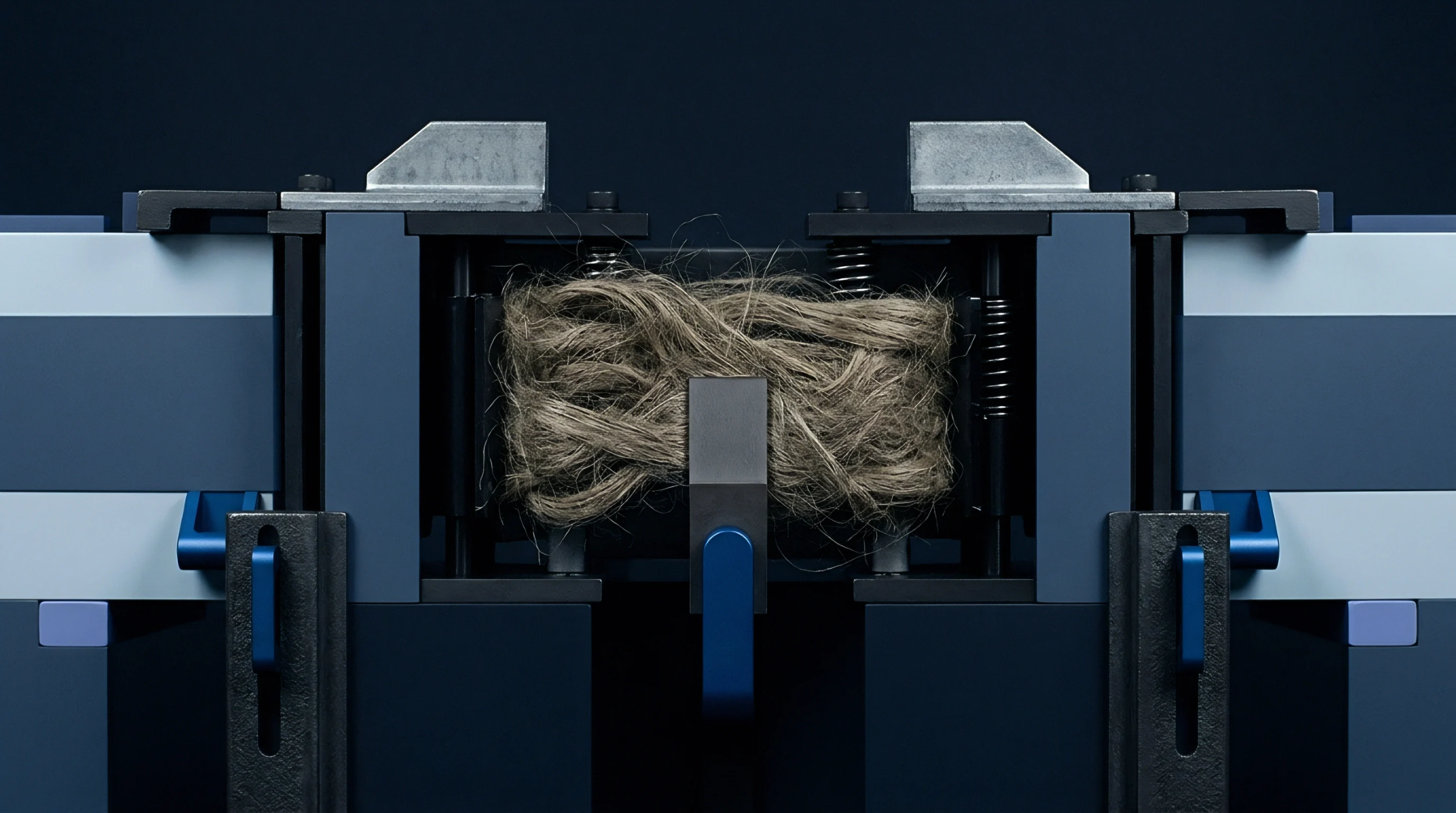
Cross-border flax contracts fail when paperwork substitutes for physical segregation; buyers manage exposure by mandating batch transaction certificates.
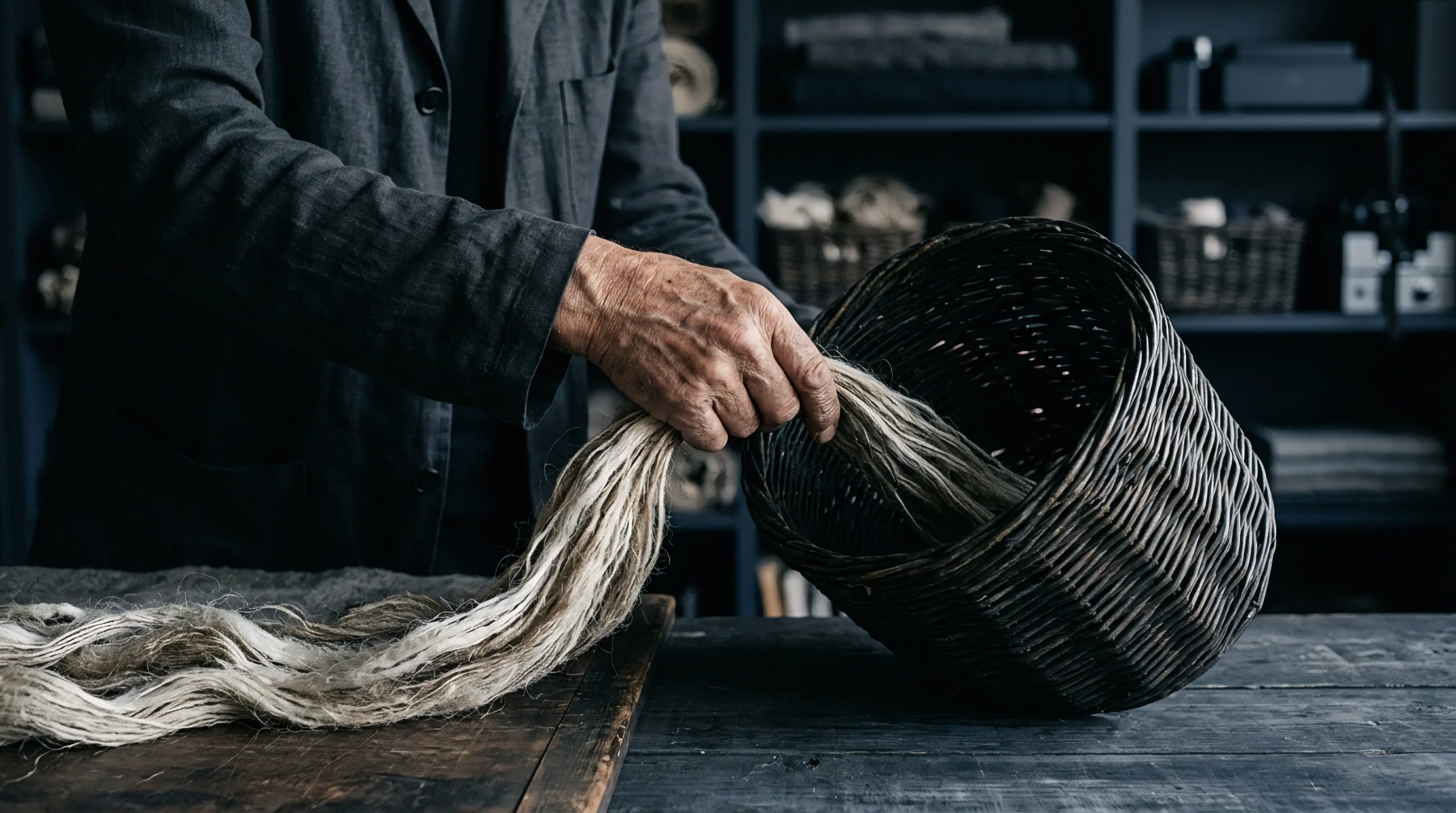
Trough liquor at 55 to 75 degrees Celsius softens flax pectin lamellae, allowing low-tension drafting of elementary cells into high-count linen yarns.
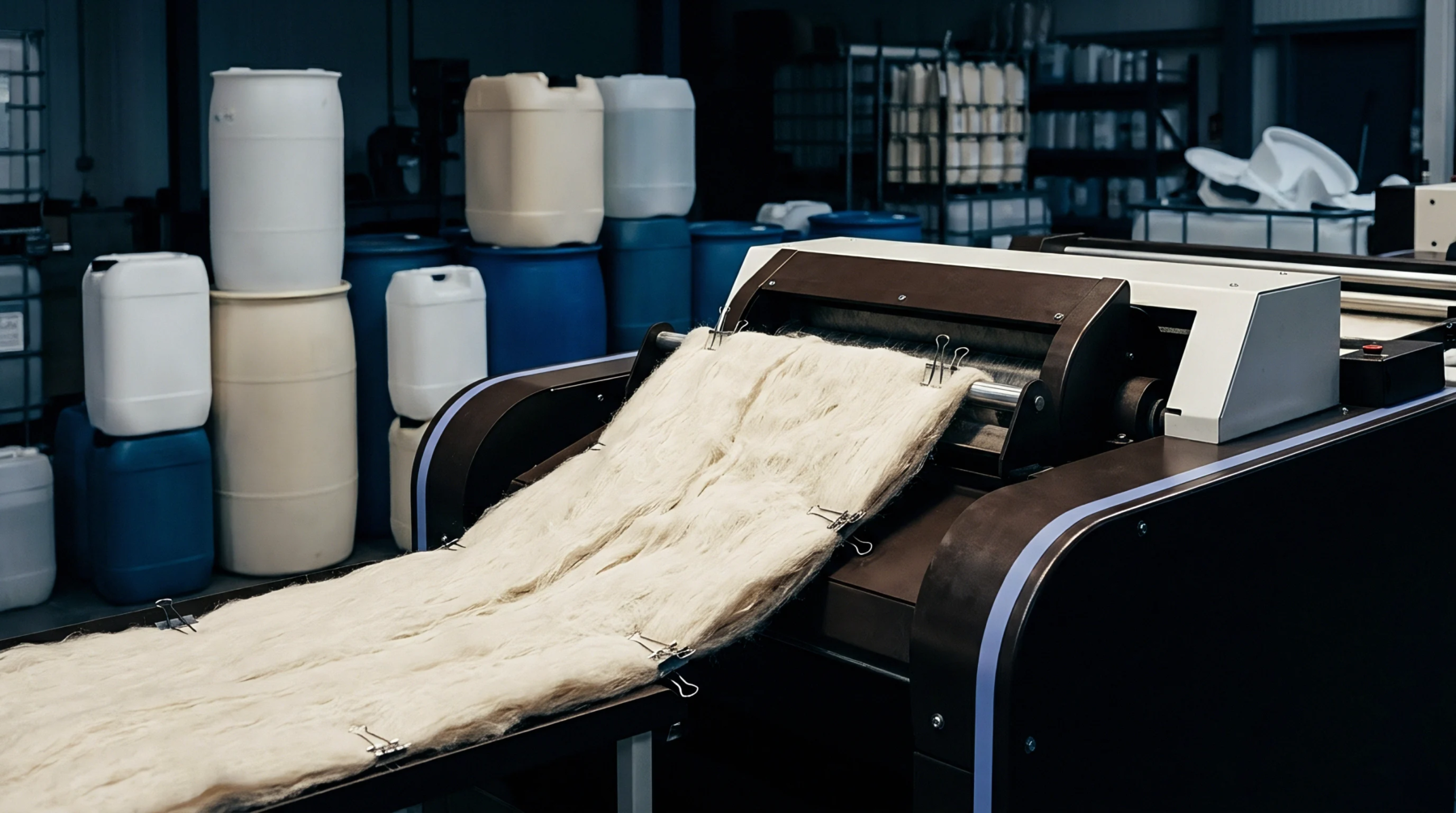
Residual pectin between 1.3 and 1.8 percent maximizes yarn tenacity by enabling technical bundles to divide for tight packing while preserving axial shear cohesion.
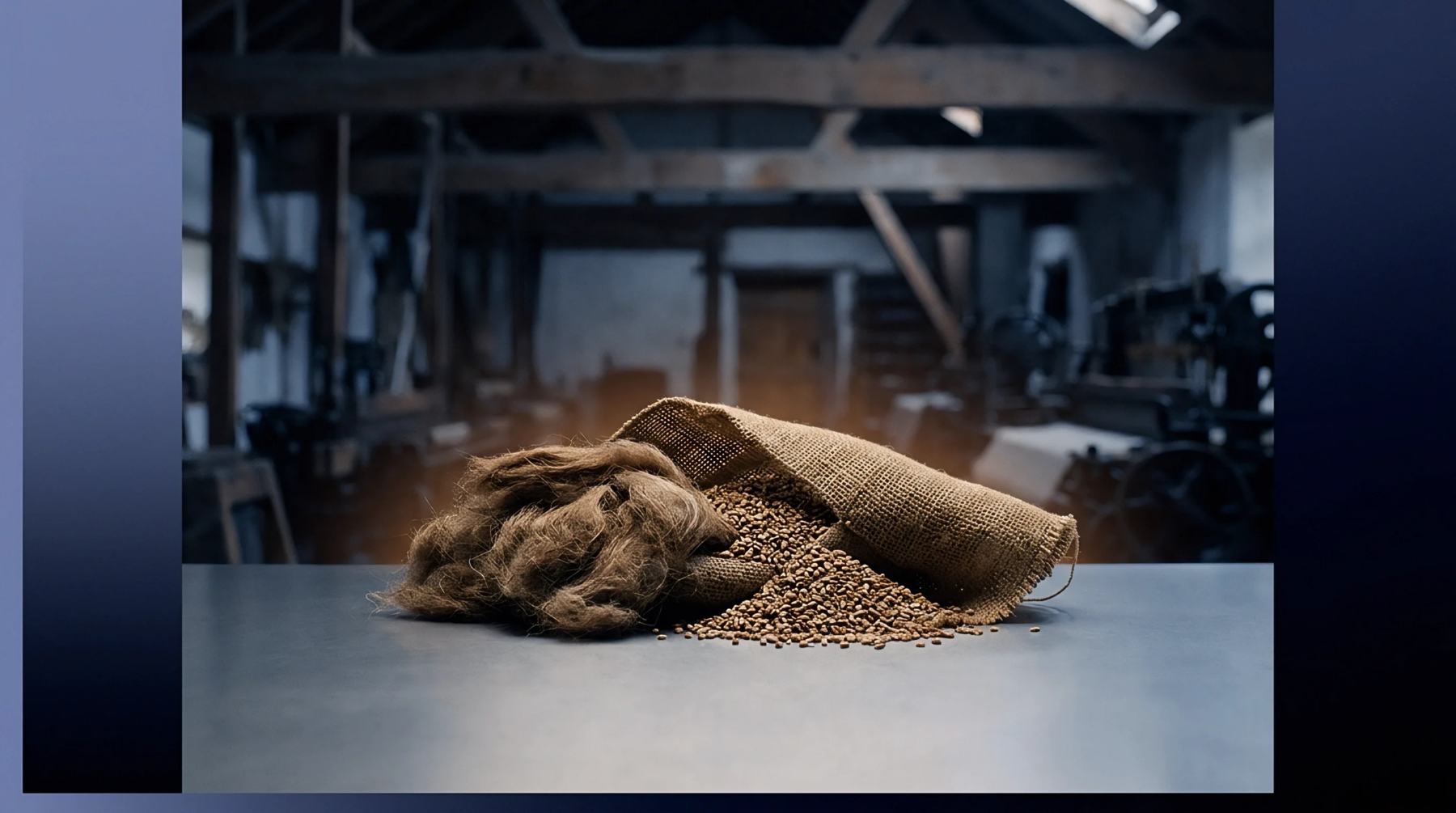
Elementary bundle separation balances pectin removal against cellulose damage to fix hackling yield and the finest spinnable wet-spun yarn count.
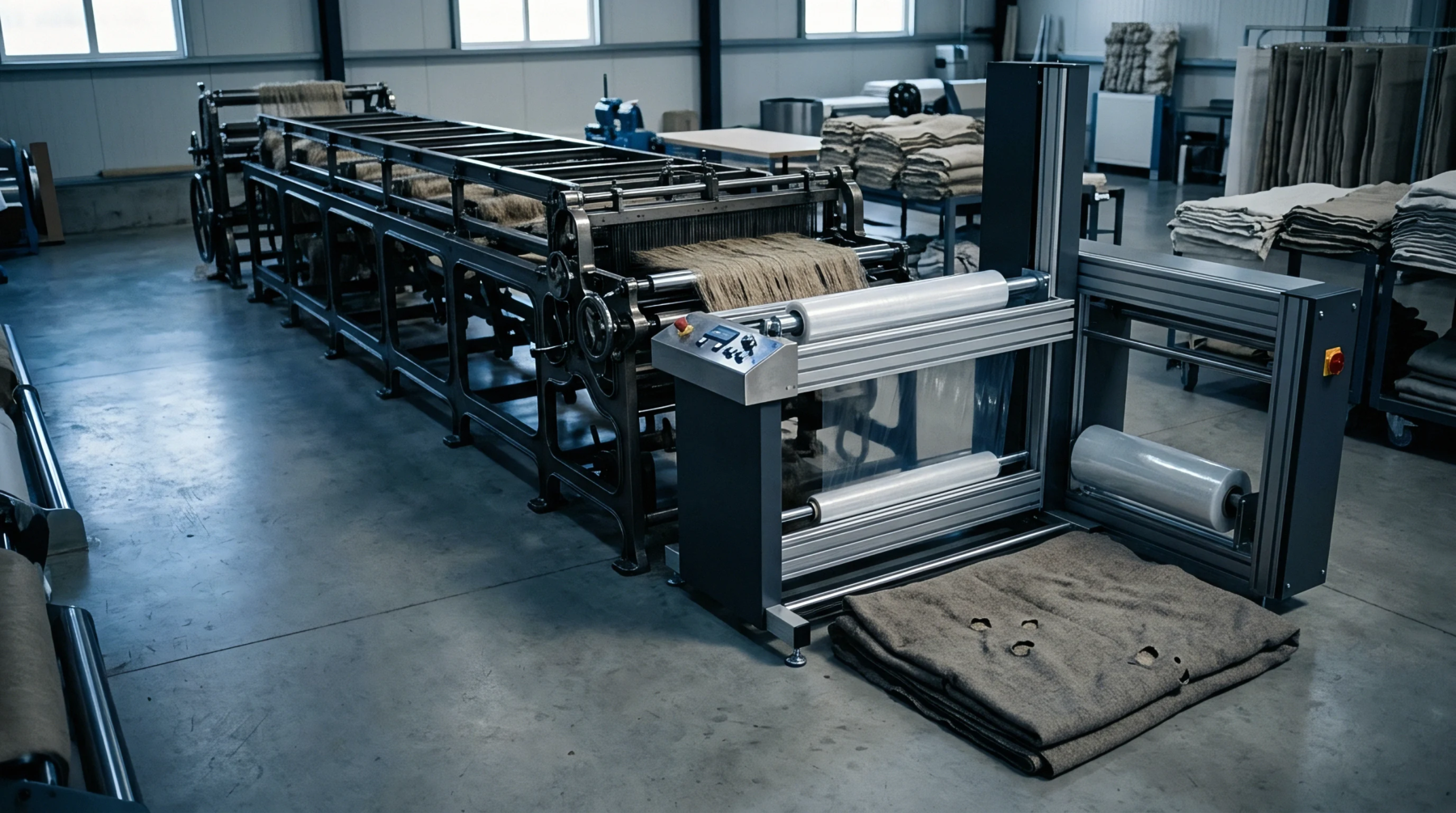
Controlled hydrothermal pectin dissolution in wet-spinning troughs unlocks elementary flax filaments, enabling drafting beyond 80 Lea counts.
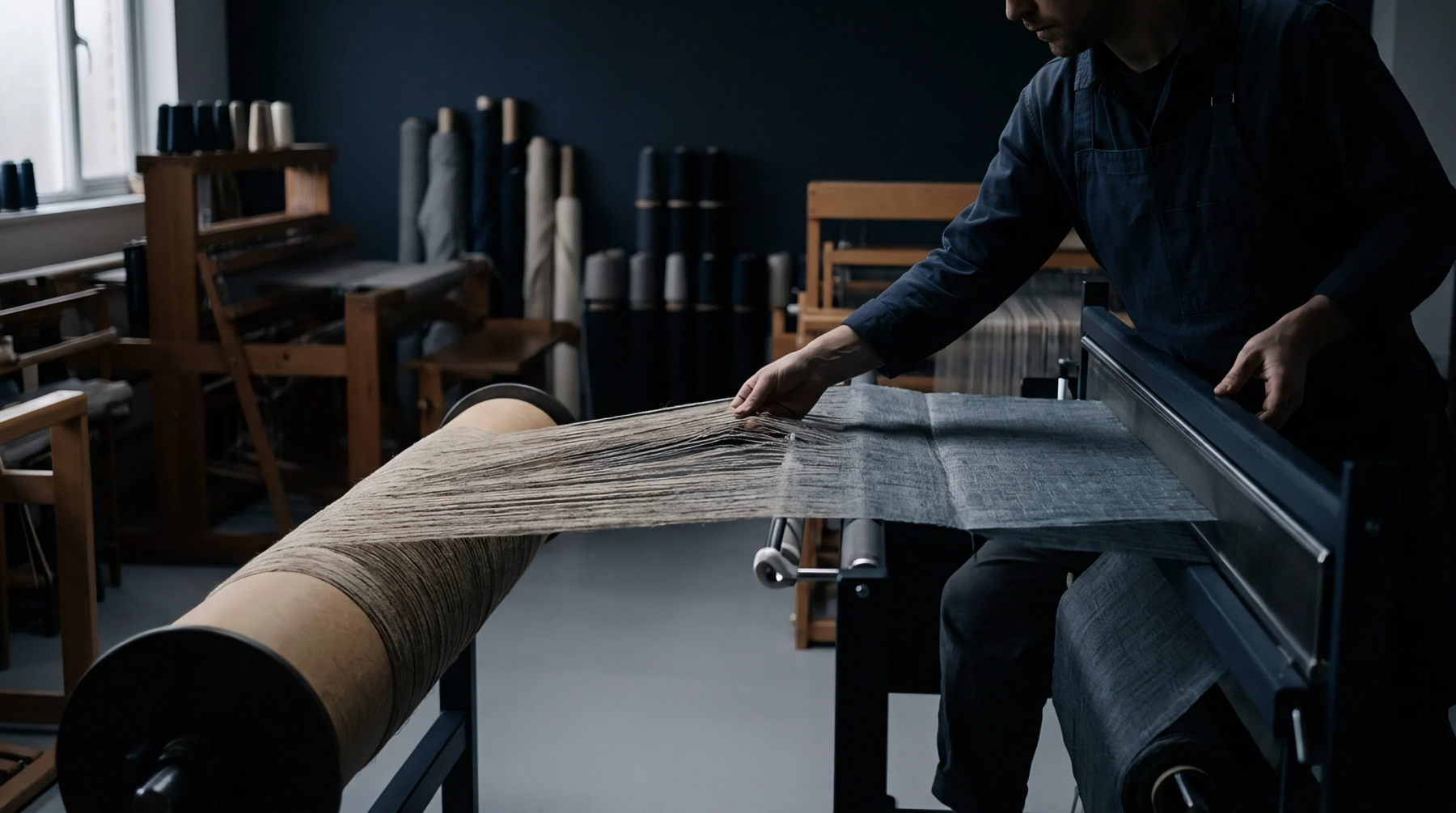
Ocean microclimates generate steep radial moisture gradients in dense flax bales, rendering single-core regain tests inaccurate for invoicing and spinning prep.

Landed weight adjustments convert raw weighbridge bale mass to certified dry cellulose plus twelve percent commercial regain to settle cross border flax invoices.

Standard commercial mass in scutched flax trading converts oven-dry weight to invoice mass using the agreed twelve percent moisture regain factor under ISO 6741.

Scutched flax line yarn suitability requires bundle fineness below 1.8 tex, shive under two percent, and uniform retting to prevent comb tow losses.

Flax hackling yield hinges on sorption history; desorption-path fibers hold higher internal moisture, cutting brittle breakages and shifting line outturn by 3%.

Non-equilibrium container shipping drives sharp radial moisture gradients in dense flax bales, degrading hackling yield and distorting invoiced fiber weight.

Relative humidity during hackling governs pectin plasticization, directly dictating whether gravimetric fineness translates to long line yield or tow waste.

Dew retting pectin breakdown determines hackling yield by reducing middle lamella pin resistance to yield fine line flax while preventing cellulolytic tow waste.

Non-linear line-scan attenuation mapping resolves bast bundle clustering during high-speed transport to safeguard hackling yields and yarn counts.
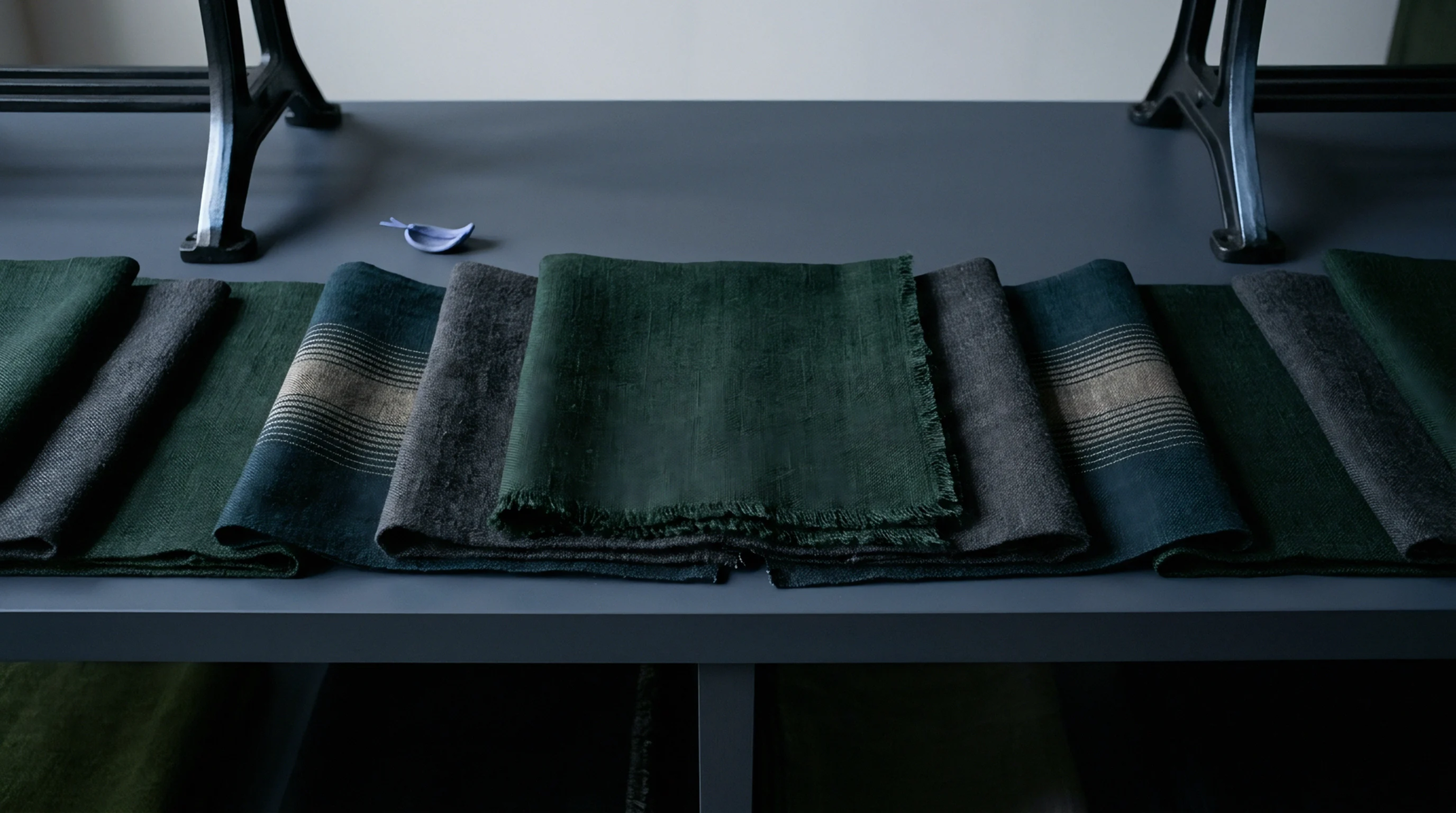
Optical sliver grading quantifies shive area and nep density via line-scan arrays to predict wet-spinning end breaks and enforce raw fibre pricing adjustments.

Optimal pectin degradation (1.8-2.4%) balances middle lamella splitting and cell integrity, maximising hackling line yield and wet-spun yarn tenacity.
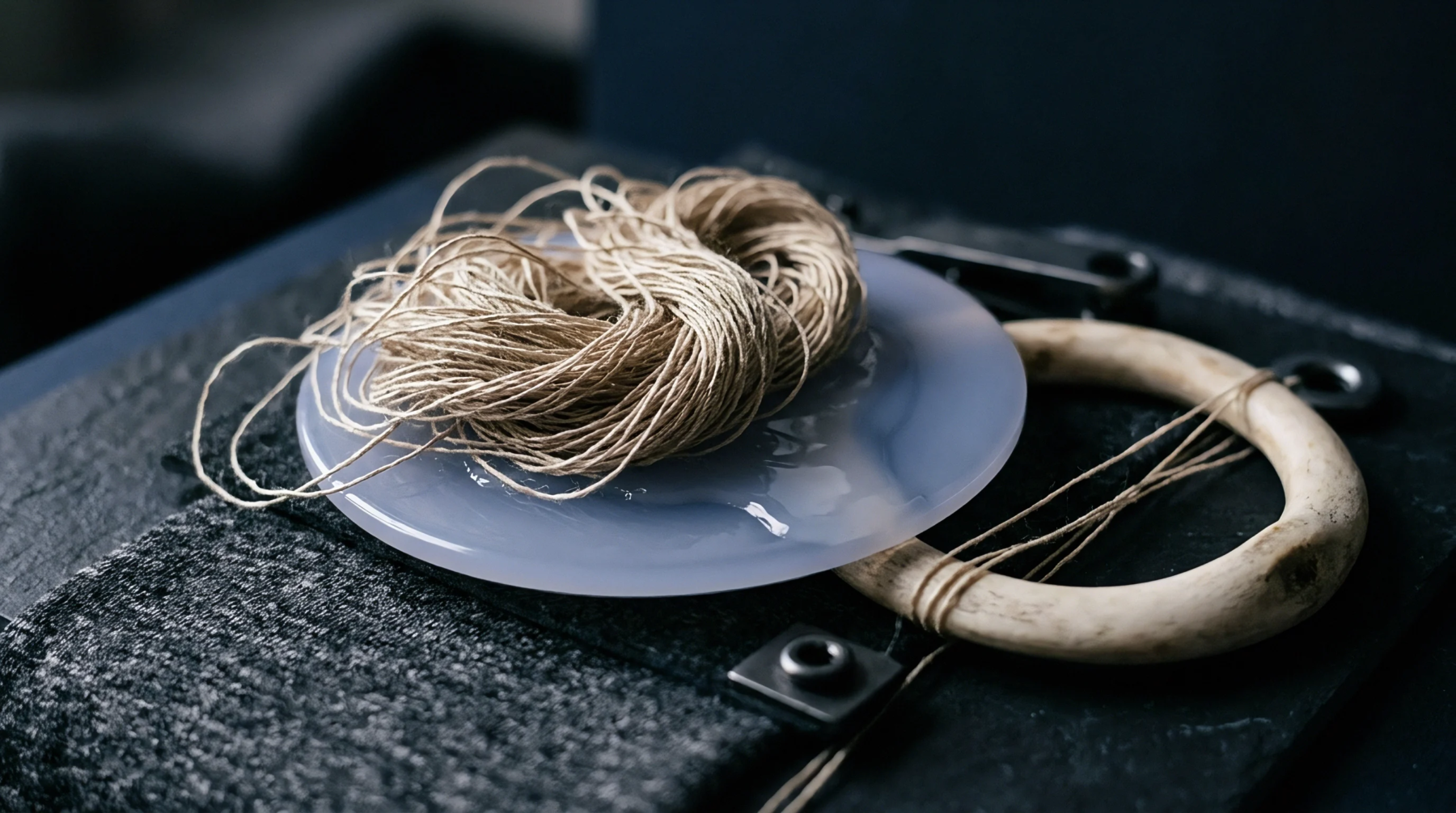
Wet spinning Heilongjiang line flax demands 65°C trough baths, 42 mm reach settings, and draft ratios under 16 to secure high-tenacity Nm 36 to 60 yarn.
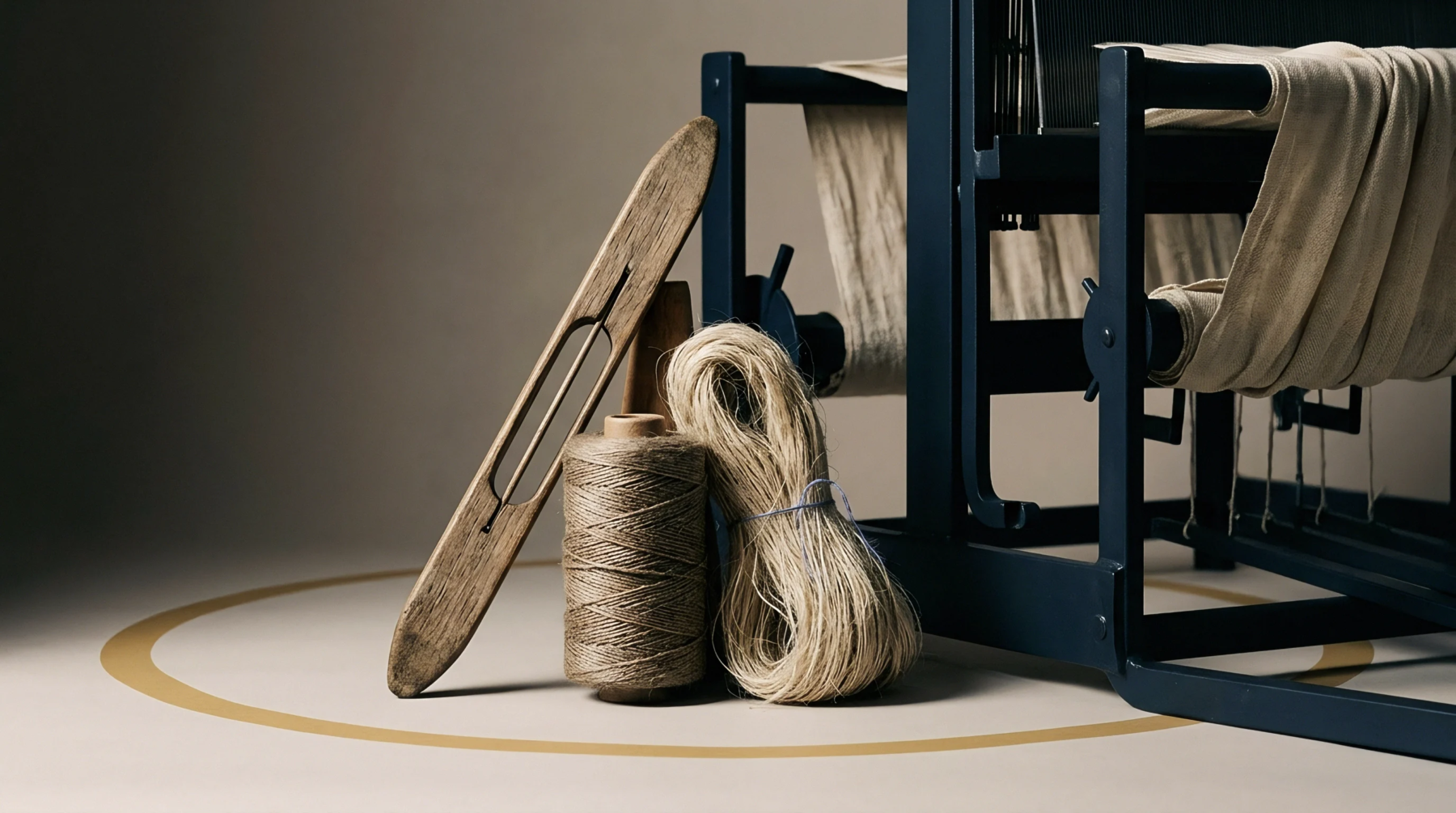
Flax technical bundle fineness dictates maximum spinnable yarn count while 3.2 millimetre gauge tenacity governs wet-spinning end breaks and hackling yield economics.

Reconciling wet spun linen transaction certificates relies on matching fiber intake scope certificates against spindle yield logs, bath waste records, and yarn sales dockets.
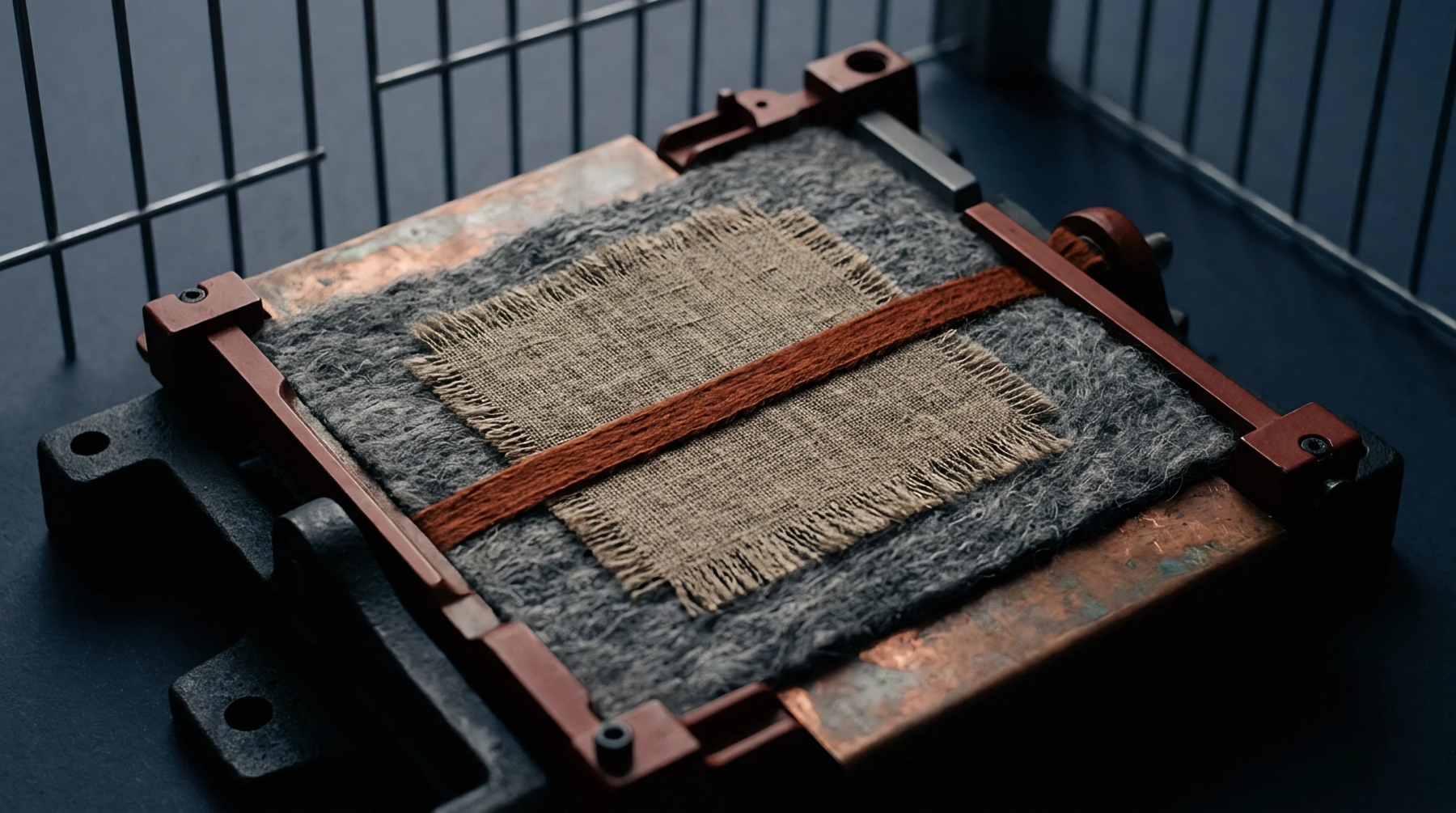
Scutching impact speed and low fiber moisture drive microfibrillar dislocations in flax secondary cell walls, lowering tenacity and hackling yield.

Heating wet drafting bath fluid to 68°C balances pectin relaxation with hydrodynamic drag, stabilizing Nm 80 flax drafting tension below 0.12 N.
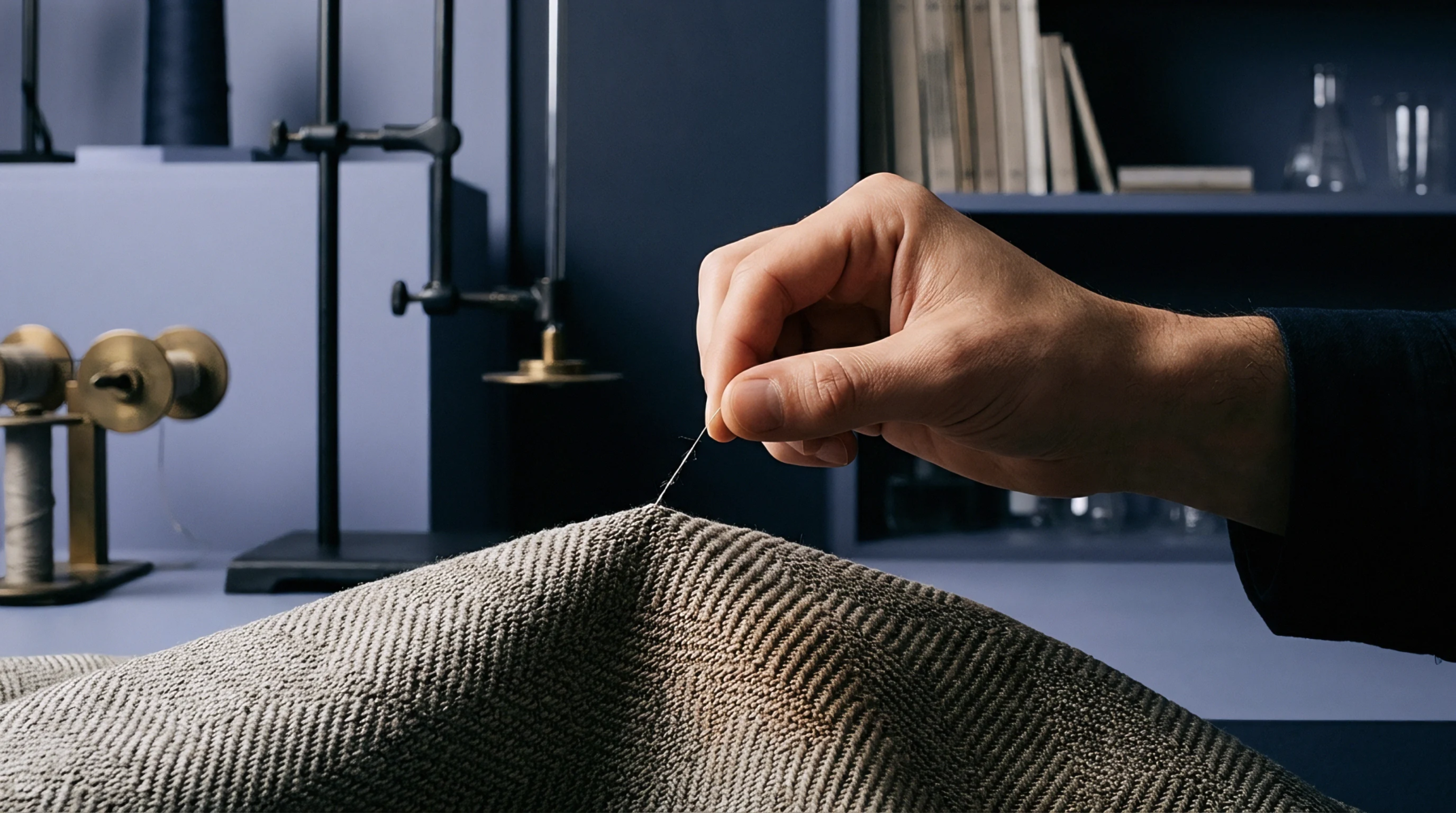
Optimal retting reduces residual pectin below 1.8 percent, allowing ultimate fiber separation to 3 tex and maximizing high-count line yarn yield.

Verify dry mass through oven desiccation at 105C and apply a 12% moisture regain formula to protect mill yield and block transit water charges.

Audit scutched flax mass using ISO 6741 gravimetric drying to enforce the 12% standard regain adjustment and verify lot tags against scheme scope certificates.

Flax retting breaks down stalk pectin to separate spinnable fibers, requiring strict moisture control and scope-verified chain of custody to secure origin.

Radial viscosity gradients dictate fibre separation dynamics in wet drafting; unsoftened core bundles generate severe mass irregularity at speeds over 200 m/min.
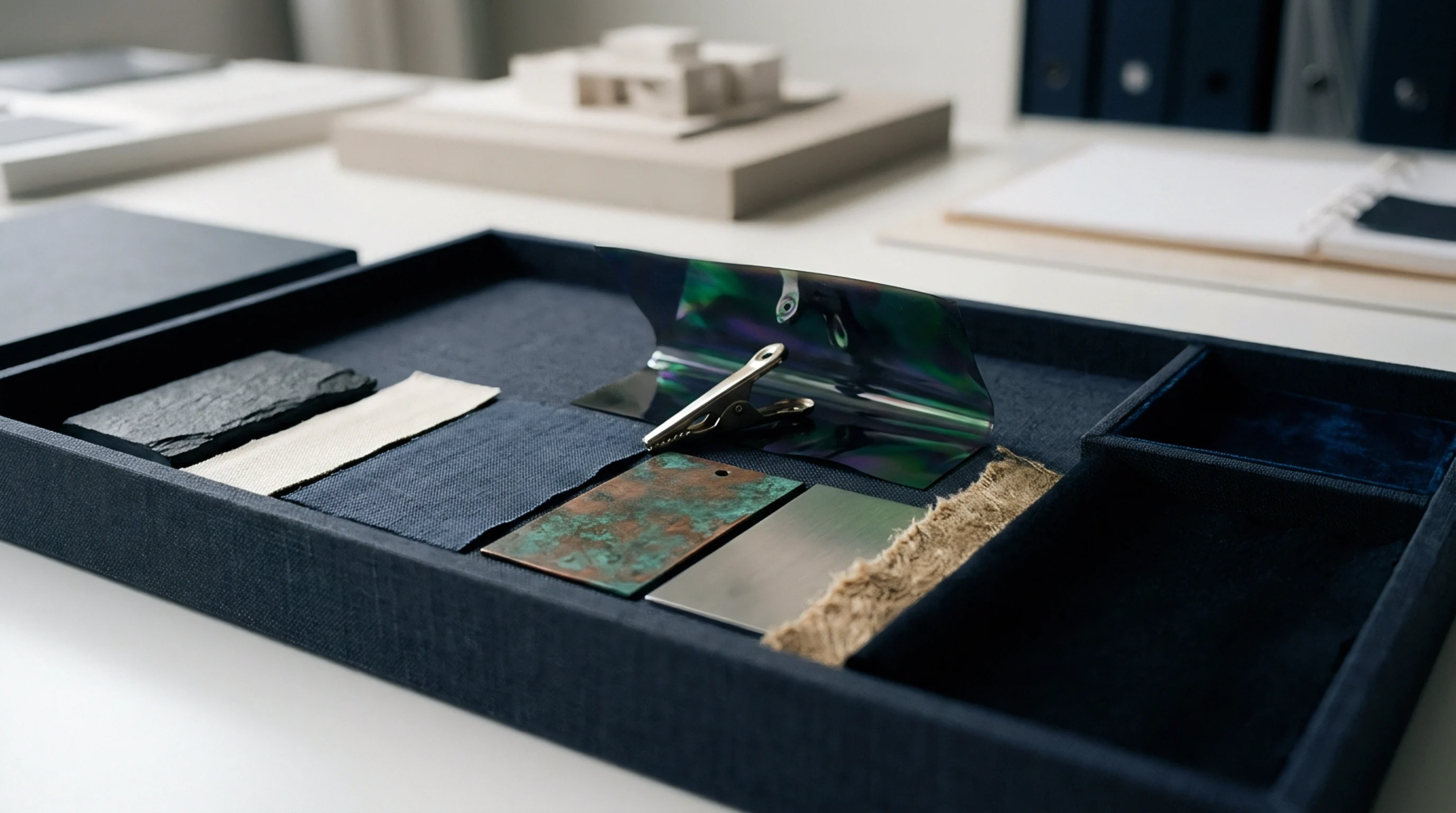
Comb sorter diagrams define the true upper quartile length and short-fibre mass of hackled flax, setting frame ratch distances and determining wet-spun yields.

Fine linen conversion baselines require dry-weight mass balance tracking across hackling, boiling, and wet spinning to verify certified fiber origin.

Scutched flax length arrays dictate hackling yield and draft limits, where span length and dispersion metrics set the achievable wet-spun yarn count limit.
Expertise is a utility, not a secret. sentiention™ publishes its working knowledge as open reference: intelligence layer covering the materials it sources, the markets it enters, and the reference that serves both.