
Ammonium Oxalate Concentration Metrics for Elementary Bast Fibre Decitex Determination
Ammonium oxalate extraction at 5 to 10 g/L isolates elementary bast fibres to measure decitex, setting the technical count limit for wet-spun linen yarn.
Ammonium oxalate extraction at 5 to 10 g/L isolates elementary bast fibres to measure decitex, setting the technical count limit for wet-spun linen yarn.

Solvent-extractable surface wax between 1.15 and 1.55 percent optimizes line flax wet-spinning draft and prevents hackling comb yield loss.

Standard hackled flax linear density multiplies bone-dry sliver mass by 1.12 to enforce the twelve percent statutory moisture regain baseline per meter.

Linen spinning yield calculates net long line yarn mass against raw scutched fiber inputs, bounded by a 42 to 52 percent mechanical and chemical conversion limit.

Chromatographic calibration using purified oligouronides prevents pectic interference errors that degrade flax hackling yields and yarn margins.

Chromatographic quantification of galacturonic acid between 9.5 and 14.0 mg/g confirms complete retting without cellulose degradation to optimize yarn yield.

Variable hot water pectin dissolution in wet spinning causes unrecorded mass losses up to 6 percent, creating phantom discrepancies in European Flax audits.
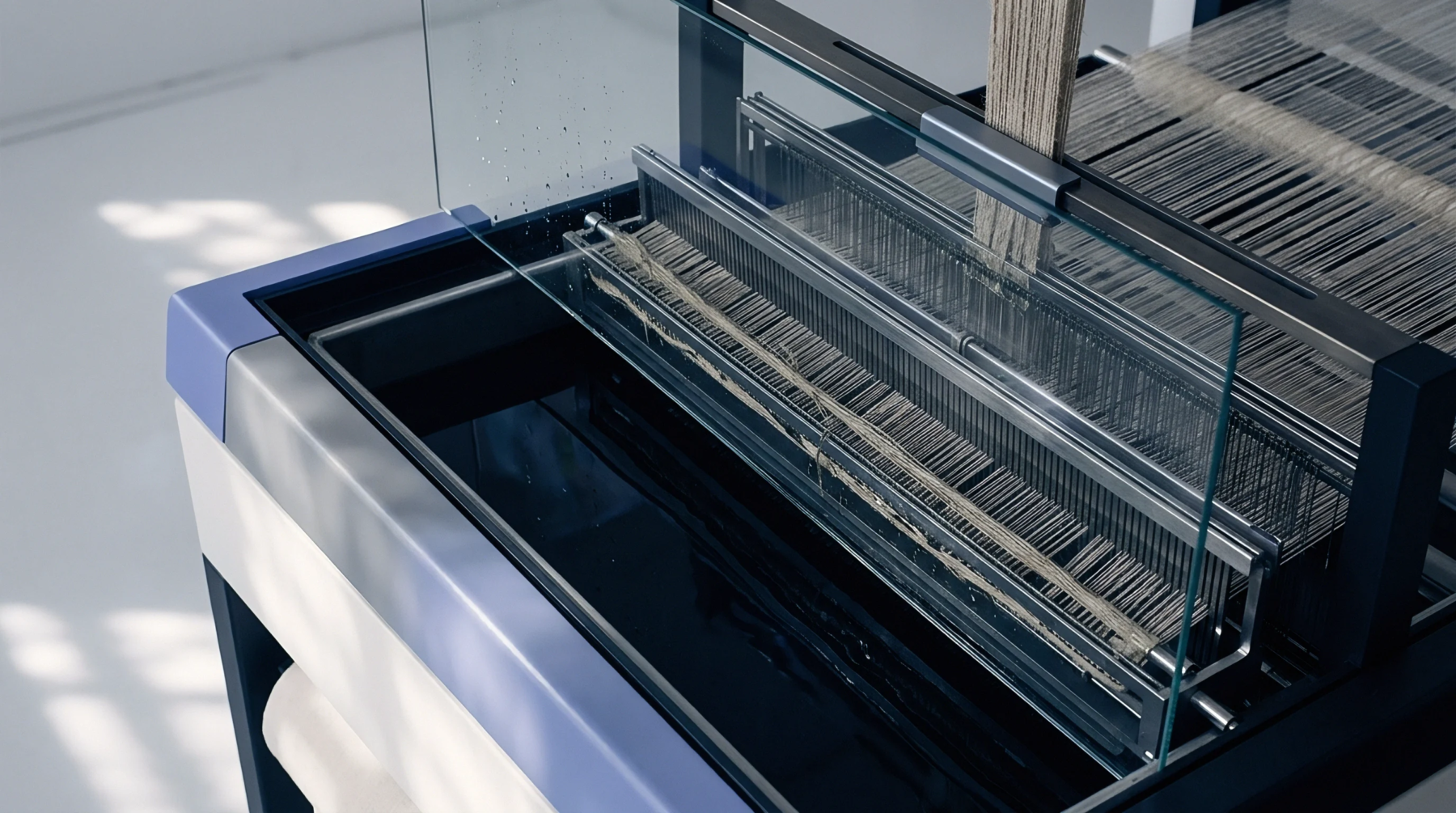
Chinese linen weaving allocation hinges on booking rapier capacity around seasonal crunches and sizing constraints rather than generic yardage purchasing.

Controlled thermal and solvent extraction reduces flax bundle fineness below 9 dtex, raising the wet spinning limit to Nm 42 while avoiding fibre degradation.
High-speed bast permeametry overestimates metric fineness unless corrected for wall slip and expansion chilling across irregular polygonal bundles.
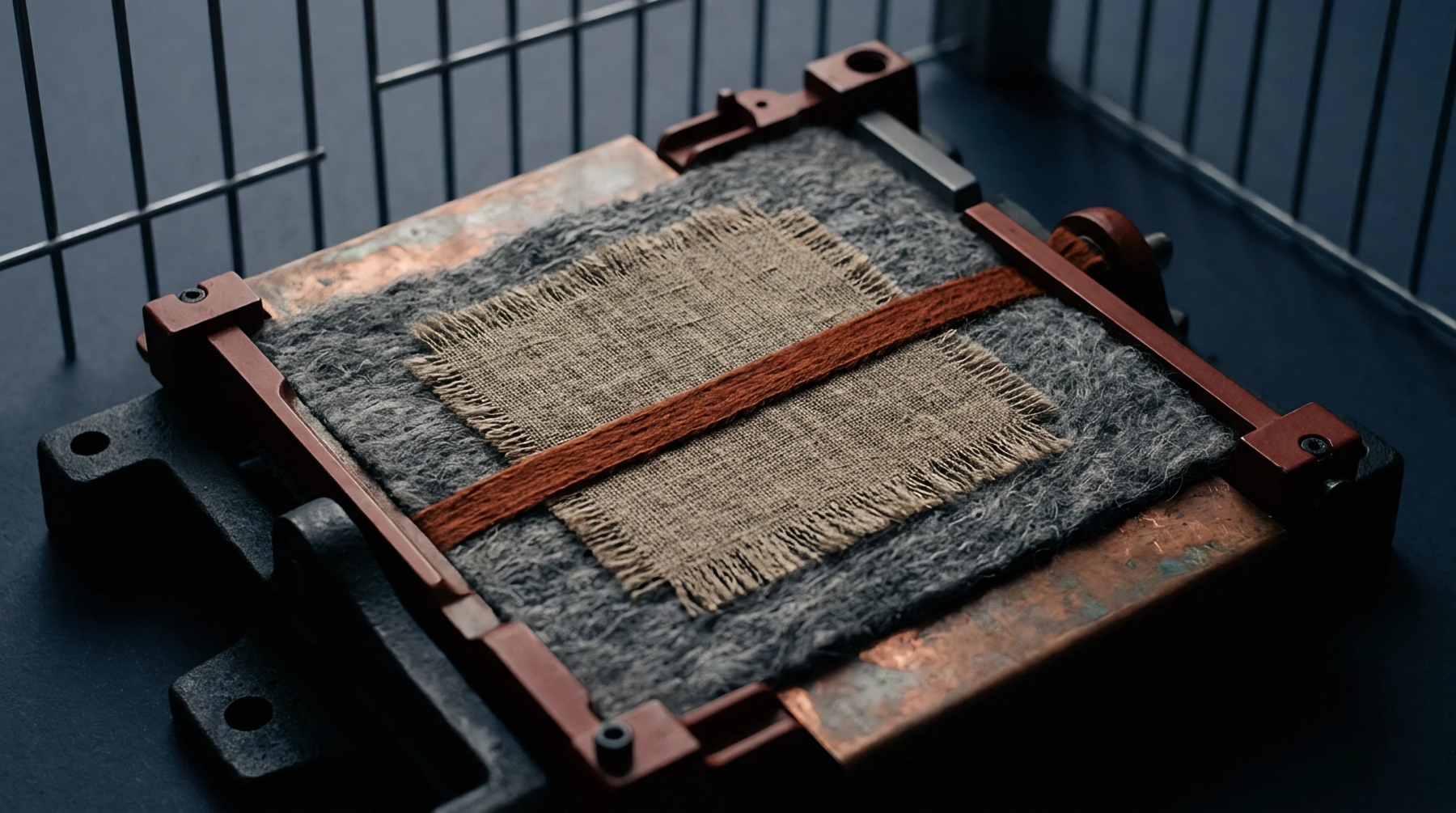
Airflow fineness testing measures bast bundle specific surface area through pneumatic resistance, linking retting quality directly to spinnable wet-spun counts.

Airflow differential pressure across a compressed bast fiber plug calculates specific surface area through the Kozeny-Carman relation under laminar flow.
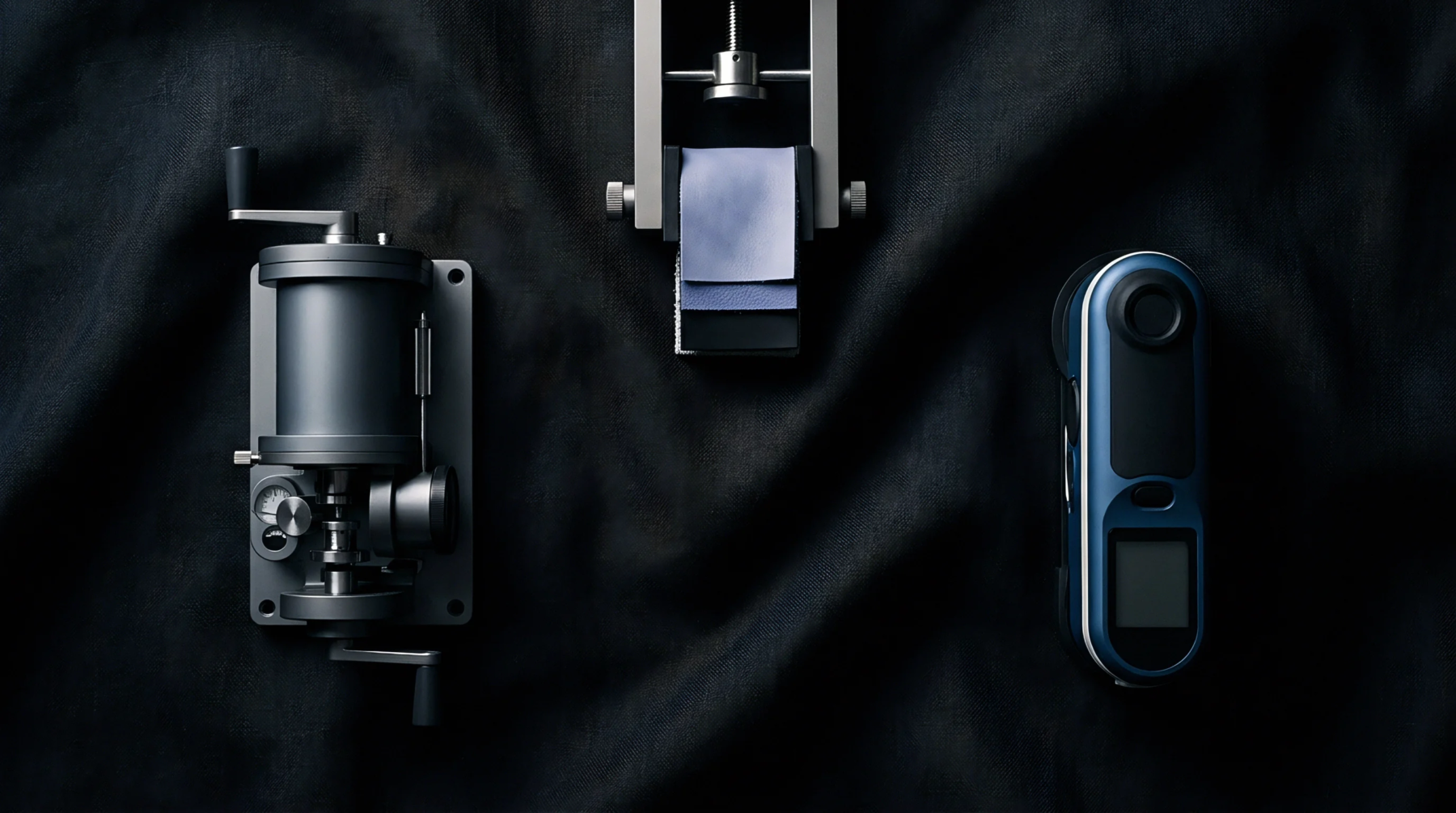
Residual pectin alters bast fiber bundle volume and aerodynamic drag, causing airflow fineness testers to overestimate coarseness by up to twenty-eight percent.
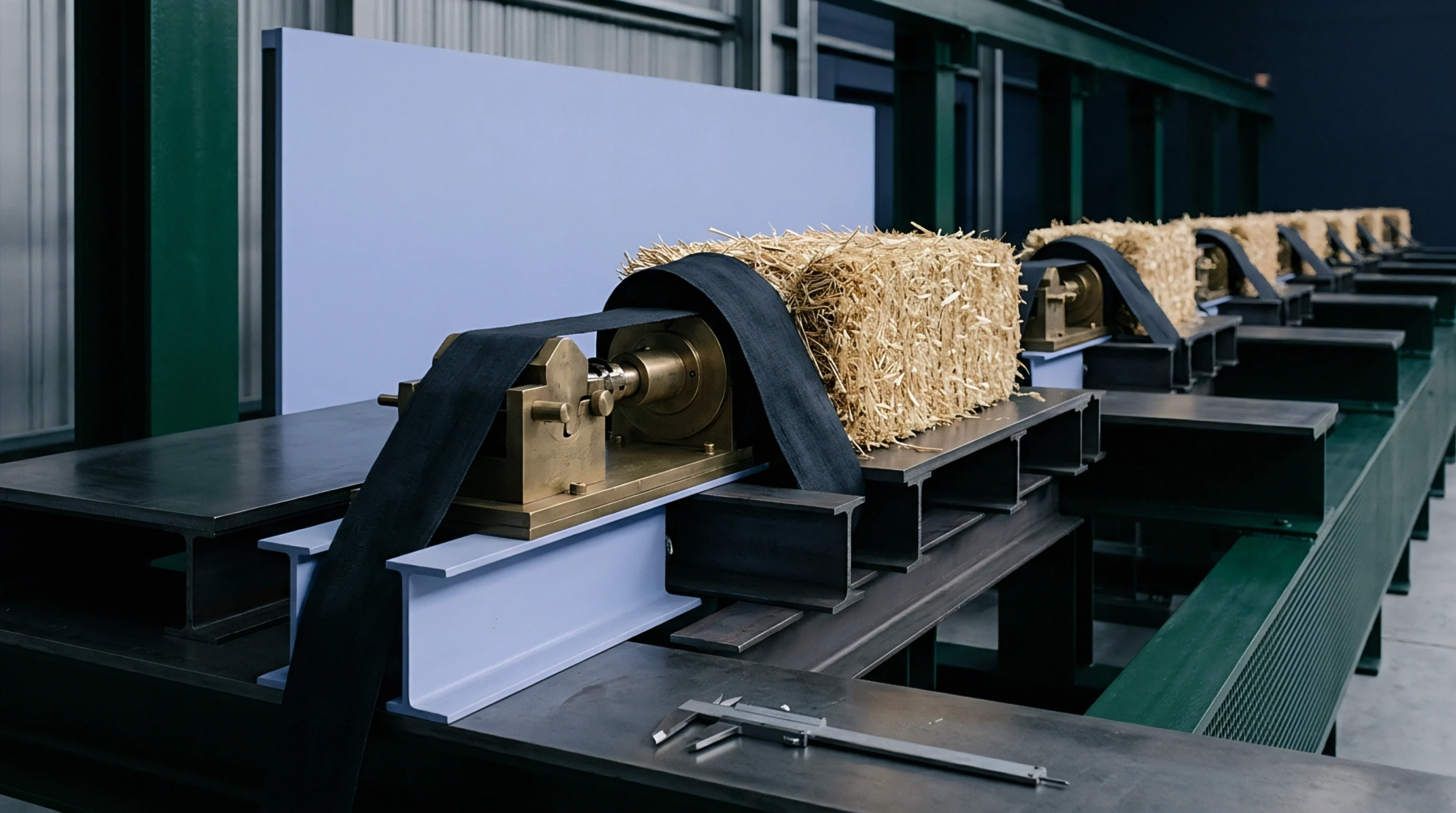
Standardized airflow permeability testing under ISO 2370 converts pneumatic backpressure into specific surface area to grade flax bundle spinnability.
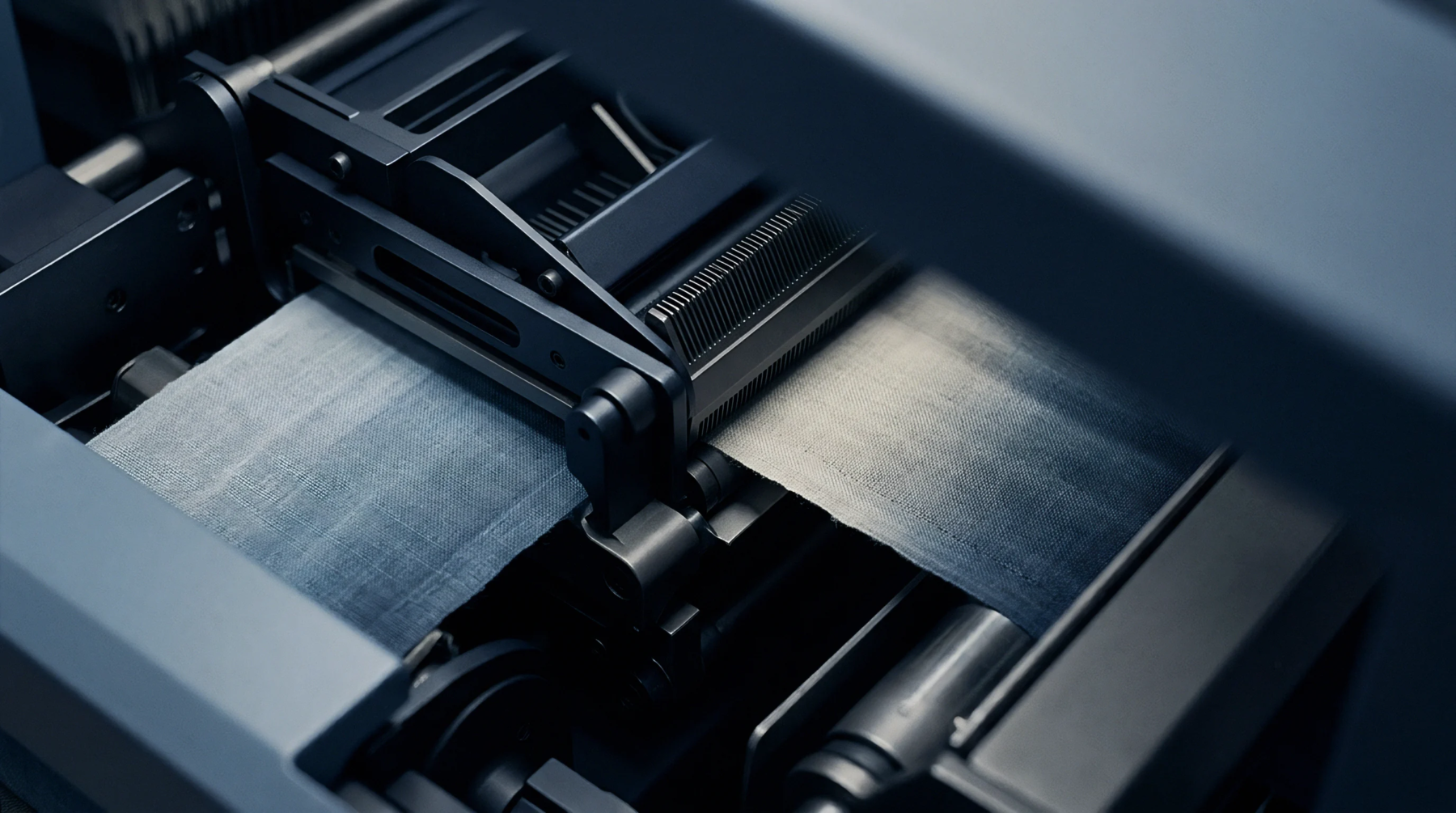
Correlating line-scan bundle area variance with drafting force prevents spinning tension surges, cutting wet-spun yarn breaks and loom downtime.
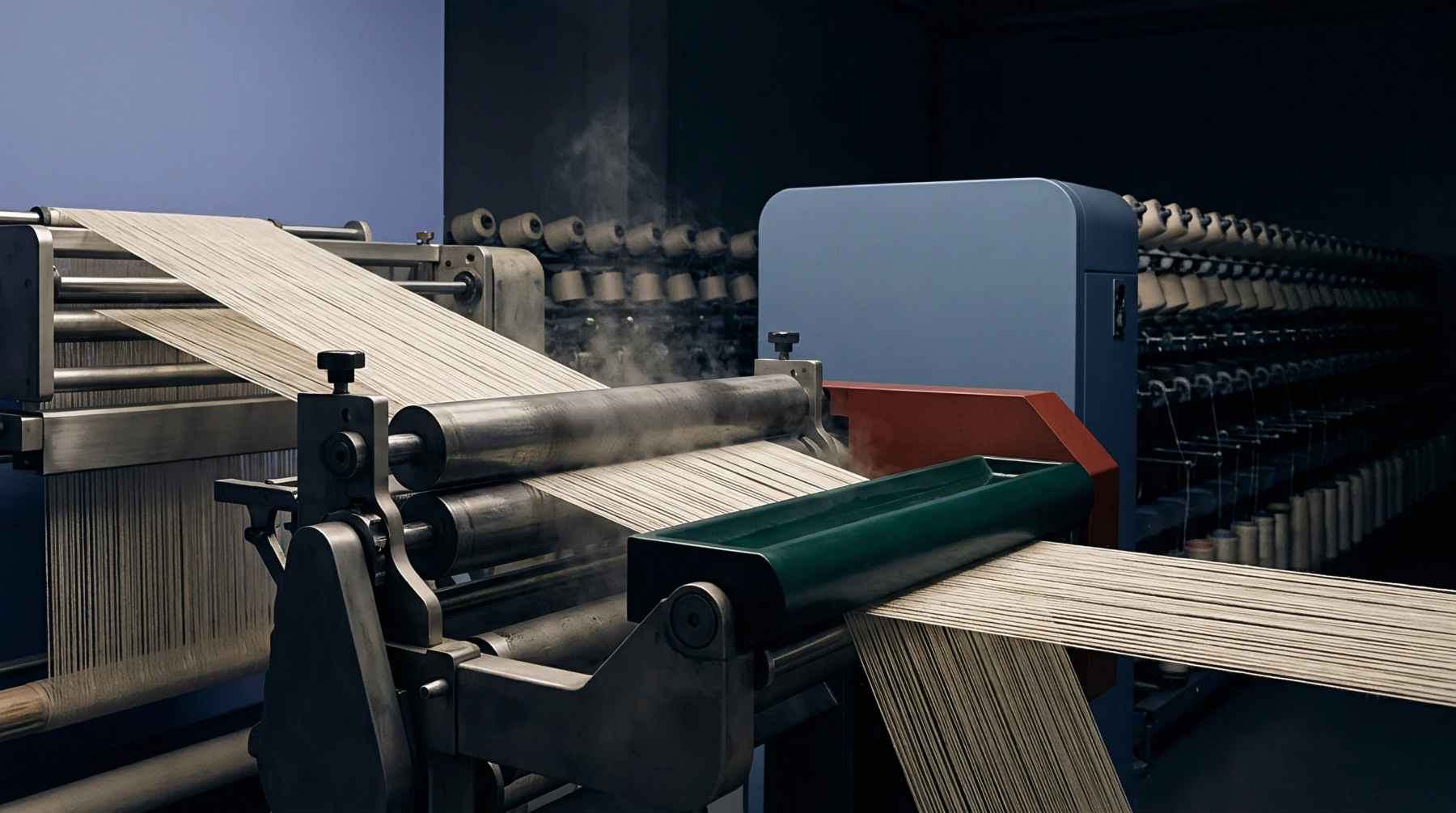
Optical bundle sizing defines the maximum draft ratio and ratch setting in wet flax spinning by quantifying pectin division before immersion.

Controlled enzymatic cleavage of middle lamella calcium-pectate networks boosts hackled line yield by eight percent, unlocking high-count wet-spun linen yarns.

Reconciling wet spun linen yarn shrinkage in provenance dossiers requires ISO 2060 oven-dry mass testing and linear contraction adjustments across mill logs.
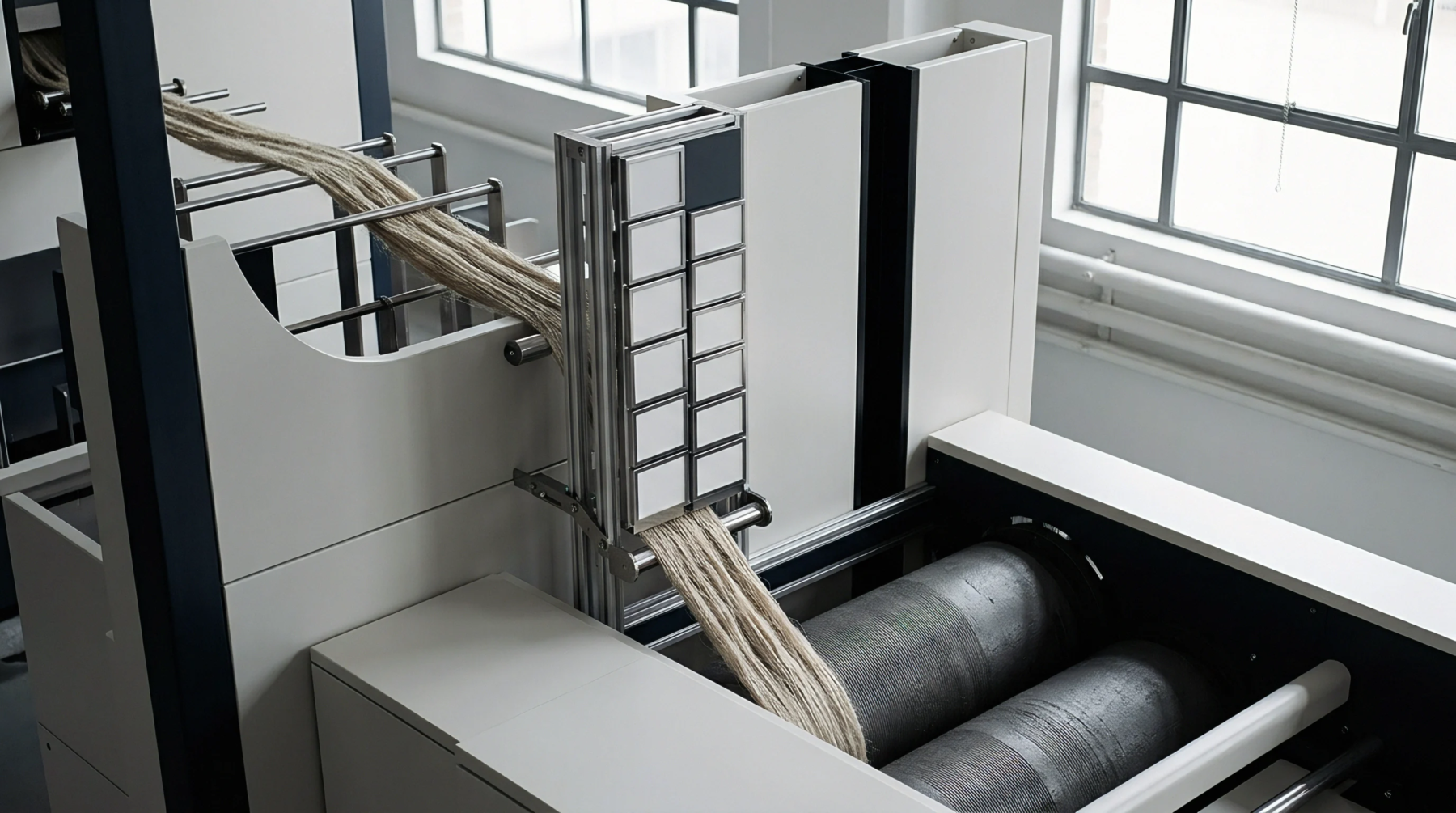
Discrete length distribution transformations control drafting breakage, wet trough bundle dissociation, and finished spinning margins in flax yarn production.

Cut-and-weigh gravimetric testing on conditioned bundles establishes the baseline tex that determines drafting limits, spinning counts, and invoice weights.
Expertise is a utility, not a secret. sentiention™ publishes its working knowledge as open reference: intelligence layer covering the materials it sources, the markets it enters, and the reference that serves both.